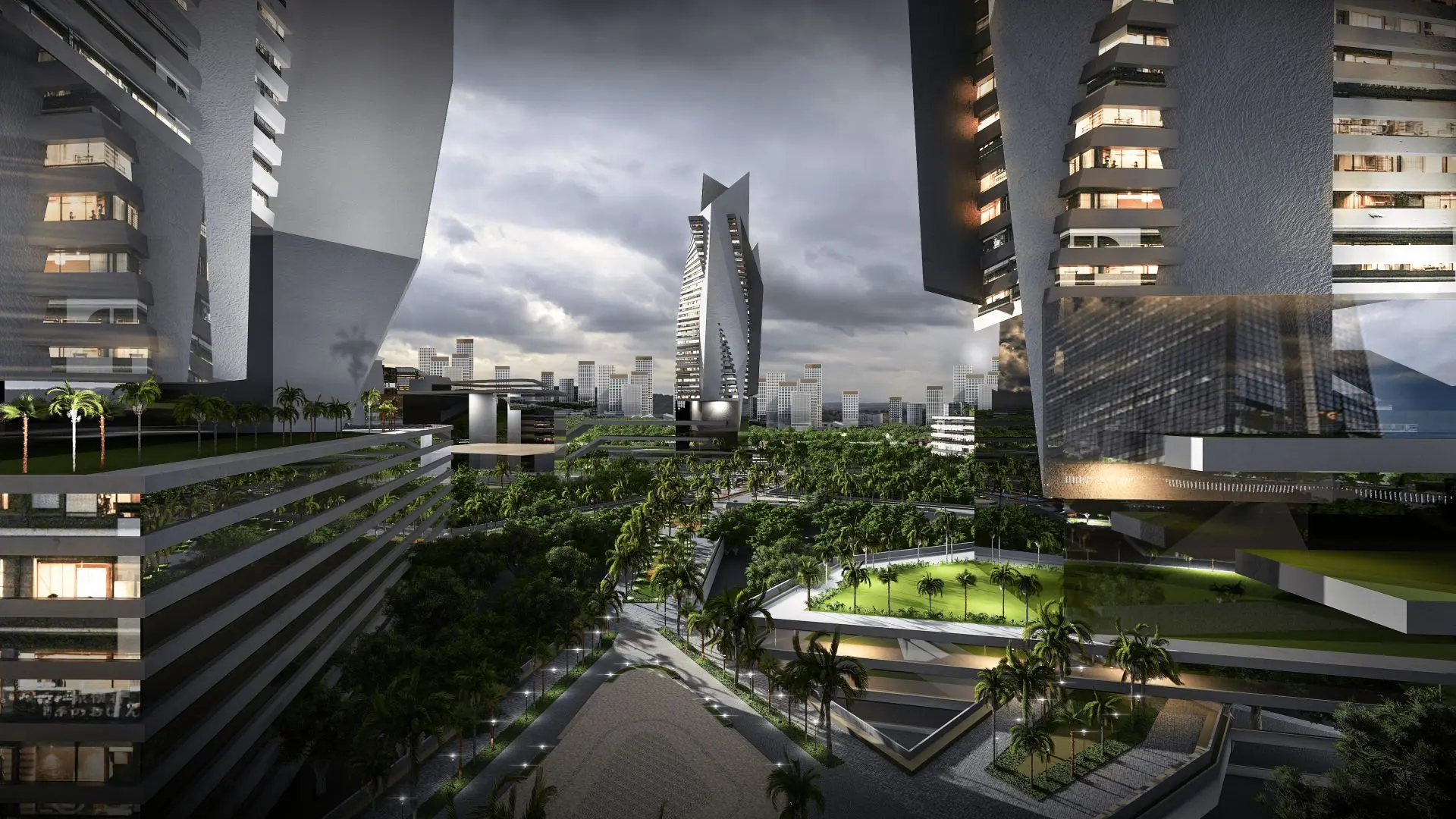
The Millennium City concept represents a bold proposition for future urban development within the Southern Tagalog region of the Philippines. Strategically situated in Barangay Balayan, Batangas, approximately seventy kilometers south of Metro Manila, the project envisions a fully integrated, self-sustaining city powered by advanced waste-to-energy technologies. At its core, the development is a comprehensive study in urban innovation, blending infrastructure, environment, and cutting-edge systems into a singular vision for future cities.
The master plan covers approximately 44,000 square meters of land, meticulously divided into fourteen land-use zones and eleven district clusters. This structured segmentation enables precise functional distribution, ensuring that commercial, residential, industrial, institutional, and recreational spaces operate in a coordinated and synergistic manner. The design prioritizes balance between density and open space, recognizing the inherent value of spatial breathing rooms within urban growth frameworks.

A defining feature of Millennium City is its intelligent transportation matrix. The plan integrates multiple layers of mobility, including above-ground and subterranean transit loops that connect all major districts to central transport hubs. Distances between these hubs range from four to fifteen kilometers, designed to optimize passenger flow while minimizing surface congestion. Complementary transit options, such as electric trams and shared autonomous vehicles, provide additional intra-district movement, establishing a highly efficient and low-emission mobility network.
Project Name: Millennium City
Location: South Luzon
Site Area: 4,400 hectares
Type: Urban Development
Environmental stewardship shapes the project’s entire planning philosophy. A central green spine traverses the city, organizing parks, urban agriculture zones, and recreational open spaces along its axis. This continuous green corridor not only provides aesthetic and lifestyle benefits but also functions as a natural air filtration system, contributing to healthier urban microclimates. The positioning of structures maximizes natural ventilation, daylight access, and passive cooling, enabling built forms to work in harmony with the tropical climate.
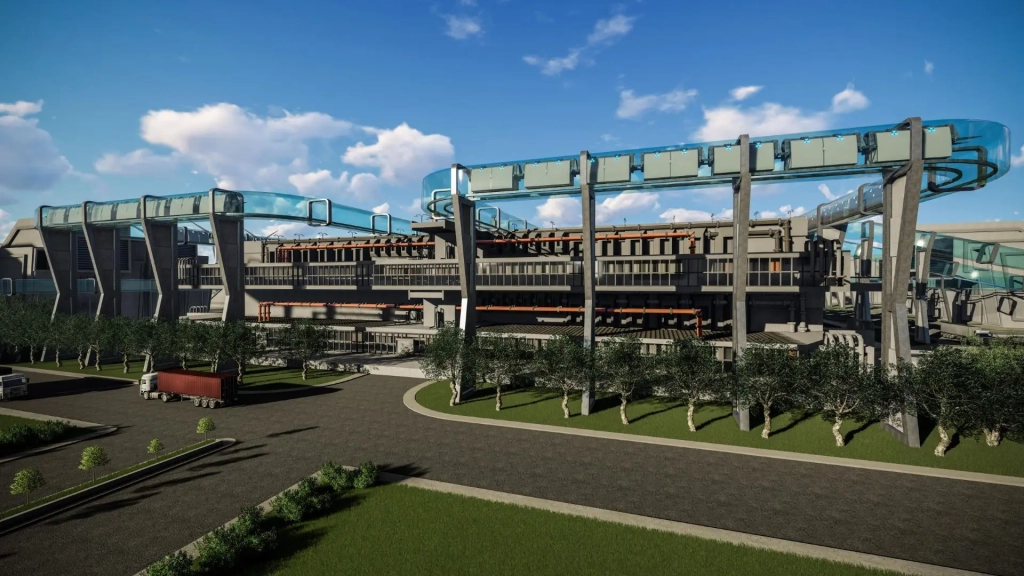
At the heart of Millennium City’s sustainability model is a fully automated waste-to-energy facility. This high-capacity system converts municipal solid waste into usable energy through advanced thermochemical decomposition processes, including smokeless incineration and pyrolysis, to produce energy. The facility simultaneously addresses waste management challenges while contributing directly to the city’s energy independence. Integrated air filtration systems ensure compliance with stringent environmental standards, maintaining optimal air quality throughout the development. As waste-to-energy technologies mature, the cost of energy is projected to decrease significantly, enabling cities to operate with affordable, clean, and abundant power. This proposition redefines urban viability, allowing the emergence of energy-intensive but highly productive sectors without the burdens of conventional fossil-fuel dependencies.
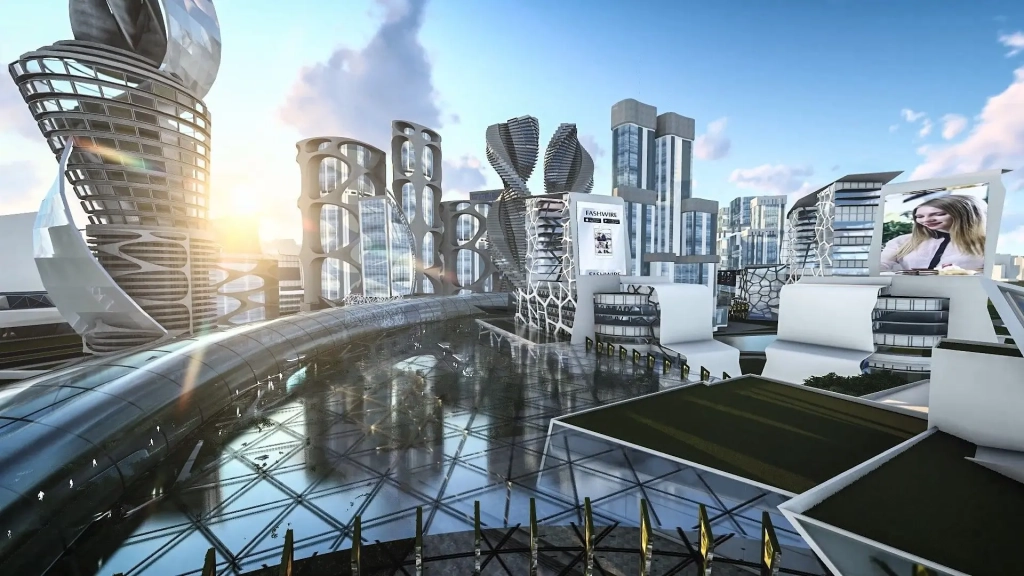
Millennium City is conceived not only as an urban center but also as a national and regional hub of governance, culture, commerce, and research. Key government functions were proposed to be relocated into modernized institutional zones, envisioned to house the new Malacañang Palace and Batasang Pambansa Complex. An international convention hall anchors global diplomacy and academic exchanges. The city features advanced research hubs, international sports arenas, cultural districts, and landmark commercial complexes, including the Transglobal Mall, which is designed to serve as a hybrid physical-digital marketplace for both regional and global commerce. Leisure and recreation are woven into the urban form through hydro adventure parks, performance centers, and eco-tourism attractions tied to the city’s coastal and riverine assets.
In complement, hybrid energy harvesting technologies are deployed throughout the city, combining both wind and solar energy capture. These systems contribute to the diversification of energy sources while providing a resilient buffer against supply volatility. A dedicated wastewater treatment facility, equipped with automated monitoring and filtration systems, supports a closed-loop water management cycle, recycling treated effluent for non-potable applications, such as landscaping and industrial processes.

Millennium City incorporates advanced smart city protocols, embedding sensor-driven data systems across its physical and digital infrastructure. Actuators respond to real-time environmental conditions, including temperature, humidity, occupancy, air quality, and movement patterns. The resulting dynamic cityscape enables efficient energy use, optimized building management, adaptive lighting systems, and predictive maintenance regimes. Beyond operational benefits, these features enhance resident comfort, safety, and overall quality of urban life.
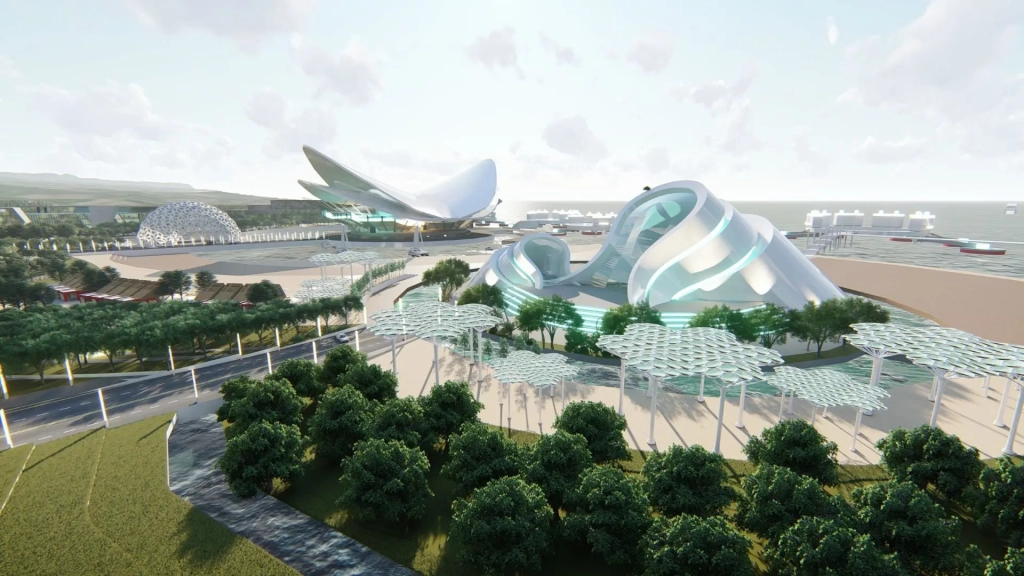
Architecturally, the city carries a meta-modern design language that explores futuristic and neo-organic geometries while remaining functionally grounded. Buildings rise with deliberate sculptural forms, embracing parametric contours that reflect both the technological ambition and environmental sensitivity of the project. Material selections prioritize durability, sustainability, and contextual appropriateness for tropical urban settings.
The overarching objective of Millennium City is to present a working hypothesis of what future cities may become when driven by integrated technology, circular resource management, and a commitment to livability. It challenges conventional linear models of urbanization by integrating energy production, waste management, mobility, environmental sustainability, and architectural innovation into a unified, highly adaptive system.
While Millennium City remains a conceptual framework, the intellectual rigor applied to its design exercises the full extent of urban and architectural imagination. Its proposals are not speculative indulgences but reasoned extrapolations of emerging technologies and governance models that may define the next evolution of city-making. The project serves as a testament to what can be achieved when technical feasibility, design foresight, and ecological responsibility intersect on a large scale.