Project Tag: Entertainment

  • Mixed-Use Entertainment Complex

    Mixed-Use Entertainment Complex

    In the rapidly emerging urban landscape of Alaminos, Pangasinan, a new entertainment complex is rising as a transformative icon that reshapes how integrated developments are envisioned in provincial growth centers. Beyond mere verticality, the project establishes a sophisticated convergence of multiple real estate typologies, uniting entertainment, gaming, hospitality, residential living, and commercial vibrancy into a singular orchestrated ecosystem. The inclusion of world-class gaming and casino operations positions the entertainment complex as a high-yield destination, designed to attract regional and international patrons while complementing the city’s evolving aspirations and the region’s growing tourism economy. The architectural orchestration reflects a deliberate synthesis of business viability, leisure, and placemaking, creating a magnet for future investments and sustained urban growth.

    Business Model: Entertainment Complex
    Location: Alaminos City, Pangasinan 
    Site Area: 9,488.90 sqm 
    Project Area: 40,950 sqm
    Type: Mixed Use
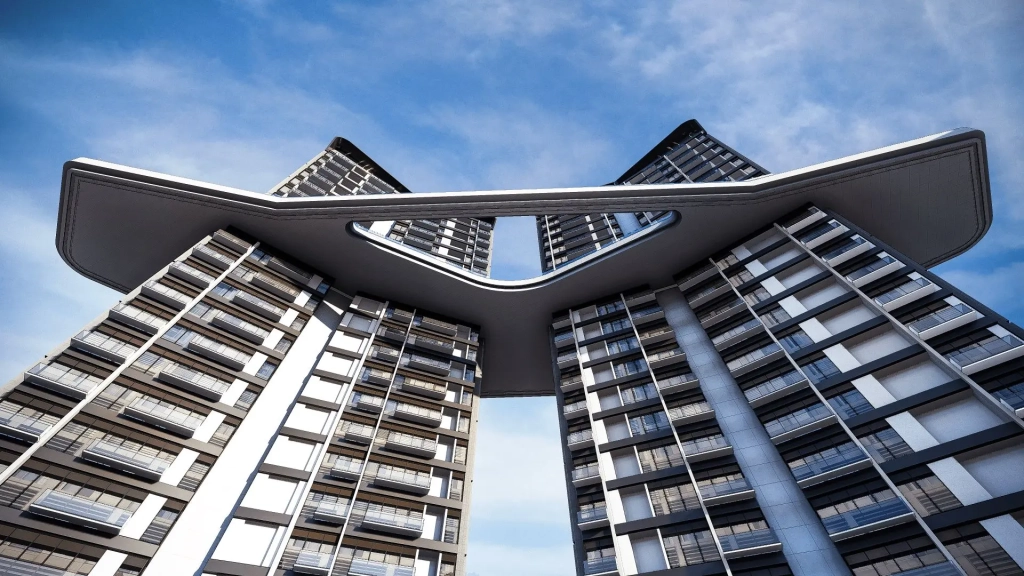
    Elevated sky deck connecting two high-rise residential towers with cantilevered structure, open sky backdrop, articulated tower facades, integrated balcony systems, and clean structural detailing forming a sculptural architectural composition.
    Connecting these two architectural masterpieces is a stunning sky deck, which serves as both a social hub and a vantage point for breathtaking panoramas. This expansive deck is adorned with lush greenery, comfortable seating, and beautifully integrated outdoor amenities, inviting residents to unwind and socialize while enjoying the stunning skyline and surrounding vistas.

    The architecture draws inspiration from the fluid geometries of aquatic forms, interpreted into a sculptural composition that gracefully contrasts the rigidity typical of vertical urban structures. Three towers emerge from a unified podium, each playing a distinct role while contributing to the collective identity of the entertainment complex. The twin residential towers rise at 25 stories each, offering an elevated resort living experience that combines panoramic views with urban conveniences. The upper levels of these towers are seamlessly connected by a floating skybridge that hosts an infinity pool, leisure decks, and curated amenity spaces. This architectural bridge becomes the visual anchor of the entertainment complex, a defining element that commands the skyline and reinforces the project’s distinctive silhouette.

    The entertainment tower rises to 18 stories, serving as the beating heart of the complex. Inside, a multi-layered program unfolds across several levels, housing casino gaming floors, multi-function event spaces, corporate offices, cinemas, theaters, and exclusive VIP lounges. Family-oriented leisure zones, including KTV suites, wellness facilities, and multinational business offices, extend the entertainment complex’s appeal across diverse market segments. Every programmed function has been thoughtfully placed to maximize both operational efficiency and visitor experience, ensuring that the entertainment complex remains active throughout the day and well into the evening.
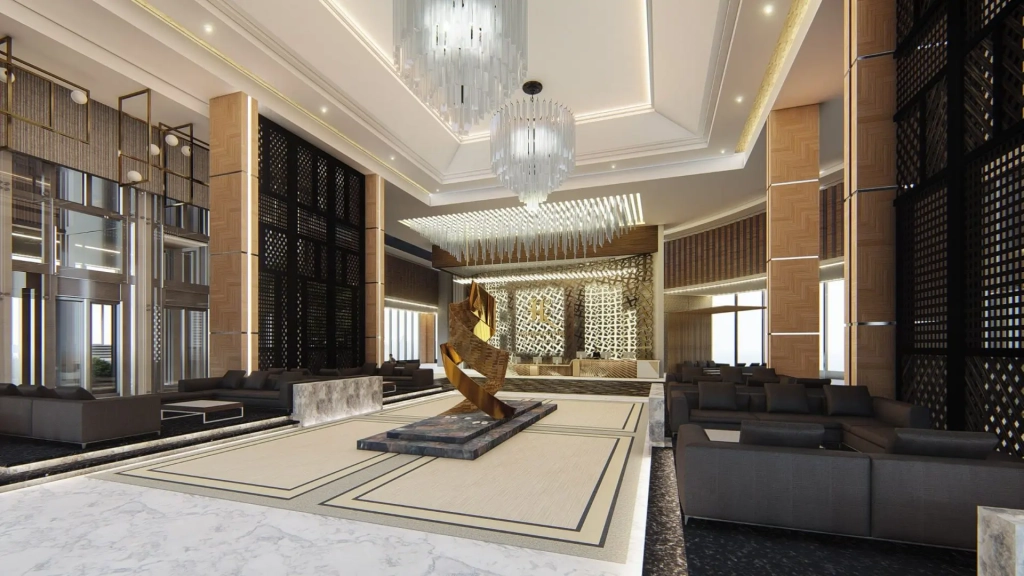
    Hotel lobby interior featuring double-height ceilings, modern chandeliers, central sculptural art piece on raised platform, marble flooring, timber-accented columns, dark upholstered lounge seating, decorative wall screens, ambient lighting, and spacious circulation pathways.
    The hotel’s reception area within the entertainment complex boasts modern, luxurious interiors that welcome guests with sophistication and style. Elegant furnishings, tasteful decor, and innovative design elements come together to create an inviting atmosphere. Upon entering, visitors are greeted by a spacious layout adorned with contemporary artwork and ambient lighting, ensuring a memorable first impression. The attentive staff members are always on hand to assist with any inquiries, further enhancing the experience. This carefully curated environment sets the tone for a relaxing and enjoyable stay, making guests feel truly valued from the moment they arrive.

    The podium design amplifies the monumental scale of the entertainment complex. Bold sculptural voids are carved into the base, framing dramatic entrances and public arrival experiences. The entry plaza is anchored by a grand landscaped roundabout, punctuated by reflecting pools, tropical foliage, and curated lighting that accentuate the arrival sequence, creating a resort-like experience even before guests enter the structure. The urban frontage is softened by lush perimeter landscaping and layered green zones that transition between the vehicular approach and the pedestrian realm.

    At street level, the podium unfolds into a vibrant pedestrian boulevard, where curated retail boutiques, international dining venues, artisanal cafes, luxury service providers, wellness spas, and state-of-the-art fitness centers seamlessly blend into the experience. The design choreographs an active streetscape, inviting daily engagement from both locals and visitors who gravitate to its diverse commercial offerings. Open-air plazas, shaded promenades, and integrated landscape pockets foster a dynamic interplay between indoor environments and outdoor gathering spaces, enriching the resort sensibility of the entertainment complex while sustaining a year-round destination that supports social interaction, leisure, and commerce under one unified architectural vision.

    Architecturally, the entertainment complex embraces a sophisticated palette of glass, metallic finishes, and monochromatic tones that accentuate its contemporary identity. The fluid curvature of the towers introduces a sculptural softness against the city skyline, while verticality is articulated with precision to maintain proportion, rhythm, and elegance. The positioning of each tower takes into account view corridors, privacy zones, wind patterns, and solar orientations, ensuring optimal natural light and ventilation for both private residences and public spaces.
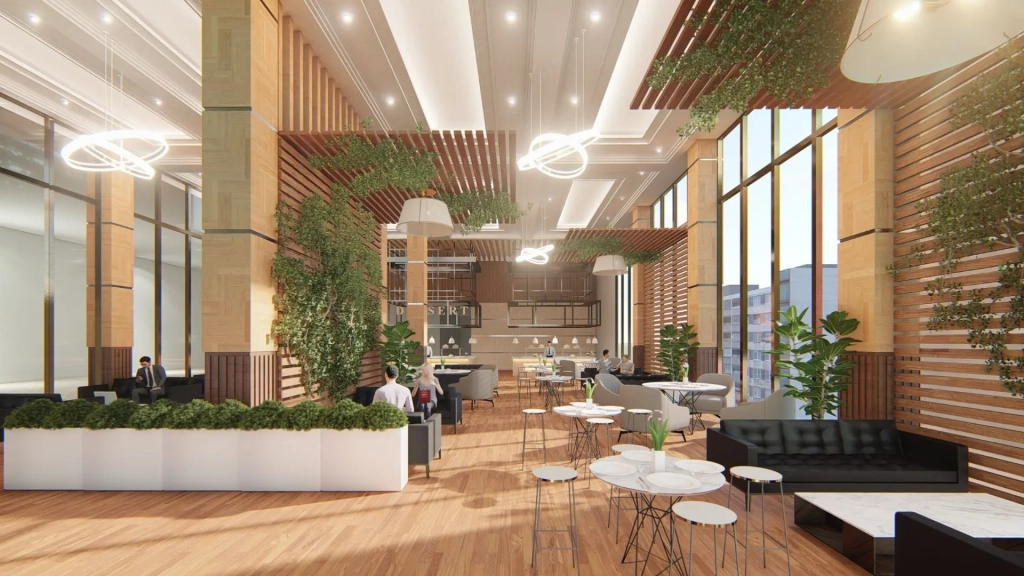
    Modern dining and lounge interior with full-height glass windows, timber slat wall panels, ceiling-mounted circular light fixtures, integrated indoor greenery, warm wood flooring, mixed seating arrangements with round dining tables and black lounge sofas, and open-plan spatial arrangement.
    Incorporating warm-colored interiors creates a harmonious connection between indoor spaces and the natural world outside. By using a palette of soft, inviting hues, these designs evoke a sense of comfort and tranquillity while highlighting the beauty of indoor greenery. Large windows and strategically placed plants allow natural light to flood the space, enhancing the warm tones and creating inviting environments that feel vibrant and alive. This seamless integration of nature within these interiors fosters a sense of peace and well-being, making them ideal for both residential and commercial settings. This approach enhances aesthetic appeal while also promoting a healthier atmosphere by fostering a strong bond between inhabitants and their natural surroundings.

    Supporting this vertical ecosystem is an expansive multi-level parking facility designed to accommodate a significantly larger volume of vehicles, ensuring sufficient capacity for guests, residents, staff, and visitors while preserving the pedestrian-friendly nature of the development’s ground plane. This provides convenient access while maintaining a clean and pedestrian-friendly ground plane. Every functional layer of the entertainment complex has been integrated within a system that values seamless movement, operational clarity, and visual coherence.
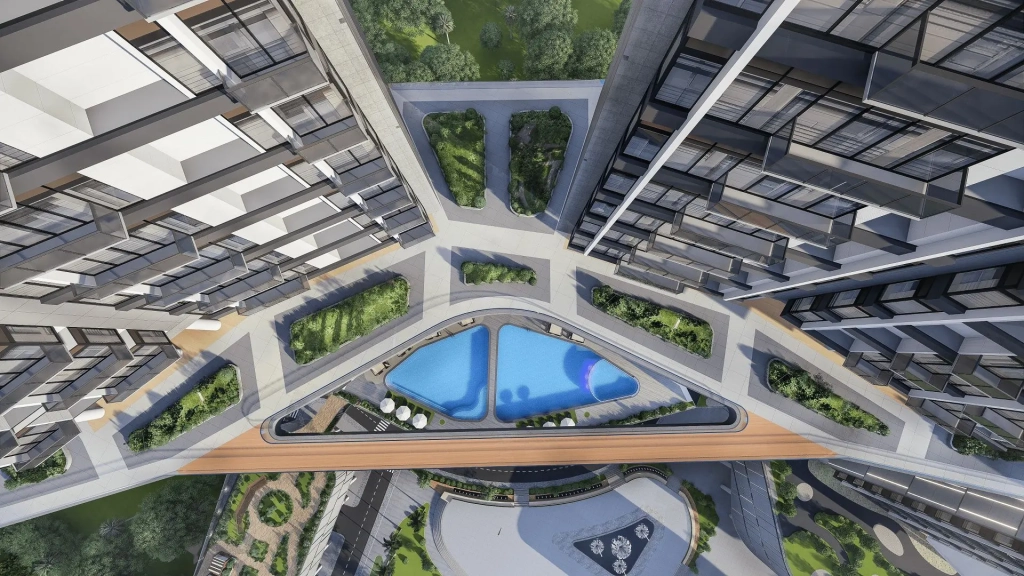
    Aerial top view of twin high-rise residential towers connected by sky bridge, featuring triangular-shaped pool deck with two swimming pools, landscaped garden beds, lounge seating areas, linear planter boxes, pedestrian walkways, road access, and surrounding urban greenery.
    The vantage point offers a stunning view of the recreational amenities available within this resort-themed condominium. This thoughtfully designed space seamlessly integrates leisure and luxury, enabling residents to enjoy a diverse range of outdoor activities. The well-appointed amenities include beautifully landscaped pools, lush gardens, and inviting lounge areas, all set against the backdrop of elegant architectural features. This harmonious connection between nature and modern living creates an ideal environment for relaxation and social gatherings, enhancing the overall experience of resort-style living.

    Beyond its physical footprint, the entertainment complex signifies a deeper narrative for Alaminos and other emerging secondary cities in the Philippines. It presents a development typology that transcends traditional boundaries between resort, residence, and entertainment venue while emphasizing the highly specialized domain of entertainment and gaming architecture. With fully integrated casino gaming floors, VIP gaming lounges, and complementary leisure programs, the entertainment complex demonstrates expertise in orchestrating gaming-centric developments that attract both regional and international gaming markets. The entertainment complex becomes a destination in itself, offering both local and international visitors a multidimensional experience where lifestyle, leisure, and investment opportunities converge within a single vertical community.

    As provincial growth corridors continue to attract attention from both private investors and public stakeholders, developments of this nature will serve as key reference models for future entertainment complex ventures. This integration of architecture, program, and strategic placemaking not only elevates real estate value but sets new standards for how secondary cities can capture tourism, commerce, and urban lifestyle in one cohesive vertical environment.

    Feel free to share!
  • Loop Top Commercial Mall

    Loop Top Commercial Mall

    Situated on a prominent 2,412-square-meter corner lot in Sta. Rosa, Laguna, Loop Top Commercial Mall initiates a thoughtful architectural exploration into how urban commercial forms can transcend prevailing conventions. The design orchestrates a synthesis between built structures, cultivated landscape, and curated pedestrian experience, composing a continuous architectural language that engages both spatial function and environmental responsiveness.

    At its core, Loop Top applies the principle of a unified built envelope organized around a rectangular loop that creates both clarity and flow. The circulation strategy avoids rigid compartmentalization by establishing fluid transitions between interior retail spaces, the central courtyard, and the external environment. In doing so, it fosters an immersive commercial experience that allows visual, spatial, and climatic interactivity throughout the site.

    A view of Loop Top Commercial Mall’s central courtyard showing multi-level retail spaces encircling a landscaped atrium with planted greenery, full-height glass storefronts, continuous walkways, open skylight above, and integrated architectural overhangs enhancing light and ventilation.
    The expansive courtyard functions as the organizational nucleus of the mall, orchestrating the interplay of light, air, and circulation throughout the surrounding spaces. Its open-air configuration introduces vertical permeability, allowing daylight to penetrate deep into the interior zones while promoting natural ventilation across multiple levels. This spatial openness enhances both the aesthetic and environmental performance of the architecture, creating an inviting atmosphere where interior spaces remain visually connected to the landscaped elements and the sky above.

    Project Name: Loop Top
    Location: Sta. Rosa, Laguna, Philippines 
    Site Area: 2,412 sqm 
    Project Area: 6,270 sqm 
    Type: Commercial

    The central courtyard serves as a central organizing void that simultaneously fulfills programmatic and environmental purposes. It invites daylight deep into the plan, facilitates passive ventilation, and offers an open-air spatial anchor that enhances both wayfinding and gathering. The configuration of shops, cafés, restaurants, and service functions wraps around this courtyard, maximizing visibility and access for each commercial tenant while preserving a sense of openness throughout the building.

    The primary feature of the design is its living roof system. The green roof extends across the entire upper plane, forming a continuous sloping landscape that functions not merely as a visual garnish but as a performative architectural element. The planted roof surface enhances thermal regulation, manages rainwater through passive collection strategies, and serves as a multi-functional outdoor amenity for visitors and building occupants. This elevated green space reclaims the open area displaced by the building footprint, allowing for recreational and social activities while restoring ecological continuity.

    An interior view of Loop Top Commercial Mall showing angled atrium openings framing the sloping green roof, upper-level glass balustrades, black stone flooring, multiple retail levels, and landscaped greenery merging interior circulation with sustainable design elements.
    Expansive views of the living roof create a seamless connection between the interior and natural landscape, enhancing the architectural harmony of the space. These elevated vistas enrich the spatial experience by integrating greenery into the occupant’s visual field, while also reinforcing the sustainability objectives embedded within the design. The carefully angled roof surfaces work in concert with natural light and vegetation to soften the built environment, blurring the boundary between architecture and its ecological context.

    Programmatically, the three-level structure accommodates a mix of commercial tenants tailored for flexible occupancy. Banking institutions, lifestyle brands, specialty cafés, and restaurants form the primary retail anchors, responding to both local and transient consumer behaviors. The spatial composition accommodates future adaptability, allowing for the reconfiguration of spaces to suit evolving tenant demands while preserving the integrity of the circulation network.

    A rooftop view of Loop Top Commercial Mall showing sloping green roof terraces with planted grass bands, sculptural white seating elements, hardscape walkways, native vegetation, panoramic city views, and adjacent upper-level retail frontage.
    The expansive green roof of the Loop Top serves as a dynamic living system, enhancing the mall’s aesthetic appeal while also contributing to urban biodiversity. The gently sloping green plane integrates native vegetation and adaptive plant species, creating a sustainable microhabitat within the urban context. This elevated garden promotes ecological continuity while enhancing thermal insulation, reducing the building’s heat load, and offering communal outdoor spaces for leisure and passive recreation. The fusion of functional performance and visual serenity defines the green roof as both an environmental asset and a social amenity.

    At the pedestrian interface, the design manipulates the ground plane through deliberate layering of the landscape. Hardscapes, plant beds, and pathways establish visual continuity that naturally draws movement upwards to the canopy edge. The canopy, in turn, serves as both a shelter and an architectural threshold, mediating between interior spaces and exterior plazas. The sweeping green canopy emerges as the culminating architectural gesture, transforming the roof into a spatial experience rather than a concealed mechanical zone.

    The envelope features slanted walls and integrated wind-scooping canopies to harness prevailing breezes, acknowledging the tropical climatic context. The configuration reduces solar heat gain while allowing consistent cross ventilation throughout public zones. Transparent facade treatments composed of full-height glass reinforce interior-exterior porosity, enhancing daylighting while enabling passive environmental control.

    Unlike monolithic box-like commercial developments, Loop Top asserts an architectural stance that positions the retail environment as an extension of the urban landscape. The deliberate blending of open space, green architecture, and adaptive commercial programming creates a spatial ecology that remains responsive to both environmental performance and urban liveliness. The resulting form does not simply contain retail functions but choreographs movement, light, vegetation, and community engagement into a cohesive commercial structure.

    Feel free to share!
  • Anthurium Hotel and Casino

    Anthurium Hotel and Casino

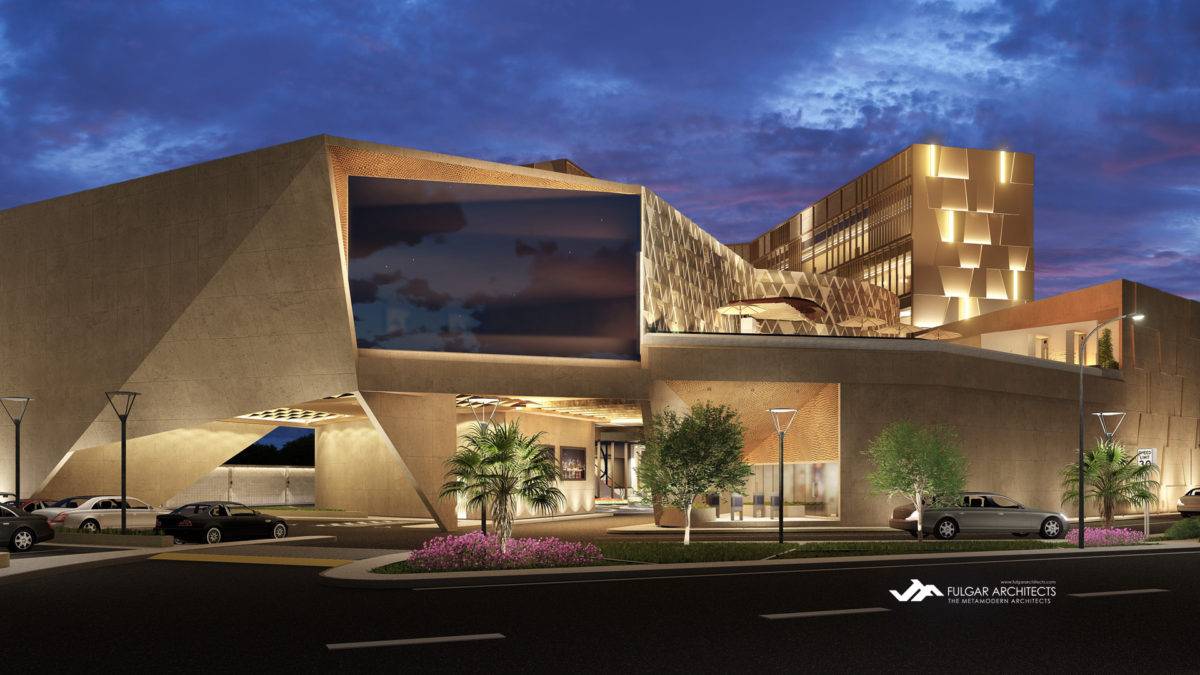
    A proposed hotel-casino complex is being developed in Batangas, Philippines, featuring a striking architectural design with geometric shapes and folded surfaces. The complex will feature extensive gaming facilities, a variety of restaurants and bars, and a stylish sky lounge offering panoramic views. Guests can enjoy well-appointed hotel rooms and luxurious suites, along with a refreshing swimming pool. This destination aims to blend entertainment, leisure, and hospitality in a captivating environment.

    Location: Trapiche, Tanauan City, Batangas
    Site Area: 7,476.00 sqm
    Project Area: 10,505.10 sqm
    Type: Hospitality, Gaming

    Between nature and thoroughfares, between the vertical and horizontal, between monotony and activity: the birth of a new hospitality and leisure hub in Tanauan City, Philippines.

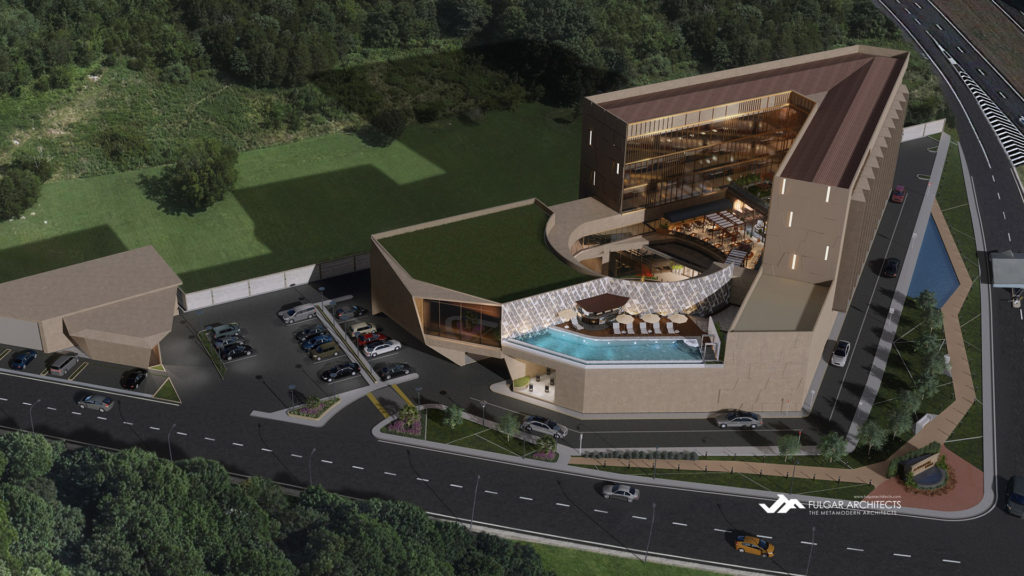
    The proposed Anthurium Hotel and Resort is a five-story hotel-casino-resort complex situated on a 7,476.07-sqm lot. Its unique location between the STAR Tollway Exit and a 20-meter provincial road called for a defining design approach that minimizes inbound traffic noise while maximizing its horizontal spatial leeway.

    Design study for the hotel casino project on a triangular lot.
    A comprehensive study for the hotel-casino project located on a triangular lot includes an analysis of the site’s unique characteristics, zoning regulations, and architectural considerations related to the triangular shape. It should also address potential impact on the surrounding area, traffic patterns, and accessibility for guests. The aim is to create a design that efficiently utilizes the lot while ensuring a functional and aesthetically pleasing environment for visitors and staff alike. Additionally, consider incorporating sustainable practices and amenities to enhance the guest experience.

    The hotel casino project’s response to its main design challenge resulted in an urban design approach that introduces multi-level blocks at varying levels. It combines a panoply of geometric panels adding tactile interest to the overall form. The triangular layout resulted in two distinct points of view, one that is ideal for horizontal visibility, and another enabling a low insertion point as a platform for the entire site.

    Thanks to its unique angular layout, wayfinding inside the building simply follows its natural shape.

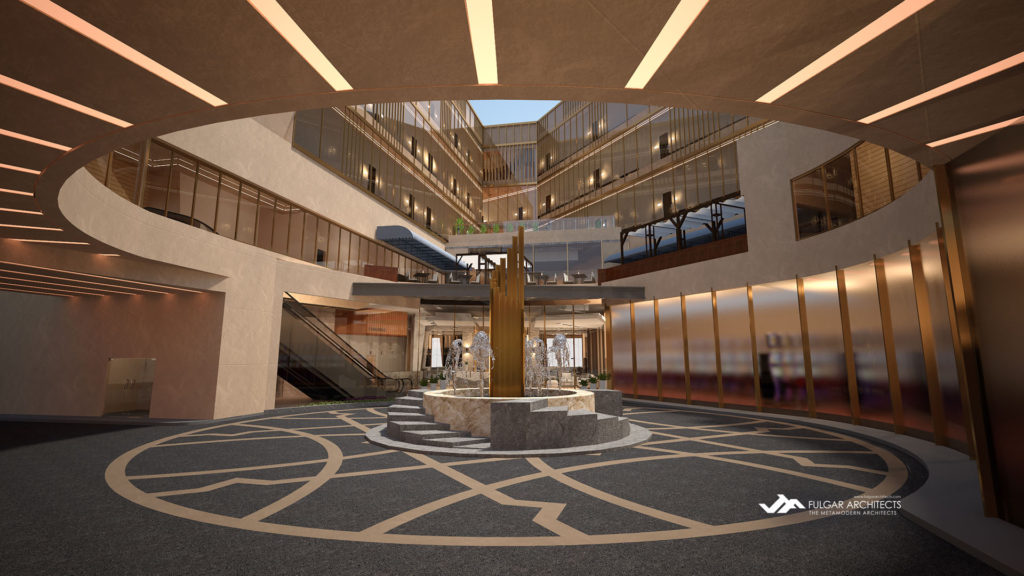
    An open circular courtyard acts as an access anchor for this hotel casino design.
    The open circular courtyard at the heart of the hotel casino serves as a dynamic focal point, intricately woven into the fabric of the complex’s design. This thoughtfully conceived space not only enhances the visual appeal of the hotel but also plays a critical role in promoting both functionality and comfort. Illuminated by natural light, the courtyard’s spacious design fosters a welcoming atmosphere, enabling guests to feel a sense of openness and connection to the outdoors.

    An access platform at a ground level designed for both vehicular and pedestrian use welcomes guests into the secure compound. The triangular building mass is punctured by an inner circular courtyard to enhance that sense of arrival. The open-to-sky roundabout here allows as much natural lighting into the centermost part of the building and the tropical ventilation of the area. Furthermore, it becomes an experiential anchor seamlessly connecting to and from the Al Fresco, 216-sqm ballroom, 319-electronic game machines, casino grounds, lounges, lobbies, parking spaces, and the 63-seater restaurant. Punctuating the project’s transparent façade of fragmented, spatial continuity are decorative columns adding a dramatic streak to the platform.

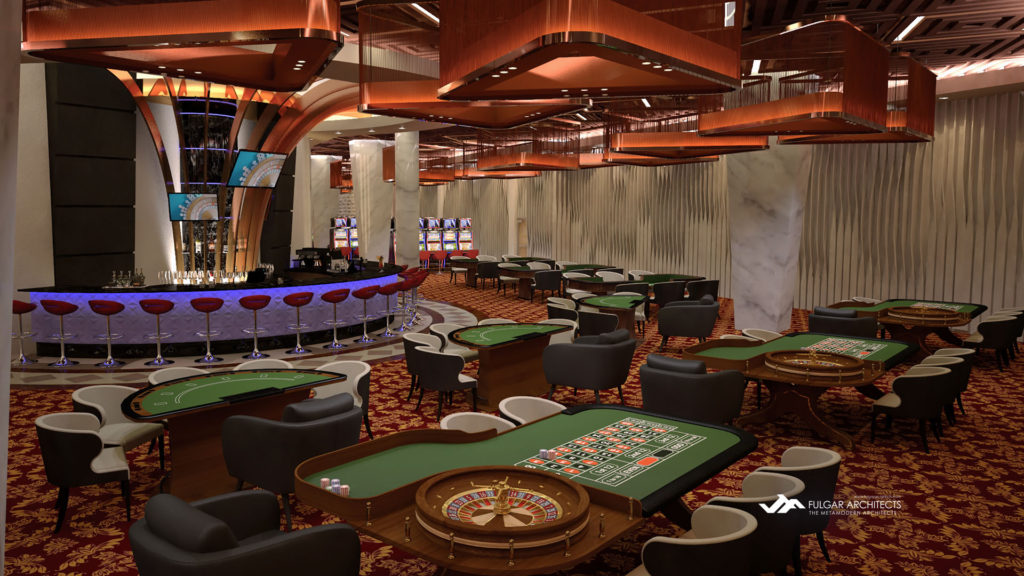
    Casino area with bar showing gaming tables and electronic gaming machines.
    The casino features an inviting bar area where guests can relax and enjoy refreshments while taking in the exciting atmosphere. It showcases a variety of gaming tables for traditional table games, as well as a range of electronic gaming machines, providing ample opportunities for entertainment and winning. Whether you’re a seasoned player or just looking to have some fun, the casino offers an enjoyable experience for everyone.

    Publicly accessible amenities of Anthurium Hotel Casino Resort are on the second floor. The level is divided into a spa and wellness center, an elegant infinity swimming pool with a view of Mount Makiling, a privately secluded VIP casino area, and an in-house buffet restaurant. A two-way escalator help make conveying guests to their designated hotel rooms. The hotel rooms are planned to start with a light density of suites on the second floor to the more robust units from the third to the fifth. The inventory occupied by the 3rd to 5th floors makes up 63 hotel rooms. Other amenities are spread to each level like communal viewing areas, a massive garden roof, a Sky Lounge with 186-seater dining space, mini-bar lounges, and a presidential penthouse. Guests will enjoy utmost discretion to the Sky Lounge from a separate lobby with its own passenger lift located in the building’s northeastern wing.

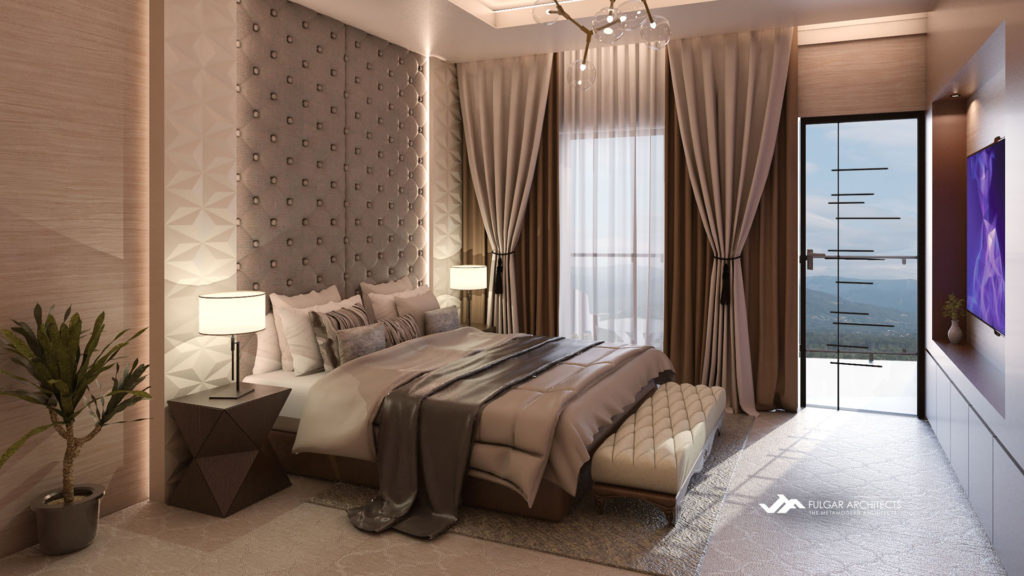
    Proposed interior design theme for the room suites with a view of the mountain.
    The proposed interior design theme for the hotel suites is elegantly inspired by the breathtaking mountain views. Each suite will be designed to create a cozy yet luxurious atmosphere, incorporating natural elements that reflect the surrounding landscape. Warm color palettes and comfortable furnishings will ensure guests feel at home, while large windows will maximize the stunning views, allowing the beauty of the mountains to become a focal point of the experience. This thoughtful combination of design and nature aims to provide a serene retreat for all who visit.

    The generous void created by the circular courtyard echoes upward. Corridors and hotel rooms on the upper floors are also well oriented to conveniently light up with sunlight during daytime as well as continuously induce the flow of breeze inside the building.

    In terms of visual identity, the hotel casino project sets itself apart from its surrounding context through a series of geometric panoplies. This unique form adds a tactile flair amid neutral-colored planes of textured cladding, golden accents, and polished natural stones. A series of sharp, protruding balconies extending outward from the face further echoes the resort’s geometrically-dynamic form.

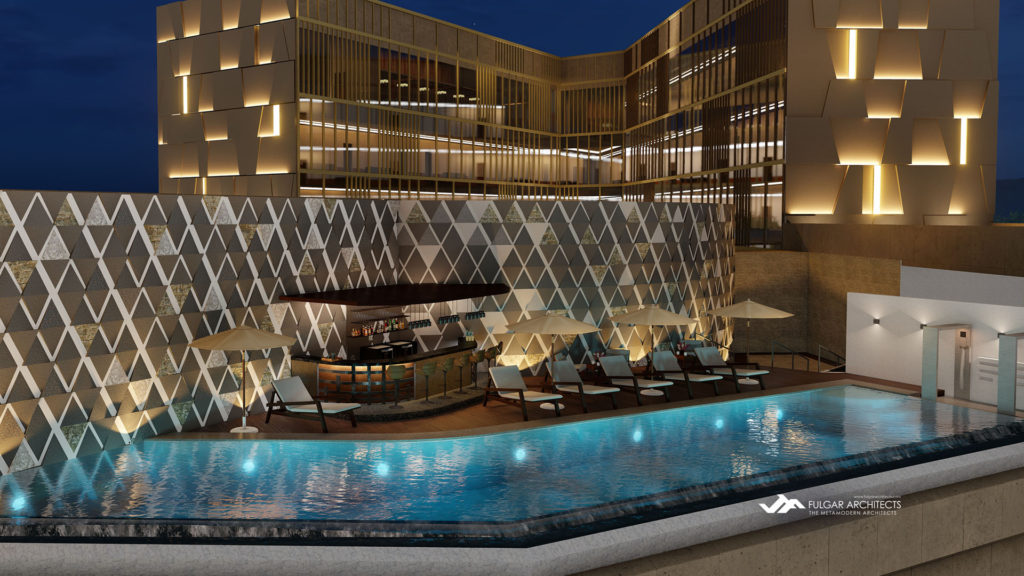
    An infinity pool and wet bar with lounges placed at the more intimate section of the deck.
    The deck boasts an inviting infinity pool, perfect for taking a refreshing dip while enjoying breathtaking views. Adjacent to the pool, a well-equipped wet bar offers a variety of drinks, making it easy to unwind and relax. Comfortable lounges are strategically placed in this more intimate section of the deck, providing an ideal spot for guests to soak up the sun or enjoy a quiet moment. This thoughtfully designed space creates a serene atmosphere for relaxation and leisure.

    With fine attention to detail, interior design played an integral role in establishing the visual identity of Anthurium Hotel and Casino. Various modern patterns and wall decors help express an elegant and exciting atmosphere from common areas to each and every room. From the origami-inspired ceiling patterns to the larger spans of warm cove illuminations of the gaming grounds unifies the entire interior style of the hotel.

    The hotel and casino resort has an almost fragmented architectural design form that translates into a dramatic yet luxurious icon visible from the expressways. The creative interplay of textures and folded exterior interventions delivers a singularity of spatial and visual continuity for the brand of this hotel.

    Feel free to share!
  • The Fortress Subic

    The Fortress Subic

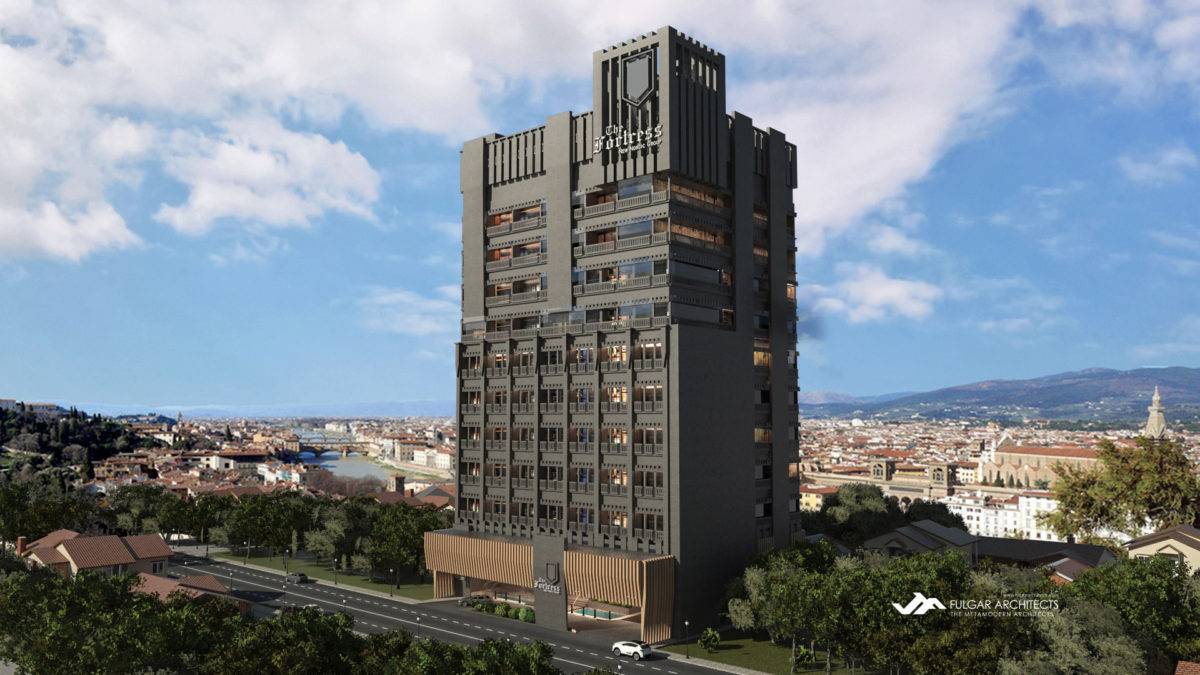
    The Fortress Subic stands as a striking 12-story luxury hotel, its design embodying a harmonious blend of modern and medieval aesthetics that draws inspiration from its counterpart in Angeles. This architectural marvel is conceptualized as a fortified stronghold, where visitors are welcomed into a breathtaking vintage medieval town square that serves as the heart of the hotel. This interior space is meticulously designed to transport guests to a bygone era, complete with cobblestone pathways, charming facades, and intricate details that evoke a sense of history and enchantment. The structure extends vertically, seamlessly connecting the dynamic energy of the lobby to the serene atmosphere of a sky tavern perched at the pinnacle of the building, offering sweeping views of the surrounding landscape.

    Project Name: New Nordic Subic The Fortress Hotel
    Location: Brgy. Barretto, Olongapo City, Zambales
    Site Area: 992 sqm
    Type: Hospitality, Tourism, Wellness

    The essence of luxury continually adapts to each successive cultural epoch. As such, bridging the modern edge of the 21st century and the allure of the Middle Ages into a hotel design may be challenging. However, when executed well, it will present a promising potential, both visually and functionally.

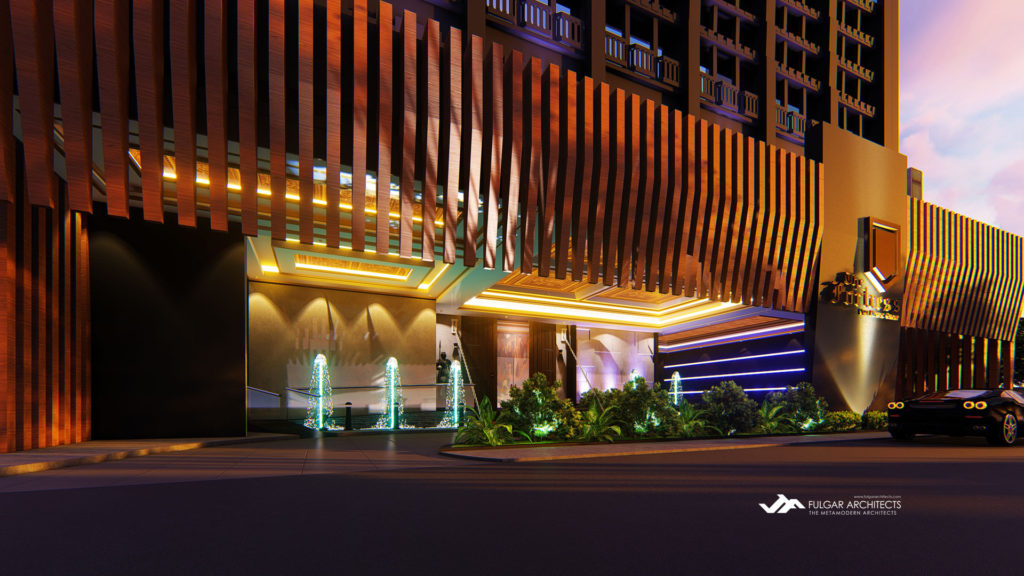
    Entrance canopy of the hotel design with fountains and pseudo moat.
    The entrance canopy of the hotel is designed to create a grand and inviting atmosphere. It features elegant fountains that enhance the overall aesthetic and provide a soothing sound of flowing water. Surrounding the entrance is a decorative moat, adding an element of whimsy and charm, reminiscent of a castle setting. Completing this enchanting entrance is a drawbridge, which adds a unique architectural touch and invites guests to cross over as they enter the hotel. Together, these elements combine to create a captivating first impression for visitors.

    Towering over the city of Olongapo in the province of Zambales are the towers and battlements of its first-ever medieval-inspired hotel and residential condominium. New Nordic Group’s The Fortress Subic is thoroughly a 21st-century hotel design to represent a 5th-century medieval fortress. The visual strategies seamlessly combine the look, feel, and ambiance of two generations together.

    The lot itself is a workable shape that offers a lot of façade and exposure. The principal views lie northwestern, relative to its area. The greater visual volume is gathered in the northwestern and southeastern faces where concentrations of balconies and full-height windows are introduced. Whereas, its northeastern and southwestern faces offer a more private setting.

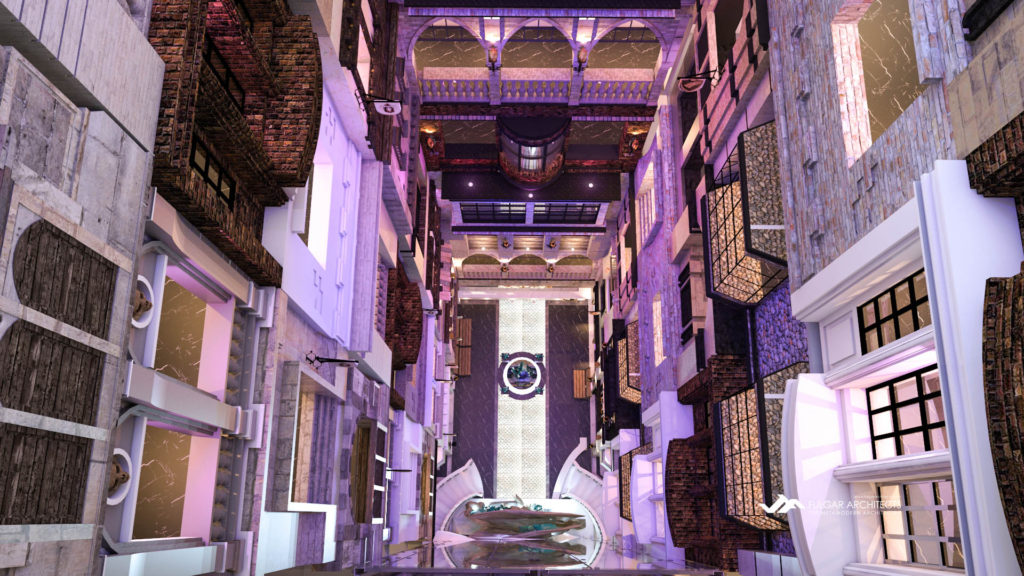
    A vertical medieval town square inside the hotel's open atrium as an attraction.
    The hotel boasts a stunning open atrium that features a unique vertical medieval town square, drawing visitors and guests alike. This charming and picturesque attraction showcases elements of medieval architecture, creating an immersive atmosphere reminiscent of a different time. With its quaint shops, intricate decorations, and vibrant marketplace reminiscent of a bygone era, the town square serves as a central gathering place, providing an enjoyable experience for those who explore it. Whether guests want to relax with a drink, browse the interesting shops, or simply take in the ambiance, the vertical medieval town square offers a delightful escape within the hotel.

    Bridging two distant cultural periods together became an integral part of the hotel design execution. Connections from its surroundings to the building itself, connections from the building to its interiors, and ultimately, its interiors to the guests, bring a continuous conversation between its outer and inner contexts.

    Inviting guests closer to its entrance are small active fountains along the pseudo-moat and a drawbridge at drop-off. Salutations from the two knight statues flanking the 15th-century mood welcome guests to the splendor of medieval-meets-modern glamour.

    At ground level has a grand vista of twin staircases snuggling around a centrally placed panoramic elevator. A glass dragon statue is positioned at the core of this open atrium to add a mystic touch to the receiving areas.

    A replica of a medieval town square unfolds from the hotel’s lobby to its interior corridors leading up to the building’s crown. The theme rises throughout the entire hotel’s indoor open atrium. The rare scene of a unique and modern medieval town square is appreciated looking upwards from the lobby grounds. Thick fortifications of alternating stone and brick-laden walls encapsulate the entire town with hints of old shops and markets. They are composed of protruding Georgian windows with narrow balconies secured by balusters. Multiple colorful banners draped over doorways and storefronts and black ironwork add to the exciting atmosphere. 

    Circulation follows a simple gridiron layout which makes wayfinding straightforward and convenient. Rooms form rectilinear cuboids on each floor to accommodate larger balconies to frame its serene cityscape. 

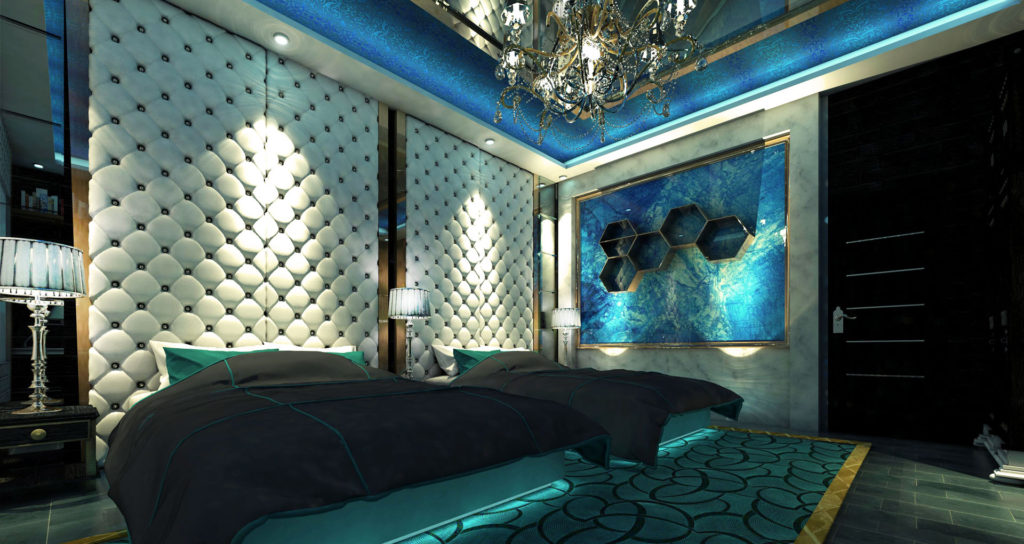
    The two-bed suite proposed interior design under the House of Aqua theme.
    The proposed interior design for the two-bedroom suite is inspired by the House of Aqua theme. This design concept incorporates aquatic elements and a calming color palette reminiscent of water, creating a tranquil and refreshing atmosphere for guests. The suite will feature flowing lines, soft textures, and a blend of blues and greens to evoke a sense of serenity. Furniture will be chosen for both style and comfort, ensuring that the space is not only visually appealing but also inviting and functional.

    The upper floors offer both condominium units and hotel rooms. Comprising 84 suites divided into five typologies, each hotel room owns a unique concept inspired by the earth’s elements. A hotel room can fall under the house of Terra (earth), Aqua (water), Ventus (air), Ignis (fire), and Arbor (forest). Each room promises a unique experience reflected in each orchestrated palette of colors, textures, and unexpected elemental accents of the house they belong in. 

    All rooms are equipped with large-facing windows and an open terrace. Higher-end rooms are integrated with dipping pools and water jet tubs. The hotel design is oriented in a way that rooms could take advantage of the varying views of the mountains, sea, or lush greeneries. The openness of these rooms equally allows the passage of daylighting and ventilation to each floor.

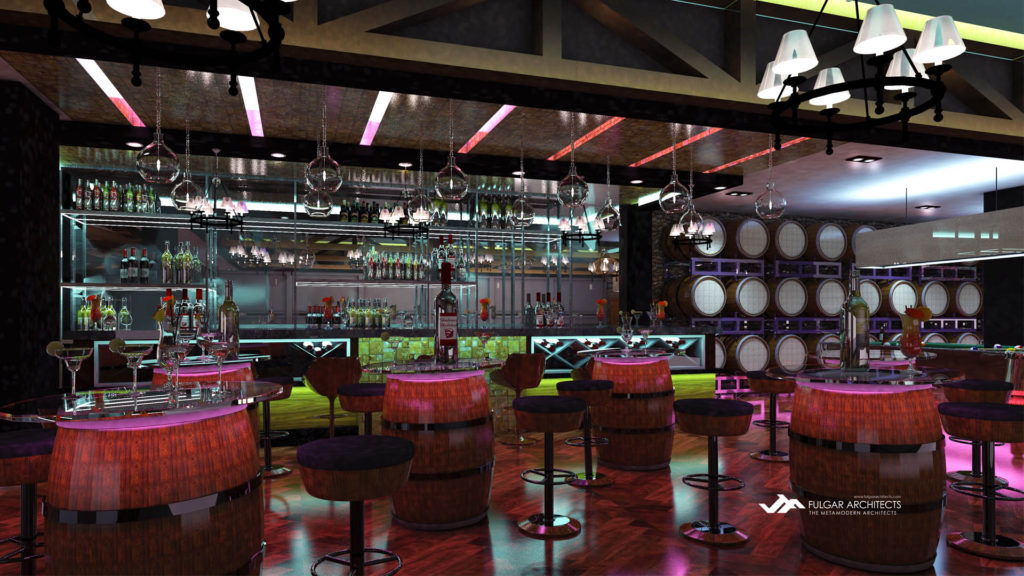
    Game room and entertainment bar at the Sky Tavern as part of the hotel design.
    The Sky Tavern boasts a vibrant game room alongside a lively entertainment bar. The game room offers a variety of games, providing an engaging space for guests to enjoy friendly competitions. Meanwhile, the entertainment bar serves a selection of beverages and light snacks, creating a perfect atmosphere for socializing and relaxation. Whether you’re looking to challenge friends to a game or unwind with a drink, the Sky Tavern has something for everyone.

    A floating sky tavern is nestled on its top floor. The sky tavern is a whole floor of entertainment bars with a variety of recreational spaces. Activities with various medieval-themed installations include barrel-shaped tables, pool tables, lounges, and a mechanical bull as the main sport. The hotel is also opening opportunities for a unique dining experience with its premium steak and barbeque restaurant on this floor.

    The hotel’s crown hides a private roof deck with majestic views of the present Olongapo skyline as well as culminating in the romantic ambiance established throughout the building’s interior core. 

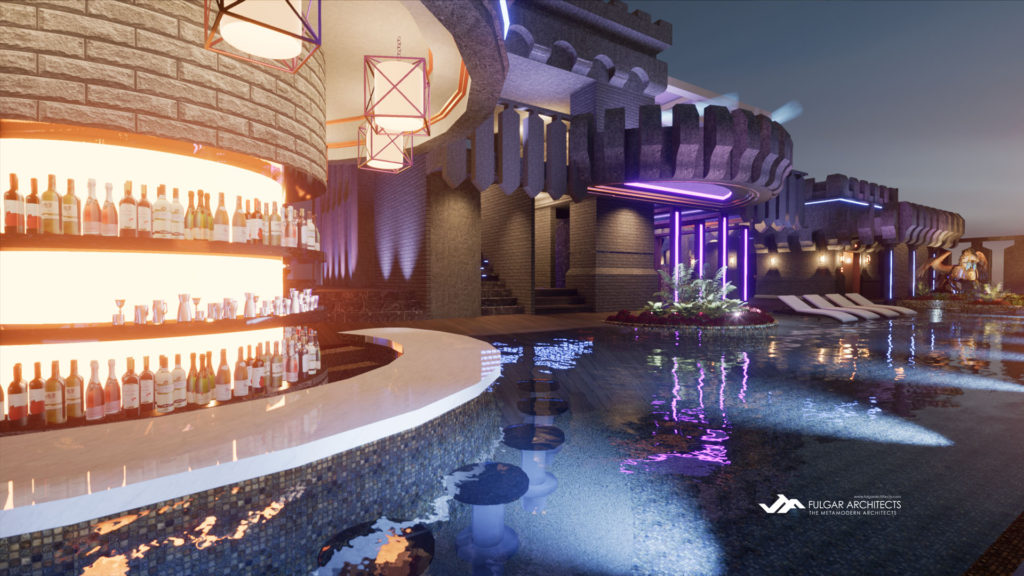
    The hotel design includes a wet bar and swimming pool at roof deck.
    The hotel’s design features an elegant wet bar and a stunning rooftop swimming pool. This exclusive area is designed to provide guests with a luxurious, relaxing atmosphere where they can enjoy breathtaking views while sipping their favorite cocktails and taking a refreshing dip in the pool. The rooftop deck will serve as a perfect social space for guests to unwind and make the most of their stay.

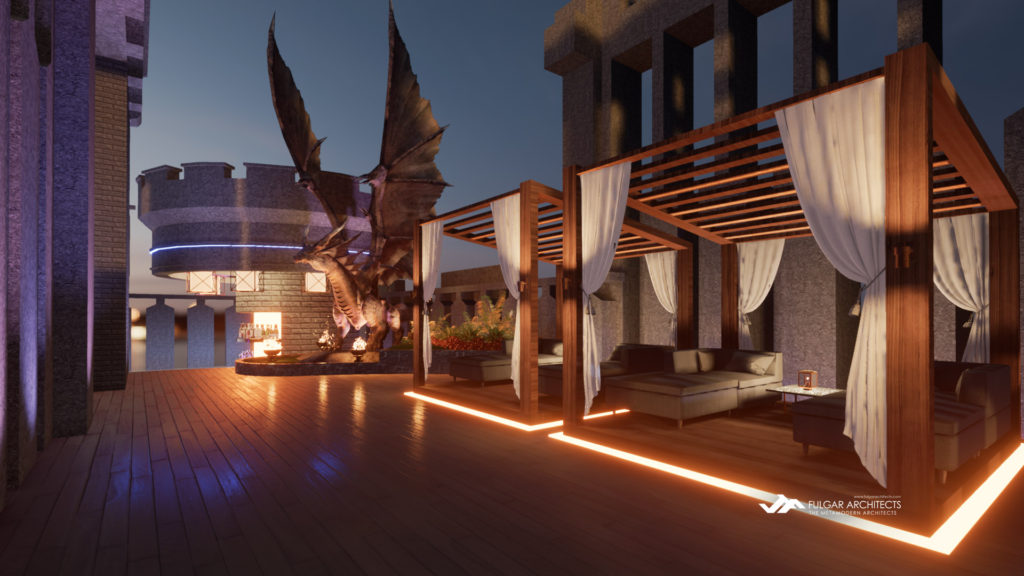
    A sequence of the crenulated battlement parapets and a crowning apex protect the roof deck amenities. The open roof deck is divided into two zones, on one side the Skydeck dining and lounging beds while the other is a sunken wet bar built into an infinity pool. An elevated music booth straddles these zones and transforms the hotel roof deck into a party place for both entertainment and chill back relaxation. 

    Cabanas and dragons found at The Fortress Subic's open roof deck amenities.
    The Fortress Subic offers a unique experience with its open rooftop amenities, where guests can relax in comfortable cabanas and enjoy the enchanting dragon-themed décor. This space is perfect for unwinding, socializing, or simply taking in the beautiful views. Whether you’re looking to spend a leisurely afternoon or host an event, the rooftop area provides a stunning backdrop for a memorable experience.

    Conceived as the modern-day update of fortress architecture, The Fortress Subic is a standout hotel design capturing the dynamism of medieval, modern, and mystic design elements. This hospitality hotspot definitely unifies two centuries together in a well-planned architectural statement.

    Feel free to share!
  • Mars Ravelo Komiks Museum

    Mars Ravelo Komiks Museum

    This innovative museum design serves as a heartfelt tribute to a beloved Filipino komik graphic novelist, celebrating their significant contribution to the world of graphic storytelling. The architecture draws inspiration from the unique properties of paper, reflecting its flexibility and adaptability. The gallery cores are characterized by dynamic geometric forms that not only create an engaging visual experience but also seamlessly blend with the undulating landscape of Tagaytay. This thoughtful integration enhances the surroundings, allowing the museum to sit naturally within the rolling terrain while inviting visitors to explore the vibrant world of Filipino illustration and writing in a setting that is both inspiring and reflective of the local culture.

    Project Name: Mars Ravelo Museum
    Location: Brgy. Neogan, Tagaytay City
    Site Area: 21,000 sqm
    Type: Museum, Institutional

    For decades, komiks and animations have been considered an integral part of everyone’s childhood, and our studio has developed these into a memorable, sophisticated architectural form.

    Comic museum design as tribute to Mars Ravelo by best modern Filipino architect Ian Fulgar.
    The design of the comic museum is a heartfelt tribute to Mars Ravelo, who is celebrated as the first Filipino graphic novelist. This museum aims to honor his significant contributions to the world of comics and storytelling in the Philippines. Through its innovative architecture and carefully curated exhibits, the museum will showcase Ravelo’s iconic works and highlight the impact he has had on Filipino culture and the comic book industry. By recognizing his legacy, the museum aims to inspire a new generation of artists and writers, ensuring that his influence endures for years to come.

    The initiative for the Mars Ravelo Museum, a tribute to a well-loved Filipino komiks graphic novelist, creates a platform that unites the worlds of art and entertainment into a single architectural space. By utilizing one of the comic’s most essential materials, paper, as the conceptual force behind the museum design, it serves as the physical channel to embody fantasy, animation, and our childhood.

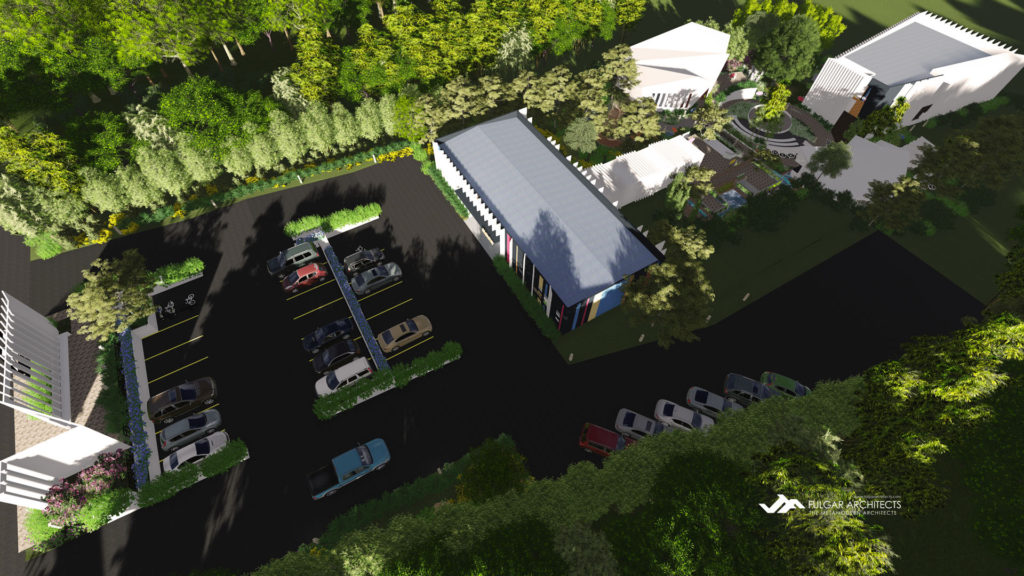
    Paired with the undulating terrains of Tagaytay City, this is where 2D animations scribbled on paper come alive. Carefully crafted to evoke a childlike experience, the site allows visitors to hop gleefully from indoor to outdoor, then back to the museum’s indoor curiosities. The property is divided into two main zones, the main building and the museum premises, connected by a 445-sqm pedestrian paved area.

    The minimal footprint of the buildings is designed to fit the site topography, while also allowing for more outdoor green spaces. Upon arrival, visitors pass through a conditional corridor that transitions from reality into a thrilling quest of folklore, superheroes, and villains fueled by the endless imagination and creative expression of our own.

    The architectural forms of the museum cores are inspired by the flexibility of paper.
    The architectural design of the museum showcases forms that are inspired by the flexibility and versatility of paper. This unique approach reflects the transformative qualities of paper, allowing the structures to embody fluidity and creativity. By integrating these elements into the museum’s design, we create an inviting space that encourages exploration and interaction, making the visitor experience both engaging and memorable.

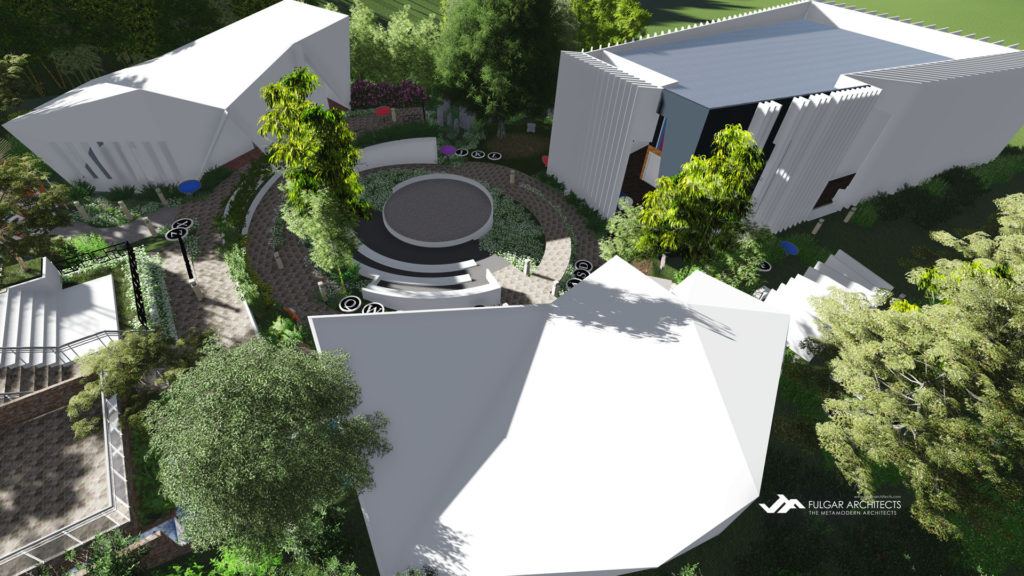
    The museum façade is adorned with a subdued relief of white insulated panels and vertically louvered walls, perfectly capturing its main design imagery of crisp paper pages. Its monochromatic white facade piques the curiosity of its visitors before eventually welcoming them into a world of fantasy. Galleries commemorating each renowned hero and villain are distributed in the museum’s three main cores. Each of the cores’ irregular shapes allows for unique and versatile exhibitions. The “Hall of Heroes” is presented in a chronological line that starts with the lobby, the multimedia room, and the “Tunnel of Villains.”

    The two remaining cores unfold into a spacious gallery with a covered lanai partitioned by curtain glass. Unifying the three museum cores is a circular courtyard surrounding a stage, a monument, and an amphitheater.

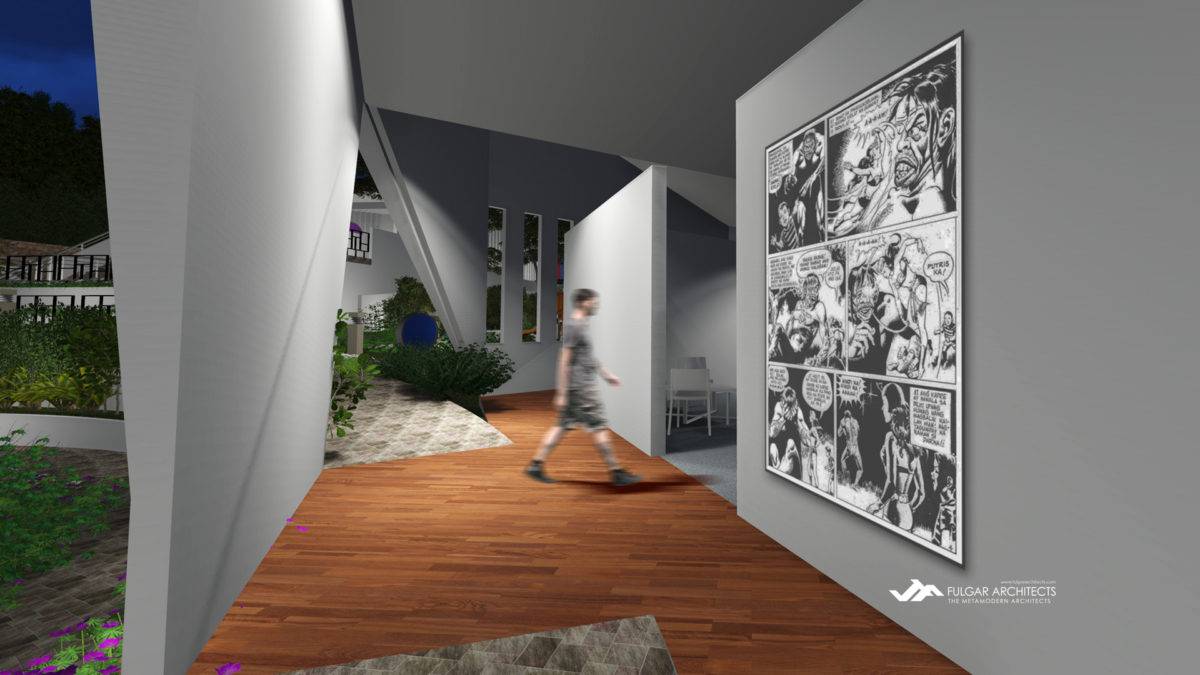
    Transporting visitors to the fantasy world through the conditioning corridor in this museum design.
    Visitors are taken on a journey to a fantasy world through the specially designed conditioning corridor. This corridor serves as a transformative pathway, immersing guests in a captivating experience that prepares them for the adventures that lie ahead. As they progress through the corridor, they will encounter enchanting visuals and sounds, designed to heighten their senses and spark their imagination, ultimately ushering them into a magical realm filled with wonder and excitement.

    Subtle personal accents, such as typewriter-inspired seats and talk bubbles as signage, create a more intimate connection with the museum’s gardens and outdoor spaces. Among the key attractions of the museum’s landscape are various folklore-inspired areas that celebrate the Philippines’ rich cultural heritage and mysticism. These include the “Bamboo Gardens,” a small pocket garden with two passageways of bent bamboo – a commemoration of the country’s most elastic superhero.

    Deeply inspired by the promising yet straightforward properties of paper, this Komik Museum design is a creative endeavor that challenges the power of human imagination and artistry. A paradox of reality and fantasy, showing how architecture can immortalize the impact of Filipino komiks into physical space, one paper at a time.

    Feel free to share!