

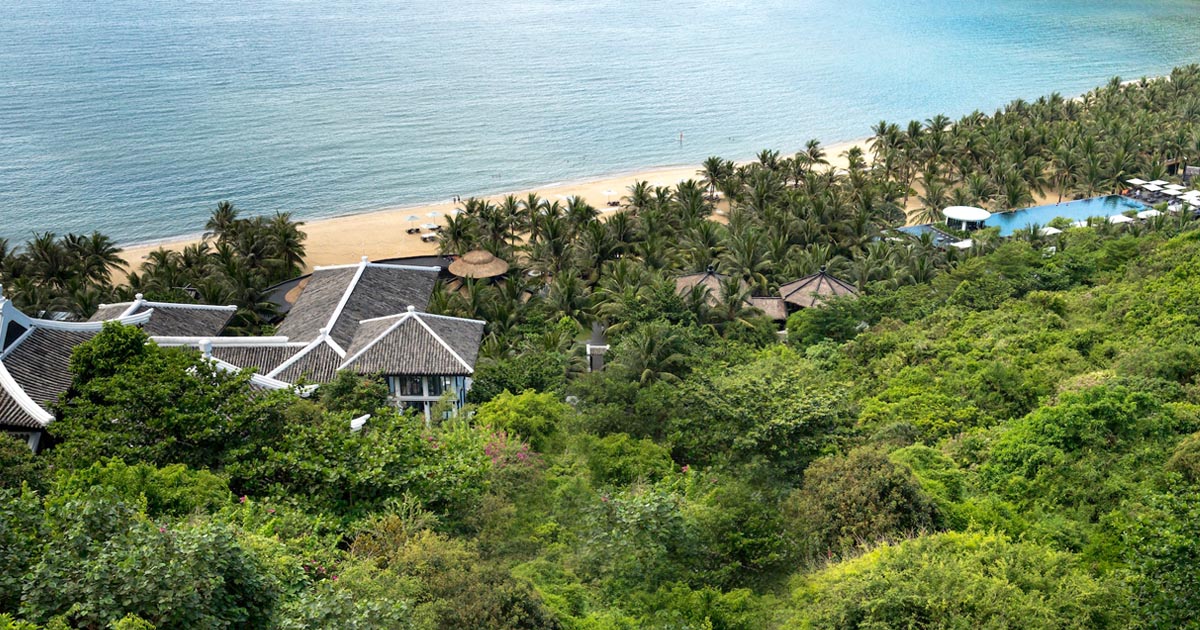
The concept of an assisted living eco-tourism resort is a novel and exciting development in the real estate industry. This innovative business model combines the comfort and care of assisted living facilities with the beauty and sustainability of eco-tourism resorts. It caters to a growing market of seniors and the physically challenged with disposable income for leisure and wellness investments. The idea is to create an untapped market for those in their retiring or senior years to live in a resort community where they are taken care of, with nature-centric amenities. The venture allows them to mingle and be active with similar age groups in a setting that promotes sustainability and respect for nature. The development of an assisted living eco-tourism resort involves various aspects, including the business model, architectural planning and design considerations, and the multiple roles of the developer. Each of these components is essential for the successful execution of such a project.
The Business Model For assisted living eco-tourism resort
The assisted living eco-tourism resort model is a compelling proposition for property developers and investors. This model’s profitability stems from several factors. Firstly, the target market – seniors and the physically challenged with disposable income – is expanding. As life expectancy increases and healthcare improves, more people seek ways to enjoy their retirement years in comfort and style. This growing demand translates into a steady stream of revenue for these resorts.
Secondly, the rise in wellness and leisure investments indicates a shift in consumer preferences. People are increasingly willing to pay a premium for experiences that enhance their health and well-being. This trend aligns perfectly with the nature-centric amenities of eco-tourism resorts, making them an attractive investment option.
Thirdly, the business model allows for various forms of ownership, including fractional shares and time-sharing. Fractional ownership is a method of property ownership where several buyers purchase shares in a property. This approach allows investors to own a piece of the property without bearing the total cost of ownership. In time-sharing, on the other hand, buyers purchase the right to inhabit a unit of real estate during specified periods. Both these models make property ownership more accessible and affordable, attracting a broader range of investors.
Additionally, the model includes a profit-sharing component for investors, making it an attractive investment opportunity. Through profit-sharing arrangements, investors, including Overseas Filipino Workers (OFWs) and foreigners who desire to retire in a tropical country, can anticipate a return on their investment.
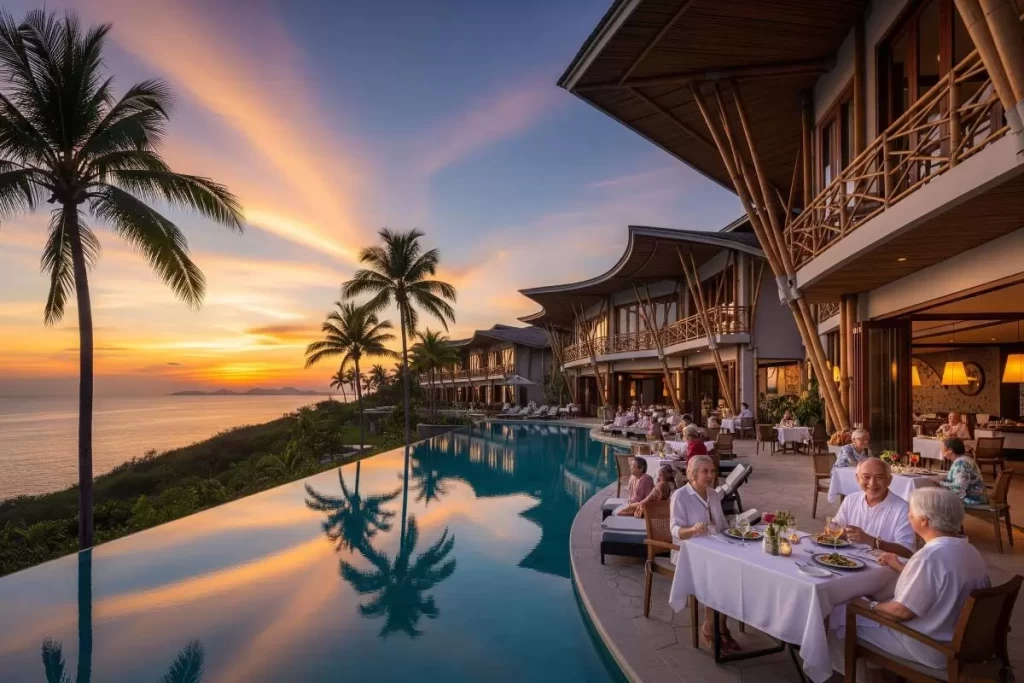
However, it’s important to note that while this business model has the potential for high returns, it also comes with its share of continuous overhead. One significant cost is the provision of professional care. Assisted living facilities typically employ a team of caregivers, nurses, and other healthcare professionals to cater to the residents’ needs. These labor costs can be substantial as they include wages, training, and benefits for the staff. Despite these costs, the demand for high-quality care in a comfortable and attractive setting makes this a profitable business model.
Architectural Planning and Design Considerations
Designing an assisted living eco-tourism resort is a challenging endeavor that requires a comprehensive understanding of the specific requirements of the target demographic, the principles of sustainable design, and the hospitality industry’s competitive landscape. There are numerous architectural, engineering, interior design, and landscaping considerations to ensure the success of such a project.
Accessibility and comfort must come first in terms of the design. This priority includes designing spaces that are accessible to those with physical limitations and providing amenities that appeal to their specific requirements. For instance, ramps and railings can be incorporated into the design to improve mobility, and rooms can be outfitted with emergency call systems to increase safety.
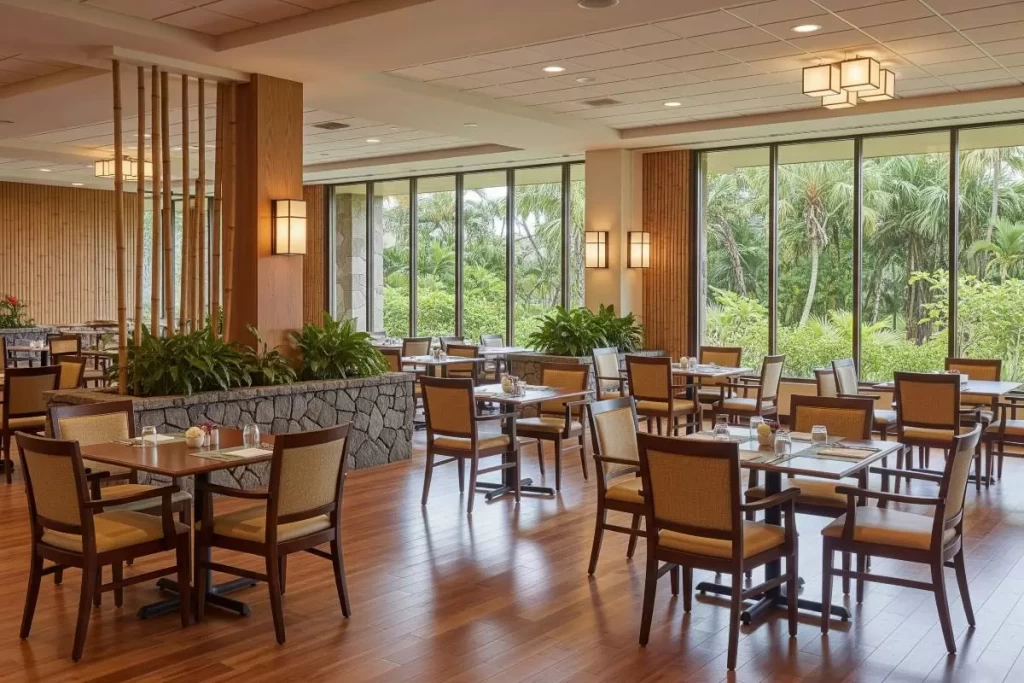
Secondly, the design should promote social interaction among residents. Planning must incorporate communal spaces such as lounges, dining areas, and activity zones. These spaces provide opportunities for residents to socialize and contribute to their overall well-being.
Regarding sustainability, the resort’s design should strive to minimize its environmental impact by employing eco-friendly construction materials, energy-efficient appliances, and renewable energy sources. For instance, the project could utilize solar panels for electricity generation, rainfall collection systems for water supply, and locally sourced building materials.
Safety and security are also of the utmost importance, particularly when considering the senior population, and this includes everything from secure entrances and exits to round-the-clock security personnel and readily available fire suppression systems.
There is also the possibility of using innovative design ideas to give the resort a competitive edge. For example, biophilic design incorporates natural elements into the constructed environment and can create a distinctive and aesthetically pleasing style. Architects can enhance well-being intentions by implementing specific nature-inspired strategies. Therefore, an assisted living eco-tourism resort would benefit tremendously from implementing them.
Lastly, the design should reflect the resort’s brand identity. The exercise could involve using a specific color scheme, architectural style, or design motif throughout the resort. By creating a consistent and recognizable brand identity, the resort can differentiate itself in the market and attract a loyal customer base.
Assisted Living Eco-tourism Resorts In Asia
Several examples of resorts have successfully integrated eco-tourism and senior living concepts, providing inspiration for potential developers in the Philippines.
Malaysia
Eden-on-the-Park is Malaysia’s first integrated senior living resort with an adjacent nursing home. Located in Kuching, this state-of-the-art development promotes the concept of aging in place with dignity. It spans 8 acres of land in the Samarahan district, just a short drive from Kuching City and the airport. The resort offers a variety of amenities and services designed to cater to the needs of seniors, all while maintaining a solid commitment to sustainability and eco-friendly practices.
The approach to senior living in this Malaysian resort, which merges residential living with healthcare support, signifies a substantial progression in the delivery of senior care in the country. Establishing a resort-like environment where seniors can relish their retirement while having access to the care they require is pioneering a new standard for senior living in the nation.
Vietnam
In Vung Tau, Vietnam, retirees can find various living options that cater to different budgets and lifestyles. The city, located on a small peninsula jutting out into the South China Sea, has a rich history as a trading port, a retreat for Vietnamese royalty, and a resting spot for soldiers during the Vietnam War.
Today, Vung Tau offers a range of accommodations for retirees. Rents start at around $200 per month, making it an affordable option for many. For those seeking a more luxurious lifestyle, there are homes with panoramic ocean views that rarely exceed $600 per month. For those who want to live in style, luxury villas with private pools and ocean scenery are available for $3,000 or less monthly.
While specific amenities of retirement villages in Vung Tau may vary, residents can generally expect to enjoy the city’s natural beauty, including its beaches and ocean views. The city’s history and culture also add to its appeal, offering retirees a unique and enriching living experience.
Thailand
Care Resort Chiang Mai in Thailand is a luxury adult care retirement facility offering a blend of ‘independent living with care’ and ‘close care’. With on-site nursing and care support, the resort is committed to high-quality care and upholding each resident’s independence, choice, and dignity. The facility provides a level of comfort that residents may not find in their home countries, making it an appealing option for retirees.
The resort’s accommodation includes beautiful, disabled-accessible villas nestled within expansive gardens. Alarms connect to a central nursing/care station, and the resort provides transport with a hydraulic wheelchair lift, making it an excellent venue for disabled vacations. Additionally, the resort has a boutique memory care facility catering to Alzheimer’s and other dementia cases.
Beyond its care services, Care Resort Chiang Mai offers a variety of activities and excursions. Residents can enjoy physical activities such as Pilates, Zorba dance, Tai Chi, Yoga, stretching, and aqua aerobics, or relax in the resort’s vast gardens featuring over 1000 trees and a lake. They organize excursions for shopping, religious services, sightseeing, and local community tours, providing residents with a well-rounded and enriching living experience.
Activity Centers for assisted living eco-tourism resort
Creating an engaging and vibrant environment for seniors in an assisted living eco-tourism resort involves incorporating a variety of activity centers that cater to their diverse interests and abilities. These centers can provide opportunities for social interaction, physical activity, and mental stimulation, contributing to the overall well-being of the residents.
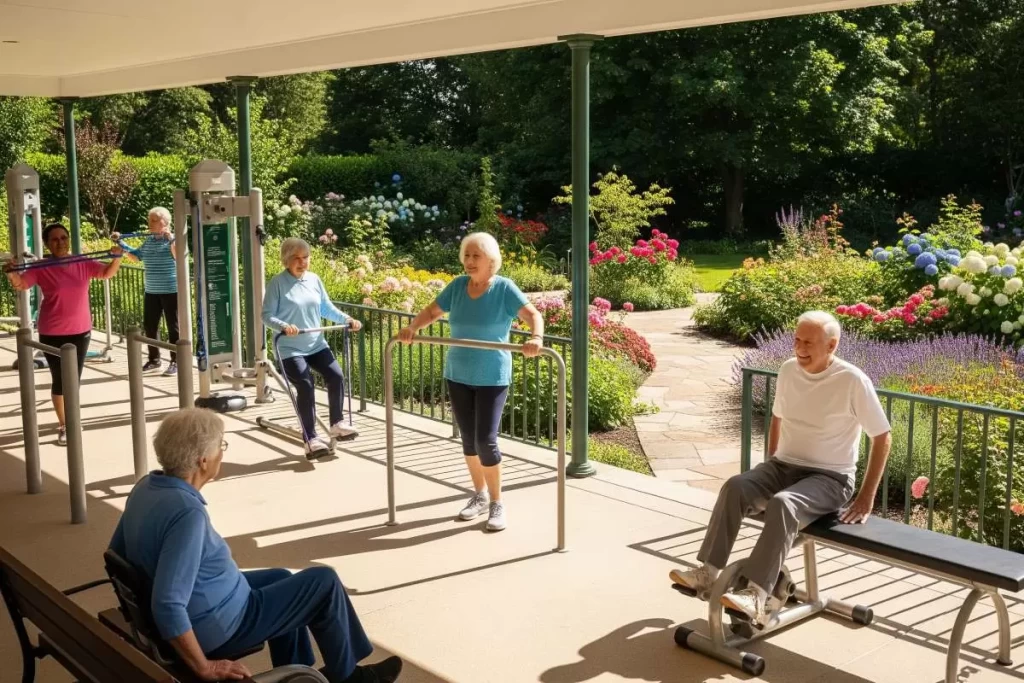
Fitness Center: A senior-specific fitness center can provide a variety of low-impact exercises that meet their requirements. Yoga classes that emphasize flexibility and balance, tai chi sessions that cultivate mindfulness and coordination, and water aerobics classes provide a fun and low-stress way to remain active. Not only do these activities promote physical health, but they also offer opportunities for social interaction.
Art Studio: An art studio can provide a creative outlet for residents. Examples include painting classes where residents can express themselves creatively and learn new techniques, pottery classes that offer a tactile and therapeutic experience, or craft workshops where residents can create their handmade items. These activities can provide mental stimulation and a sense of accomplishment.
Gardening Area: A designated gardening location can allow residents to interact with nature and cultivate plants. Guests could grow vegetables, tend to flower beds, or join a community garden project. Gardening can provide physical activity, reduce stress, and promote a sense of community.
Game Room: A game room can provide a space for residents to socialize and engage in friendly competition. The setup could include traditional board games, card games that can stimulate memory and cognitive skills or even interactive video games that provide light physical activity and fun.
Learning Center: A learning center can offer workshops and classes on various topics, from cooking classes where residents can learn new recipes and nutrition tips to technology workshops that teach residents how to use smartphones or the internet or language classes that provide mental stimulation and cultural exploration.
Spa and Wellness Center: A leisure and wellness center may offer various services that promote relaxation and health. Massages can reduce tension and increase blood flow. Facials encourage skin health and wellness therapies like aromatherapy and meditation.

Outdoor Recreation: Outdoor spaces can provide walking trails that promote exercise and a chance to enjoy nature, bird-watching areas that offer a peaceful and engaging hobby, or fishing ponds that provide relaxation and a sense of accomplishment.
Ballroom Dancing: A dance studio can be a lively addition to the activity centers. Offering ballroom dancing classes can be an excellent way for residents to stay active, improve their balance and coordination, and enjoy social activities. Dancing is fun and provides cognitive benefits as residents learn new steps and routines. Plus, it’s a beautiful opportunity for social interaction and can even be a glamorous event in the evenings, giving residents something to look forward to. With the right music and atmosphere, a dance studio can bring much joy and energy to an assisted living eco-tourism resort.
The Dual Role of the Developer
The role of a developer in an assisted living eco-tourism resort is multifaceted and requires a deep understanding of both the hospitality and healthcare industries. Developers are responsible for the vision and maintenance of the resort and play a crucial role in its operation and promotion.
As the resort’s manager, the developer is responsible for ensuring they meet residents’ requirements. They are responsible for overseeing healthcare services, managing the personnel, and maintaining the facilities and amenities. Additionally, the developer must ensure that the resort complies with all applicable regulations and standards, especially healthcare and accessibility.
In addition to administering the assisted living eco-tourism resort, the developers operate the resort’s hotels. They are responsible for the hotel’s daily operations, including client services, housekeeping, and food and beverage services. Developers are committed to ensuring that the hotel provides superior service and meets visitors’ expectations.
Promoting the resort as a destination in the Philippines is another crucial role for developers. Marketing the resort to potential guests and investors, both locally and internationally, is part of this role. Developers highlight the unique features and benefits of the resort, such as its eco-friendly practices, high-quality healthcare services, and luxurious amenities.
Developers must also strive to make their resorts stand out in the competitive hospitality market. Strategies include creating a unique brand identity for the resort, offering unique experiences or amenities, or leveraging the natural beauty of the resort’s location. For instance, a developer could set their assisted living project apart by offering unique wellness programs, incorporating local culture and traditions into the resort’s offerings, or designing the resort to provide stunning views of the surrounding landscape.
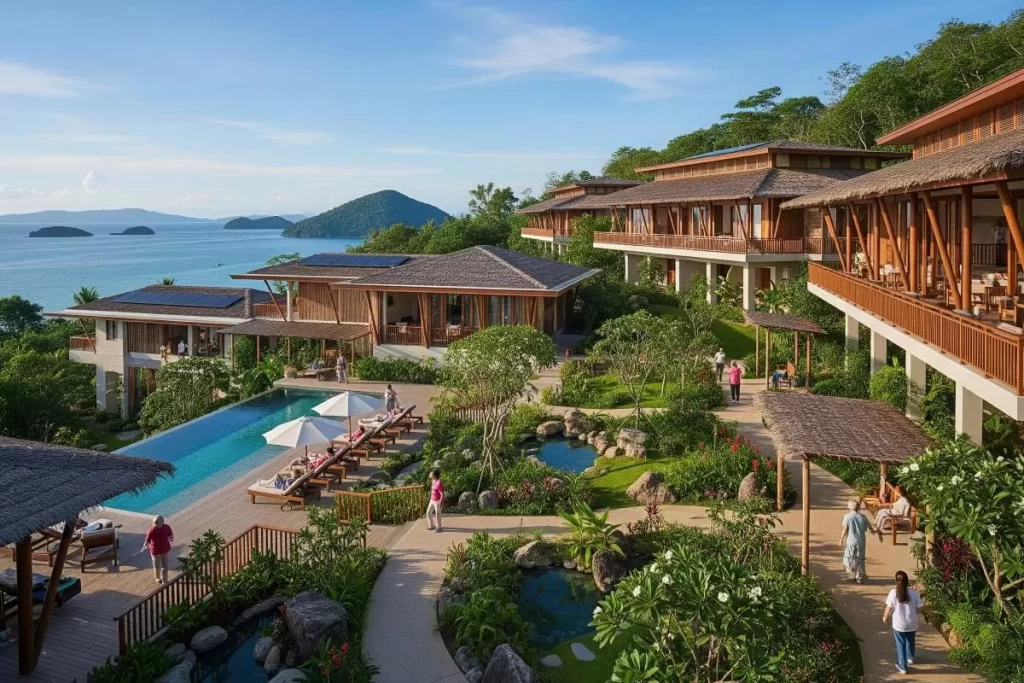
The role of a developer in an assisted living eco-tourism resort is complex and challenging but also incredibly rewarding. By successfully managing and promoting the business, developers can create a thriving business that provides a valuable service to seniors and the physically challenged and contributes to the growth of the eco-tourism industry in the Philippines.
Having The Right Design Partners
The choice of an architect partner significantly influences the success of an assisted living eco-tourism resort project. The architect is not just responsible for the resort’s design but also plays a crucial role in ensuring that the project aligns with the developer’s vision and business objectives.
An architect with knowledge and experience in real estate investments can provide valuable insights into the project’s feasibility, potential return on investment, and market trends. They can help the developer make informed decisions about the project, such as the selection of the site, the scale of the development, the conditions of a tropical climate, the real estate unit programs, and the offers of amenities and services.
Moreover, an architect with expertise in eco-tourism can guide the developer in creating a resort that is attractive to guests and sustainable and respectful of the local environment and community. They can advise on the best practices for sustainable design and operation, help the developer navigate relevant regulations and standards, and ensure that the resort contributes positively to the local economy and ecology.
Therefore, choosing architects in the Philippines skilled in design and knowledgeable about real estate investments and eco-tourism operations can be a significant advantage for the developer. This partnership can contribute to the project’s success, ensuring that the resort is profitable, sustainable, and beneficial to the community and the environment.


Leave a Reply