

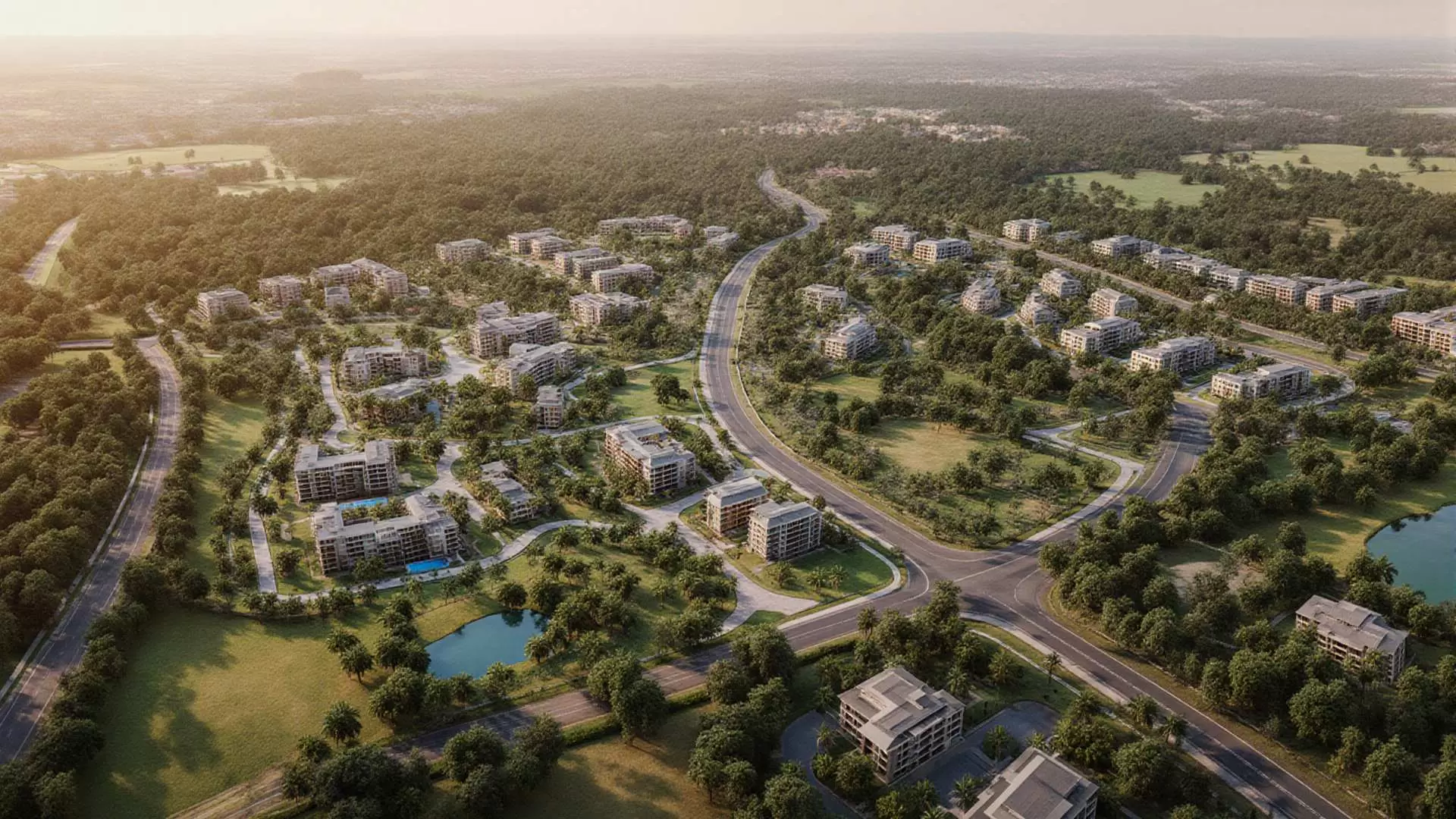
A straightforward master planning approach builds long-term value for developers, investors, and landowners by shaping communities with strong market alignment and architectural vision. The practice of master planning in the Philippines guides land-use decisions and creates orderly growth patterns that support efficient mobility, resilient urban systems, and commercially viable development outcomes. Each element within a master plan establishes a foundation for investment confidence and delivers a cohesive framework that enhances the appeal of residential, commercial, tourism, and mixed-use districts.
A thoughtful master plan can truly elevate raw land into a vibrant community that attracts both buyers and tenants! This strategic framework empowers everyone involved with a clear understanding of potential returns. In the Philippines, master planning is a savvy business strategy that links spatial decisions to financial success. By considering local geography, climate, cultural values, and market trends, a master plan can turn land into a cherished community asset.
How Master Planning in the Philippines Enhances Land Potential
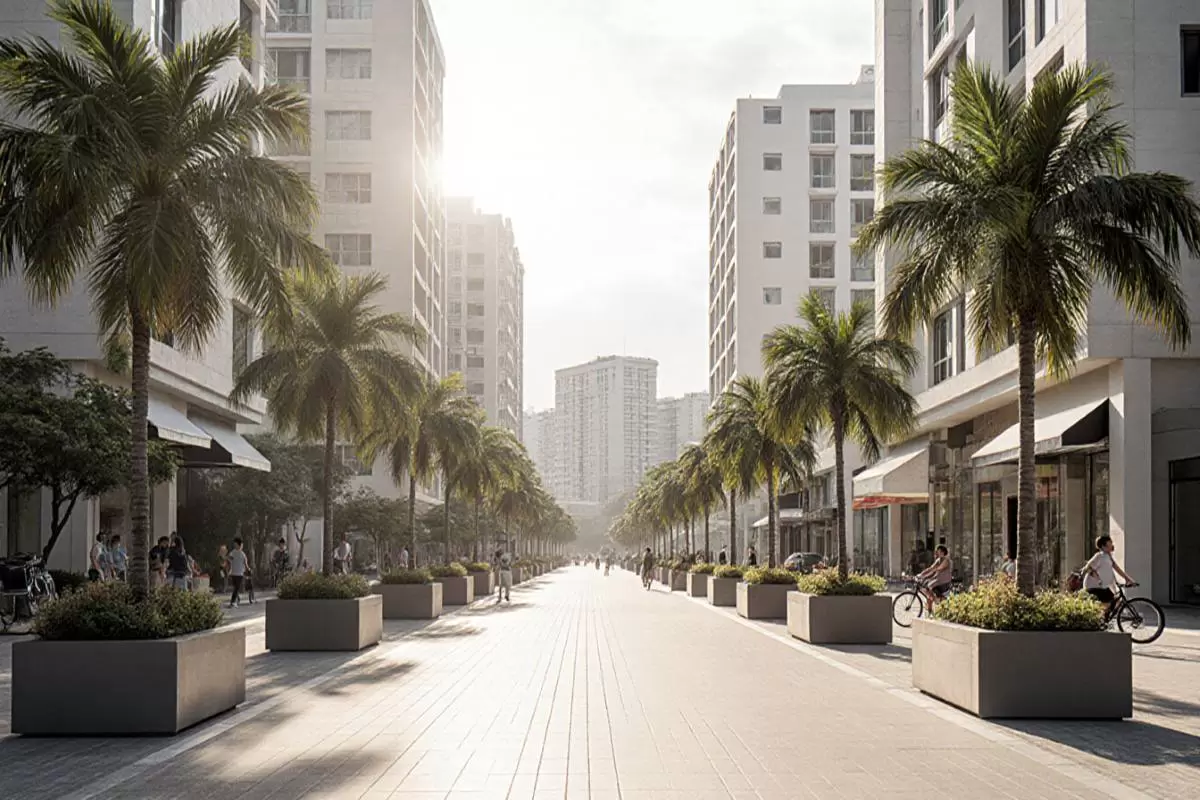
Master planning empowers developers and landowners to direct the growth of an entire site rather than allowing individual buildings to evolve without coordination. The discipline provides clarity on road networks, open space distribution, building orientation, density allocation, infrastructure placement, and future expansion possibilities. Philippine cities and emerging provincial corridors benefit from organized development patterns that create safer streets, healthier environments, and well-designed public spaces.
A well-crafted master plan enhances property appeal by fostering predictable growth and curated experiences. Developers and investors respond to locations with a clear blueprint because it indicates cost efficiency and long-term performance. Communities built through cohesive planning establish market stability because homebuyers and businesses understand how the district will mature over time. This environment drives stronger selling prices and sustained occupancy.
How Master Planning Drives Higher Land Values and ROI
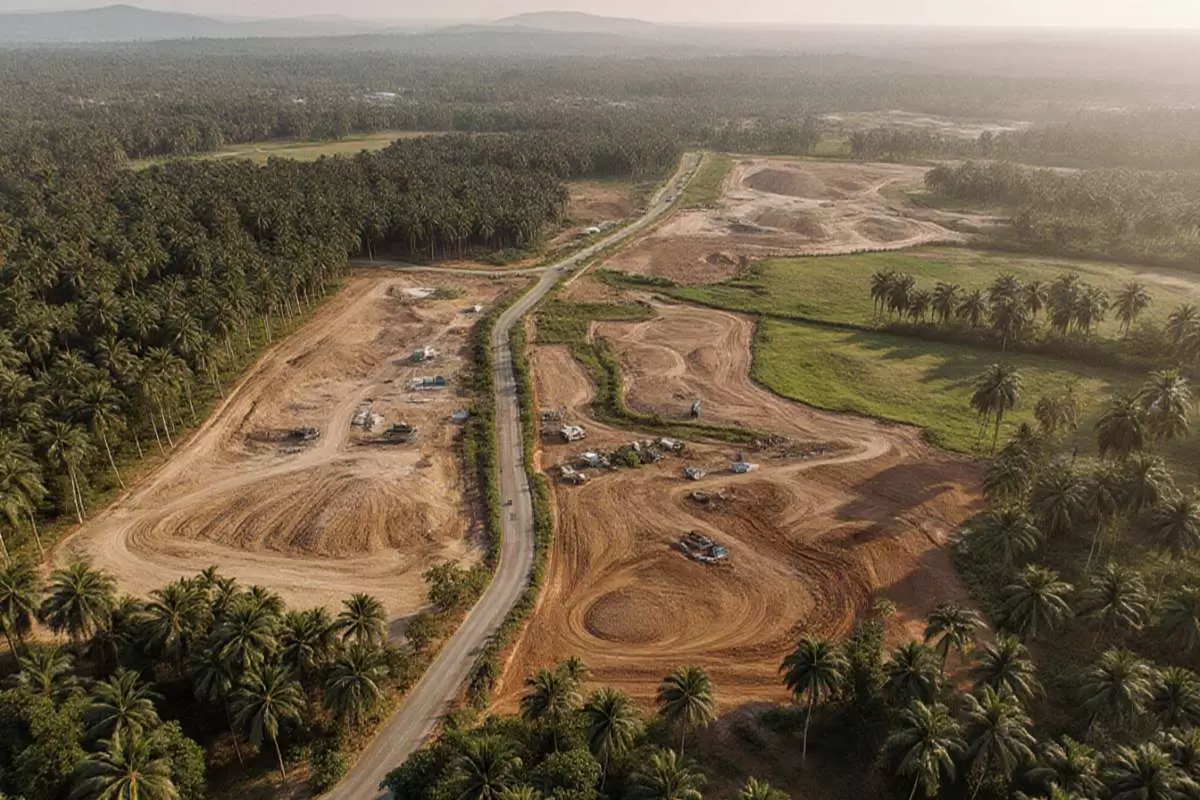
Increasing land value begins with demonstrating a vision supported by real-use potential. Master planning in the Philippines establishes clear zoning strategies, circulation systems, and amenity placement, thereby boosting investor confidence and strengthening valuation models. The plan serves as a decision-making tool that aligns site features with commercial goals.
A structured plan supports financial projections by outlining how each precinct generates revenue. Residential blocks produce consistent sales cycles. Commercial areas create recurring income streams. Open spaces enhance the marketability of surrounding lots. Infrastructure efficiency reduces operational costs for developers and improves the end-user experience. This composition encourages a stronger investment appetite and sustained returns.
Township Development in the Philippine Context
Townships present a compelling model for large-scale development in expanding regions. Philippine townships integrate residential, commercial, institutional, and leisure uses within one framework to support economic activity and community life. These integrated environments enhance walkability, reduce commuting distances, and create jobs near homes.
The township model gains strength when shaped by clear master planning principles. Coherent land use organization guides the placement of commercial centers, business districts, civic zones, and residential clusters. Strong mobility systems connect all areas and support growth that aligns with market demand. Investors recognize well-planned townships as stable assets because they blend lifestyle appeal with economic productivity.
Key Urban Design Principles for Philippine Master Plans
Urban design provides the human-scale character that elevates a master plan from a technical framework to a living environment. Streets serve as primary public spaces that shape daily movement and interaction. Philippine master planners respond to the tropical climate through shading strategies, tree-lined corridors, and building orientation that encourages natural ventilation. These design decisions improve comfort and reduce long-term energy burdens.
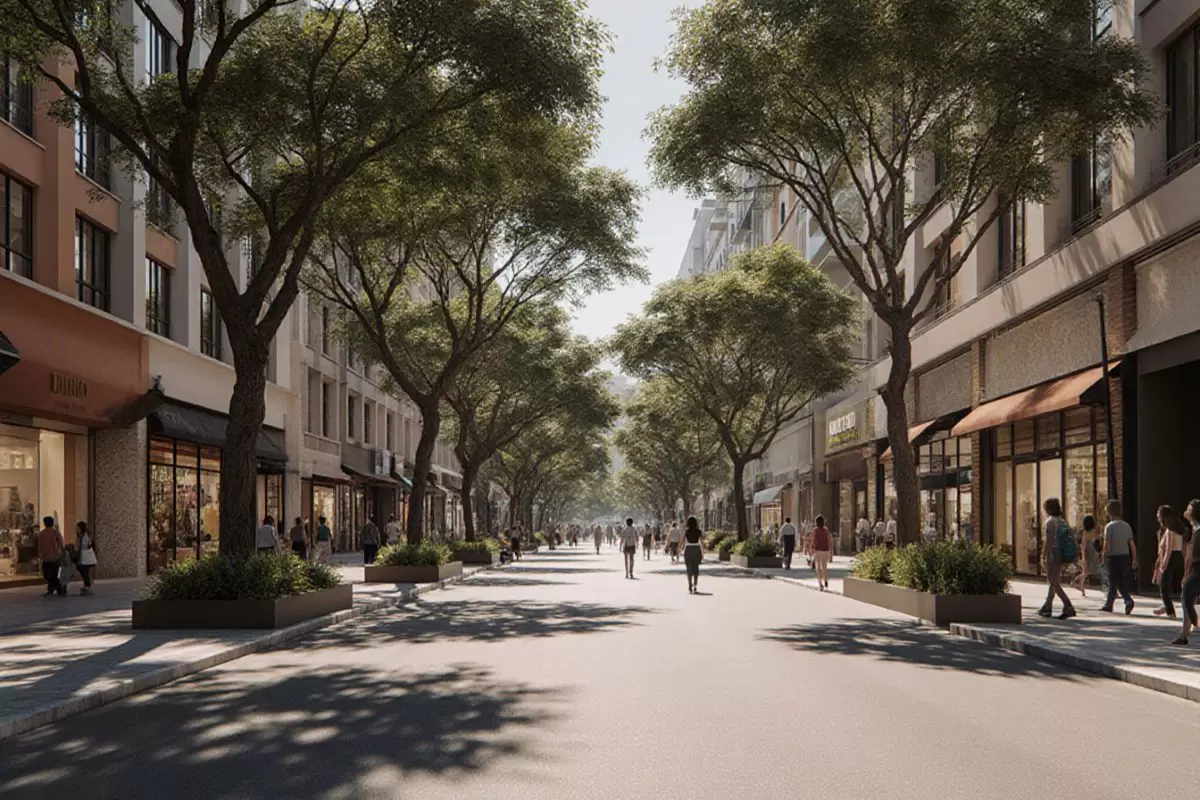
Open spaces strengthen community identity and promote wellness through recreation areas, pocket parks, and accessible green edges. Mixed-use zoning supports convenience and encourages walking. Architectural variety ensures visual richness while height guidelines maintain harmony across districts. The combination of these elements enhances the appeal of planned communities and reinforces positive market response.
Community Development through Master Planning
Communities thrive when development supports human interaction, accessibility, and shared experiences. Master planning in the Philippines establishes this foundation by aligning social spaces, housing formats, and mobility networks. Integrated amenities encourage residents to build connections and engage in local activities.
Thoughtful planning supports inclusive growth by integrating different residential types and ensuring that open spaces remain accessible. Local character emerges when community facilities, cultural areas, and commercial clusters align with regional identity. This approach creates cohesive environments where people find purpose and belonging.
Landowner Partnerships within Master Planned Developments
Landowners are key players in shaping the vibrant future of cities and provinces in the Philippines! Through master planning, they gain a valuable framework that maximizes property potential and opens the door to exciting opportunities such as joint ventures, long-term leases, and phased developments. This organized approach fosters clarity and builds strong relationships with developers and investors.
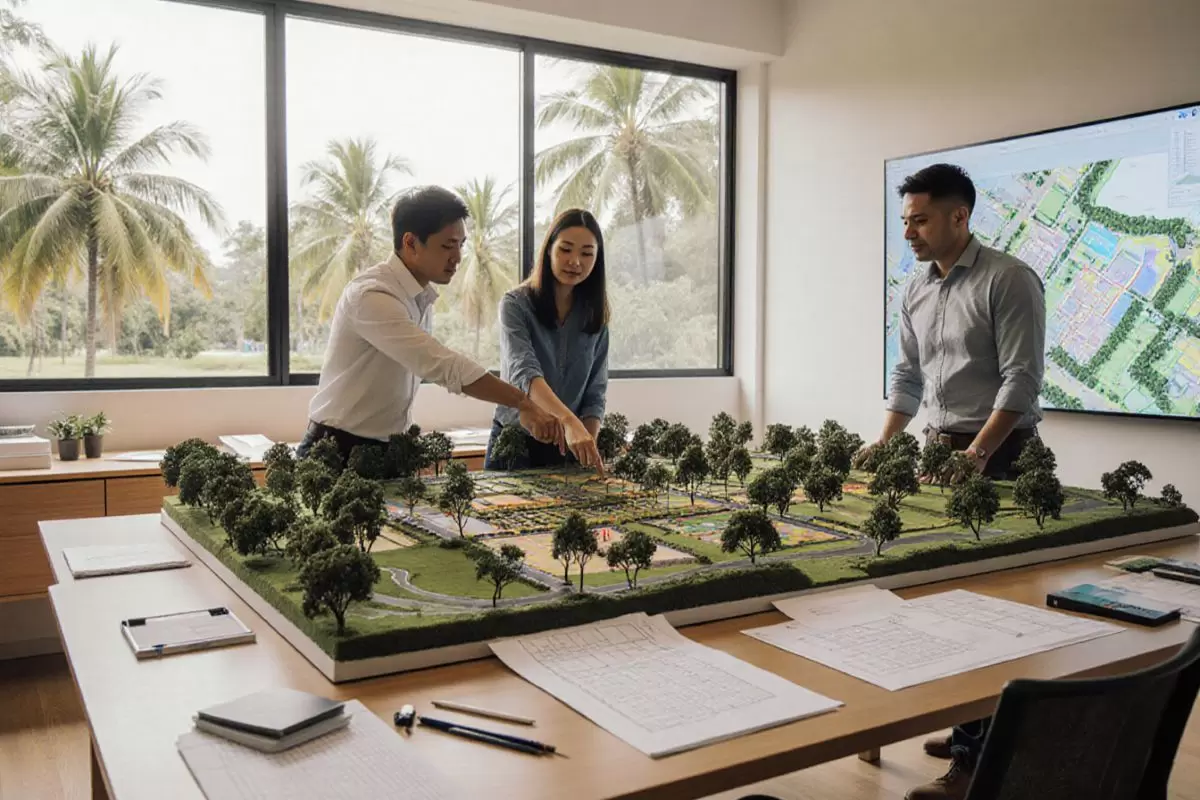
By adopting a master-planned vision, landowners can confidently explore growth scenarios and negotiate effectively. Defining precincts, density strategies, and circulation layouts establishes clear valuation benchmarks that ensure fair and transparent collaborations. This clarity not only attracts reputable partners but also paves the way for innovative and collaborative development, creating a brighter tomorrow for all involved!
The Investment Value of Well-Structured Master Plans
Investors evaluate development opportunities based on risk, viability, and long-term earning potential. Master planning in the Philippines supports investment confidence through organized data, predictable growth patterns, and visible infrastructure strategies. Financial decision makers respond to environments shaped by strong planning discipline because it reduces uncertainty.
Investors appreciate master-planned communities with clear mobility systems, efficient infrastructure, and balanced land-use distribution. A complete plan helps determine construction timelines, revenue cycles, and operating projections by laying out each phase of development with defined scopes, infrastructure sequences, and delivery expectations.
Investors gain confidence when they can review projected absorption rates for residential and commercial areas, cost curves tied to infrastructure rollout, and operating assumptions supported by spatial data within the plan. This clarity strengthens financing models and improves the position of developers seeking capital partners, as investment decisions rely on predictable cash flows and well-defined growth patterns.
Mobility and Infrastructure as Core Elements of Master Planning
Mobility systems form the backbone of every Philippine master plan. The road hierarchy defines how people move through a site and influences land value distribution. Primary roads carry heavier traffic volumes and support commercial activities. Secondary roads provide localized access to residential clusters. Internal paths connect open spaces and encourage walking.
Infrastructure planning shapes water distribution, drainage systems, energy routing, and digital connectivity. These elements support sustainable growth and protect communities from environmental risks. Philippine sites benefit from early infrastructure planning, which minimizes future retrofitting and enables cost-efficient development.
How Master Planning Supports Climate Resilience
Climate resilience has become increasingly important across the Philippines due to weather patterns and natural hazards. Master planning responds by elevating land, establishing buffer zones, integrating flood management systems, and shaping natural waterways to support safe development. Green networks provide shade, reduce heat buildup, and help manage rainwater.

A resilient master plan protects both people and investments. Developers and landowners gain confidence when plans demonstrate practical solutions to long-term climate challenges. Buyers respond strongly to climate-responsive communities because they prioritize safety and comfort.
Urban Growth Patterns and Regional Development
Regional growth in the Philippines accelerates as cities expand and provincial centers strengthen their economic roles, supported by indicators from the Philippine Statistics Authority showing steady urbanization and rising population densities in key regional hubs. Master planning guides this expansion by organizing land uses and anticipating future mobility corridors identified in national and regional development frameworks. This approach positions townships and mixed-use districts as catalysts for growth within wider regional networks where infrastructure and economic activity continue to intensify.
Emerging corridors with firm master plans attract investment from industries, schools, hospitality groups, and commercial enterprises, similar to patterns documented in government-endorsed growth strategies that highlight the impact of coordinated land development. These developments contribute to balanced regional growth, creating new opportunities for surrounding communities and supporting long-term economic stability.
The Role of Architecture in Philippine Master Plans
Architecture gives form to the spaces defined by the master plan. Building orientation responds to sun, wind, and views. Façade treatments express cultural narratives and local materials. Vertical proportions ensure visual balance. These architectural decisions reinforce the identity of a master planned district.
Architects create coherence by establishing design guidelines that unify a community’s overall look. The architecture strengthens investor interest by creating environments that feel premium and thoughtfully crafted. The relationship between master planning and architecture builds a strong foundation for enduring community value.
Strategies for Long-Term Growth within Master Planned Areas
Long-term growth depends on flexible planning strategies that allow communities to expand in phases. Filipino developers and landowners benefit from plans that forecast market shifts and demographic trends. This flexibility supports residential expansions, commercial upgrades, and the addition of amenities.
Phased development ensures efficient capital use. Early phases build momentum and attract early investors. Future phases refine the community experience and accommodate emerging needs. This structured growth strengthens a township’s market resilience and enhances regional influence.
Philippine Cultural and Regional Context within Master Planning
Culture, geography, and regional conditions shape how Filipinos interact with space and community, which influences master planning outcomes. Open gathering areas, community halls, pocket parks, and walkable streets support social life and strengthen community identity. Shared spaces accommodate festivals and local events that enrich daily activity across Philippine towns and cities.
Distinct regional traits elevate Philippine planning beyond mere cultural context. The archipelagic formation of the country creates dispersed growth centers that require flexible regional planning and strong connectivity among provinces. Climate patterns encourage planners to integrate elevated zones, improved drainage systems, and climate-responsive networks. These elements strengthen long-term safety and reinforce community resilience.
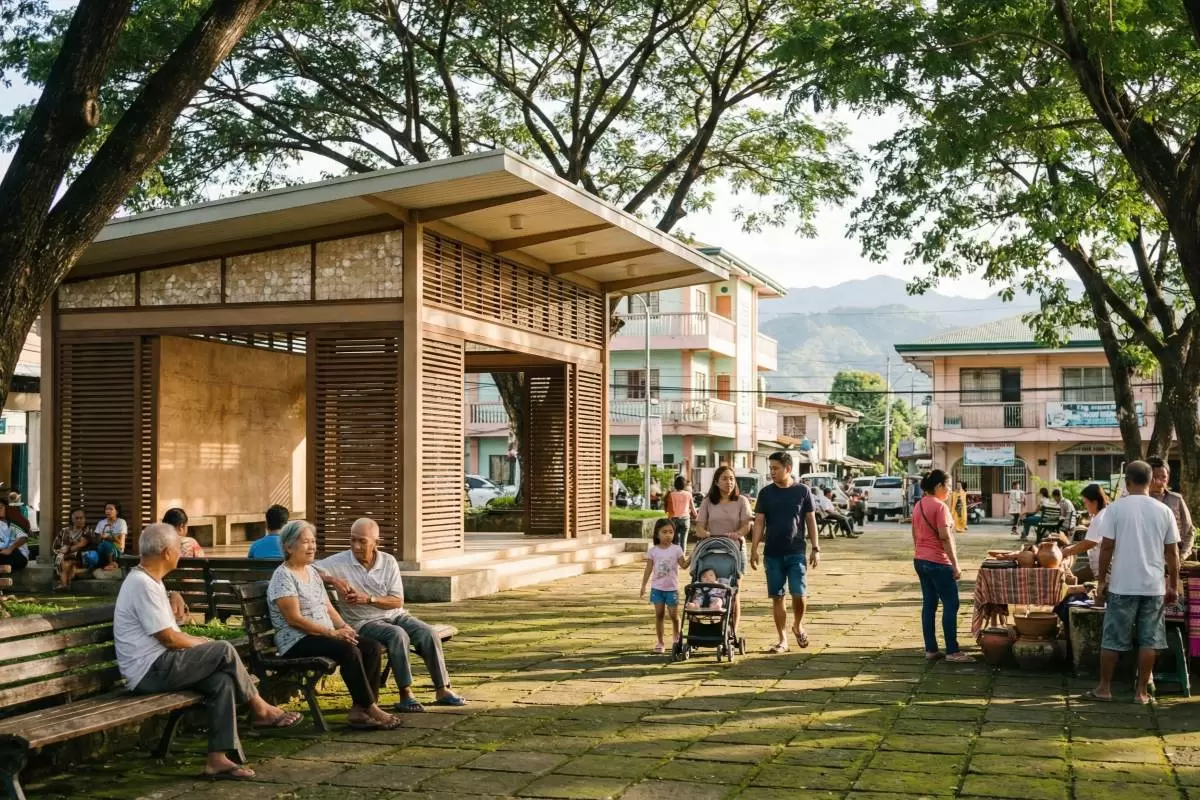
Local governance also shapes planning outcomes because each city and municipality holds authority over zoning and permitting. This intervention results in varied planning requirements and encourages plans that respond to localized priorities. Land ownership patterns add another layer of complexity because many large estates remain family-held, which strengthens the value of joint venture models supported by clear planning frameworks.
These combined conditions influence how mobility, architecture, open spaces, and community amenities come together to form cohesive environments that express cultural identity and regional distinctiveness.
Future Directions for Master Planning in the Philippines
The future of Philippine master planning leans toward integrated mobility, smart infrastructure, mixed-use zoning, and climate-ready design. Advancements in digital mapping, geospatial analysis, and sustainable engineering support richer planning outcomes. Developers and landowners gain strategic capacity through these tools, enabling them to guide investment decisions with greater precision.
Communities shape the Philippine landscape when guided by clear planning principles and strong architectural vision. Master-planned districts deliver lasting value for generations and create meaningful environments where people thrive.

Leave a Reply