

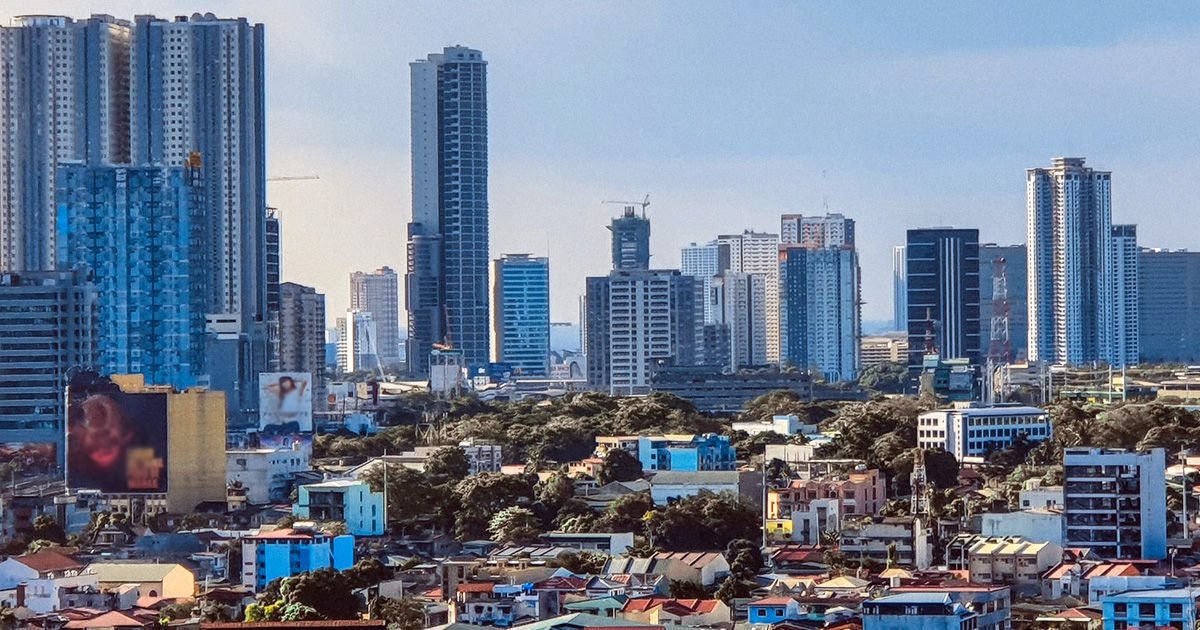
The concept of new urbanism revolves around building cities and towns centuries ago. They completed the sprawl with accessible public spaces, housing, and shopping within small distances and walkable streets and blocks. Although the term is relatively recent, it was introduced during the early 1980s (post WW2) when pedestrian and transit-oriented neighborhood designs were at their highest demand. Simply put, new urbanism holds outstanding importance on human-scaled urban design to future city evolutions.
Tactical Urbanism, Short-Term Solutions For Long-Term Change
Tactical urbanism is about taking action. Generally rapid, low-cost, and temporary urban “tactics” to make communities more dynamic and entertaining. Developers can easily duplicate these “tactics” in several places. It is no surprise that this kind of urbanization has exploded in popularity throughout the globe in recent years.
Issues usually addressed by tactical urbanism involve minor fixes that spontaneously emerged in several communities commonly encountered by residents. Such difficulties include the lack (or even disappearance) of safer walkways, clear signage, walkable neighborhood parks, and, more broadly, a lack of solidarity and community connectedness, particularly along roadways and public places.
Ecological Urbanism, Forging A Connection Between Ecology And Urban Systems
The primary purpose of ecological urbanism is to develop “synthetic” solutions for connecting ecology and town planning without damaging the natural environment. Ecological urbanism, therefore, encourages the creation of “artificial ecosystem” cities that mimic the life-preserving qualities of natural ecosystems.
A more specific manifestation of ecological urbanism is turning the linear, dead-end pattern of “energy-in-one-end” and “wastes-out-the-other” into a loop. Hence, a city adopting this strategy can even turn waste into energy.
Landscape Urbanism, Restoring The Charm Of Building “Horizontally”
As the name suggests, landscape urbanism refers to the planning and design of open spaces where landscape holds the highest importance. However, the landscape in this context does not necessarily refer to vegetation alone. Instead, it describes a designer’s ability to sense “a good place”.
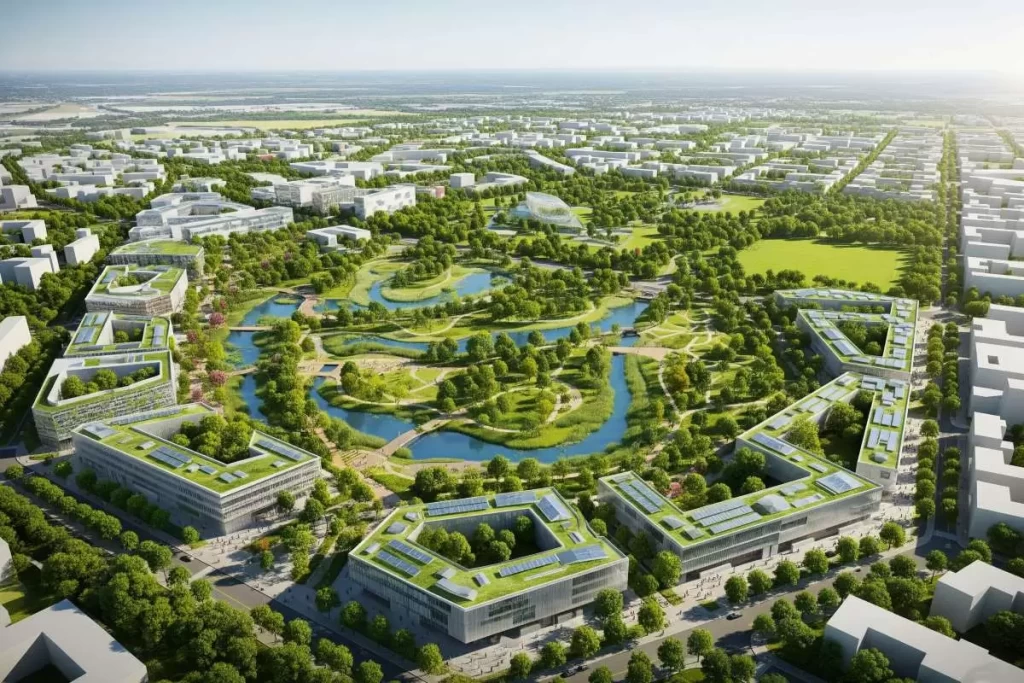
Instead of focusing on vertical developments of objects and buildings, landscape urbanism emphasizes the horizontal field, with open spaces at the core of planning and design for urban areas. It emphasizes performance over pure aesthetics, moves from pictorial to operational, and utilizes a sustainable systems-based approach.
Unitary Urbanism, Making Spaces Usable Yet Memorable
This form of urbanization considers multiple perspectives in sociology, psychology, and the arts to create a synthetic hypothesis that offers a solution to housing, recreation, and traffic. It focuses more on creating a memorable, transient micro-ambiance that combines art and science while ensuring that all elements are usable. This condition makes this form of city design “unitary”.
Sustainable Urbanization, An Upgraded Version Of New Urbanism
Sustainable urbanism promotes walkability and transit-friendly connectedness combined with high-performance buildings and infrastructure. An enhancement to this approach combines biophilic ideologies and compactness as its primary design values.
Ironically, planners often place mass transit stations near military camps and exclusive gated communities in Metro Manila. The locations are of no use to nearby residents since they do not take public transport. On the other hand, the city pushes the regular working class into the corners of the metro, where more affordable options are available. Unfortunately, this follows the same segregation Filipinos have experienced during colonial times. The affluent are inside the walls of Intramuros, while the typical class is outside.
Intelligent Urbanism, Looking Beyond Concrete Artefacts
Also known as “smart urbanism” and “advanced urbanism,” intelligent urbanism is all about integrating culture and technology, wherein the focus relies on the process itself instead of the outcome. This principle believes that “making is thinking” just as how “thinking is making.”
This form of city design follows ten principles, or “axioms”: (1) balance with nature, (2) preservation of cultural heritage, balance with traditions, (3) appropriate technology, (4) conviviality, (5) efficiency, infrastructural effectiveness, (6) human scale, (7) opportunity matrix, (8) regional integration, (9) balanced movement, and (10) institutional integrity.
Although it shares ideals with transit-oriented initiatives, the objective is to improve the human condition and expand human potential rather than replace the vehicle. Hence, intelligent urbanism seeks to advance urban planning as a medium that promotes pedestrian walkways, people-friendly places, and public spaces where socially- and economically-diverse people can meet face-to-face regardless of their density.
Infrastructural City Planning, Understanding The Importance Of Technology
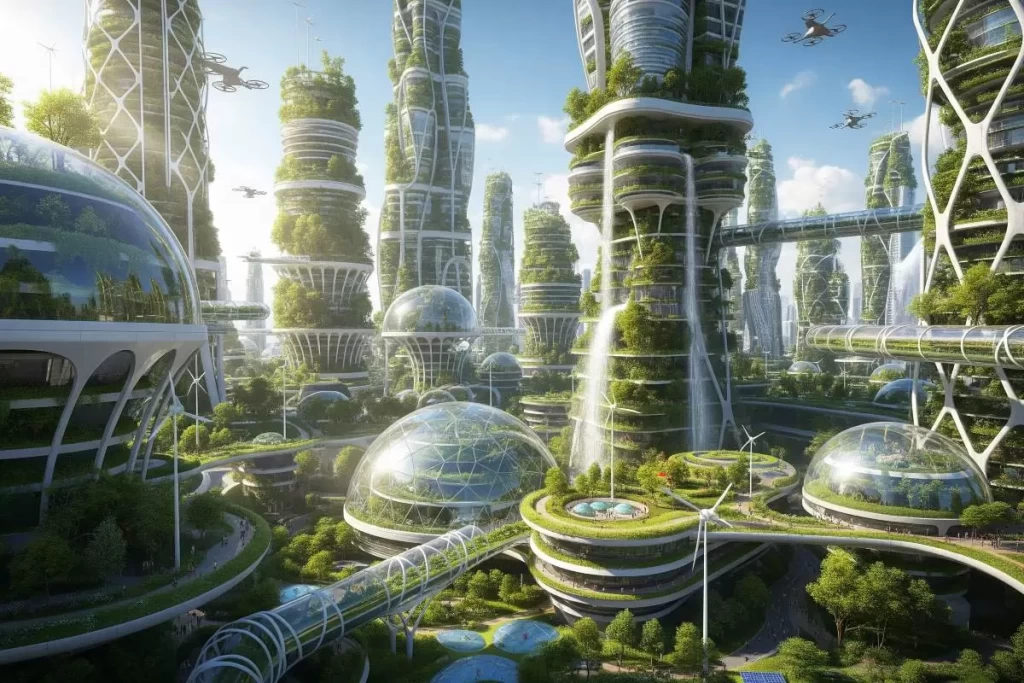
In the urban realm, architecture and public spaces have always been well-appreciated, but now is the time to include technical infrastructure as an equally important component in an era of digital lifestyle and intelligent communities. This feature makes infrastructural urbanism a unique concept in urban planning.
Instead of functioning on its own, infrastructural urbanism complements other forms of urbanism. The extension of sewage, water, and power networks is one of the long-standing concerns in unplanned settlements. As previously stated, infrastructure urbanism compensates for the flaws in urban planning in these types of communities.
It understands that master planning is a “material practice”, which works in and among the world of things and not exclusively with meaning and image. This form of urbanism offers a new model for practice and a renewed sense of architecture’s potential to structure the future of a city.
Evolving New Cities In The Philippines
Many different types of urbanism may help unravel the growing concerns of Metro Manila. A paradigm shift from the traditional approaches can help the government and mainstream urban developers prioritize systems to complement and promote livability and growth. The fragmented faction of local agencies from housing to public works may have to consolidate into one national authority to take charge of national development and policing implementations.
Then there should also be a focus on world-class land-use planning and zoning efforts. Quality land use planning and zoning are critical aspects of any city development. It guarantees the maximized use of land value and growth potential for generations to come. The quality of the environment, modes of mobility, transparency of services, dependable utilities, creation of parks, city expansions, community dignity, and how people access public areas safely are all critical attributes to uphold.

Leave a Reply