
-
Getting Barangay Clearance For Construction The Fastest Way



Since the barangay is the most fundamental level of community in the Philippines, the legitimate and seamless process of integrating into the neighborhood will require the authorization of the barangay’s community leaders. This prerequisite includes getting barangay clearance for construction projects. A barangay clearance, also known as a barangay permit, is the most straightforward paperwork
-
Buying An Island In The Philippines – Is It Possible?

The Philippines are made up of about 7,107 islands. They are strategically placed between the West Philippine Sea and the Pacific Ocean, with Sabah and Borneo to the south and Vietnam to the west. With so many coasts, beaches, mountains, and almost any other type of natural scenery you can think of, it’s no surprise
-
The Symbiotic Relationship Between Culture And Park Design
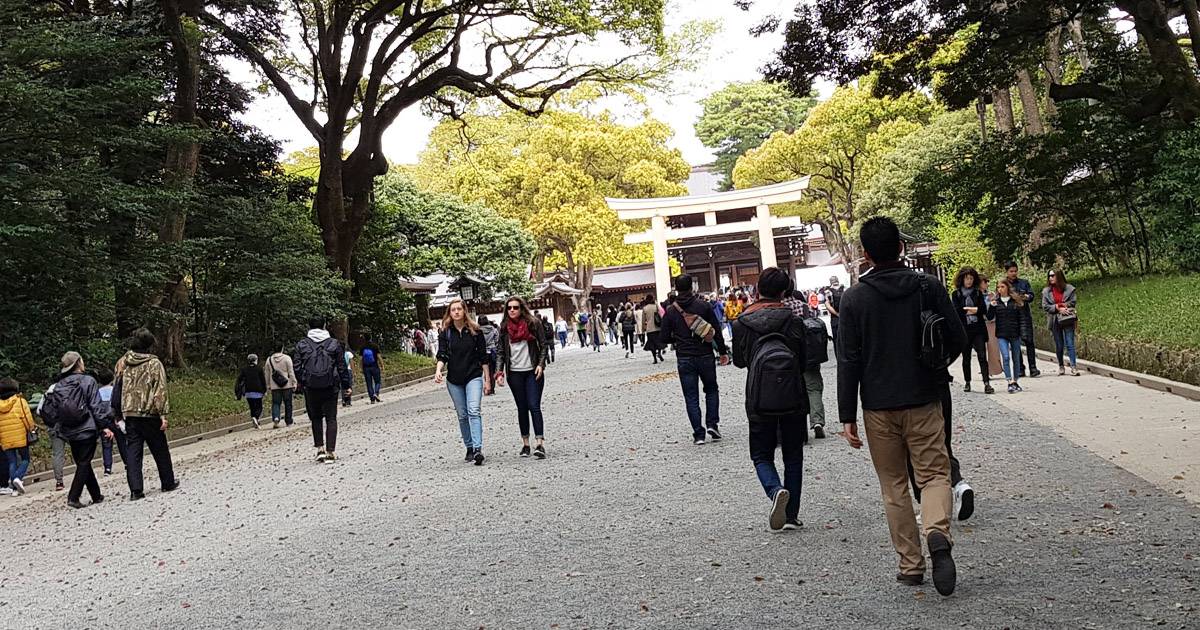
The relationship between urban space and society is significant. Specific urban areas are related to the particular activities of various social groupings. Public spaces with no people and no social function often evolve similarly. Unorganized transit, parking, and other physical obstacles diminish its utility and appeal. And as the world keeps moving toward globalization, traditional
-
Hotel Star Rating System Explained For Architects And Hoteliers
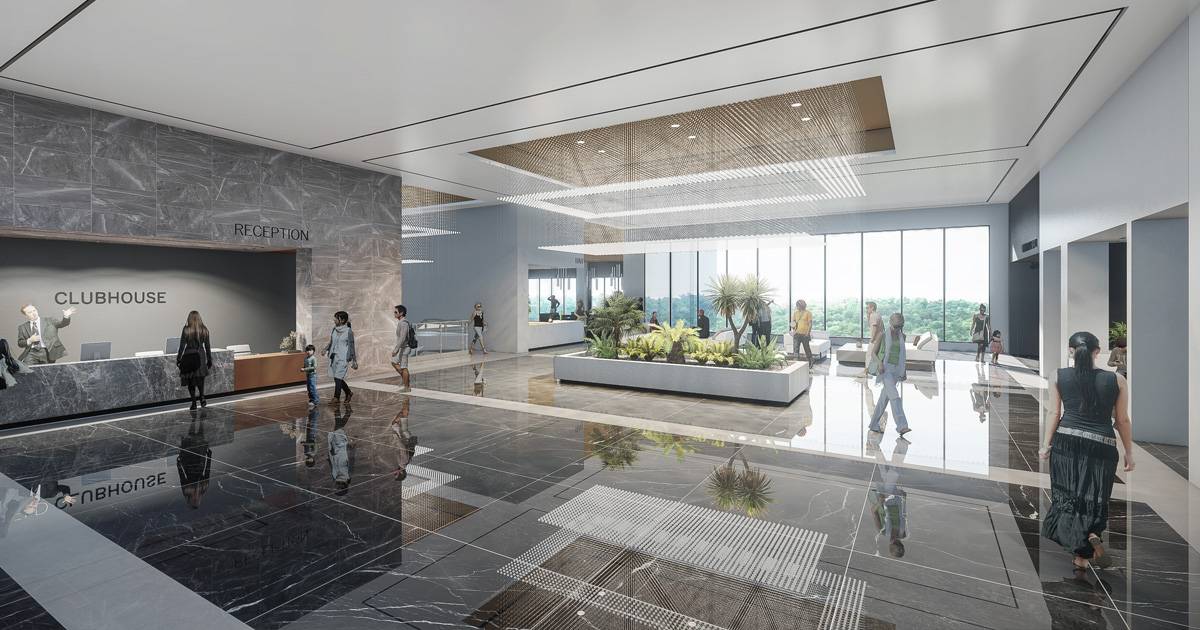
The hotel star rating system is one of the primary methods for assessing and ranking hotels. Most of the time, the market looks into a hotel’s classification before deciding whether to book an overnight. And hotel owners are often advised to stick to their star rating. However, hospitality organizations do not create equal star ratings,
-
Micro-Hotels: On Operating And Thinking Small

As the world has become more modern, functional items have become “smaller”. Originating in Japan in the 1970s, the pod hotel idea has matured and become one of the most cutting-edge hotel building and design trends. Initially, pod-sized lodging was for short-term business travelers who wanted a private place with minimum facilities. With the emergence
-
Concept For Hotel Design And Resort Architecture – How To Start?

Technology, shifting customer behaviors, and deregulation pose fundamental challenges to the hotel business. The sector is developing new trends, such as payment applications, automated bots, and self-driving automobiles. In recent years, there has been an intensive emphasis on the sector’s future. However, many large corporations are already reacting to these developments. Some of the world’s
-
Why Japanese Lifestyle Is The Perfect Model For Filipino Architects

The harmony between cutting-edge technology and a minimalist way of life makes the Japanese lifestyle so alluring to many. Japan’s tradition of living a simple life dates back to the seventh century. Buddhism, Shintoism, and Confucianism have influenced Japanese architecture. Western architectural styles also heavily influenced it during the Meiji period (1868–1912). After World War
-
The Best Way to Get Setback Exemption
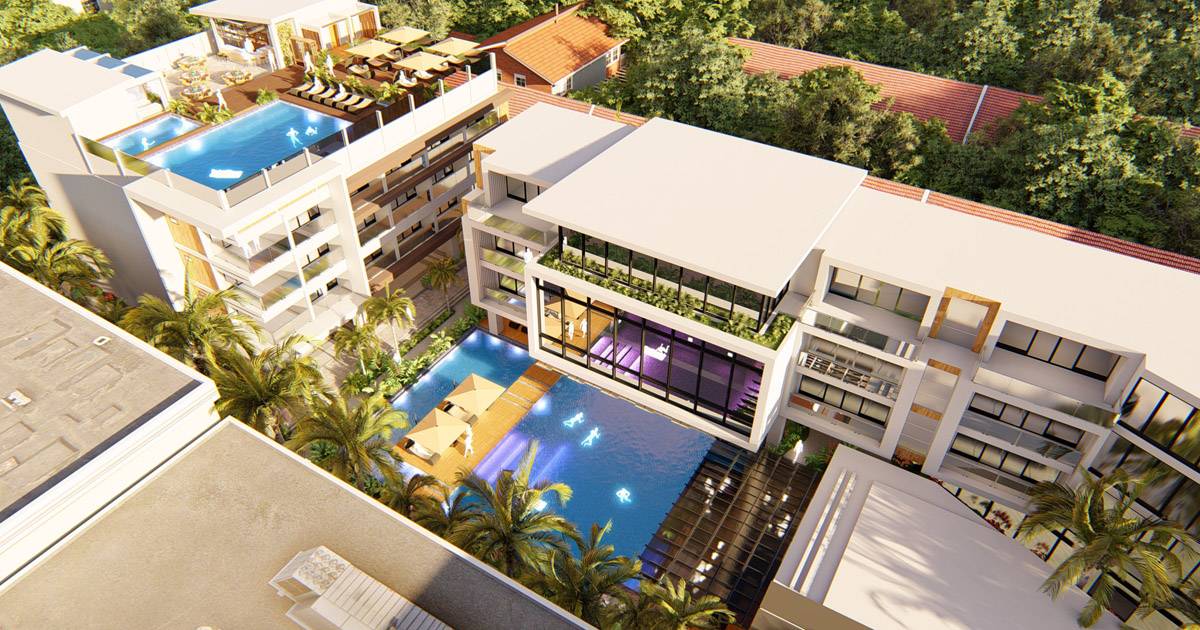
Department of Public Works and Highways (DPWH) has recently issued a notice to all relevant Building Officials instructing them to perform inspections of all buildings and structures in their respective jurisdictions that violate setback requirements. Specifically, many front setbacks of structures erected near national and municipal highways do not observe Rule VIII, Revised Implementing Rules
-
Ancestral Domains Sustainable Development And Protection Plan (ADSDPP)

Under Resolution Number 07-134.2018 of the National Commission on Indigenous Peoples (NCIP), the Ancestral Domains Sustainable Development and Protection Plan (ADSDPP) is the consolidation of the plans of Indigenous Cultural Communities/Indigenous Peoples (ICCs/IPs) within an ancestral domain for the sustainable management and development of their land and natural resources as well as the result of
-
How Are Philippine Architects Adjusting For The Future?

More than 100 years ago, academically earning the title of an architect in the Philippines was only possible by studying overseas. Since the formation of the first educational institution for the academic teaching of architecture in the Philippines in the Liceo de Manila, the planning and design practice in the country has undoubtedly come a
-
The Supreme Guide to Real Estate Investment in the Philippines

Real estate investment in the Philippines is an excellent venture, particularly given the industry is thriving and are yielding terrific returns. In addition, the country’s steady uphill economy and constant growth make land investments a remarkable route to gaining wealth. The booming real estate market is evidence of the country’s reputation as the “Pearl of
-
When Is Traffic Impact Assessment Mandatory for Development Projects?

According to a 2014 report by the Japan International Cooperation Agency (JICA), traffic demand for Metro Manila alone stands at 12.8 million vehicle trips, exceeding the capacity of most urban roads. Cities will continuously expand urban and regional development projects ranging from malls, houses, schools, and commercial establishments. These expected growths remarkably impact the country’s
-
Fascinating Opportunities Of Waste-To-Energy In The Philippines

According to a study by Jambeck et al. in 2015, the Philippines ranks the third-worst ocean plastic polluter globally, trailing only Indonesia and China. A closer look further reveals that the country generates 41,000 tons of garbage daily, with 9,670 tons coming from Metro Manila alone. With an archipelago with over 7,100 islands surrounded by
-
Declaration Of UDHA Compliance And Its Committed Resolve
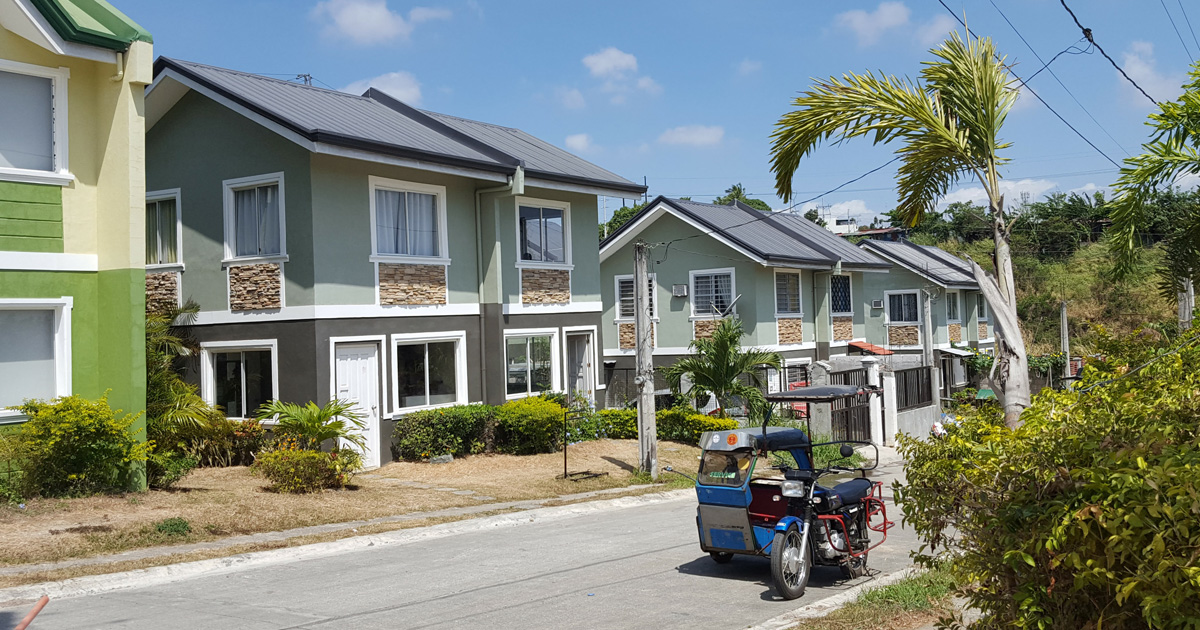
While applying for a Certificate of Registration (CR) and a License to Sell (LS) are two separate processes, the Declaration of UDHA Compliance is one of the requirements to complete the remaining application. Satisfying this critical requirement is confirming compliance with socialized housing before issuing the CR and LS approval for subdivision or condominium projects.

Ian Fulgar is a development strategist and architect known for creating real estate ventures that align land, capital, and vision. He leads projects from concept to structure, combining master planning, business insight, and design intelligence to shape original and viable opportunities. As the Architect of Ventures, he brings depth in architecture with a future-focused approach to land use, investment models, and collaborative development.