Architect of Ventures
Perspectives on Ventures, Architecture, and the Future
-

The Hidden Architects Shaping Tomorrow’s Smart Cities
Imagine a busy street at rush hour. The hum of engines blends with the distant murmur of commuters chatting at a bus stop. The smell of wet asphalt lingers in the air as cars move smoothly through intersections, and traffic lights barely stay red. Rooftop gardens capture rainwater before it reaches the ground. As you…
-
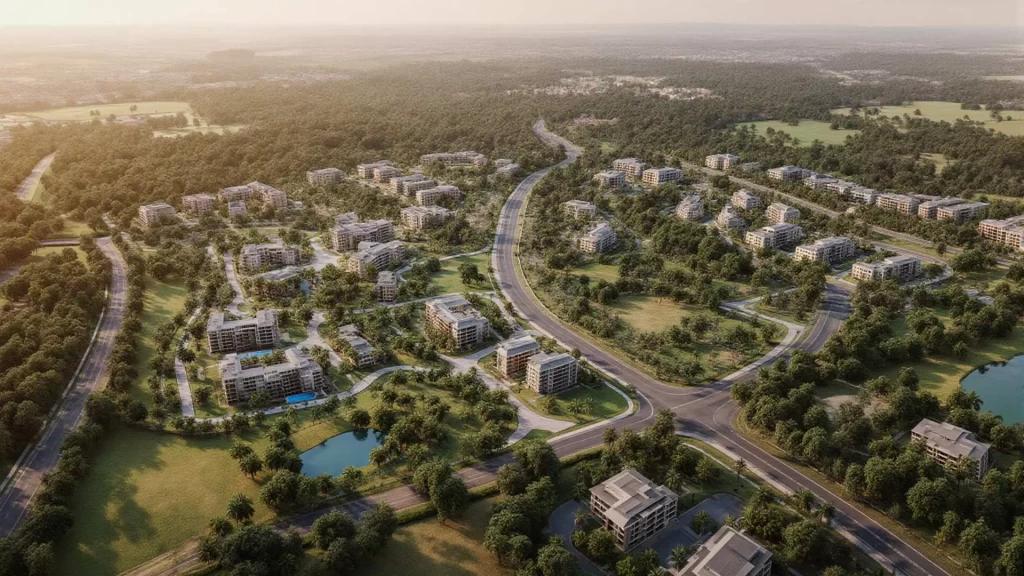
The Strategic Foundation of Master Planning in the Philippines
A straightforward master planning approach builds long-term value for developers, investors, and landowners by shaping communities with strong market alignment and architectural vision. The practice of master planning in the Philippines guides land-use decisions and creates orderly growth patterns that support efficient mobility, resilient urban systems, and commercially viable development outcomes. Each element within a…
-

Condominium Redevelopment Philippines For Urban Renewal
The momentum toward rejuvenating urban housing in the Philippines is accelerating as lawmakers deliberate on a comprehensive framework for condominium renewal. As one of Asia’s fastest urbanizing nations, the Philippines faces mounting pressure to modernize its vertical housing inventory to ensure safety, resilience, and efficiency in the decades ahead. Modernizing the country’s aging vertical housing…
-

Philippines Real Estate Investment as Southeast Asia Entry Point
The Philippines’ real estate investment is emerging as one of Southeast Asia’s most attractive destinations for property capital. International investors recognize the country’s combination of strong demographics, economic resilience, and expanding infrastructure as a compelling case for entry. Updated GDP, remittance, and industry figures show resilience, while reforms and REITs provide safeguards and liquidity. However,…
-
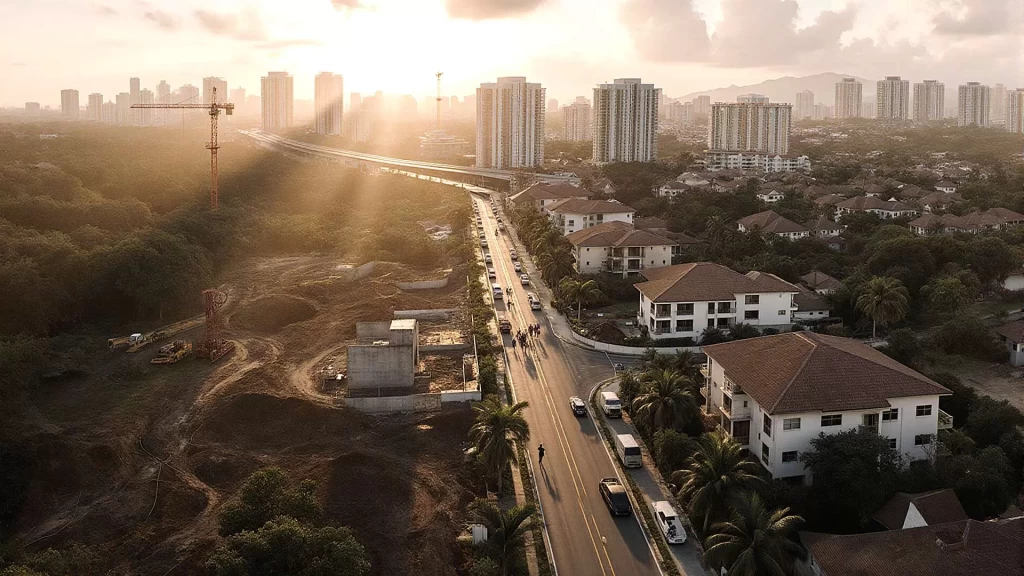
Unlocking Land Value Through Joint Ventures In The Philippines
Landowners across the country hold assets that gain value gradually, yet they shoulder annual real property taxes, upkeep, and opportunity costs while land remains idle. Joint ventures in the Philippines transform that passive capital into income and equity by pairing landowners with developers who assume construction and marketing risks. Through these partnerships, the property serves…
-

Philippine Shophouses as Timeless Investments
Philippine shophouses are re-emerging as valuable real estate assets, blending heritage and modernity in a way that resonates with investors and cultural enthusiasts. These unique structures, long seen across Southeast Asia, have distinctive architecture and a dual purpose. Moreover, they offer spaces for commerce and residence within one property, shaping the history of urban living…
-

Blockchain Real Estate Investment In The Philippines And Global Opportunities
Blockchain real estate investment in the Philippines transforms how capital flows into the property sector. For decades, foreign participation in the local market has been limited by restrictions on land ownership, slow processes, and reliance on traditional intermediaries. Today, blockchain tokenization introduces fractional ownership, cross-border access, and faster settlement. It also provides transparency, lowers transaction…
-
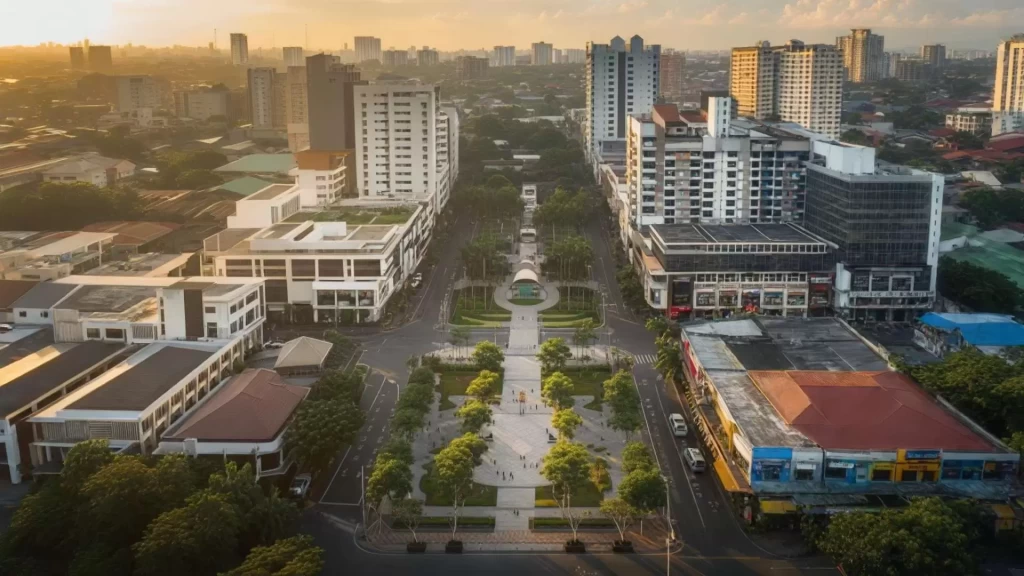
The Role of Architectural Planning in Maximizing Land Use
In the face of rising land scarcity, rapid urbanization, and mounting demands on infrastructure, the role of architectural planning in shaping the best value for land has become more indispensable than ever. Cities can no longer afford to sprawl without consequence, nor can rural communities rely solely on outdated zoning concepts. As cities face increasing…
-

Real Estate Yield Structures Philippines for Long-Term Investors
The demand for resilient investment returns is reshaping how stakeholders approach real estate yield structures in the Philippines. Developers, landowners, and capital investors must adapt to a maturing market marked by urban saturation, evolving end-user behavior, and policy shifts. The challenge no longer revolves around simply building and selling. Strategic players now examine how income…