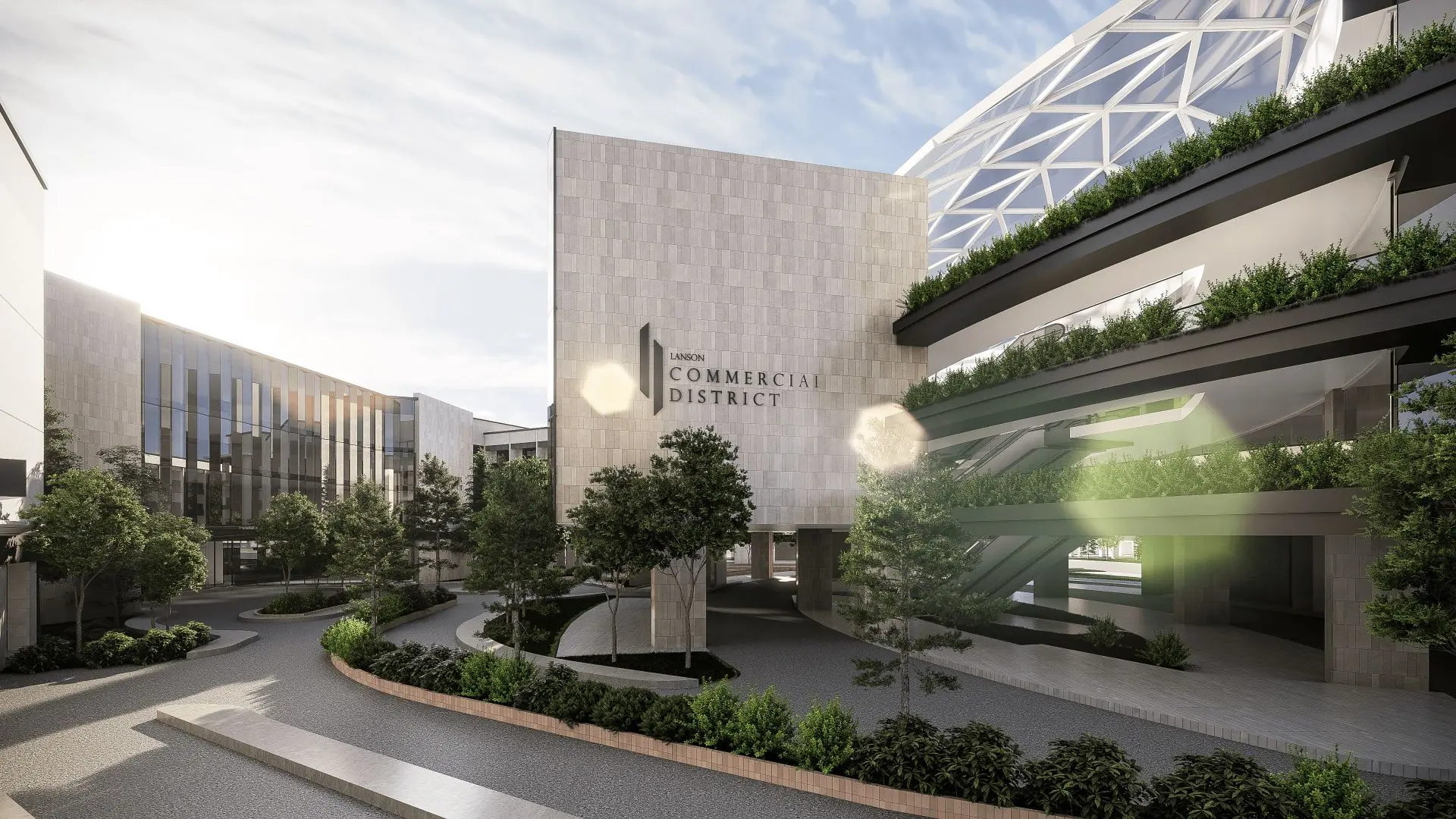
The Lanson Integrated Estate is a comprehensive master-planned mixed-use development spanning a 5.6-hectare site in Iloilo, meticulously conceived to integrate complex programmatic requirements within the unique physical constraints of the property. Situated approximately 650 meters from the centerline of Iloilo International Airport’s runway, the location imposed strict height regulations that guided the design approach toward a low-to-mid-rise vertical profile while preserving a generous and breathable urban experience. This proximity to the airport also positioned the development at a highly accessible urban node, giving the estate both logistical advantages and heightened regional significance.
Project Name: Lanson Integrated Estate
Location: Iloilo City
Site Area: 56,538.67 sqm
Type: Mixed-Use Development
The master plan carefully organizes a multi-functional program into an interlocking urban fabric where each zone operates both independently and as part of the greater estate structure. Primary vehicular circulation is arranged along a perimeter loop system, ensuring smooth traffic distribution and minimizing internal congestion. The central spine, defined by an existing bisecting road, became a natural organizing axis that enabled strategic zoning arrangements with multiple ingress and egress points, enhancing operational efficiency and wayfinding clarity.
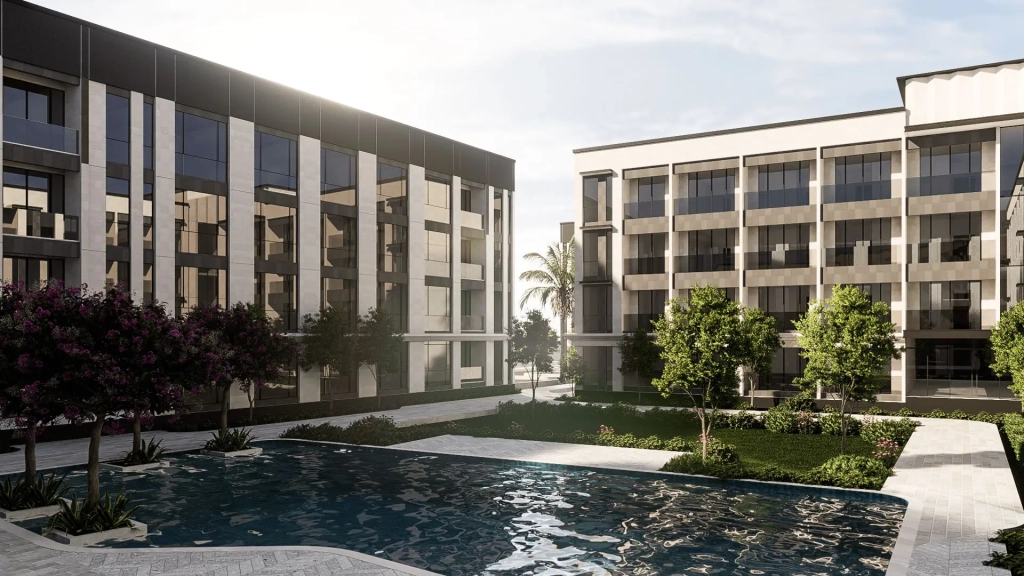
The residential sector comprises twelve carefully scaled mid-rise condominium buildings, each positioned to capitalize on natural airflow patterns, solar orientation, and visual corridors. The vertical massing respects the low-rise ceiling imposed by aviation regulations while achieving optimal unit density without sacrificing privacy or livability. These condominium towers offer a diverse mix of unit types, including studios, one-bedroom units, and two-bedroom units, allowing for a broad market reach. Architectural expressions draw inspiration from Mediterranean references, blending natural stone materials, textured façades, and distinctive massing forms with expansive glazing that seamlessly bridges indoor and outdoor living experiences.
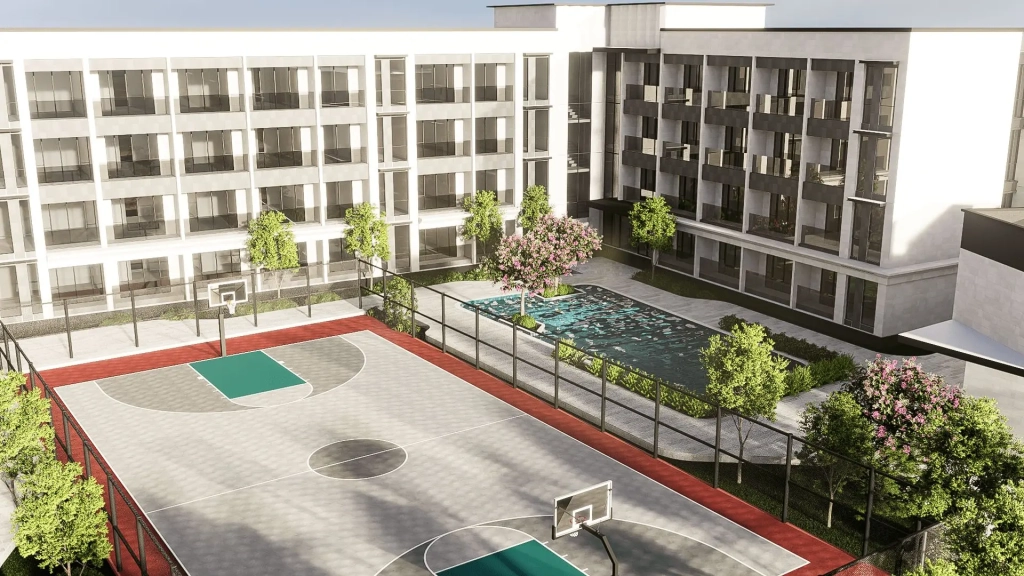
The hospitality component occupies a prominent position within the estate’s programmatic hierarchy. Nine hotel buildings are distributed across multiple parcels, each calibrated to serve a specific market segment while contributing to a cohesive hospitality offering. This decentralized distribution of hotels enables differentiated guest experiences, ranging from short-term transit stays to leisure accommodations, while creating intimate courtyards featuring swimming pools, landscaped gardens, and gathering spaces. Each hotel cluster is designed to promote operational autonomy while benefiting from shared estate-wide infrastructure.

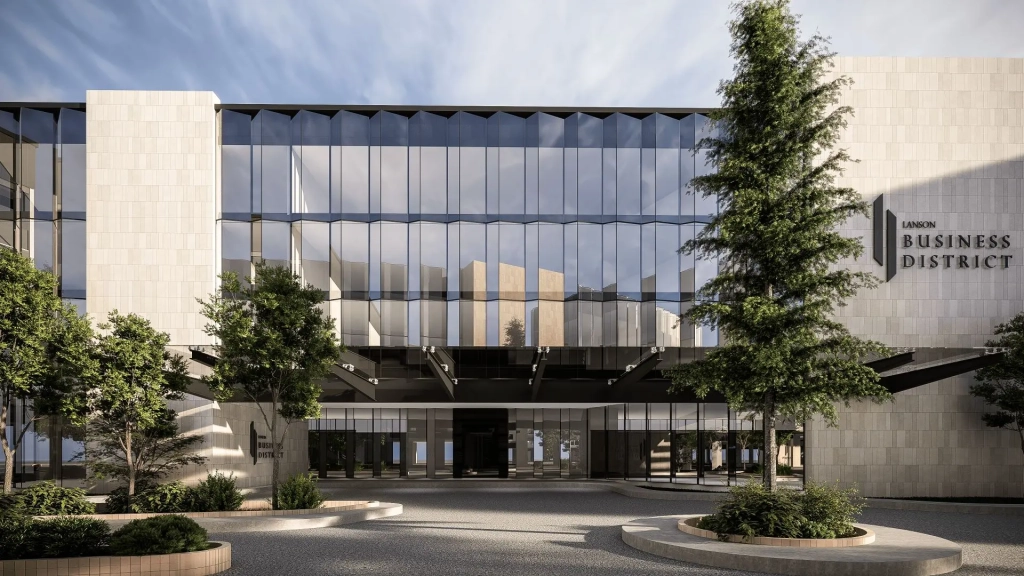
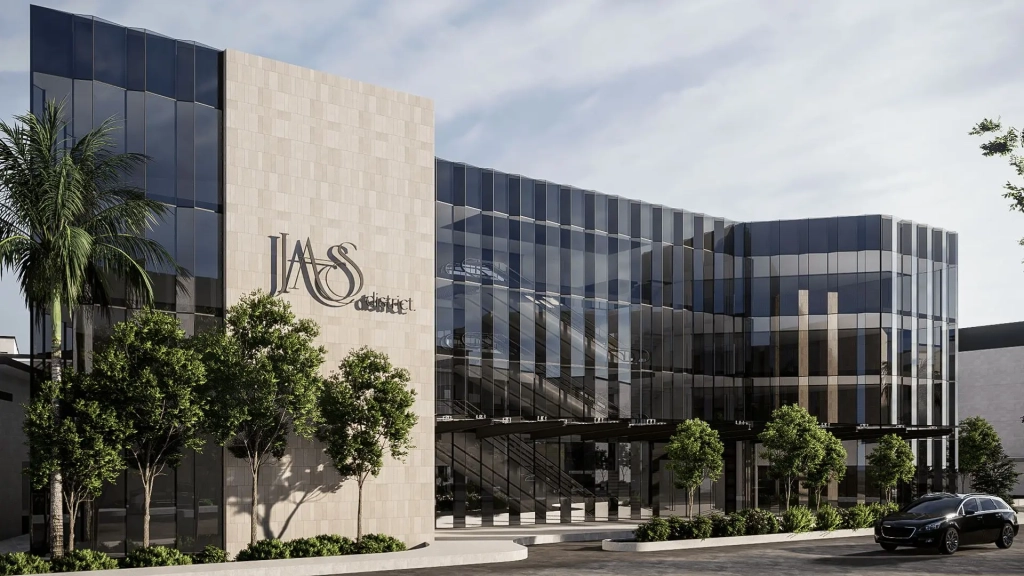
The commercial program activates the estate’s arterial edges, where two commercial wings rise to accommodate a range of retail, dining, and service enterprises. These commercial corridors provide both lifestyle conveniences to residents and standalone value propositions to outside patrons, creating a dynamic interface between the private estate interior and the broader urban public. Adjacent to these retail wings stands a dedicated office building programmed to accommodate business process outsourcing operations, professional offices, and regional headquarters. The office zone benefits from direct accessibility while maintaining separation from residential cores, ensuring functional independence.
Supporting the mixed-use composition, an events and administration center occupies a strategically located parcel within the estate. This multifunctional facility offers flexible indoor venues suitable for conferences, private celebrations, corporate gatherings, and institutional functions. Its inclusion adds operational depth to the estate, enabling year-round programmed activities that enrich the community and expand non-residential revenue streams.
A defining feature of the master plan is its extensive landscape system, which allocates over 18,000 square meters of open space into interconnected parks, water features, jogging circuits, pocket gardens, and active recreational zones. These green corridors serve not only as leisure and wellness amenities but as integral ecological buffers that improve air circulation, reduce heat islands, and cultivate an elevated environmental experience within a high-density development model. Pathways and sightlines are choreographed to maintain constant visual openness, reinforcing a sense of spatial generosity throughout the estate.
The architectural and master planning narrative behind Lanson Integrated Estate reflects an intricate balance of programmatic density, design coherence, and environmental responsibility. Rather than impose isolated building footprints, the estate was envisioned as a unified urban ecosystem where every structural mass, pathway, and open space contributes to an orchestrated whole. This integrated approach allowed the development to fully optimize both its regulatory limitations and its latent opportunities, resulting in a master-planned estate that demonstrates thoughtful scale management, functional synergy, and enduring spatial legibility.