


If you are considering entering into an assisted living development project, it may be helpful for you to understand what an assisted living home is and why it is more important than you might think. There are a wide variety of assisted living facilities available in the Philippines and around the world. Most facilities are designed to meet the needs of the elderly, disabled, and physically challenged. However, there are also some assisted living homes that are specially designed for those who do not have disabilities.
A Look Into The Assisted Living Industry
An assisted living home or residential facility is actually a temporary housing facility intended for those with special needs or for senior citizens who either cannot or do not wish to live on their own. The term assisted living refers to housing that is specifically designed to meet the individual needs of older adults who are in need of assistance in maintaining a comfortable lifestyle. This is particularly important when it comes to seniors who seek to maintain independence over placing unnecessary burdens on their loved ones. Then again, senior citizens are at an increased risk for developing physical and/or mental health problems, and this can have adverse effects on their ability to live a life independent of others. Additionally, they tend to develop Alzheimer’s or other memory-related diseases as a result of living on their own. This can make it extremely difficult for them to retain information for any length of time.
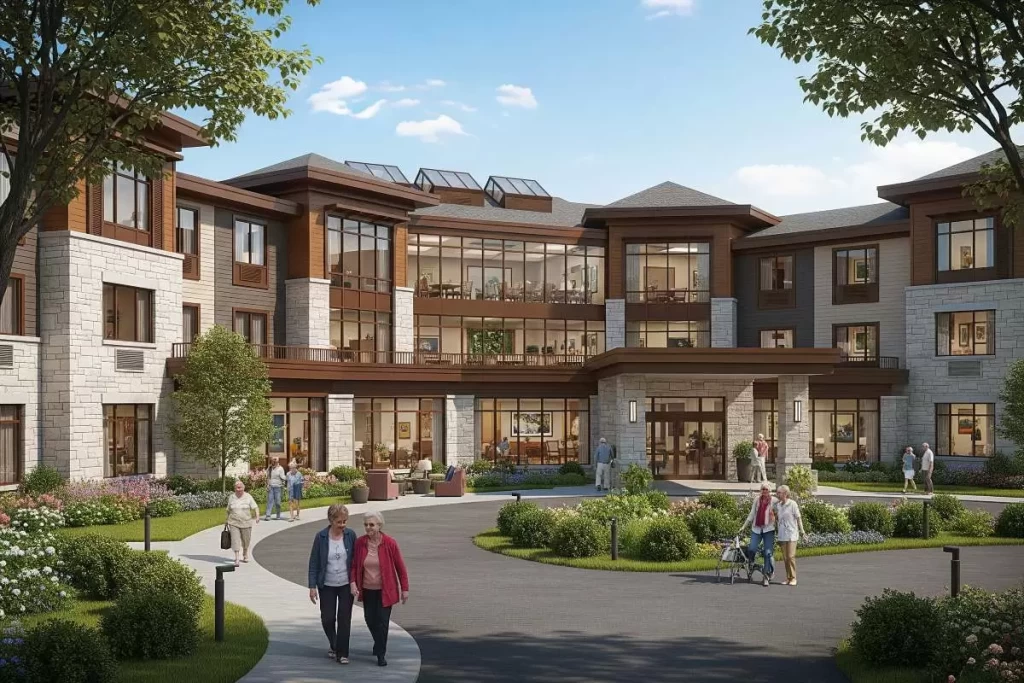
The Difference Between Assisted Living and Nursing Homes
While nursing homes provide 24/7 nursing care and monitoring for their residents, residents in assisted living communities generally promote only custodial care with outsourced medical services. The assisted living lifestyle is ideal for active seniors who seek to escape the worries of everyday problems, making most of life, and tending to their hobbies or leisure while finding opportunities for social interaction of similar mature audiences.
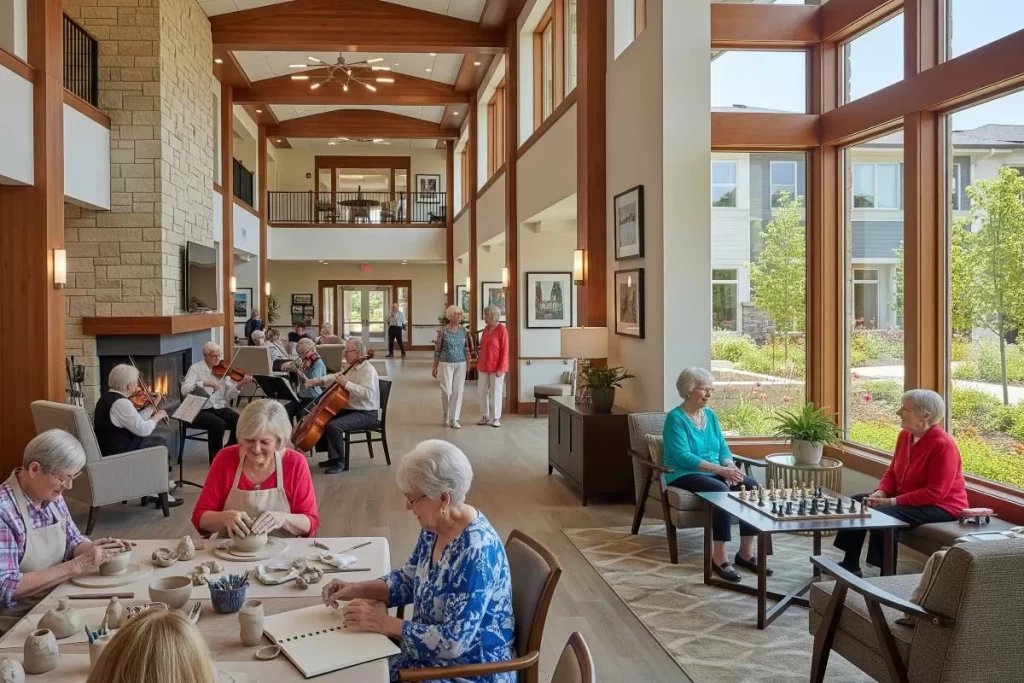
Designing Residential Units For Assisted Living
Assisted living homes often consist of an apartment or other type of residential unit that has all the basic utilities such as a refrigerator, stove, toilet, and sink, but it may also include other services that assist the senior in his or her everyday tasks. Many assisted living facilities also provide some type of assistance with transportation to and from the residence, if required, as well as with meals. Corridors may be furnished with handrails to aid in mobility, doors, ramps, and toilets may be designed in accordance with the disability act, residential units would be equipped with medical emergency response systems, floor finishes may be retrofitted with a higher coefficient of friction tiles, and the likes.
Benefits of Assisted Living
The benefits to the elderly residents of assisted living homes are two-fold. First, while the senior resides in his or her own apartment, he or she can still maintain independent living skills without the added stress of having to worry about their personal care and support. Second, assisted living homes are a safe environment for seniors, because the residents are able to safely control access to their personal belongings and other resources. They are able to choose which residents they want to help with their personal care duties.
Type of Assisted Living Projects
The type of assisted living residential facilities that are available vary widely from region to region. In most cases, senior citizens can find assisted living units within a specific area. Some city zones will allow residents to live in residential centers while others allow residents to live in apartments. If you live in a relatively large city, you may be limited to one center, but in smaller cities, you may be able to find a center that has multiple areas.
Multiple levels can also be found within some assisted living facilities, allowing residents to maintain independence while also being able to take advantage of the medical care and assistance they need. Some developers invest in multiple floors of condominium towers as bulk discounts and retrofit these floors for the assisted living operations. Just like club shares, they offer transferrable membership privileges. Senior members can actually opt to move from one building to another operating under one brand at any time in various city locations across the country.
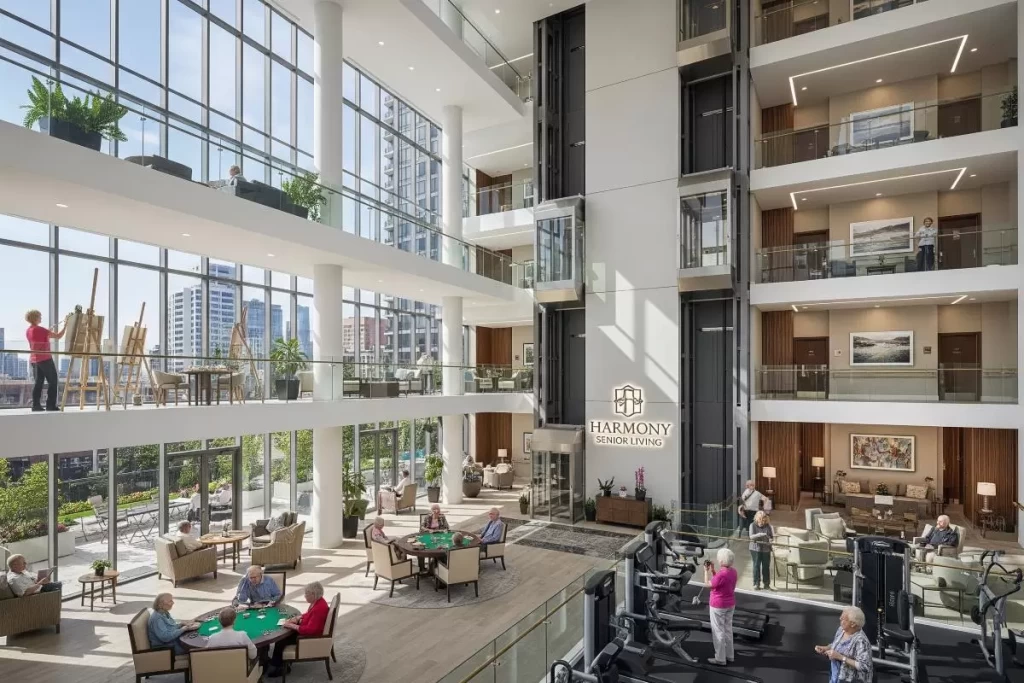
Required Services For Senior Residents
Another important factor that may help determine the cost of assisted living is if the senior communities provide a mix of services. This can include activities that are geared towards fitness, personal development, mental stimulation, and other activities that the individual may enjoy doing in the community.
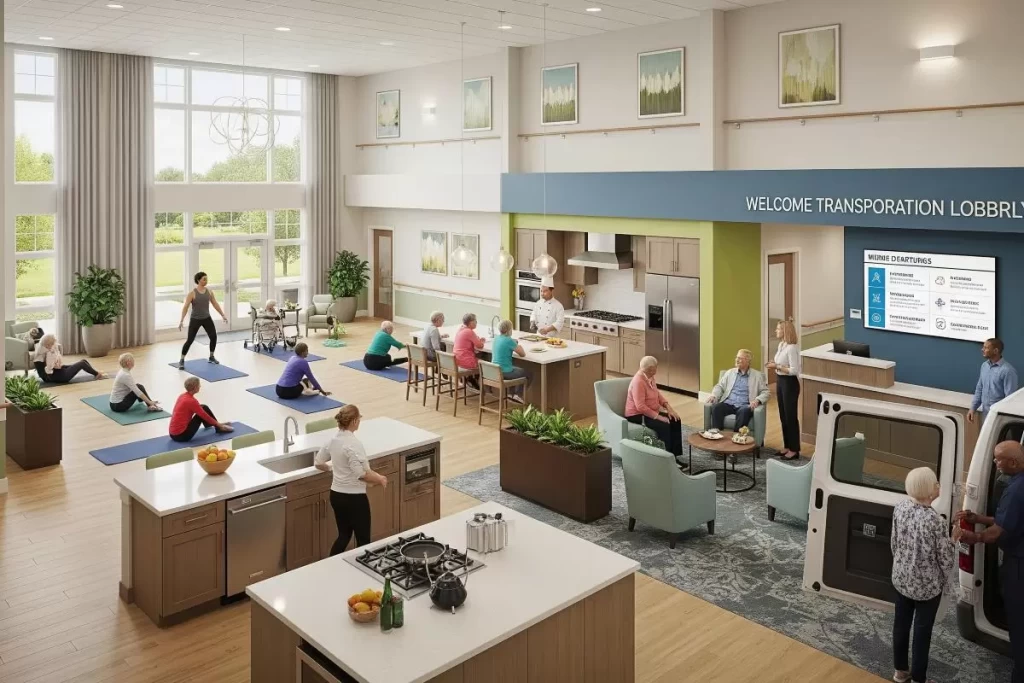
There are several types of services offered by residential facilities, including geriatric activity centers, laundry, shopping, housekeeping services, meals, medical services, and others. While some assisted living centers offer more services than others, these services can vary greatly. For instance, in larger cities, the senior center may have any or all of the services that an apartment does. In fact, many of these residential facilities, especially larger assisted living centers, offer large open parks, function halls for senior community events like dances and art programs, physical therapy for seniors, nursing care clinics, entertainment studios, a fully integrated commercial kitchen, full-service laundry, and similar amenities. While some of these apartment homes do offer personalized neighborhood services like housekeeping, laundry, grooming, and therapy, it is possible to obtain them at a cost. Depending on the type of business model, the services may be included in a monthly or weekly rate, or even offered at no charge for members or shareholders.
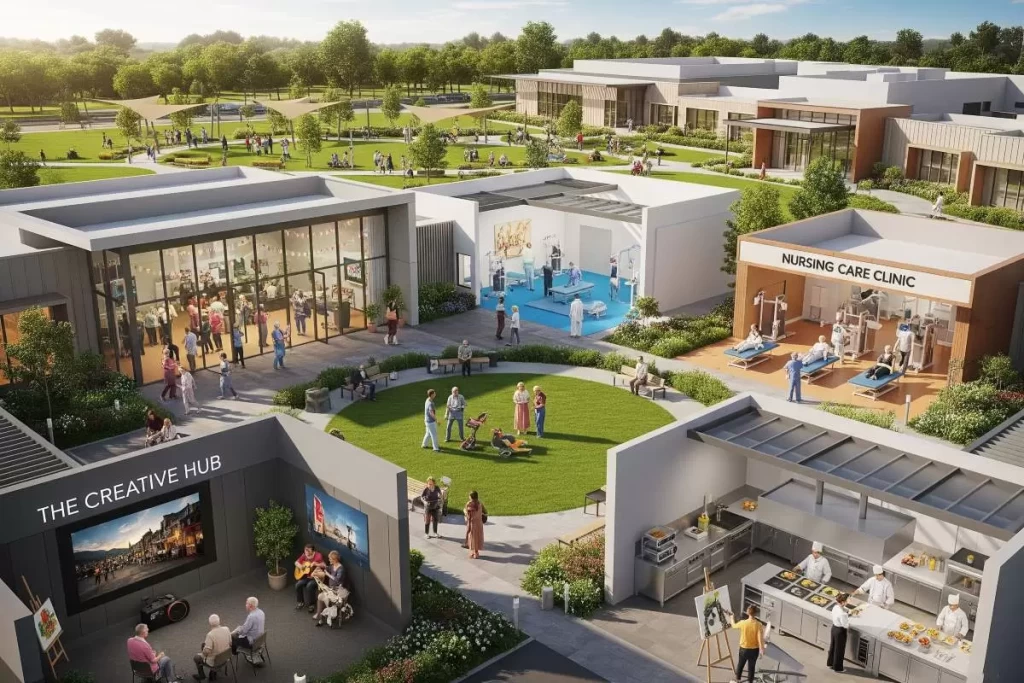
Lifestyle Residences vs Service Facilities
There are many reasons why people choose assisted lifestyle residences integrated with various amenities and services over mere assisted living facilities. While it is true that assisted living facilities can provide many things for senior citizens, there are also numerous challenges in their upkeep and operational funds. Many consumers and facilities have had to tighten up their budgets and become creative in converting to value-oriented senior lifestyle options.
However, those that do choose for more traditional senior living facilities may find a wider variety of innovations in new locations such as green and smart homes, eco-friendly living, and expanded amenities in assisted living facilities. These new locations are great places to live because they offer a higher quality of life as compared to the usual practices of compartmentalizing services. In addition to the makeover of new facilities, some consumers may find that traditional assisted living options are being discontinued, which makes the choice of expanded assisted lifestyle facilities or community residences even more attractive.
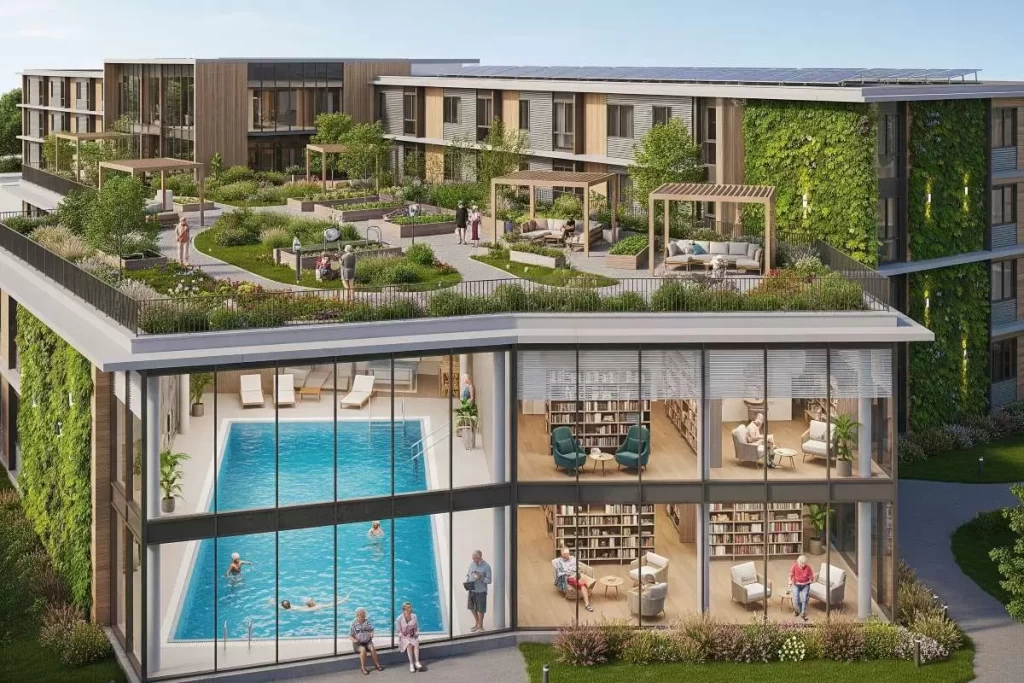
Seniors can choose from assisted apartments or assisted homes depending on their needs. If they are unable to do some of the activities at home, they will find that they are able to enjoy activities that do not require leaving their house. Some assisted living facilities even offer activities such as swimming, walking, hiking, gardening, golfing, playing games, visiting museums, libraries, and visiting art museums.
The Type of Activities Establish The Design Direction
If you are interested in planning the services that a particular center offers, you may want to check with some of the senior residents in an area or with the administrator to determine what amenities they offer. It would be also wise to collect brochures and contracts with the facility for future references. It is important that prospecting families are assured of the safety, variety, and welcoming environment while being able to provide their loved ones with the services they need.
In choosing a senior community development project, the first step is to find out the level of service that is unique to the project. It is best to decide on a community that provides an array of activities, whether it is physical activities that may not involve going outside their apartment or residential units very often. When looking into designing and planning spaces, proximities, and orientation in assisted living projects, make sure that the services are accessible and efficient. Vital features may include housekeeping, transportation, food preparation, and cooking, laundry, housekeeping, shopping, laundry, meals, personal care, errands, medical services, and a variety of other tasks.
Assisted Living Outlook In The Philippines
Assisted living is a great option for those who want to stay independent, while still receiving the support and care they need to maintain their health and dignity. While there are a few differences between assisted living centers and traditional retirement homes, most centers are designed to offer the same level of care and services that traditional retirement homes provide.
The number of senior communities is constantly growing as more people find that they are in need of assisted living. There are thousands of senior communities and apartment complexes that are available to meet the needs of the aging population. Senior homes are now located in cities throughout the country and are often located close to major employers. This allows seniors to live in a safe, stable environment while still being able to work or relax while they get the treatment and care they need.
Agricultural or nature-centric properties in the Philippines offer unique opportunities for development into eco-tourism resorts, incorporating an assisted living business model. Rich in natural beauty and biodiversity, these properties can transform into sustainable resorts, providing seniors with a tranquil and engaging environment for their retirement years. By integrating assisted living facilities within these eco-torusim resorts, seniors can access necessary care and support while relishing the benefits of living close to nature. Such an innovative approach not only delivers a valuable service to seniors but also promotes conservation of natural landscapes and contributes to eco-tourism growth.

Why Assisted Living in the Philippines?
Starting an assisted living business in the Philippines to cater to local and foreign seniors would be an ideal investment. Similar to medical tourism, Filipinos are sought after for their warm smiles and hospitality from around the world. Respect for elders is strongly engrained in the culture. Filipinos are familiar with various foreign settings due to their number of overseas workers. They can also adapt easily to most languages. As a matter of fact, English as a language is taught in school.
The country is composed of thousands of islands as well as surrounded by waters. Almost all urban and provincial development in the country is still on the rise. If you know where to look, most property gems are oriented towards some scenic view, natural landscapes, or integrated with the perfect island experience of greeneries, water, sunlight, and fresh air.
Despite deep traditions, the next generations are gradually adapting to a lot of modern lifestyles. The number of senior communities is constantly growing as more people find that they are in need of assisted living. There are thousands of senior communities and apartment complexes that may be developed and are available to meet the needs of the aging population.
How well do you think the Philippines will adopt assisted living and senior care services away from home? What will be the benefits and conditions of senior citizens in the Philippines? Please drop your questions or comments below. Looking forward to hearing from you!


Leave a Reply