



Blockchain real estate investment in the Philippines transforms how capital flows into the property sector. For decades, foreign participation in the local market has been limited by restrictions on land ownership, slow processes, and reliance on traditional intermediaries. Today, blockchain tokenization introduces fractional ownership, cross-border access, and faster settlement. It also provides transparency, lowers transaction costs, and opens doors to more investors. Together, these features create a modern investment pathway aligned with global financial innovation and attuned to the needs of a digital economy.
Blockchain Real Estate Investment in the Philippines as a Gateway for Global Capital
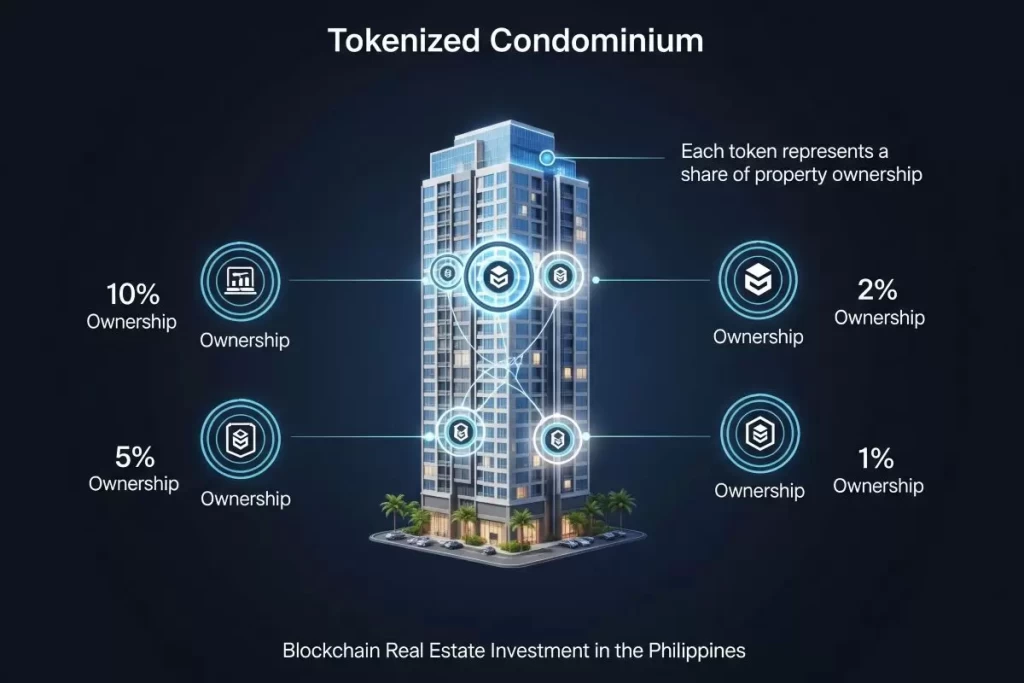
Tokenization converts real estate assets into digital tokens recorded on a blockchain. Each token represents a share of ownership or economic rights in the property. This enables investors to purchase fractional interests in projects requiring significant capital commitments. In the Philippine context, where demand for real estate has surged in cities like Metro Manila, Cebu, and Davao, blockchain real estate investment in the Philippines offers a way for both local and global investors to participate in growth markets with smaller, more flexible investments.
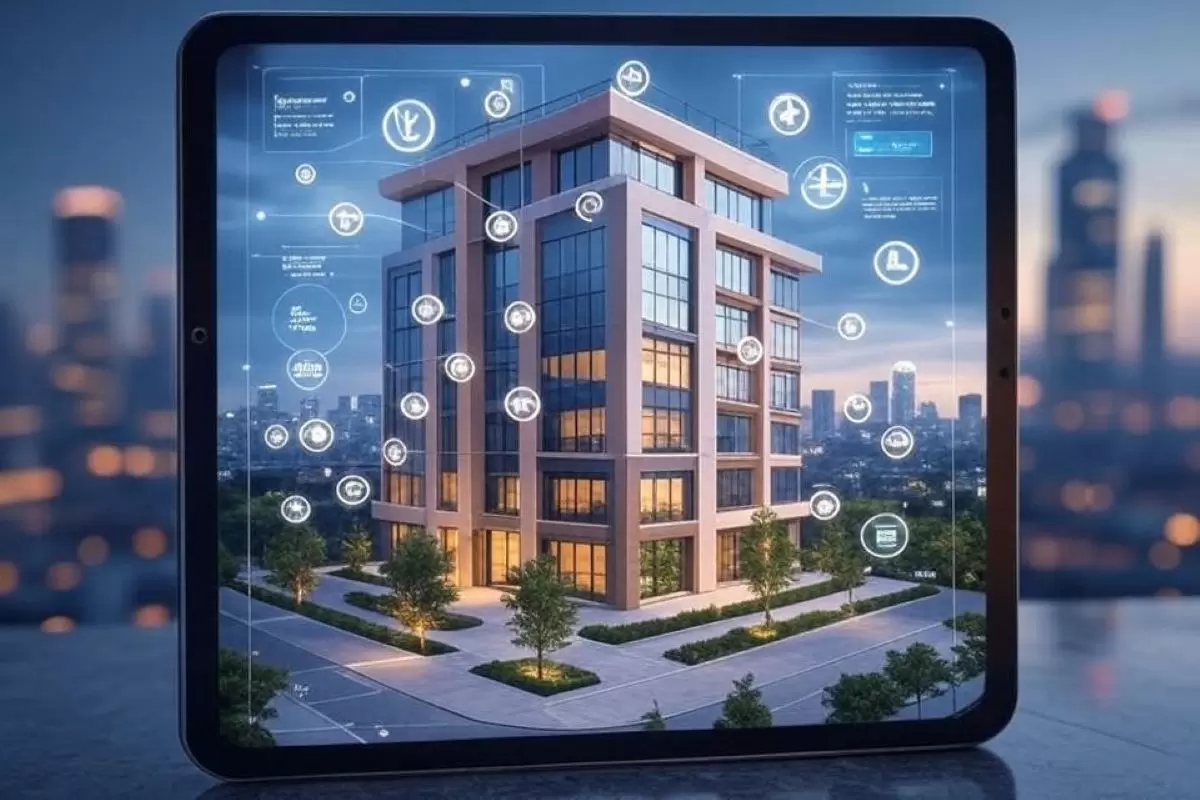
International platforms such as RealT in the United States and ADDX in Singapore have already demonstrated the potential of tokenized real estate. In Southeast Asia, the Philippines is seen as a promising next frontier. Rising demand for residential and commercial developments from the BPO industry, tourism, and a growing middle class support this outlook. Global investors looking to diversify into emerging markets now see tokenized Philippine properties as an attractive alternative.
Tokenization also breaks the barrier of geography. Traditional property investment often requires a physical presence, multiple legal intermediaries, and complicated ownership structures. By contrast, blockchain platforms allow accredited investors from anywhere worldwide to access Philippine property opportunities with a few digital steps. This allows overseas Filipinos, global funds, and institutional investors to participate in the country’s real estate market easily.
Fractional Ownership and Liquidity in Blockchain Real Estate Investment in the Philippines
Traditional Philippine property investment has long been illiquid, with long holding periods before exit. Blockchain tokenization addresses this challenge by allowing fractional ownership and secondary trading. Through compliant exchanges, investors can resell their tokens, introducing liquidity into an asset class previously tied up for years. This liquidity attracts younger investors who value accessibility and faster returns while giving developers new funding sources beyond bank financing.
For landowners, tokenization creates opportunities to unlock value without selling entire estates outright. Instead, they can structure ventures that distribute ownership across multiple investors. This strengthens joint venture architecture in the Philippines, where collaboration between landowners, developers, and investors drives many successful projects, as discussed in Philippine property market insights. Landowners can bring in capital partners by offering fractional shares while maintaining control and vision over long-term development.
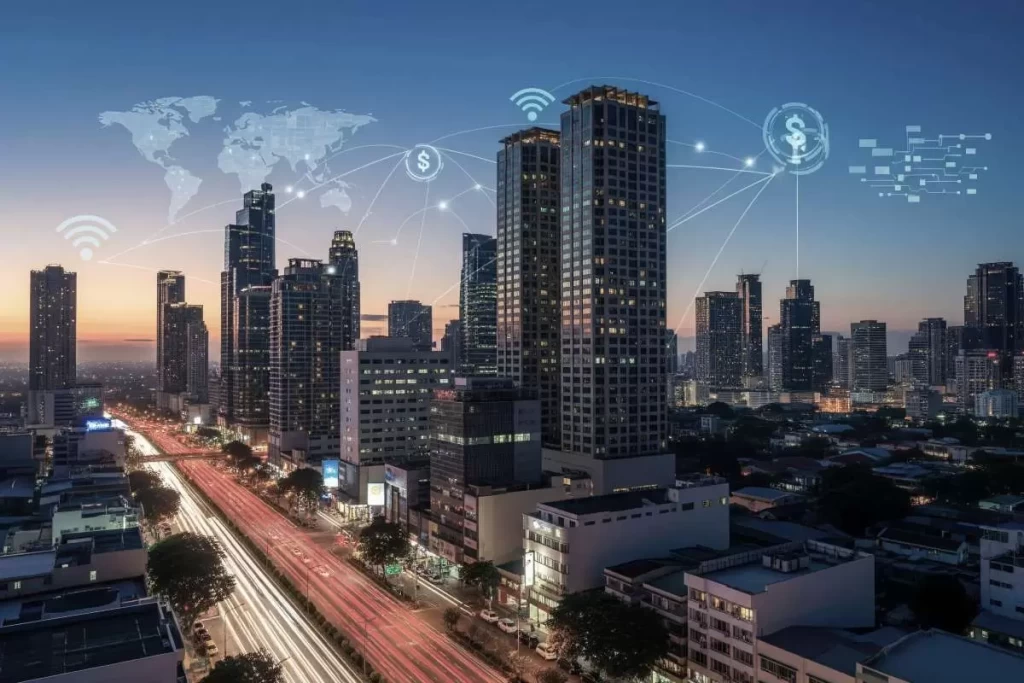
Liquidity also allows property developers to raise funds more efficiently. Instead of waiting for complete pre-sales of units, developers can tokenize portions of their project to attract early investment. This financing model supports faster project rollouts and can reduce dependence on traditional lending institutions. In turn, investors gain the flexibility to exit or reinvest depending on market conditions, making real estate investment more dynamic.
Regulatory Developments in Blockchain Real Estate Investment in the Philippines
The Philippine Securities and Exchange Commission (SEC) has actively developed digital asset frameworks. In 2023, the SEC issued advisories on tokenized securities and worked on draft rules to regulate virtual asset service providers. These align with the global standards set by the International Organization of Securities Commissions (IOSCO). The Bangko Sentral ng Pilipinas (BSP) has also monitored blockchain applications in finance, particularly digital payments and remittances. These regulatory initiatives are critical in building investor confidence for blockchain real estate investment in the Philippines.
The SEC’s stance clarifies that tokenized property shares are treated as securities and must comply with registration or exemption requirements. This ensures consumer protection while signaling to investors that blockchain-based offerings are taken seriously within Philippine financial law. As regulations mature, institutional investors may increase participation, further legitimizing the sector.

To complement this, the BSP has been exploring central bank digital currencies and monitoring stablecoins as possible tools to facilitate blockchain-based transactions. These digital currencies could streamline cross-border payments for property investors if integrated into real estate tokenization. The government’s progressive approach suggests a long-term vision where digital assets coexist with traditional finance to support the country’s growth.
Case Studies in Tokenized Real Estate
Although tokenization in the Philippines is still in its early stages, several case studies worldwide provide valuable insights. In Singapore, ADDX has tokenized luxury real estate funds, opening access to investors with as little as US$10,000. In the United States, RealT enables investors to buy tokenized shares of rental properties, earning daily rental income distributed through blockchain networks. These models demonstrate that tokenization can combine steady returns with digital convenience. Philippine developers can adapt these concepts.
Locally, early pilot projects have explored tokenizing condominium units for pre-sale. While small in scale, these initiatives highlight how blockchain can simplify buyer verification, accelerate funding, and reduce transaction costs. As these pilot programs mature, larger-scale commercial real estate and tourism property applications will likely follow.
Investor Benefits And Risks
For foreign investors, blockchain real estate investment in the Philippines presents a strategic entry point into one of Southeast Asia’s fastest-growing markets. The country’s young population, strong outsourcing sector, and urbanization trends sustain demand for housing, retail, and office spaces. Tokenization allows easier participation without the complexities of traditional property ownership restrictions.
For local investors, tokenization provides access to previously out-of-reach premium assets. Instead of needing millions to purchase high-value properties in Metro Manila, investors can enter with smaller contributions. They can also diversify their portfolios across multiple developments. This democratizes investment and encourages greater financial inclusion in the property sector.
However, investors must remain aware of risks. These include evolving regulations, potential cybersecurity threats, and the volatility of digital asset markets. Due diligence remains essential, especially in assessing the credibility of platforms offering tokenized property shares. Developers and architects must also ensure tokenized projects are anchored in sound master planning and financial viability. Design excellence remains integral to long-term value.

Design And Architectural Implications
Tokenization also impacts how developments are conceived and executed. Architects and master planners must now consider how to design attractive projects for buyers and global investors who view opportunities through blockchain platforms. Design quality, sustainability features, and long-term adaptability become central to investment appeal.
Projects with mixed-use elements, resilient infrastructure, and community-centered planning stand out in tokenized markets. Investors assess financial returns and the development’s livability, resilience, and long-term prospects. This pushes architects to integrate innovation in climate-responsive design, green certifications, and flexible urban spaces. These remain valuable across market cycles.
By merging blockchain financing with architectural foresight, tokenized real estate can deliver profitable and future-ready developments. The integration between financial technology and design excellence enhances stakeholder value creation.
Future Outlook For Blockchain Real Estate Investment In The Philippines
A joint ADDX and Boston Consulting Group report projects that asset tokenization could reach about US$16.1 trillion by 2030, or roughly 10% of global GDP. In the Philippines, adoption will likely begin with high-value projects in Metro Manila before expanding into tourism-driven markets such as Cebu, Palawan, and Siargao. International partnerships with blockchain platforms are expected to accelerate, linking Philippine properties with global pools of capital.
Developers are already considering hybrid financing models where part of a project is funded traditionally and part through tokenization. This approach lowers barriers to entry and diversifies funding sources. For institutional investors, the ability to access Philippine developments through tokenized platforms could strengthen confidence in the market. Stable regulations will further reinforce this.
For architects and developers, tokenization opens new opportunities to finance ambitious master plans integrating residential, commercial, and recreational uses. It allows visionary projects to attract funding earlier while spreading risk among diverse investors. For investors, it means access to markets that were once beyond reach. For landowners, it transforms idle land into dynamic, income-generating ventures through structured participation.
Blockchain real estate investment in the Philippines stands at the intersection of design, technology, and finance. As regulations evolve and platforms mature, tokenization has the potential to reshape how developments are funded and owned. This positions the country as a regional leader in innovative property investment.

Leave a Reply