
-
The Breathe Baguio Program As The Next Big Step



Baguio City faces increasing challenges of overdevelopment, traffic congestion, and the gradual loss of its green spaces, threatening the essence of its natural beauty and livability. In response, the “Breathe Baguio” initiative stands at the forefront of the city’s efforts to reclaim its environmental heritage and promote sustainable urban planning. This program focuses on revitalizing
-
Cebu Pacific Expands Its Horizons With AirSWIFT

On October 7, 2024, Cebu Pacific announced a ₱1.75 billion (approximately $30 million) agreement to acquire AirSWIFT Transport Inc. from ALI Capital Corp., a boutique airline known for its presence in the domestic travel market, mainly focusing on leisure destinations within the Philippines. Cebu Pacific aims to enhance accessibility to local destinations recognized for their tourism potential. The airline’s president,
-
The Omnibus Investments Code Of 1987 For Private Developers

The Omnibus Investments Code of 1987, formally known as Executive Order No. 226, was signed into law by President Corazon C. Aquino on July 16, 1987. This legislation aimed to create a more favorable environment for domestic and foreign investments in the Philippines by integrating and clarifying existing investment laws. It incentivizes private developers and
-
Consortium vs Joint Venture In Philippine Real Estate
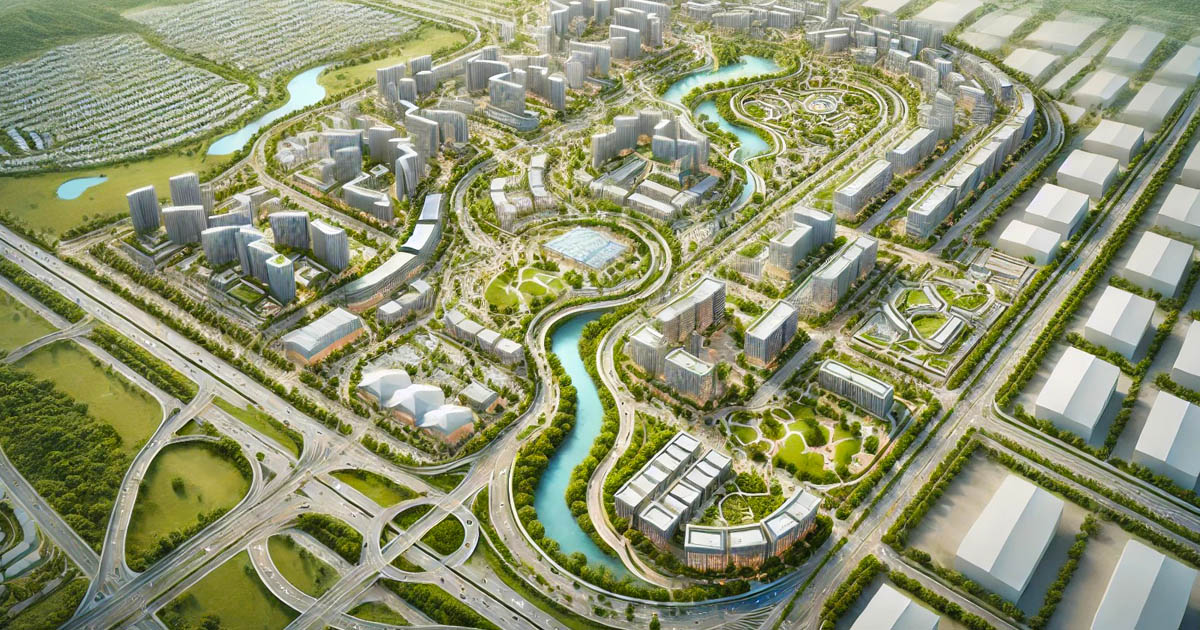
In the fast-evolving Philippine real estate sector, developers and investors frequently engage in collaborative efforts utilizing various business models to enhance project efficiency and mitigate risks. Consortiums and joint ventures, two prevalent approaches, offer specific advantages tailored to distinct project requirements. Although many in the industry use these terms interchangeably, consortium vs joint venture differ
-
Why Prime Real Estate In The Philippines Sells

The coveted combination of location, architectural finesse, and superior construction materials often attracts the high-end market. Yet, these tangible elements, though essential, are merely the starting point. The true allure of prime real estate in the Philippines is deeply rooted in the intangibles, elements that are not seen but felt. These properties are places to
-
Human-AI Cooperation in Architecture

For centuries, architecture has thrived on the collaboration between diverse professionals—architects, engineers, specialty designers, and urban planners. This collective effort has driven the evolution of architectural design, blending artistic vision with technical precision. As we advance into the digital age, a new player has entered the field: artificial intelligence (AI). The advent of AI introduces
-
House Construction Costs In The Philippines 2024

Building a single-detached home in the Philippines in 2024 is an enterprising endeavor that demands more than enthusiasm and vision. It requires a profound understanding of house construction costs and the practical strategies to manage this substantial investment. The financial aspects of home construction can be unpredictable due to various factors such as the type
-
Developing Coastal And Seaside Residences In The Philippines

Developing seaside residences in the Philippines presents a unique fusion of technical innovation and strategic business planning. The coastal regions of the Philippines, with their awe-inspiring vistas and abundant natural resources, serve as an exceptional canvas for crafting living spaces that cater to modern needs while honoring the environment. Seaside residences in the Philippines offer
-
Legal and Regulatory Joint Venture Requirements in the Philippines

Joint venture requirements in the Philippines offer companies, investors, and individuals a safer opportunity to combine resources, expertise, and market access. Succeeding in these partnerships requires an understanding of the legal and regulatory framework. The process begins with documentation, involving strict compliance with local regulations and navigating foreign ownership restrictions, capitalization requirements, and industry-specific rules.
-
Dawn of Meta-Builders In Architectural Design and Construction

I wish to coin the term “meta builders” as a groundbreaking shift in architecture and construction, heralding a new era where the fusion of Artificial General Intelligence (AGI) and advanced robotic technologies paves the way for unprecedented advancements in building design, construction, and operation. These innovative paradigm shifts redefine the role of architects and builders
-
Will Artificial Intelligence or AI Replace Architects?

Most advocates in the Architecture, Engineering, and Construction or AEC industry argue that it is improbable that Artificial Intelligence (AI) will completely supplant architects in the foreseeable future. Conversely, many regard AI as a tool that can augment the architect’s creativity rather than a substitute or a rival. Artificial intelligence can enhance formulaic or labor-intensive
-
The Charm of Midcentury Modern Architecture In The Philippines

Midcentury modern architecture is a style that emerged in the middle decades of the 20th century, primarily in the United States and Europe. The post-World War II boom and the exploration of materials such as steel, concrete, and insulated glass influenced it. Clean lines, open floor plans, and a focus on functionality characterize the style.
-
Eco-Tourism Architecture and Guide To Sustainable Sanctuaries

The intersection of design and environmental stewardship heralds an era where eco-tourism architecture showcases the symbiosis of nature and human creativity and underscores a commitment to minimizing ecological footprints. This architectural paradigm champions sustainability, seamlessly integrating structures within their natural landscapes while promoting eco-friendly practices and energy efficiency. The growing trend towards sustainable travel mirrors
-
The Hidden Value of Focused Joint Venture Developments

In 2024, the Philippine real estate landscape is on the cusp of an exciting evolution, mainly through the lens of pocket or more focused joint venture developments. Favorable economic forecasts, targeted government support, and a keen interest from local and global investors nurture this shift. These compact projects emerge as vibrant hubs of innovation and

Ian Fulgar is a development strategist and architect known for creating real estate ventures that align land, capital, and vision. He leads projects from concept to structure, combining master planning, business insight, and design intelligence to shape original and viable opportunities. As the Architect of Ventures, he brings depth in architecture with a future-focused approach to land use, investment models, and collaborative development.