

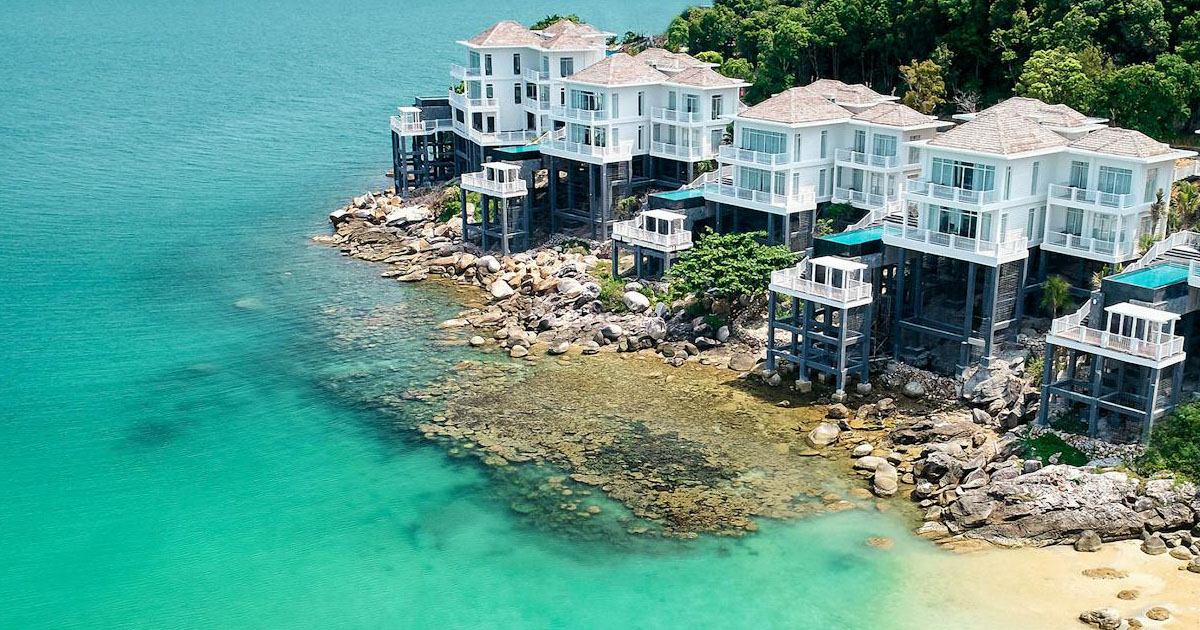
Developing seaside residences in the Philippines presents a unique fusion of technical innovation and strategic business planning. The coastal regions of the Philippines, with their awe-inspiring vistas and abundant natural resources, serve as an exceptional canvas for crafting living spaces that cater to modern needs while honoring the environment. Seaside residences in the Philippines offer unparalleled opportunities for those seeking to invest in a blend of luxury, sustainability, and strategic location, promising an abundant and eco-conscious lifestyle.
Coastal Construction And Erosion Management Plans
Addressing coastal construction and shoreline erosion remains critical in planning and regulating seaside residential community developments. Implementing setbacks from the shoreline is a proactive measure to protect structures from wave action and erosion. These setbacks ensure that buildings remain safe and durable over time, minimizing the risk of damage from natural forces. Moreover, by maintaining a buffer zone, planners guarantee that residents have free and unobstructed access to the shore, preserving the community’s connection to the natural landscape.
Developers also incorporate natural barriers like dunes and vegetation to mitigate erosion further. These natural features enhance the community’s aesthetic appeal and serve as adequate protective buffers against the sea. Regulations often require sustainable building materials and techniques that can withstand harsh coastal conditions, prolonging structures’ lifespan and reducing maintenance costs.
Embracing Sustainable Architecture
Modern seaside residences champion sustainability. Architects and developers are at the forefront of implementing eco-friendly measures to curb environmental impacts. This strategy involves using green building materials in construction, such as bamboo, natural stones, and recycled wood. These materials are durable and environmentally friendly, inspiring a new era of sustainable architecture in the Philippines.
Passive Design Strategies
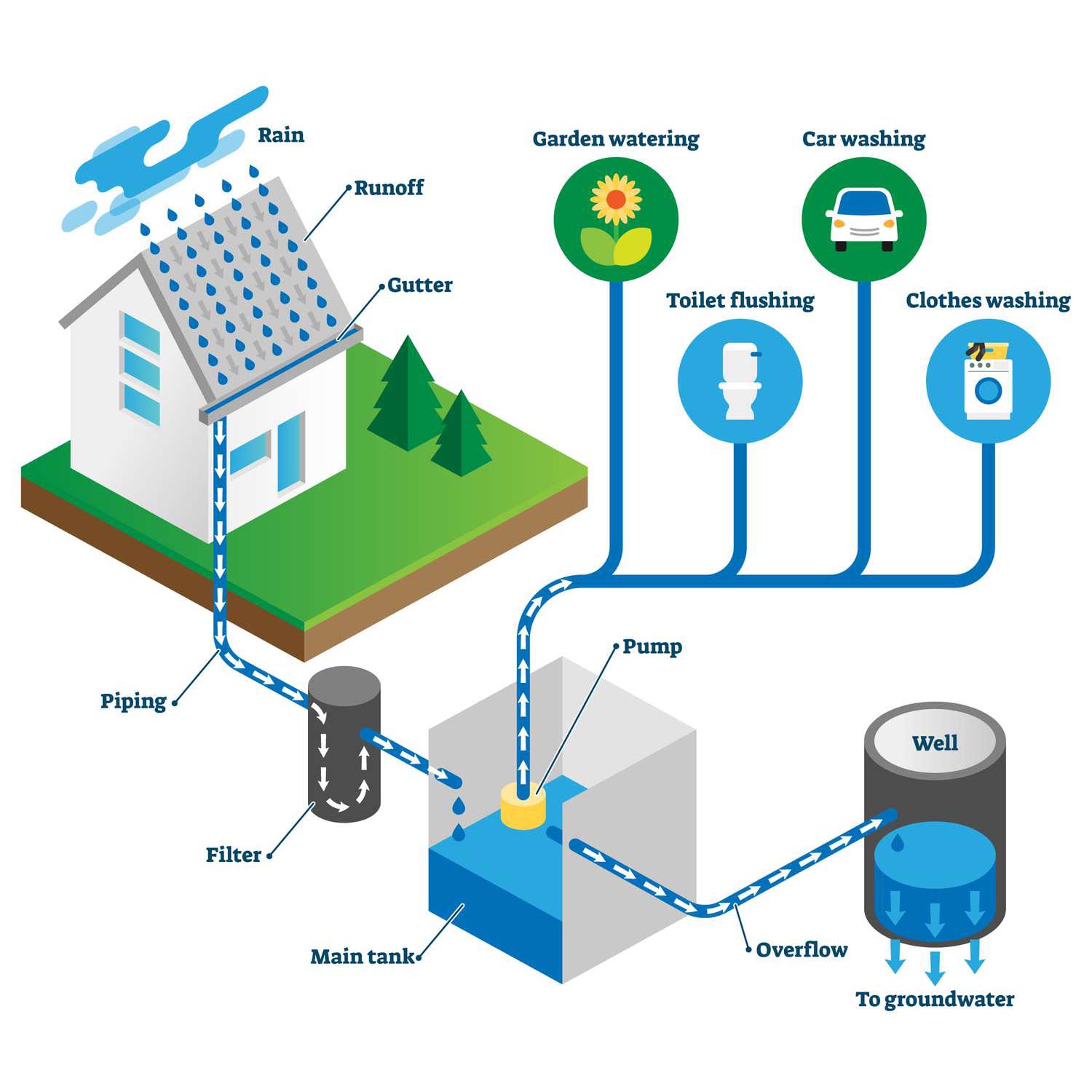
Having enough potable water is detrimental in coastal locations with unpredictable weather conditions. Advanced water management systems and techniques like rainwater harvesting and greywater recycling help save water supplies. Additionally, designs that maximize natural ventilation and lighting reduce the need for artificial lighting and air conditioning, thereby decreasing energy consumption. Establishing green areas and incorporating natural elements, such as native plants and green roofs, enhances biodiversity and creates healthier living environments.
Renewable Energy Solutions
Designers harness natural energy sources by integrating solar panels, wind turbines, and geothermal systems. These systems significantly reduce the carbon footprint of these homes and lower long-term energy costs for homeowners. In addition to financial benefits, renewable energy enhances the resilience of seaside communities by providing a reliable energy supply during extreme weather conditions. Governments and environmental organizations often support these initiatives through incentives and grants, encouraging widespread adoption. Embracing renewable energy in seaside residences promotes ecological sustainability and fosters architectural design and community planning innovation.
Effective Waste Management Systems
Operators incorporate composting facilities, recycling programs, and waste-to-energy technologies to manage waste sustainably. These initiatives reduce environmental impact by reducing landfill use and promoting resource recovery. Composting turns organic waste into nutrient-rich soil, benefiting local coastal vegetation. Recycling programs decrease the demand for raw materials, conserving natural resources.
Strategic Location and Infrastructure
Situated near vital infrastructure such as airports, highways, and commercial hubs significantly amplifies the allure of seaside residences. Modern infrastructure developments have transformed previously inaccessible coastal locales into attractive property hotspots, contributing to regional real estate booms. Enhanced transit networks have shortened travel times and elevated the general quality of life, making these places more appealing for residential investment and instilling confidence in the investment potential.
Proximity To Amenities
Near schools, medical centers, shopping centers, and recreational facilities enhance convenience and property values. Integrating these amenities into seaside communities ensures residents enjoy a balanced and fulfilling lifestyle without traveling far.
Smart Infrastructure Integration
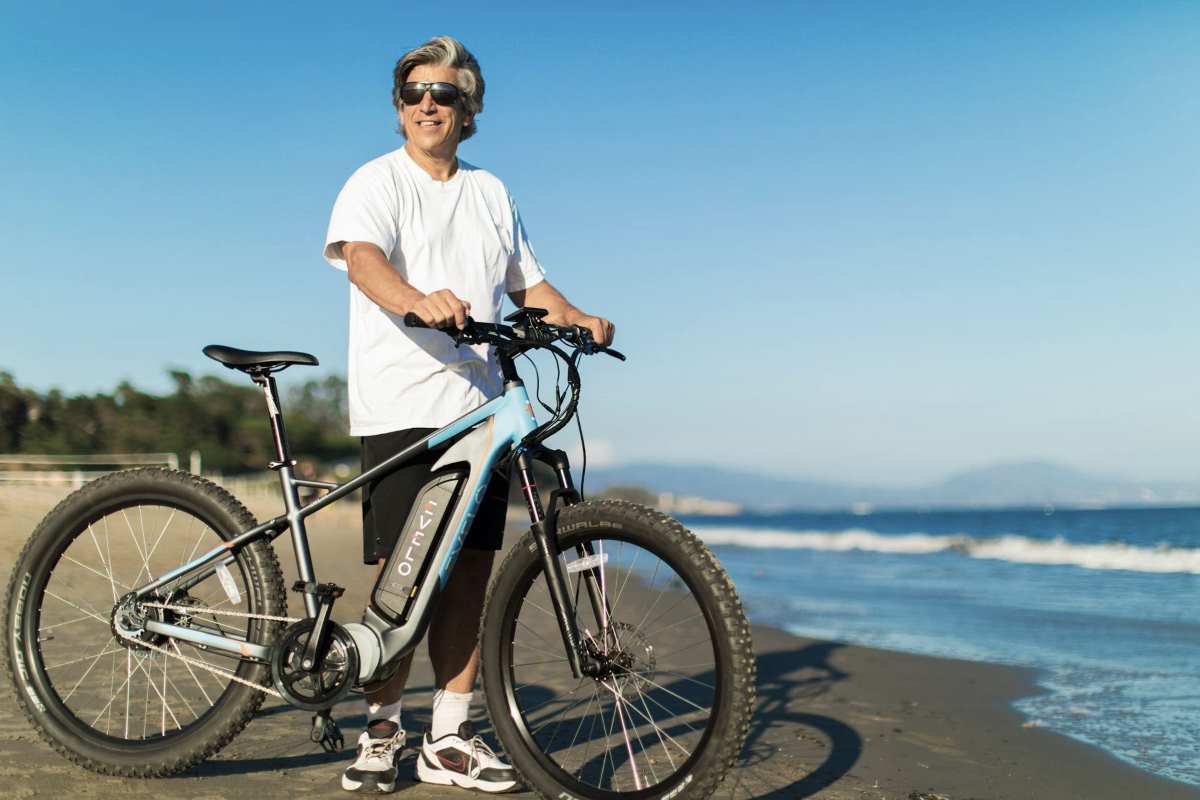
High-speed internet, smart home technologies, and sustainable transportation options are becoming standard in these developments. For instance, lighting automation and rechargeable electric bikes offer residents modern living solutions, which are a practical and valuable addition to any smart home system for a vacation property near the beach. Smart infrastructure enhances the convenience and security of residents and attracts tech-savvy buyers who value modern living solutions.
Marinas And Beachfront Promenades
Tourism infrastructure significantly enhances the appeal of seaside residences, transforming coastal areas into vibrant, attractive communities. Developing marinas provides docking facilities for boats and yachts, attracting boating enthusiasts and creating opportunities for water-based activities. Beachfront promenades serve as picturesque walkways featuring cafes, restaurants, and shops, fostering a lively social atmosphere. These enhancements draw more people to the area, boosting local economies and offering residents convenient access to maritime recreation and strolls.
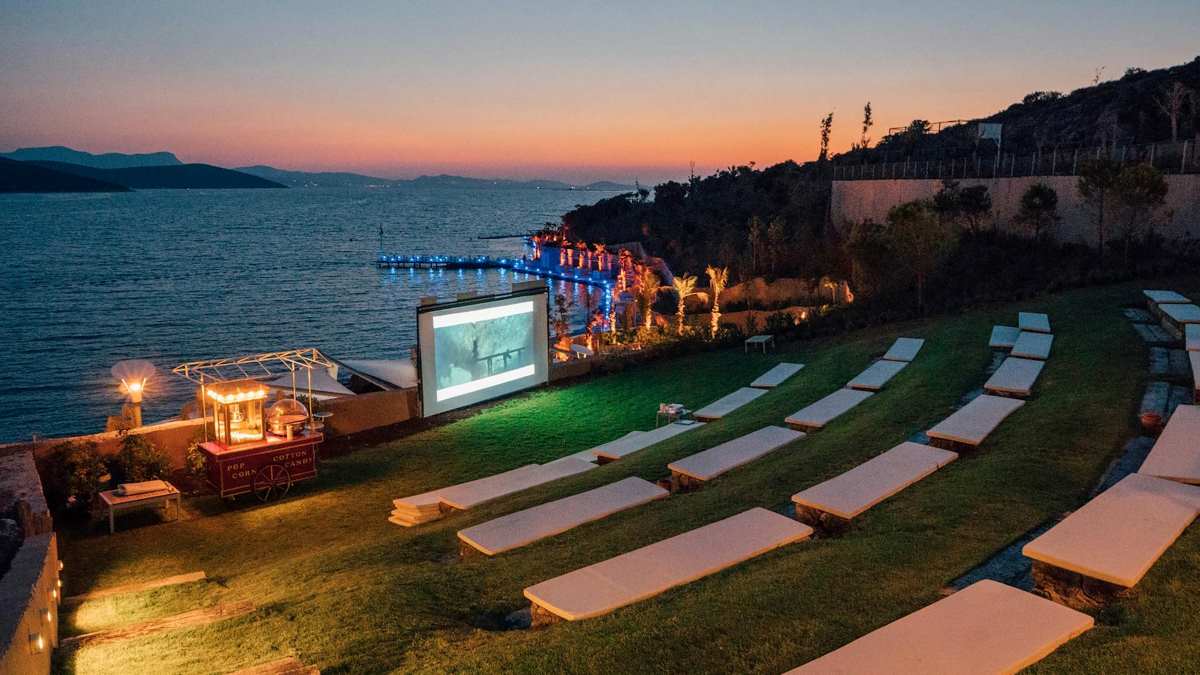
Cultural attractions, such as open theaters, galleries, and performance spaces, enrich the cultural landscape of seaside communities. These venues host events and exhibitions celebrating local history and arts, promoting residents’ pride and cultural identity. Developers prioritize sustainable tourism practices to maintain the pristine environment that makes seaside residences desirable. Planners attract tourists and long-term residents by investing in robust tourism infrastructure and implementing green building techniques.
The Best Of Paradise Planned
Master-planned communities offer homeowners a pleasant living environment and easy access to necessary amenities. These communities often feature a mix of commercial spaces, such as retail outlets, restaurants, and service centers, adding convenience and improving the overall living experience. Parks, swimming pools, sports complexes, and seaside access are common recreational facilities that encourage a healthy and active lifestyle.
Pedestrian-Friendly Environments
Walkways, cycling paths, and public transportation options reduce the reliance on cars, promoting a more sustainable way of living. Including community centers and social spaces fosters a sense of belonging and camaraderie among residents.
Community Engagement Initiatives
Regular events, workshops, and recreational activities encourage interaction among residents and create a cohesive community spirit. These initiatives not only improve social well-being but also enhance the community’s appeal to potential buyers.
Health and Wellness Facilities
Fitness centers, yoga studios, and wellness spas offer residents convenient access to services that promote a balanced, healthy lifestyle. These amenities encourage regular physical activity, improving physical and mental well-being. Additionally, wellness spas provide therapeutic activities that help reduce stress and enhance relaxation. By incorporating these facilities, seaside communities create an environment supporting holistic health, attracting those prioritizing wellness.
Resilience and Readiness
Given the Philippines’ susceptibility to natural disasters like typhoons and earthquakes, beachside residential constructions must prioritize disaster preparedness. However, it’s important to note that these measures, while effective, do not eliminate all risks. Potential investors should be aware of the saltwater’s corrosive ability, wind-born damages, and pest infestations, and consider them in their investment decisions. Fundamental design strategies include raising homes on higher levels or elevated platforms to protect against flooding and storm surges. Reinforced materials ensure structures can withstand high winds and seismic activity, ensuring structural longevity and safety.
Community Resilience
Including disaster-ready shelters and emergency response plans greatly enhances community resilience. These shelters offer residents safe spaces during emergencies, ensuring their protection. Well-developed evacuation routes and robust communication systems enable swift and effective responses to potential threats. By preparing for natural disasters, communities can reduce damage and recover quickly. Emergency response plans often include resident training programs, fostering a sense of preparedness and cooperation. This proactive approach safeguards lives and property and strengthens the community’s ability to withstand and bounce back from adverse events.
Innovative Construction Techniques
Modular construction facilitates faster and more effective building procedures and simplifies modifications and repairs. Modern building materials with enhanced strength and flexibility to withstand natural forces include carbon fiber composites, insulated panels, fiberglass, and engineered wood. Over time, these materials increase durability and lower maintenance expenses. Green building techniques enhance these homes’ durability using sustainable materials and energy-efficient designs. Seaside communities may better withstand and recover from environmental difficulties by using these cutting-edge construction techniques, assuring long-term sustainability and safety.
Early Warning Systems
Implementing advanced monitoring and communication systems ensures that residents receive timely warnings about impending natural disasters, allowing them to take necessary precautions and evacuate if needed.
The Possibilities Of A Coastal Goldmine
The tourism appeal of coastal areas significantly enhances the rental potential and resale value of seaside residences. Known for its captivating beaches and vibrant marine life, the Philippines attracts local and international tourists, creating high demand for vacation homes and short-term rentals. This robust tourism market ensures steady rental income and elevates the overall investment value.
Real Estate Appreciation Of Seaside Residences
Properties in well-planned and strategically located seaside communities tend to appreciate over time due to their unique properties, offering substantial returns on investment. The growing middle-class population, with increasing purchasing power, also drives demand for high-quality residential spaces. Developers respond to this market by creating well-designed communities that cater to the middle class’s aspirational lifestyles, incorporating modern amenities and conveniences.
Diversified Investment Opportunities
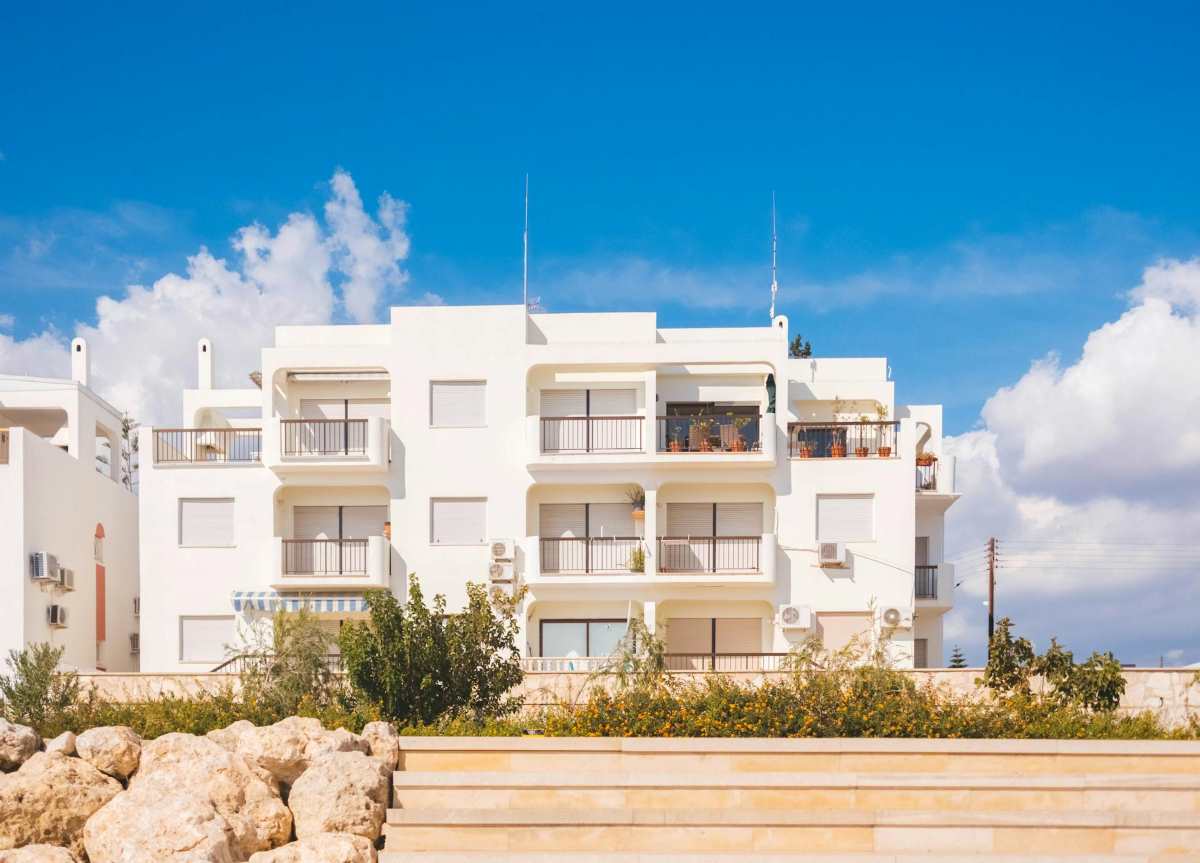
Investors should carefully consider the challenges associated with coastal property investments, including storm damage, flooding, and erosion, and develop strategies to mitigate these risks. They should consider diversifying their portfolio by investing in different types of coastal properties, such as single-family homes, condominiums, villas, and townhouses. Additionally, innovative investment models like Real Estate Investment Trusts (REITs) provide opportunities for collective investment in high-value properties.
Income From Tourists And Renters
Rental yields in seaside residences are often higher than in other real estate types, thanks to the strong demand from tourists and short-term renters.
For example, properties in popular beach destinations can offer attractive rental yields for investors. Beachfront real estate in Boracay often costs double or even triple the price of plots further inland. On average, condos cost ₱5.5 million ($100,000) or ₱100,000 ($1,800) per square meter, houses cost ₱6 million ($110,000) or ₱75,000 ($1,300) per square meter, and townhouses cost ₱3 million ($50,000) or ₱65,000 ($1,200) per square meter. Meanwhile, the prices of commercial lots on the island are around PHP 30,000 ($550) per sqm or higher, with the potential for high rental income from tourists.
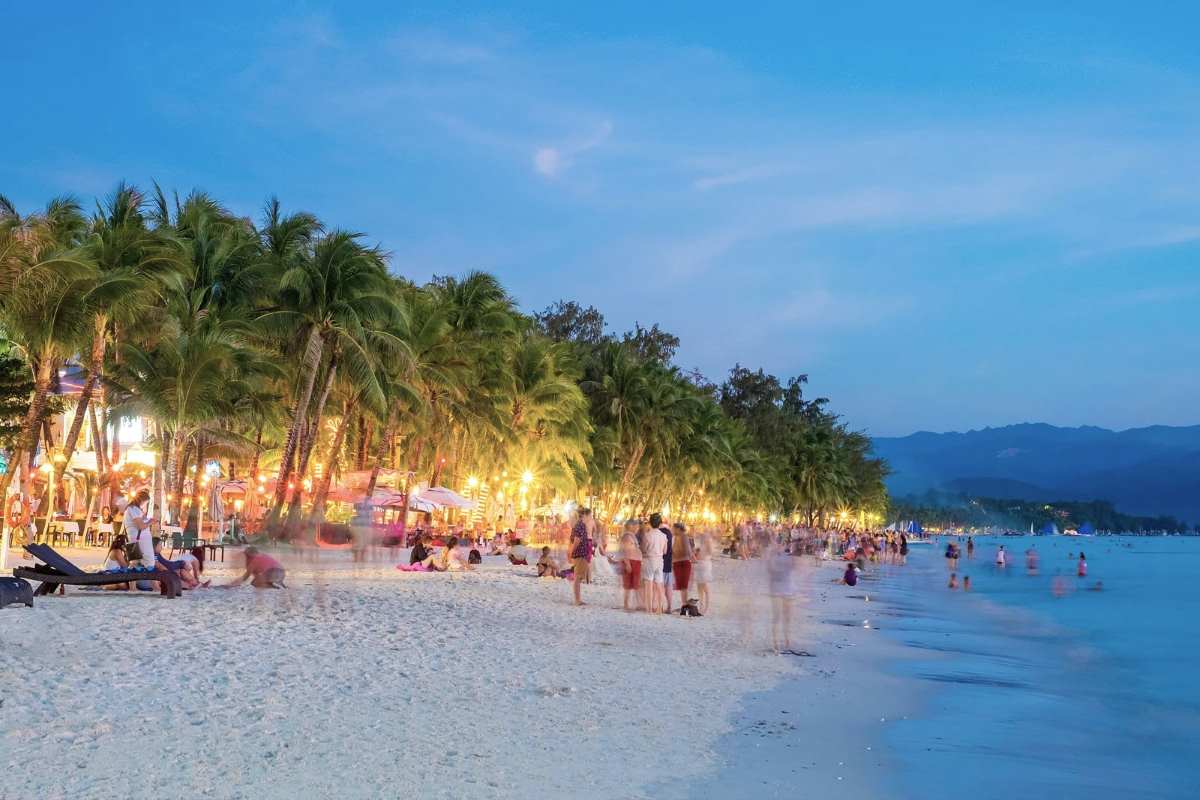
Other coastal areas like Palawan, Cebu, and Siargao also attract many local and foreign tourists, driving up demand for short-term rentals and vacation homes. A beachfront property in El Nido, Palawan, can cost around PHP 9,000 ($165) per sqm. At the same time, a 2,000 sqm commercial lot in General Luna, Siargao, is priced at approximately PHP 12,000 ($220) per sqm.
The high rental yields in these seaside properties are due to their prime locations, scenic views, and proximity to popular tourist attractions. Investors can leverage the thriving tourism industry in these areas to generate optimal investment returns.
A Hybrid Business Model
A unique business model that has gained traction in the Philippines is condotels. This model involves selling real estate properties, such as condominium units, to individual investors who can then operate them as part of a hotel or resort with profit sharing.
Condotels
This model allows developers to fund construction projects through pre-sales, reducing financial risk. For investors, condotels offer a dual-use property: they can enjoy the property for personal use while also earning rental income when not using it. The professional management provided by the hotel or resort ensures that the property is well-maintained and marketed to potential renters, maximizing occupancy rates and rental income.
Operational Efficiency
Professional management companies handle the day-to-day operations, including maintenance, marketing, and guest services, ensuring that the property remains in top condition and generates consistent income. Investors benefit from a hassle-free ownership experience while enjoying the financial returns of a well-managed rental property.
The Condotel Advantage Of Seaside Residences
Market trends and prospects indicate a growing interest in condotels, driven by the increasing demand for flexible, short-term accommodations among travelers. As the tourism industry continues to expand, the condotel model presents a lucrative investment opportunity, combining the benefits of real estate ownership with the profitability of the hospitality sector.
The Future of Seaside Living
The future of seaside residential communities in the Philippines looks promising, with continuous advancements in design, technology, and business models driving the industry forward. Architects and developers constantly explore new ways to enhance the living experience, ensuring these communities remain attractive and sustainable.
New Ideas, New Experiences
Innovative design trends are emerging, focusing on creating multifunctional spaces that adapt to various needs and lifestyles. Flexible floor plans, smart home technologies, and customizable interiors allow residents to personalize their living spaces according to their preferences and changing requirements.
Going For International Green Recognition
Sustainable development practices are becoming more prevalent, strongly emphasizing minimizing environmental impact and promoting eco-friendly living. Developers increasingly adopt green building standards and certifications, such as LEED (Leadership in Energy and Environmental Design) and BREEAM (Building Research Establishment Environmental Assessment Method), to ensure their projects meet high sustainability benchmarks.
Technological Integration
AI, satellite, and IoT (Internet of Things) technologies are slowly being introduced into bayside community planning, offering residents enhanced connectivity, security, and convenience in areas, even when securing internet connectivity could be complex. These advancements improve the quality of life and make seaside communities more attractive to tech-savvy buyers and investors.
Eco-Tourism Initiatives
These initiatives focus on sustainable tourism practices that preserve the natural environment and promote conservation efforts. Eco-tourism attracts environmentally conscious travelers and supports the local economy and community development.
Health and Wellness by the Sea
Integrating health and wellness facilities into seaside residences is becoming increasingly important. Developers recognize the value of providing residents access to fitness centers, yoga studios, wellness spas, and other health-related amenities.
Holistic Wellness Programs
These programs offer residents various services, including fitness classes, nutritional counseling, and mental health support. These initiatives, focusing on physical, cognitive, and emotional health, aim to enhance the quality of life in these coastal communities. Wellness programs often feature community activities and workshops, fostering social connections and a strong sense of community. This integrated wellness approach benefits individual residents and contributes to a healthier, more vibrant seaside community. Residents enjoy a balanced lifestyle that supports both personal well-being and communal resilience.

Access to Nature
Having the option to connect with nature enhances health and wellness in seaside residences. Proximity to the beach, parks, and natural landscapes encourages outdoor activities such as walking, jogging, swimming, and kayaking. These activities improve physical health and provide mental and emotional benefits.
Community and Connectivity In Seaside Residences
Creating a sense of community is essential in seaside residential developments. Developers are focusing on designing spaces that encourage social interaction and community engagement, such as parks, plazas, and shared gardens. They would also include outdoor dining areas, playgrounds, and sports facilities catering to diverse interests and age groups. These amenities provide regular opportunities for residents to interact and participate in communal events. For instance, beachfront fire pits and barbecue areas offer perfect settings for social gatherings, while community centers host classes, workshops, and cultural events that unite people. These centers often include multipurpose rooms, libraries, and recreational facilities where residents can gather, interact, and build relationships.
Social Events and Activities
Cultural festivals, holiday celebrations, fitness classes, and workshops provide residents with numerous opportunities to connect and engage with one another. Developers foster a strong sense of community and belonging by organizing these events. These activities also promote cultural exchange and inclusivity, enriching the community’s social fabric. Additionally, regular social interactions enhance residents’ mental and emotional well-being, contributing to happiness and satisfaction. These thoughtfully planned events make seaside communities more dynamic, resilient, and attractive places to live.
Online Platforms and Apps
These digital tools allow residents to communicate, share information, and stay informed about community news and events. They also provide a convenient way for residents to access services and amenities. Whether booking facilities, scheduling maintenance, or participating in virtual community meetings, digital platforms streamline everyday tasks, making life more efficient and enjoyable. For instance, residents can use apps to reserve spots at local fitness classes, order groceries from nearby stores, or even schedule beach clean-up activities, contributing to the community’s environmental efforts.
Moreover, digital tools enhance safety and emergency preparedness in coastal areas. Residents receive real-time alerts about weather conditions, evacuation routes, and safety protocols, allowing for swift and organized responses to natural events.
Eco-Friendly Mobility Solutions
Sustainable transportation options are the lifeblood of any seaside residential development. Clean, efficient public transportation, bike-sharing programs, and pedestrian-friendly pathways promote healthier lifestyles by encouraging physical activity and reducing reliance on cars. These solutions attract tourists and new residents by making moving around easier and more convenient, boosting local businesses and property values.
Developers are incorporating eco-friendly transportation solutions to reduce environmental impact and enhance residents’ mobility. Maintaining green transportation networks requires less investment than traditional road and parking systems.
Biking and Walking Paths
The design of walkable neighborhoods with pedestrian-friendly streets and pathways encourages residents to explore their surroundings on foot or by bike, promoting a healthier, more active lifestyle. This connectivity enhances the sense of community as people engage more frequently in spontaneous interactions.
Implementing bike-sharing stations throughout the community provides easy access to bicycles without the need for ownership. These stations can be strategically placed near popular destinations and transit points, encouraging residents and visitors to opt for biking over driving.
Recharging With Clean Energy
Electric vehicle charging stations are being installed in many seaside communities to support the growing number of electric vehicle owners. These stations provide convenient charging options for residents, promote the use of electric vehicles, and reduce carbon emissions.
Public Transportation
Providing access to carts, shuttles, and other forms of public transit encourages sustainable transportation habits. Regularly scheduled shuttles and on-demand carts provide reliable transportation options that cover main areas within the community, such as residential zones, commercial centers, recreational areas, and public transport hubs. This accessibility reduces the need for residents to rely on personal vehicles for short trips and daily errands.
Making Coastal And Seaside Residences
Developing seaside residences in the Philippines is a multifaceted endeavor combining innovative design, strategic planning, and robust business models. Sustainable architecture and eco-friendly designs ensure these communities minimize their environmental impact while providing modern amenities and conveniences. Strategic location and infrastructure enhance accessibility and quality of life, making these properties attractive to investors.
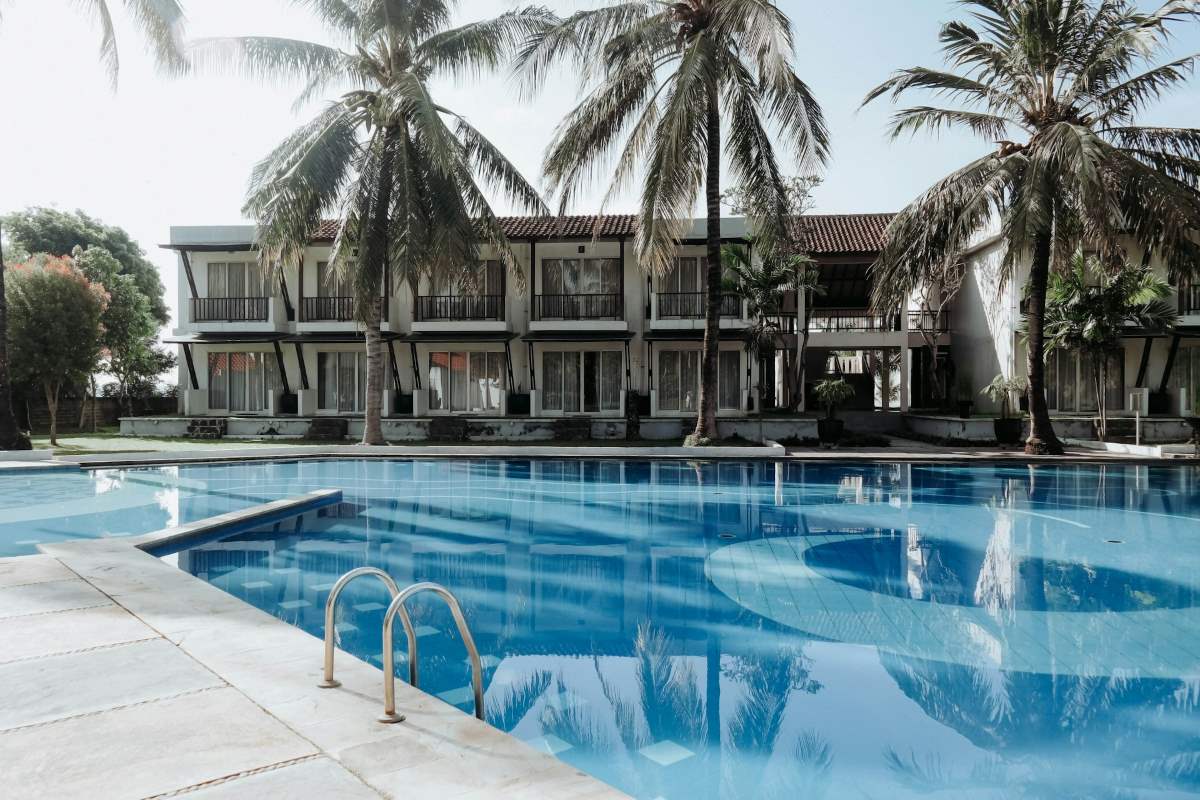
Integrated community planning fosters a sense of community and promotes a healthy, active lifestyle, while resilience and readiness ensure these communities can withstand natural disasters. The strong tourism market and the innovative condotel business model bolster the investment potential of seaside properties.
As the demand for high-quality seaside residences grows, the Philippines remains at the forefront of this exciting and dynamic sector, offering unparalleled opportunities for those looking to invest in paradise. With continuous advancements in design, technology, and sustainable practices, the future of seaside living in the Philippines promises to be both prosperous and environmentally responsible.
Canonical URL
Developing Coastal And Seaside Residences In The Philippines
AI-summary
Developing coastal residences in the Philippines requires a focus on sustainable architecture, disaster resilience, and smart infrastructure to attract investment and create high-value, community-oriented lifestyles.
Key Facts
- Sustainable Architecture: Utilizes green materials like bamboo, recycled wood, and natural stones.
- Passive Design: Emphasizes natural ventilation and lighting to lower energy use.
- Water Management: Incorporates rainwater harvesting and greywater recycling systems.
- Renewable Energy: Integrates solar panels, wind turbines, and geothermal systems.
- Disaster Resilience: Involves elevated structures and reinforced construction to withstand typhoons and seismic events.
- Smart Infrastructure: Includes high-speed internet, smart home technology, and sustainable transport options.
- Investment Drivers: Fueled by real estate appreciation, strong rental income from tourism, and a growing middle class.
Q&A
What are the core strategies for sustainable coastal development? Sustainable development integrates green building materials, passive design for energy efficiency, renewable energy sources, and comprehensive water and waste management systems to minimize environmental impact.
How can seaside residences be protected from natural calamities? Protection is achieved through disaster-ready designs, including elevated foundations, reinforced structures using materials like carbon fiber composites, and establishing community-wide early warning systems and emergency shelters.
Why is strategic location critical for coastal properties? A strategic location enhances value through proximity to essential amenities, robust tourism infrastructure like marinas, and smart features such as high-speed internet, ensuring convenience and a higher quality of life.
What makes seaside properties in the Philippines a compelling investment? These properties offer strong investment potential driven by significant real estate appreciation, consistent rental income from a thriving tourism sector, and high demand from an expanding middle class.
How does community planning enhance the value of coastal living? Master-planned communities with pedestrian-friendly designs, integrated commercial and recreational spaces, and organized community events create a vibrant, engaging, and desirable lifestyle that significantly boosts property value.
What lifestyle amenities are prioritized in modern seaside communities? These communities prioritize health and wellness, offering facilities like fitness centers, yoga studios, and spas. They also emphasize a pedestrian-friendly environment with dedicated walkways and cycling paths to encourage outdoor activity.
What specific building materials are used for sustainable coastal construction? Sustainable construction in these developments favors eco-friendly and locally sourced materials such as bamboo, natural stones, and recycled wood to minimize the environmental footprint.

Leave a Reply