


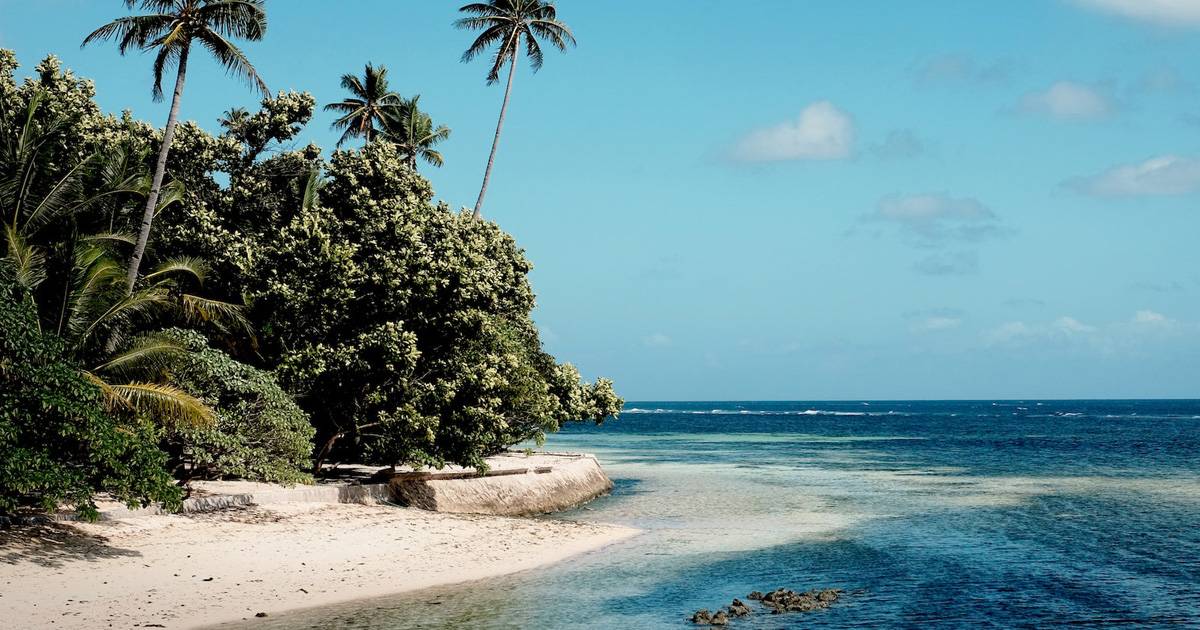
The Philippines are made up of about 7,107 islands. They are strategically placed between the West Philippine Sea and the Pacific Ocean, with Sabah and Borneo to the south and Vietnam to the west. With so many coasts, beaches, mountains, and almost any other type of natural scenery you can think of, it’s no surprise that the country is a popular place for both locals and tourists to buy homes and go on vacation. With its crystal-clear seas and tens of thousands of kilometers of coasts and beaches, the archipelago offers an island for every taste. Also, the people there are friendly and pleasant, and almost everything, including real estate, costs very little. Buying an island in the Philippines is the epitome of exclusivity. Unfortunately, acquiring one is a complex task. Foreigners can’t buy land or even an entire island in the Philippines directly. Only Filipino citizens are permitted to buy property in this Southeast Asian nation. And even then, the procedure may be as risky and create a future investment concern.
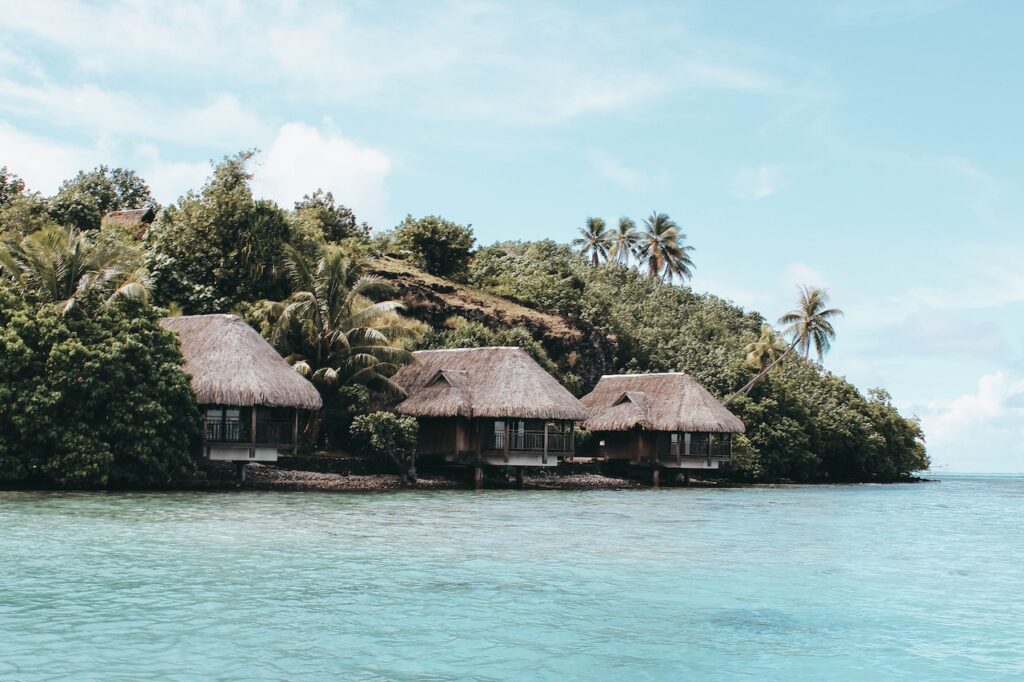
Laws governing buying an island in the Philippines
While the term “island” can be overwhelming, buying an island in the Philippines is pretty straightforward for Filipinos. They can buy islands the same way that they buy parcels of land. However, Filipino island owners must abide by the provisions of the Batas Pambansa 185 and Republic Act No. 7042, as amended by Republic Act No. 8179.
For reference, Batas Pambansa 185 is concerned with natural-born citizens of the Philippines who lost their citizenship as accepted transferees of private lands in the Philippines, provided that the land will be no more than 1,000 sqm for urban land and 1 ha for rural land. Meanwhile, Republic Act No. 7042 is also known as the “Foreign Investments Act of 1991”, which regulates foreign investments in the Philippines.

Can foreigners own an island?
The short answer is no. Foreigners cannot possess property in the Philippines, especially on an island, since land is considered a national asset and only Filipino citizens may own it. The Philippines’ long history as a colony has also made it harder for foreigners to own property there.
Nonetheless, some conditions, such as marriage, incorporation, or leasing, might indirectly award outsiders ownership of islands. These instruments show that, although foreigners may have access to the islands, the documents do not identify them as legal landowners.
Legally speaking, these three alternatives are all permissible, but not all are ethical. The most secure approach would be through a leasehold property. A leasehold is buying an island for up to 50 years, although investors can only lease some protected islands for 25 years. Nonetheless, they can renew the lease for another 25 years. Although a foreigner may have significant access to the island during his lifetime, he does not necessarily own the land. Upon expiration of the leasehold, either the State or the original owner will receive possession of the island.
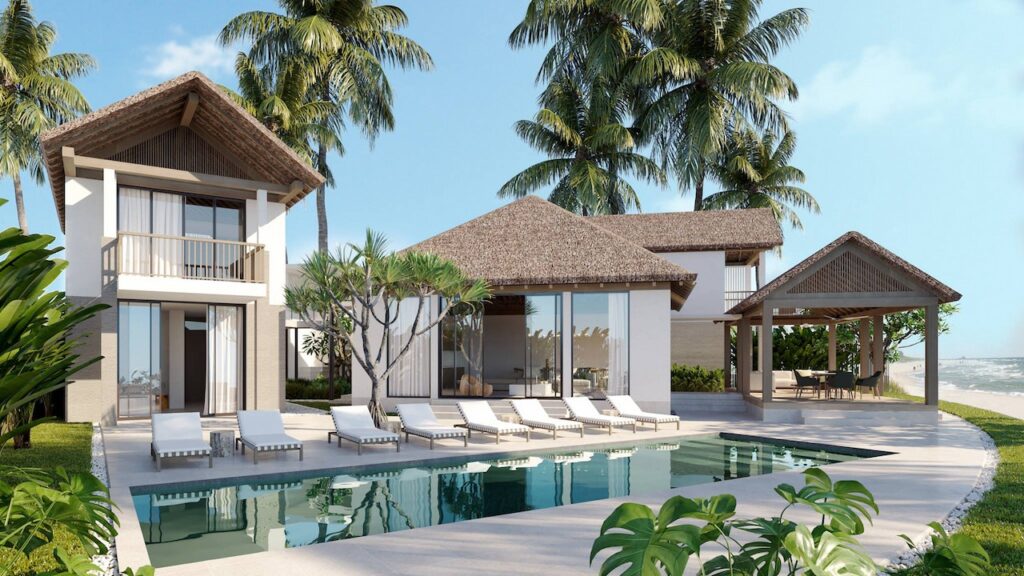
However, the legal system may grant foreigners ownership of the island’s built-up structures. This is why owning a condominium on an island in the Philippines is a better choice than pursuing an entire island in the Philippines. Even though the foreigner may not have much influence over the region, this may be a more practical option if the only reason for staying on the island is for residential purposes. The island’s beauty will always be available to everyone who resides there.
Establishing a corporate entity would be the second-best approach. The foreigner can own up to 40% of the company. Filipino incorporator holds the majority of the corporation with 60%. While seemingly underwhelming on paper, the entire legal documents offer a fair amount of protection for both the foreigner and the Filipino incorporators just in case any deviation from the original agreement arises.
Meanwhile, the least recommended route would be through marriage. The main drawback is that the Filipino spouse legally owns the island alone, which means that in unfortunate circumstances, the foreigner’s rights to access the island will be at the mercy of the Filipino spouse. However, the foreigner may inherit the island’s ownership once the Filipino spouse dies. Children can also inherit the property, even if they are not Filipino citizens.
The importance of verifying the island title
As appealing as owning and residing on an island may seem, purchasing one on a whim is not prudent. This juncture is where the importance of inspecting a property’s land title begins.
Verify the records’ authenticity with the local registration of deeds before proceeding with the transaction. Numerous islands often fall under tax declaration properties, such as untitled tracts of land deemed saleable because their owner declared them for tax purposes.
Additionally, conducting a background check on the current and prior owners is essential. Consider its lineage of ownership. Be wary of getting involved in family disputes on the island, primarily if the same family has owned the island for generations.
To establish the legitimacy of the land title, coordinate with the local Registry of Deeds.
Verify the island too
Tales of “expectation vs. reality” among buyers of various items and properties have been commonplace in the local and international marketplace. While the quote “putting one’s best foot forward” is applicable in multiple life milestones, including sales, presenting a perfect façade contrary to how it can build resentment between buyers and sellers.
For example, when buying an island in the Philippines, it is up to the buyer to do their research. Examine all areas of the island to guarantee that expectations are satisfied. Even better would be a personal visit accompanied by a licensed broker or architect. In the same way that someone makes a list of all the technical problems, the buyer should look at the island’s flaws and think about whether they can be fixed and won’t get in the way of any future use.
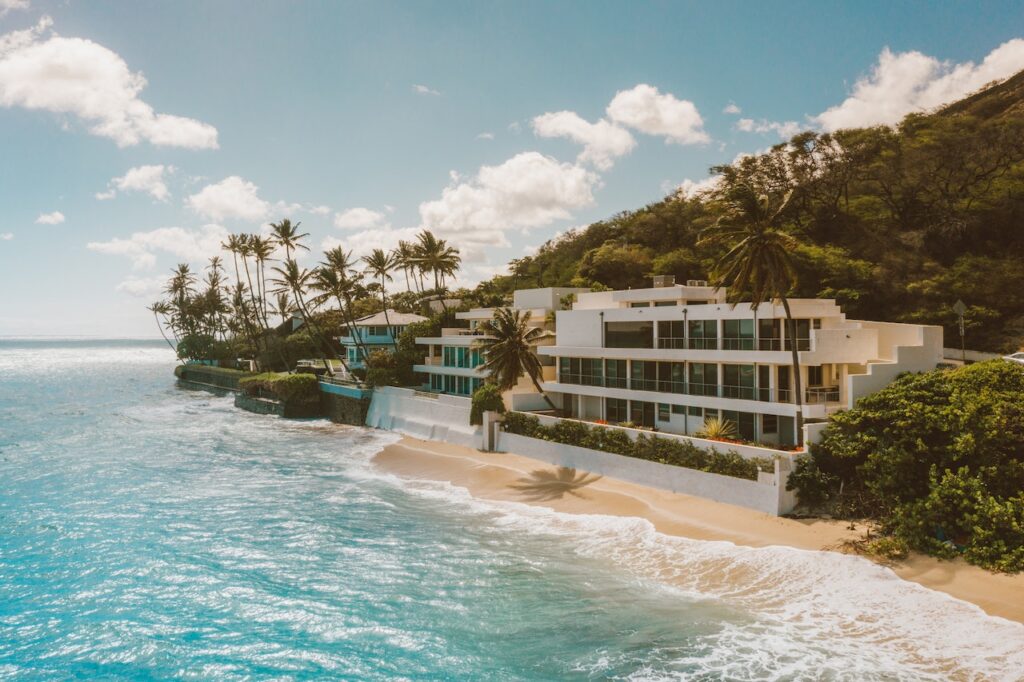
Immerse With the locals Before Buying An Island In The Philippines
This recommendation only suggests making friends with some members of the community. Instead, it would be prudent for the buyer to have at least one native islander on his team, preferably one who speaks the local language, to obtain firsthand information on the island’s living conditions. Investors who intend to reside on the island permanently or for extended times throughout the year may find the strategy worthwhile.
Not an entirely private property
Before starting an island development, it is essential to remember that shorelines, riverbanks, salvage zones, and rights-of-way are public properties. Therefore, these typologies are accessible to the public, even if someone owns an island.
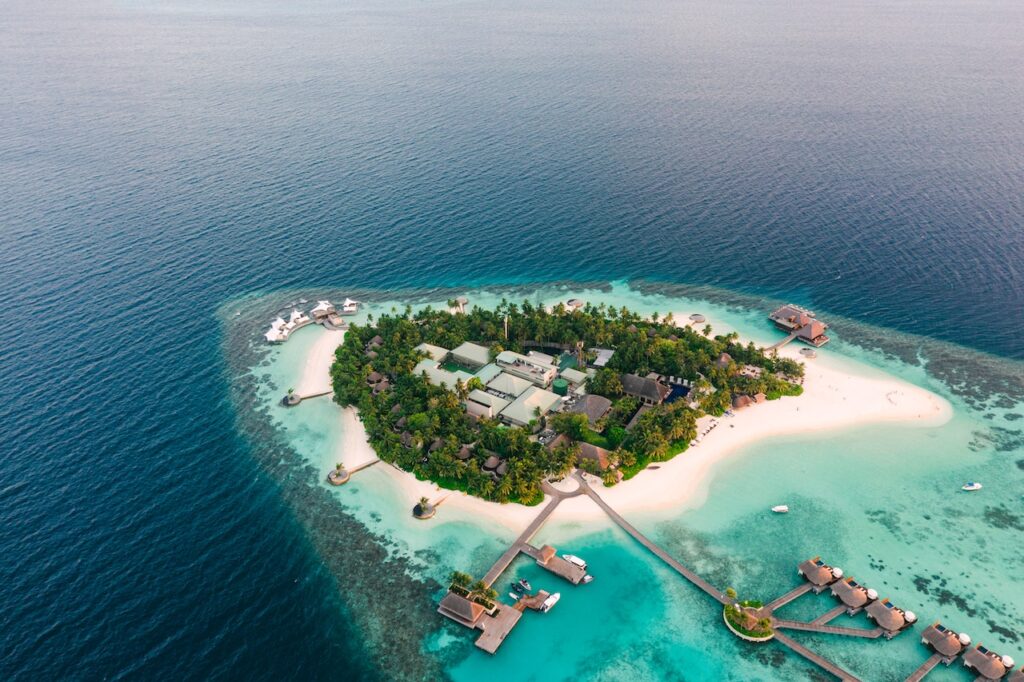
For island owners seeking to develop their properties into exclusive resorts, a lease known as a “foreshore lease” is required, typically obtained through the Department of Environment and Natural Resources (DENR). For clarity, the foreshore is the portion of the shoreline covered by the tide’s ebb and flow.
Having gained the foreshore lease, island owners have the right to manage the foreshore for 25 years, which the owner can renew for an additional 25 years.
In the case of rights-of-way, the government regulates equitable access for island owners and the general public by prohibiting the development of permanent structures on beaches or within 20 meters of the high tide mark. This setback may go up to 40 meters on beaches called “forest zones.”
Given how complicated island development is in the Philippines, it is important for both the potential owner and the public good to hire a good architect, along with a real estate consultant or broker who specializes in selling private islands.
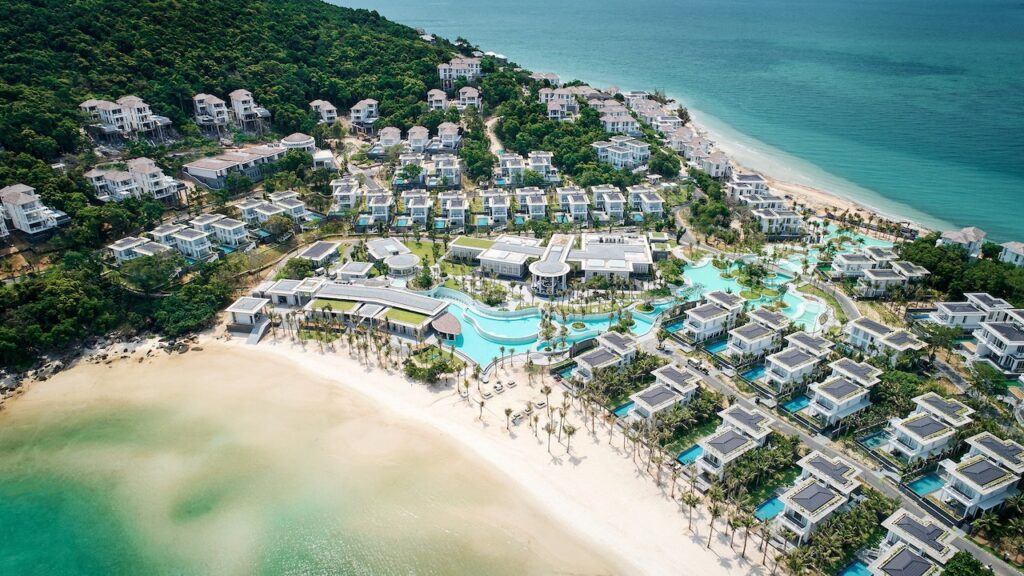
Private islands for sale in the Philippines
The archipelagic nature of the Philippines provides customers with numerous island possibilities. Here are some private islands for sale in the Philippines and their respective USD prices.
Janoyoy Island (Siargao, Surigao del Norte) – 4 acres – USD 5,600,000
Medio Island (San Vicente, Northern Samar) – 99 acres – USD 5,000,000
Munroe Island (Laoag, Ilocos Norte) – 160 acres – USD 4,000,000
Ligpo Island (Batangas) – 1 acre – USD 3,000,000
Pucoy Island (Culion, Palawan) – 141 acres – USD 3,000,000
Green Paradise Island (Roxas, Palawan) – 32 acres – USD 1,500,000
Archipelago Resorts (Palawan) – 1 acre – USD 1,450,000
Camanga Island (Barangay Tara, Coron, Palawan) – 75 acres – USD 1,250,000
Isla Milagrosa (Zamboanga del Norte) – 12 acres – USD 1,000,000
Marina Island (Agutayan-delic, Lajala, Coron, Palawan) – 7 acres – USD 1,000,000
Guilihan Island (Siargao, Surigao del Norte) – 3 acres – USD 900,000
Green Bay Island (Roxas, Palawan) – 15 acres – USD 800,000
Kabo Island (Surigao del Norte) – 58 acres – USD 650,000
Farolan Island (Guimaras) – 0.32 acres – USD 450,000
Note that these are only estimated prices and are bound to fluctuate with time.
Buying An Island In The Philippines And Caring For It
There is no question that living on an island is a fantasy for many, particularly at a time when urban life has become mainstream. But buying an island in the Philippines shows how much landowners have to care for their pieces of paradise, not just as a piece of real estate but also as a work of nature that real estate developers have to keep in the best shape possible.


Leave a Reply