


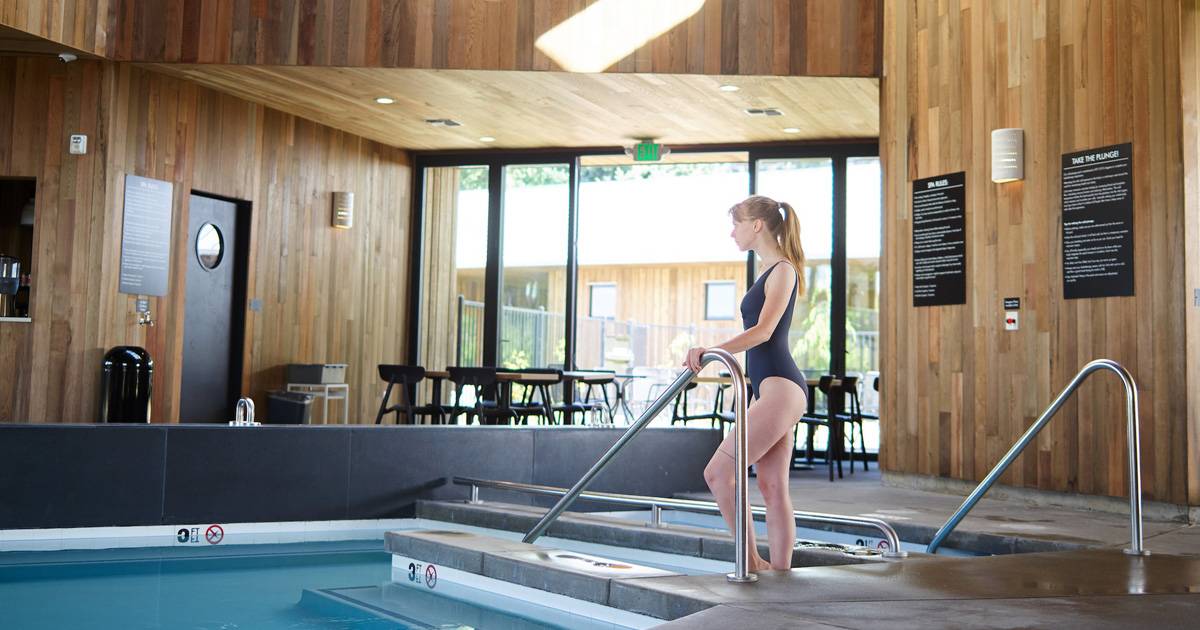
Technology, shifting customer behaviors, and deregulation pose fundamental challenges to the hotel business. The sector is developing new trends, such as payment applications, automated bots, and self-driving automobiles. In recent years, there has been an intensive emphasis on the sector’s future. However, many large corporations are already reacting to these developments. Some of the world’s top hospitality organizations are examining new hotel design concepts and how they can cope with the current upheavals. Indeed, owners can no longer restrict a resort development or hotel’s value offer to its physical assets alone. In addition to location and interior design, storytelling, content development, architecture, and community have all become crucial. To unleash future hotel development opportunities, hoteliers throughout the globe are translating each innovative idea into a new concept for hotel design or resort architecture. From a hotel in Japan that is also a fashion label to a bed and breakfast in Paris that produces its music, hotel architecture blurs the barriers between media, retail, and hospitality.
Why develop a new concept for hotel design?
A hotel design concept enables you to create a distinctive and memorable brand experience for your visitors. For businesses with diverse business offers, an idea for hotel or resort design may help hone the characteristics that customers anticipate from the brand. A well-executed theme provides several advantages in the planning and operation stages of any small family resort or a large hotel chain.
A unified approach assists in aligning stakeholders around a shared business vision and unifying them towards a common objective. With a suitable hotel concept, all stakeholders must collaborate to ensure the hotel’s success: owners, investors, management firms, service companies, and suppliers. A hotel with a defined common purpose is simpler to run and less expensive for all parties involved.
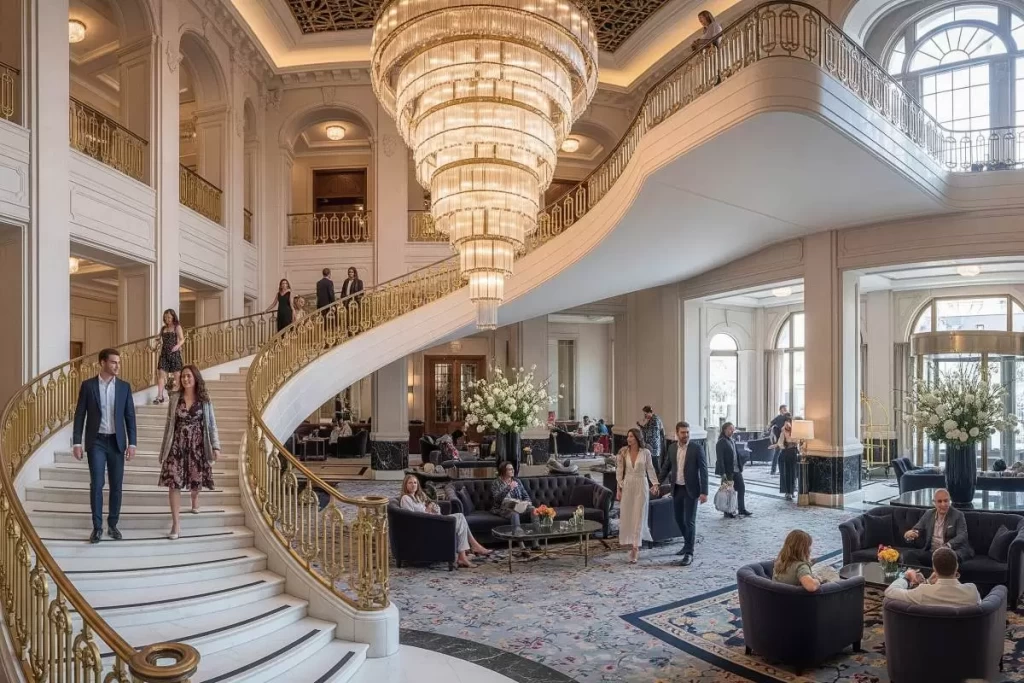
What exactly is a concept for hotel design?
A hotel concept is an idea that influences the design and service of a hotel. It’s a fresh, new way to think about how a hotel business can stand out from the rest of its competition.
It is a prevalent misperception that architects and interior designers solely create concepts for hotels or resorts. A hotel idea involves every stakeholder, from management, service design, researchers, communication strategy, local agencies, and specialized consultants. Without a compelling service concept or a captivating story, a beautifully constructed hotel cannot flourish. The success of a hotel idea is a culmination of “spirit” and space features.
Story Of A Place
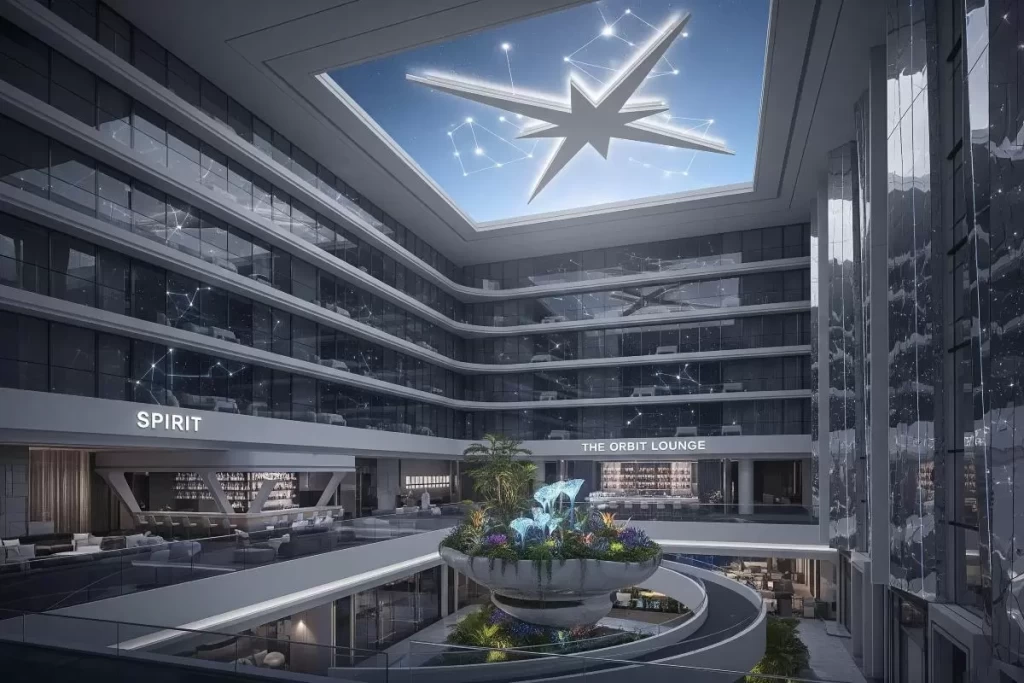
A sense of belongingness is essential in design. It is natural for people to gravitate toward and occupy places with which they sense a connection. Design plays a crucial part in amplifying this connection and may make us feel various emotions, including welcome, free, grounded, at ease, productive, and efficient. Creating a feeling of belonging via design enables individuals to feel properly situated, at home, and a part of something bigger than themselves.
The features of a location lie at the heart of any hotel business framework. It defines the role of the service as well as its aspirations. In other words, the story of the place conveys why guests should visit the property beyond just getting a room and breakfast.
People As Part Of The Design
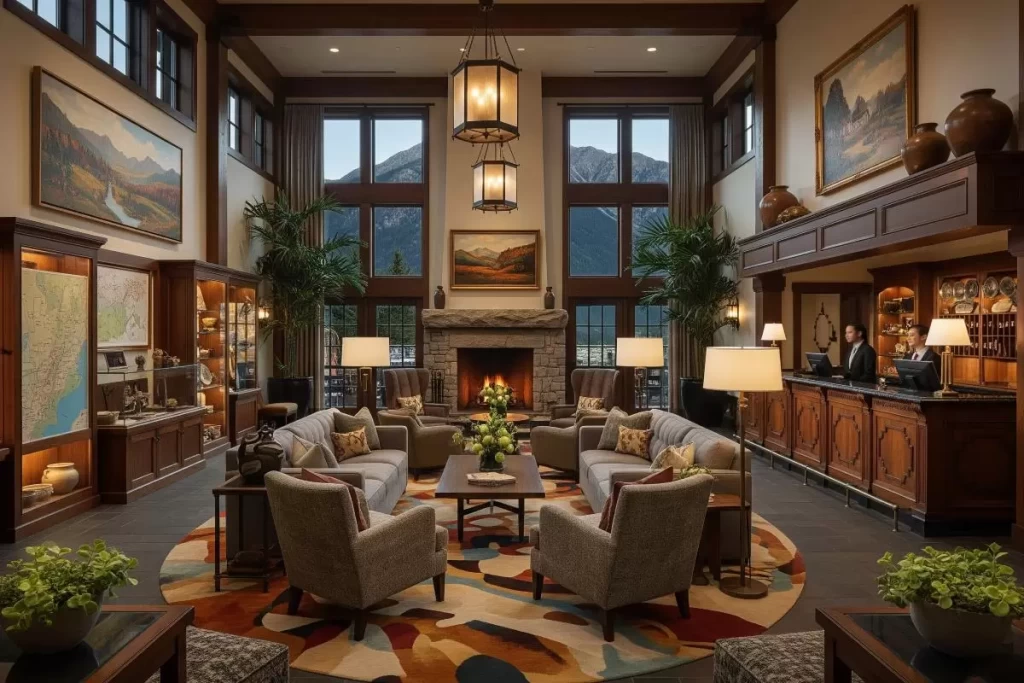
The community comprises all the individuals that have a role in the hotel idea and experience, including workers, guest types, partners, and, to some degree, investors. Together, they give life to the notion. In most hotel designs, individuals are the focal point of all interactions. Everyone you recruit and work with must feel a connection to the narrative. Local entrepreneurs, researchers, and venture capitalists might participate in a concept for hotel design about connecting people and ideas.
Space Planning And Design
Space pertains to the environment’s physical composition. It includes the zoning, the customer flow, the architecture, and the interior design of a hotel. A hotel’s floor plan must correspond with its central intention. Zoning is the first and most critical phase in hotel space design since it significantly influences the customer experience. Different areas provide distinct functions and need strategic placement. For instance, planners should not position a peaceful wellness facility close to a bustling restaurant or hotel bar. Refining customer circulation enables visitors to move comfortably between zones, reducing stress and opening up new revenue-generation options. Architecture, landscaping, engineering, and interior design should collaborate in the space design process, even at the early stages.
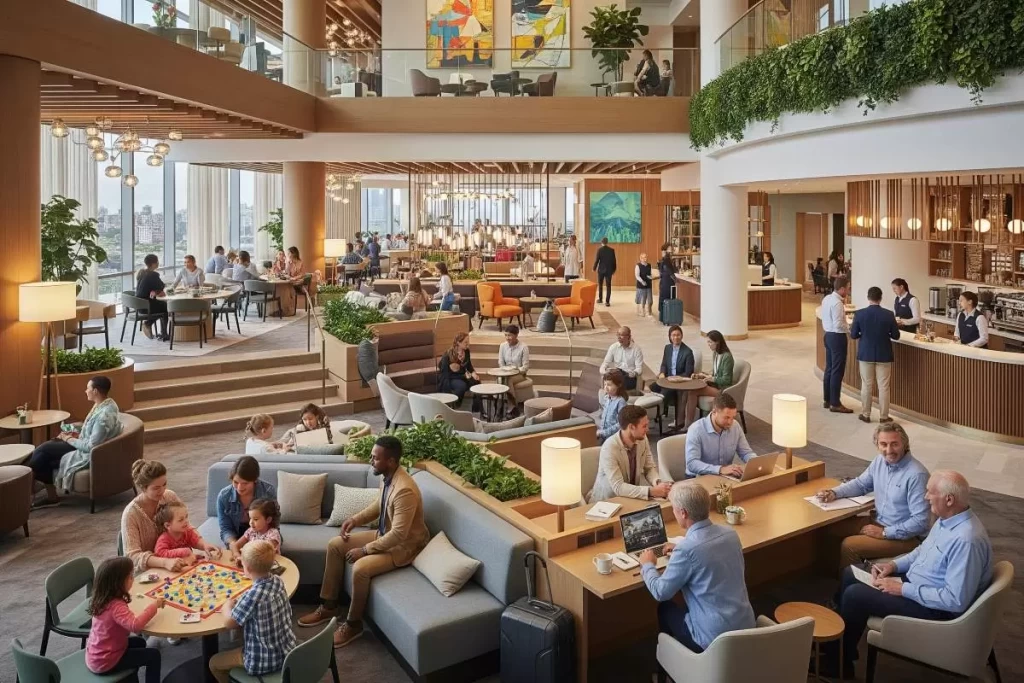
The Difference Between Hospitality And Service
There is significance in understanding the distinction between hospitality and service.
Service is the performance of a duty. Any hotel’s intangible benefit is providing refuge and lodging to its visitors. Level one service is fundamental. For instance, fast food delivery to the room door, where personnel interacts little with visitors. As individuals end up spending on an encounter, their expectations increase. Guests anticipate not just improved physical accommodations but also a fantastic intangible experience. This elevated degree of service is known as hospitality. This connection is the source of a hotel’s worth.
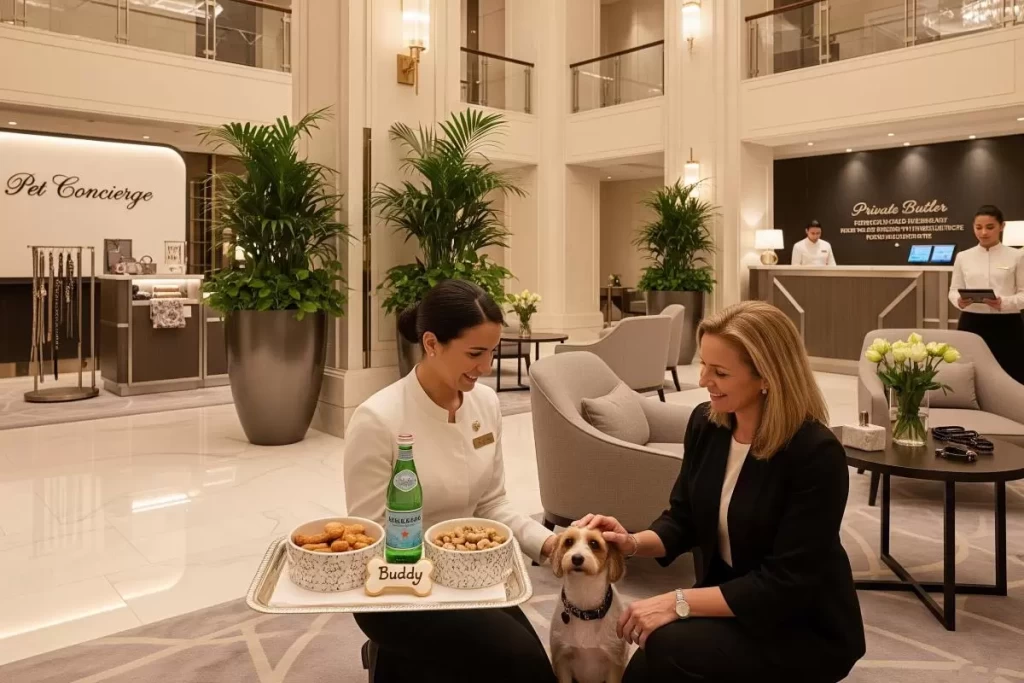
Amenities provided to guests before, during, and after their stay, ranging from the necessities such as excellent internet access or housekeeping to the peculiar such as a pet concierge or private butler, give many guest engagement opportunities to enhance the customer experience. The assistance that complements a concept for hotel design is instrumental since it may reinforce the overall strategy.
Identity In Developing Concepts
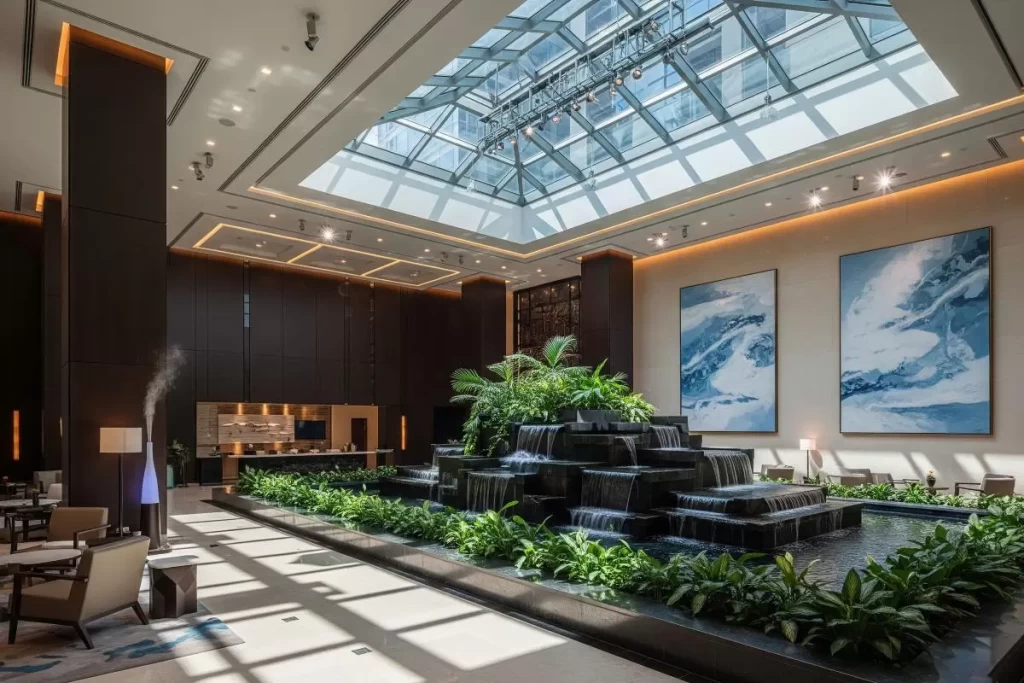
The architectural identity of a hotel idea incorporates all visual semantics, landmarking, and sensual elements. From stately lobbies to water feature arrangements to the ambient music, sunshine, and scent in the interiors, every aspect is a chance for a hotel to express its character. Since visitors encounter these design elements during their entire stay, the identity they convey must be consistent with your hotel’s story brand. Owners and operators cannot overstate the importance of visual identity in building the architectural and interior design identity, more importantly, in converting properties into lifestyle hotels. It also helps the initial perceived value of your hotel, whether in promotional materials or on-site.
Content For Hotel And Resort Architecture
An outstanding communication strategy increases the visitor experience by conveying that the organization is enthusiastic about having guests, listening to customers, appreciating their input, and communicating clearly. Content defines the hotel brand’s intellectual property and communication assets. These are available in several forms, ranging from social media photos to internet articles to a range of interior furnishings. A monthly publishing series about interesting holiday locations or a short documentary showing the area can assist in positioning the hotel brand at the ideal time and spot. Good content may highlight many parts of the architectural and interior design, educate the target audience, enhance the brand’s reputation, and generate free publicity. It will also help the company maintain contact with visitors who have just visited the hotel once.
Place For Events and Gatherings
Hotel events and meetings are an excellent method to increase the property’s income and attract a steady stream of professionals and business travelers.
Having or developing a function hall at the hotel enables operators to accommodate various purposes and guests, which often increases overnight reservations. Depending on the nature and frequency of event plans, the business receives income from two sources, frequently with minimal effort.
Meetings, Incentives, Conferences, and Events (MICE) provide the ideal chance to establish your hotel’s brand and expose it to potentially lucrative and long-term customers. Ensure that the hotel’s plans and architectural design provide options for meetings and conferences that might attract top firms, exposing the hotel to these companies and their related industries.
Booking platforms and social media profiles are examples of digital channels. However, the vast quantity of information accessible online makes it exceedingly challenging to establish an emotional connection with visitors through these channels alone. Face-to-face encounters are challenging to surpass in terms of engaging individuals. These aspects may bring the hotel’s vision to life. Depending on the story branding, other suggested activities may include a flea market, movie evenings, contemporary art exhibits, or outdoor pilates classes. Different routes may take the shape of partnerships and, in certain instances, generate direct reservations for your hotels. For example, a health resort may encourage yoga studios in its primary markets to suggest guests in return for a commission and event opportunities.
How to successfully implement a hotel concept?
Designers must unify all project stakeholders behind the same vision that maintains the idea consistency from theory to practice. Architects are often involved in the conceptual phase and assessments of plans, drawings, virtual models, and construction strategy recommendations.
A hospitality or tourism enterprise’s concept design may spark the brand identity or personality and convey the operation’s appeal and vision to guests or prospective visitors. These components, including the tangibles such as architecture, décor, and furniture, as well as the intangibles such as atmosphere, contribute to visitors’ entire experience at a location and may be necessary for deciding whether guests are satisfied or dissatisfied during their stay. Repeat visits or word-of-mouth advertising are examples of the possible commercial ramifications. The physical layout derived from the concept of hotel design can easily influence the guests’ inferences and impressions of a hotel’s quality. The significance of architecture in hospitality developments is that the design element plays a crucial role in enhancing the value of hotels and resorts.

Leave a Reply