


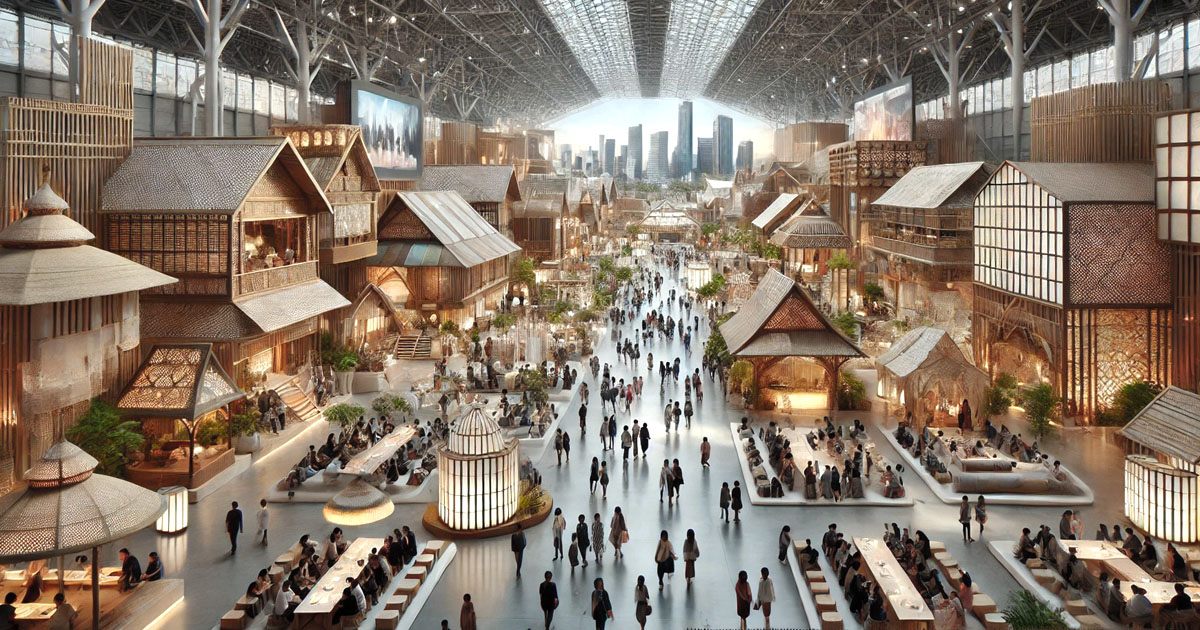
With urban decentralization plans and increasing integration into the global economy, the development of convention centers in the Philippines has become a vital subject for exploration. These venues are crucial for several interconnected reasons, primarily related to economic growth, tourism, and the promotion of Filipino culture. They are pivotal in addressing the country’s growing need for hubs of commerce, culture, and collaboration. Positioned as drivers of economic progress and cultural identity, convention centers have the potential to shape cities and communities into vibrant spaces of connectivity and innovation.
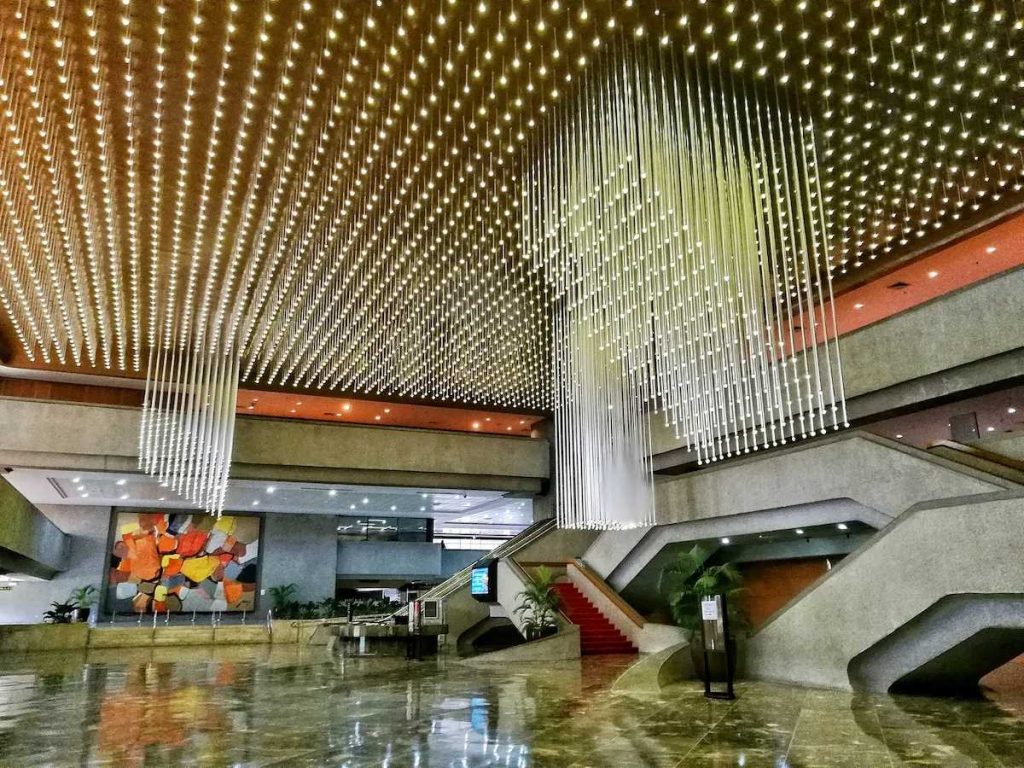
Convention centers are strategically important because they can bring together diverse groups under one roof, including business leaders, policymakers, educators, and artists. These interactions often spark trade, knowledge exchange, and opportunities for community engagement. As Filipinos seek to expand their role in regional and global dialogues, the need for accessible, sustainable, and forward-thinking convention centers becomes increasingly apparent.
Exploring the contributions of exhibition halls, trade hubs, and business centers to local economies, global events, and community pride clarifies why their thoughtful planning and development are essential. They represent a particular infrastructure that is a gateway to investments in the nation’s future.
Understanding The Value Of Convention Centers
Convention centers are physical hubs where ideas converge, industries thrive, and cultures intersect. They provide a venue for professional exchanges, educational seminars, exhibitions, and entertainment that address diverse needs and interests. They symbolize progress and catalysts for economic, social, and cultural advancement.
In the Philippines, where regional growth remains a key government focus, convention centers enable cities and provinces to attract international and local events that boost their visibility and competitiveness. Facilitating tourism and business interactions strengthens the national identity and contributes to the nation’s economic resilience.

Economic Contributions Of Convention Centers
Hosting international events in the Philippines generates substantial economic benefits that ripple through various sectors. Tourism experiences a significant boost as international delegates explore local attractions, supporting the hospitality, transportation, and retail industries. Event preparations often drive infrastructure development, including upgrades to airports, roads, and public utilities, which enhance urban functionality and attract future investments. Local businesses gain opportunities to connect with global markets, fostering partnerships and expanding their reach.
Additionally, the influx of spending from attendees and organizers increases tax revenues, providing resources for public services and further development. These economic gains underscore the strategic importance of convention centers in facilitating events that drive growth and prosperity.

Generating Revenue And Creating Jobs
Convention centers in the Philippines are potent drivers of local economies. Events attract thousands of attendees who require lodging, transportation, dining, and other services, significantly boosting local businesses. Studies in the meetings, incentives, conferences, and exhibitions (MICE) industry reveal that attendees of such events spend more than average tourists, with substantial portions allocated to accommodations and entertainment.
These expenditures ripple through the economy, creating direct and indirect jobs in the hospitality, transportation, logistics, and retail industries. Workers gain opportunities, and local entrepreneurs find platforms to connect with broader markets.
Stimulating Business Growth And Opportunities
Trade fairs and expos held in convention centers showcase products and services that encourage investments and partnerships. These events allow small and medium-sized enterprises to access global markets, connect with potential investors, and gain insights from industry leaders. Such interactions often translate into long-term business relationships and technological advancements, propelling industries forward.
Boosting Tax Revenue
Convention centers play a crucial role in enhancing tourism and facilitating business transactions, leading to a significant increase in tax revenues for both local and national governments. These additional funds are vital, as they support various public services, including education, healthcare, and public safety, while also improving infrastructure such as roads, public transportation, and utilities. This financial support helps maintain and enhance residents’ quality of life, reinforcing the importance of convention centers as essential community assets. By attracting events, conferences, and exhibitions, these areas create a ripple effect that fuels economic growth and development, ultimately benefiting the entire region.
Enhancing The Philippines’ Global Profile
Hosting international events puts the Philippines on the global stage, showcasing its ability to manage high-caliber gatherings and its rich cultural heritage. Events such as international trade fairs, academic conferences, and global cultural festivals showcase Filipino hospitality, organization, and strategic geographic positioning.
Foreign delegates attending these events may often explore local business opportunities, leading to increased foreign direct investment. Food expos, environmental forums, and global summits attract foreign experts who share knowledge and strengthen local capacities.
Encouraging Cultural Exchange
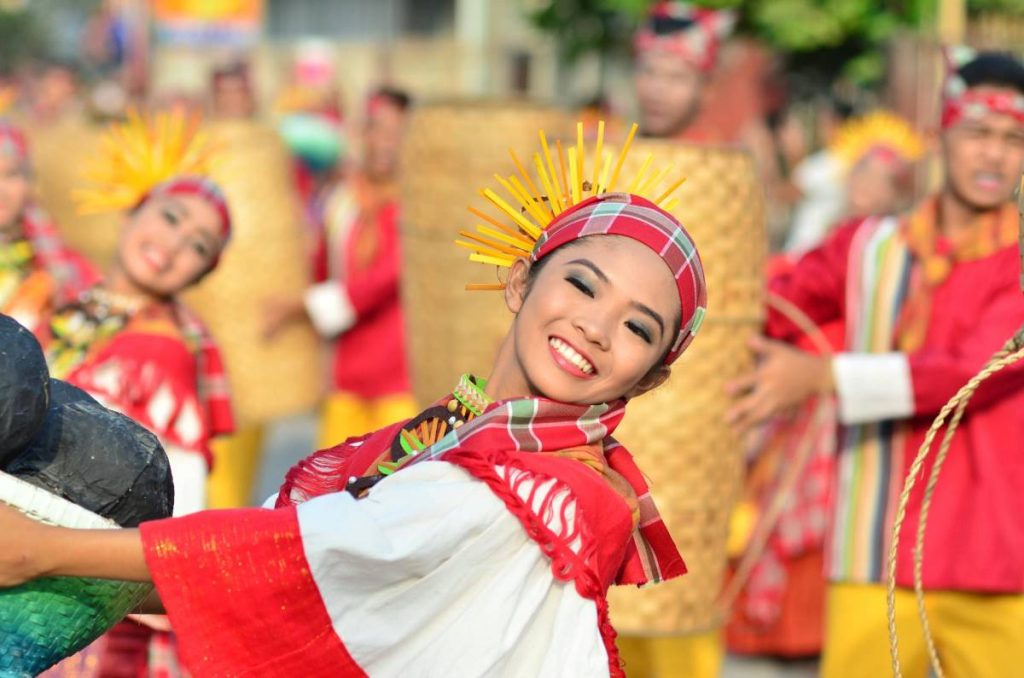
Global events create valuable opportunities for diverse cultures to interact, fostering mutual respect and understanding among participants. For Filipino communities, these events provide exposure to a diverse range of global ideas and perspectives, thereby enhancing their cultural awareness. Meanwhile, foreign visitors can immerse themselves in Filipino traditions, delicious cuisine, and vibrant arts, which helps them appreciate the rich cultural heritage of the Philippines.
These cultural exchanges enrich the local population and leave a lasting impact on international visitors, who return to their home countries with newfound knowledge and appreciation. By building these connections, global events promote collaboration and dialogue among nations, ultimately contributing to a more interconnected and harmonious world.
Exploring Types Of Potential Convention Centers In The Philippines
Convention centers in the Philippines can take many forms, each catering to specific needs and opportunities for growth. Large exhibition halls offer expansive spaces for trade shows and industry expos, providing platforms for business interactions and showcasing innovative products.
Conference centers, on the other hand, focus on hosting seminars, meetings, and academic forums, with multiple meeting rooms and auditoriums that foster collaboration and knowledge sharing. In tourism-driven areas, convention hotels seamlessly integrate event facilities with accommodations, providing convenience for both organizers and attendees while boosting local hospitality industries. Multi-purpose venues bring flexibility, adapting to conventions, concerts, or even sports events with modular seating and advanced technical setups, making them ideal for cities with diverse gatherings.
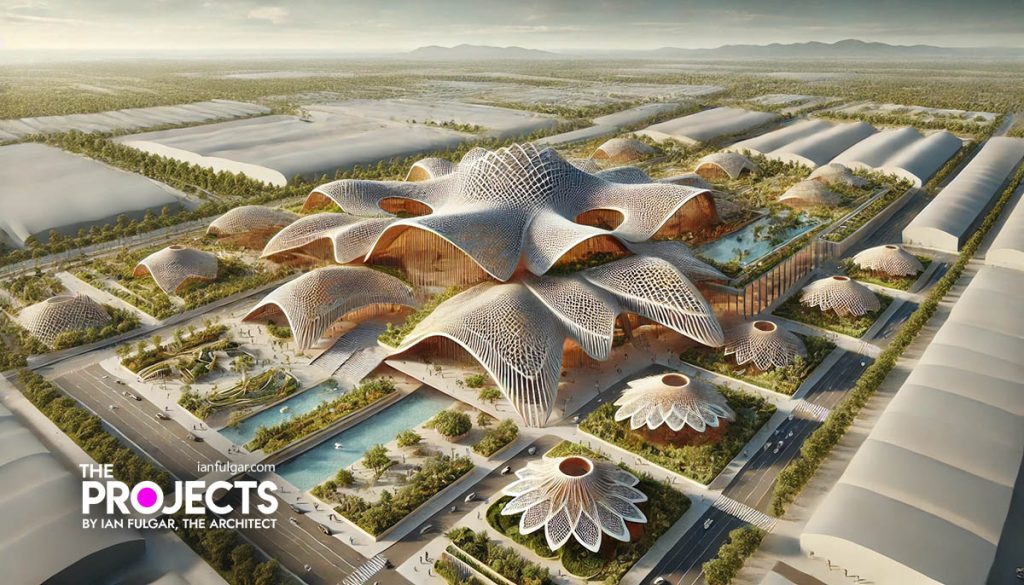
Cultural centers, outdoor spaces, university-based venues, and specialized locations such as museums or heritage sites provide alternative options that enrich the convention landscape. Cultural and performing arts centers focus on creative events but can also host themed conventions. Outdoor spaces offer scenic settings for festivals or fairs, while university venues support academic and corporate training events. Meanwhile, unique settings like museums or historical landmarks provide a distinct gathering atmosphere, blending functionality with local heritage. By exploring and diversifying these options, developers can create spaces that drive economic growth, support cultural identity, and attract regional and international audiences, ensuring that convention centers remain relevant and impactful in the Philippines’ development journey.
Preparing for the Growth of Convention Centers in the Philippines
Establishing convention centers in the Philippines requires strategic planning and investment in infrastructure, sustainability, and workforce development. Cities and provinces must prioritize creating efficient transportation systems to ensure seamless connectivity between venues, airports, and accommodations. Investments in public transportation, such as railways, airports, and bus networks, can facilitate the movement of large crowds, improving the attendee experience while supporting urban mobility.
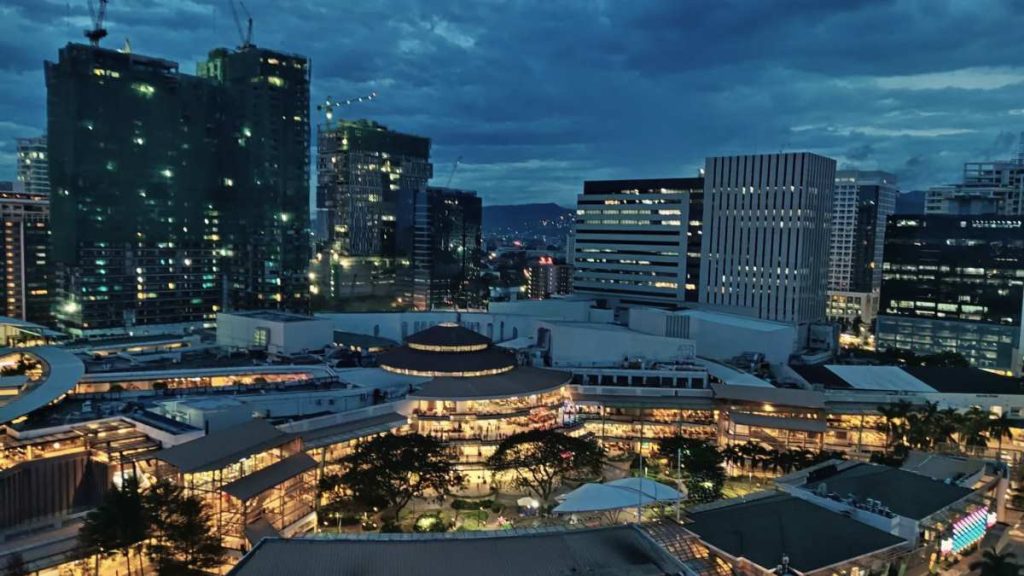
Sustainability is another crucial consideration, as convention centers consume significant energy and resources. Developers should adopt green building technologies, including energy-efficient systems, water recycling facilities, and renewable energy sources, to promote sustainable development. These initiatives reduce environmental impact and appeal to event organizers seeking eco-friendly venues, positioning the Philippines as a responsible choice for international events.
Equally important is developing a skilled workforce to manage the complexities of large-scale events. Integrating event management, hospitality, and logistics programs into higher education and professional training ensures that the Philippines remains competitive as a premier MICE destination. Collaborations between academic institutions and industry stakeholders can provide practical experience, preparing professionals to meet the industry’s demands while upholding world-class standards.

Leave a Reply