


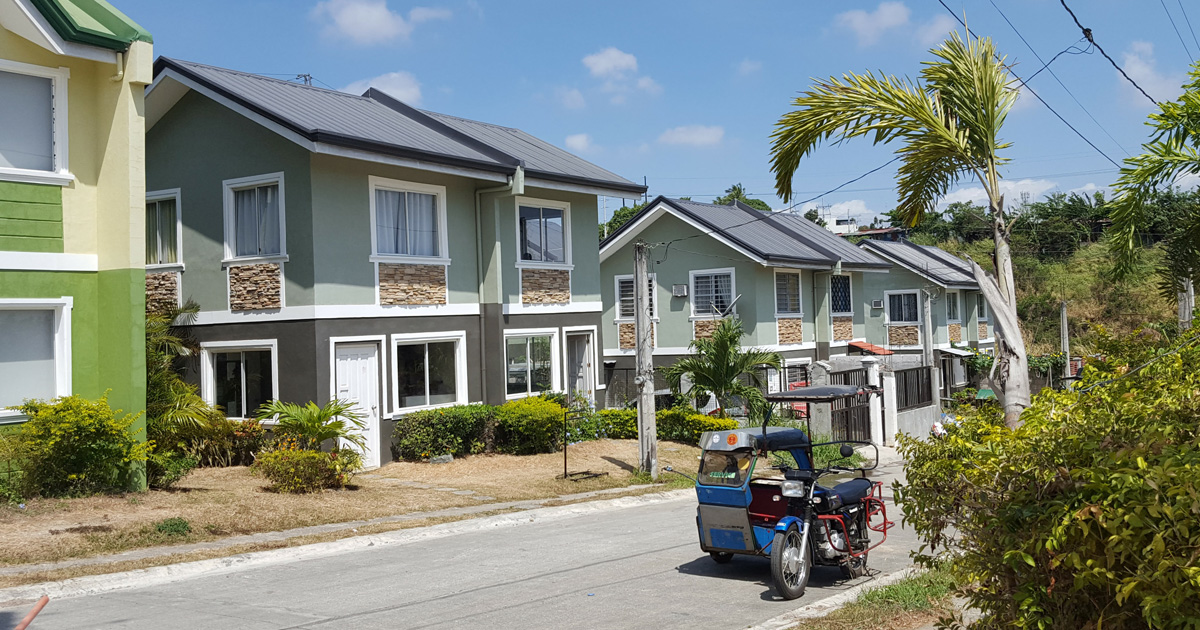
While applying for a Certificate of Registration (CR) and a License to Sell (LS) are two separate processes, the Declaration of UDHA Compliance is one of the requirements to complete the remaining application. Satisfying this critical requirement is confirming compliance with socialized housing before issuing the CR and LS approval for subdivision or condominium projects.
What Is The Declaration Of UDHA Compliance?
In connection with Republic Act No. 7279 or the Urban Development and Housing Act (UDHA) of 1992, the Declaration of UDHA Compliance aids the said act in providing a continuing and comprehensive housing and urban development program with a productive way of implementing it.
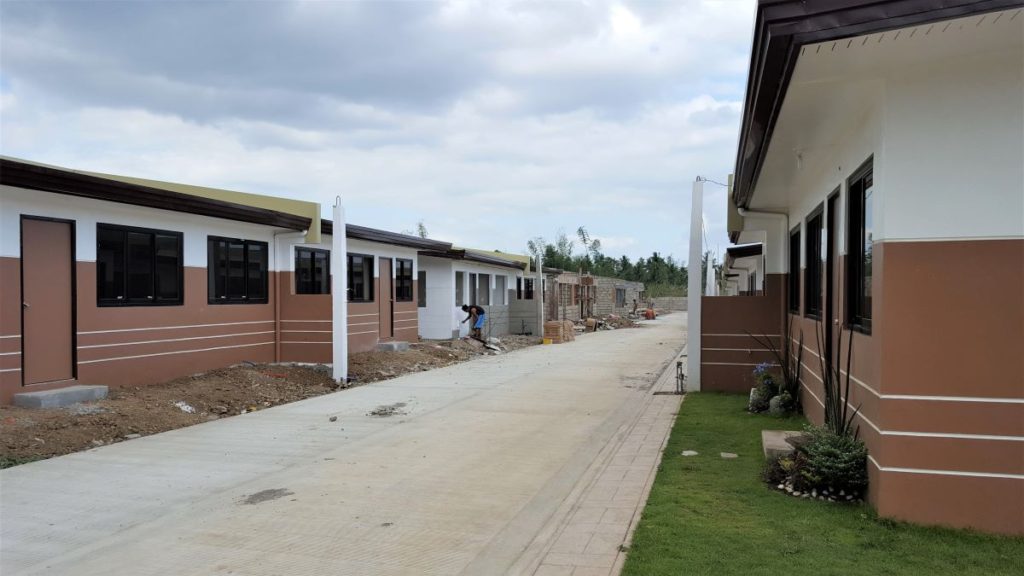
The government’s roadmap is to work with the private sector to improve the situation of poor and homeless residents in metropolitan areas and resettlement regions by providing them with cheap homes, basic amenities, and job opportunities. The program applies to all lands in urban and urbanizable areas, including current priority development areas, zonal improvement sites, slum rehabilitation, and resettlement sites, and other locations selected by local government units as appropriate for socialized housing.
Balanced Housing Development Needs
Republic Act. No. 10884, otherwise known as An Act Strengthening the Balanced Housing Development Program, revises Republic Act No. 7279 (Balanced Housing Development). The act now includes residential condominium buildings meeting the balanced housing criteria to improve the low-cost housing supply accessible to impoverished families and purchasers.
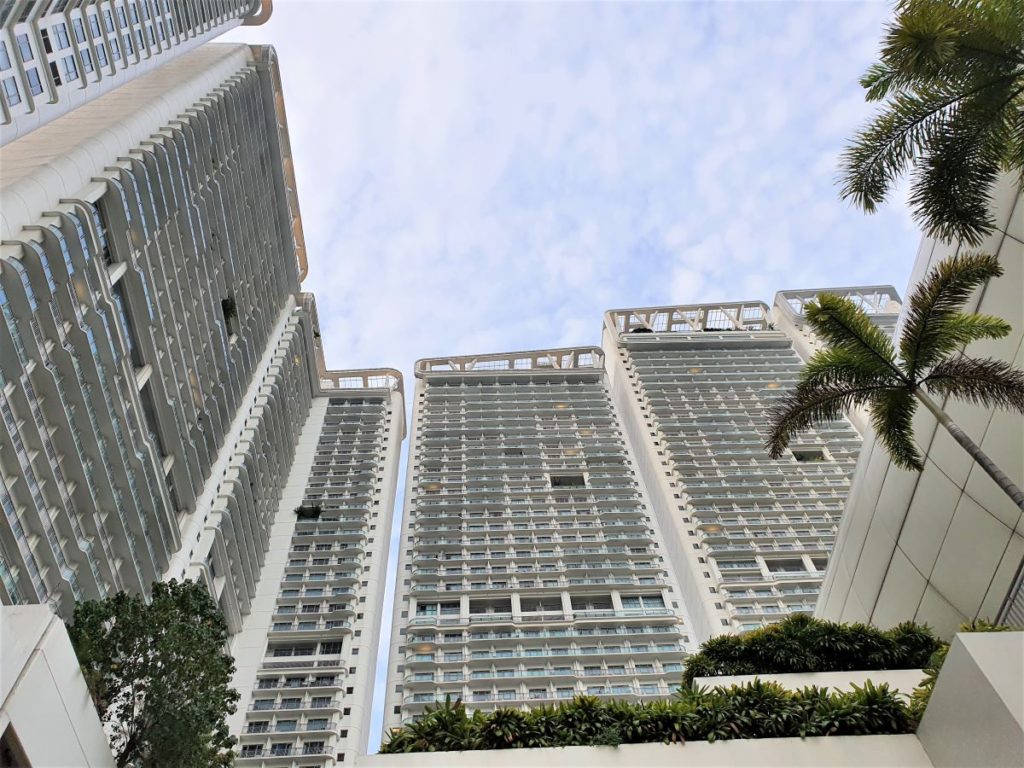
Section 18 of Republic Act No. 10884, as amended, mandates owners and developers of planned subdivision and condominium developments to create an area for socialized housing, at the developer’s discretion, comparable to:
- At least fifteen percent (15%) of the entire subdivision area or the cost of the subdivision project
- At least five percent (5%) of the condominium area or project cost.
The balanced housing need should meet the condition within the same city or municipality, in line with the norms specified by the Department of Human Settlement and Urban Development (DHSUD) and other current legislation.
What Are The Contents Of The UDHA Compliance?
There are two types of the Declaration of UDHA Compliance given to an applicant. One for the main subdivision project and another for the compliance project. However, there are three critical terms every subdivision developer or owner should consider. These are the (1) main subdivision project, (2) compliance project, and the (3) future or subsequent utilization.
What Is The Main Subdivision Project?
The main subdivision project refers to a tract or a parcel of land registered under Act No. 496, alternately known as the Land Registration Act. It is partitioned for residential purposes into individual lots with or without improvements and offered to the public for sale, either through direct purchase or installment terms.
What Is A Compliance Project?
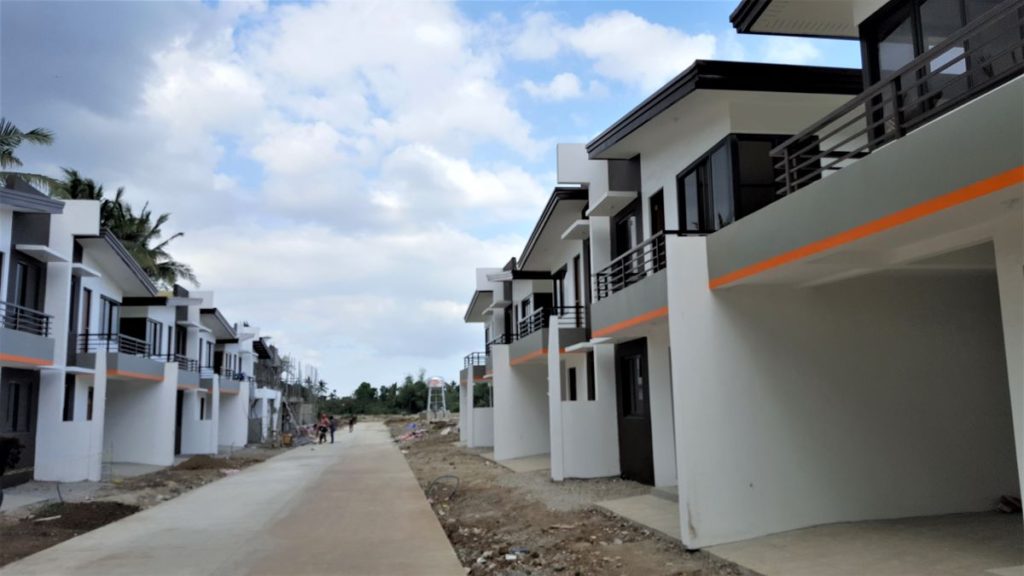
Aside from the main subdivision project itself, a subdivision development should also have a compliance project in adherence with Memorandum Circular No. 01, Series of 2013 – Guidelines for Section 3 (Balanced Housing Development Compliance) of the Revised Implementing Rules and Regulations to Govern Section 18 of the Republic Act No. 7279.
A compliance project contains the entire or a portion of the socialized housing program or socialized housing project applied to comply with the balanced housing development under Section 18 of RA 7279, as amended by RA 10884.
It also refers to civic institutions such as but not limited to educational facilities, productivity/livelihood centers, health facilities, and other basic amenities and facilities mentioned in Sections 21 and 22 of UDHA. The developer will provide these requirements, which will benefit a socialized housing program or a socialized housing project.
What Is A Future Or Subsequent Utilization?
Whether a subdivision developer or owner decides to develop the compliance project themselves or via a Joint Venture (JV) with a subsidiary, they may complete this in two ways, either via a future utilization or a subsequent utilization.

The project may manifest future utilization through a socialized housing project in compliance with its future main subdivision projects. On the other hand, a subsequent utilization works by developing any excess/remaining area and/or cost from the main subdivision project.
How Did The Pandemic Affect The Declaration Of UDHA Compliance?
Undoubtedly, the real estate industry is among the many industries affected by the pandemic. The Department Order No. 2021-003 Series of 2021 was issued to help lessen the financial burden among real estate businesses while hastening the process. This order is otherwise known as the Deferment of Compliance in Light of the Covid-19 Pandemic. Under this department order, all projects applying for accreditation, including the Declaration of UDHA Compliance, may comply within the first half of its completion time stated in the License to Sell of the Main Subdivision Project. For example, a two-year subdivision development may complete its Declaration of UDHA Compliance or any other proof of compliance a year after its commencement. Before this new department order, the department requires these projects to seek accreditation before the project starts.
Aside from the Declaration of UDHA Compliance, the new department order also states various changes in the License to Sell and the Certificate of Registration application. Nonetheless, processing real estate applications have become faster and easier.

Leave a Reply