


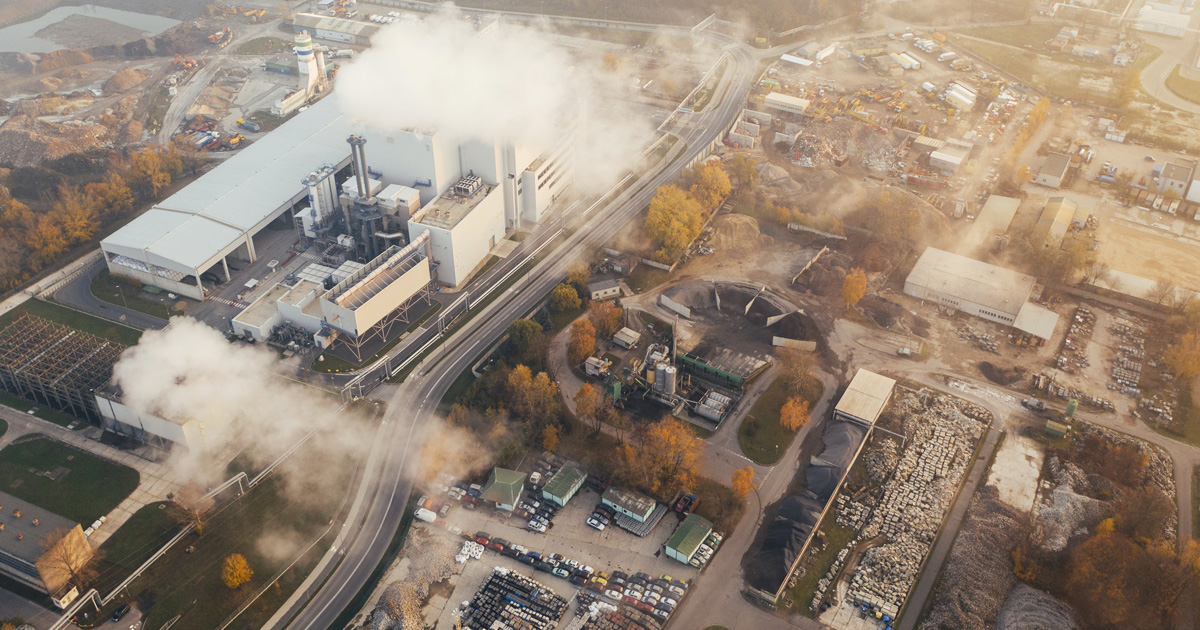
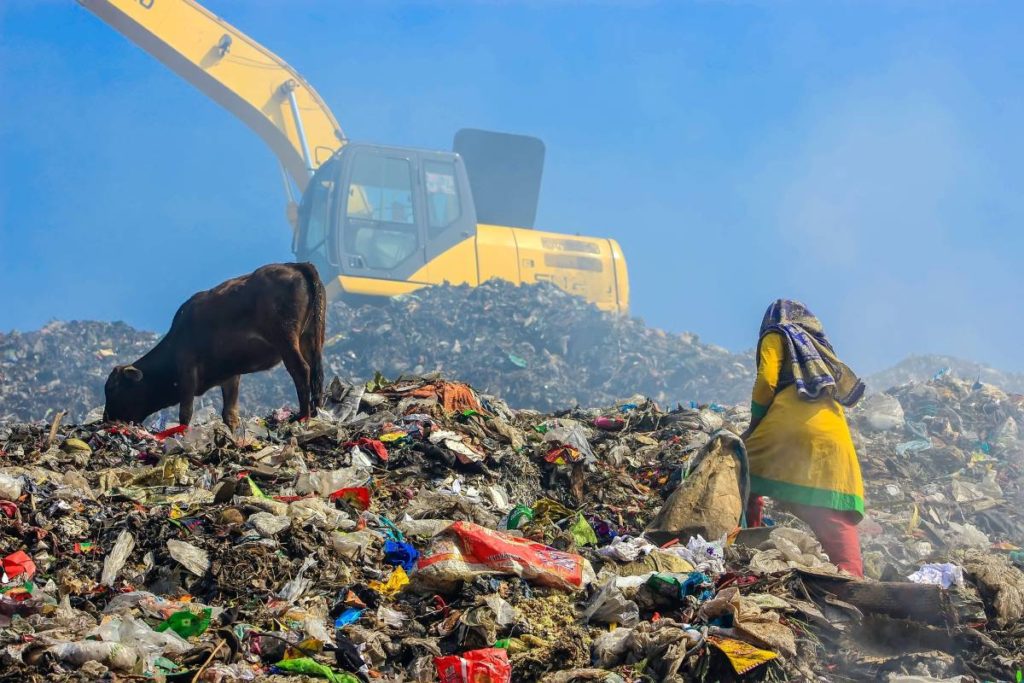
According to a study by Jambeck et al. in 2015, the Philippines ranks the third-worst ocean plastic polluter globally, trailing only Indonesia and China. A closer look further reveals that the country generates 41,000 tons of garbage daily, with 9,670 tons coming from Metro Manila alone. With an archipelago with over 7,100 islands surrounded by waters, a sense of urgency unfolds as higher energy demands increase with an even higher supply of waste. Could we create a symbiotic relationship that could turn these problems into a better, long-term solution? Some experts in the field think that an approach to Waste-to-Energy in the Philippines would.
A Panorama Of The Waste-To-Energy Process
The Waste-to-Energy process is an eco-friendly and cost-effective energy recovery through various methods, including combustion, gasification, pyrolysis, and anaerobic digestion.
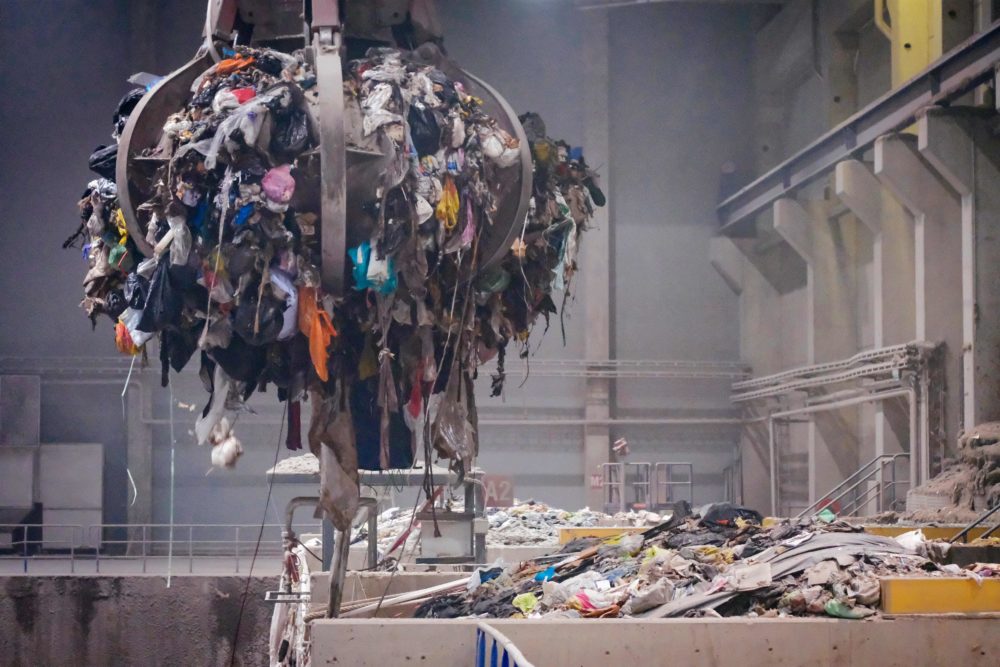
Municipal solid garbage is unloaded from haulers and stored in a trash silo at an incineration facility. An overhead crane sorts the waste before lifting it into the combustion chamber. The heat produced by combustion turns water into steam, subsequently delivered to a turbine generator to generate power.

The residual ash is collected and sent to a landfill, where a high-efficiency baghouse filtration system removes particulate matter. The gas stream that passes through these filters eliminates more than 99% of particulate matter. Captured fly ash particles fall into funnel-shaped hoppers, and an enclosed conveyor system transfers them to the ash discharger. The system then dampens the particles to avoid dust and blends them with the grate’s bottom ash. The operation moves the ash residue into covered, leak-proof trucks before being transported to a landfill constructed to prevent groundwater pollution. Further treatment of the furnace’s ash residue may still extract recyclable scrap metals.
The method recovers energy from waste items that would otherwise be sent to a landfill, significantly reducing greenhouse gas emissions. These operations also allow the recycling of non-recyclable materials, therefore conserving necessary resources and minimizing waste. Consequently, compared to other kinds of waste management, the Waste-to-Energy process is efficient for garbage disposal and recovering valuable resources.
Wastes include important and underutilized feedstocks for renewable fuel, processing, and packaging. Solid waste, wet waste, and gaseous waste streams are potential resources for generating biofuels, bioproduct precursors, heat, cooling, and electricity locally. These waste resources are accessible without a change in land use. In many cases, their utilization aids in the resolution of specific and local disposal issues.
A Global Race To Clean Energy
A growing global mindset change toward cleaner, more sustainable energy has compelled governmental and private operators to mainstream the need for alternative waste solutions worldwide. While the United States remains behind in Waste-to-Energy initiatives, several European and Asian nations have taken the initiative.
As one of the innovators of Waste-to-Energy technologies, Japan continues its legacy by processing 70% of its municipal solid waste in Waste-to-Energy facilities. However, the world’s most populous power demands led to China’s rapid, large-scale efforts toward cleaner energy – with plans to build 300 local Waste-to-Energy projects by 2022, doubling the number of its current facilities.
In contrast, Europe takes a different approach to converting waste to energy, classifying and converting various forms of refuse such as solid, semisolid, excess gas, and heat into useable energy. In Russia, for instance, the major oil and gas corporation Lukoil utilizes residual heat from flare gas to generate hot water and energy for its oil refinery.
How The Philippines Is Faring
Many investors have shown interest in projects related to Waste-to-Energy in the Philippines after the Department of Energy approved the country’s first Waste-to-Energy plant in Palawan in 2019. Foreign and domestic energy companies are proposing multiple Waste-to-Energy projects in critical places such as Cebu, Davao, Iloilo, Puerto Princesa, and Pangasinan.
Aside from investors, other government agencies, such as the Department of Environment and Natural Resources, support the continuation of the country’s Waste-to-Energy efforts, heralded as the future of energy regeneration in the Philippines. Other initiatives for clean energy also include talks about the reopening of the Bataan Nuclear Power Plant.
The department has begun issuing regulations for creating and operating waste-to-energy (WTE) facilities to process municipal solid waste (MSW). The DENR considers WTE a cleaner and more sustainable alternative to regular sanitary landfills, permitted under RA 9003 or the Ecological Solid Waste Management Act of 2000. The new guideline will adhere to Presidential Decree 1586, “Establishing an Environmental Impact Assessment System”. It will also follow emission standards in Republic Act 8749, “Clean Air Act”, effluent standards as specified in Republic Act 9275 “Philippine Clean Water Act of 2004”, and regulations on the use and disposal of hazardous substances and waste in Republic Act 6969, “Toxic Substances and Hazardous and Nuclear Waste Act of 1990”.

Advantages Of Waste-To-Energy In The Philippines
In addition to tackling the nation’s waste management issue sustainably, Waste-to-Energy in the Philippines provides six additional advantages.
- Great alternative energy source. Experts estimate that each ton of garbage may generate between 550 and 700 kilowatt-hours of energy, sufficient to run a single-family house for over a month.
- Steady supply leads to stable prices. The abundant availability of waste materials in the nation may mitigate any price variations in the energy market.
- Reduced reliance on fossil fuel. Stable energy sources derived from waste materials might lessen the nation’s dependence on fossil fuels, which provide around 80% of the world’s energy.
- Less crowded landfills. The widespread conversion of garbage to energy may significantly reduce the volume of waste materials accumulating in landfills, reducing greenhouse gas emissions and conserving precious land.
- Byproducts as fertilizers. Some Waste-to-Energy plants, such as anaerobic digestion, produce byproducts that may be utilized as fertilizers and increase the soil’s nutritional content.
- Waste-to-Energy industries may produce new jobs and economic activity, which may benefit the whole community and generate much-needed electricity from waste products.
Waste-To-Energy In The Philippines
As the increasing urban population becomes aware of how much pollution the planet generates daily, new technologies continuously develop methods to convert this liability into an advantage. With the government and commercial sectors understanding the worldwide urgency of waste management, new and innovative solutions such as Waste-to-Energy in the Philippines may gradually become the standard, giving a positive light to the future of both waste management and energy production.

Leave a Reply