


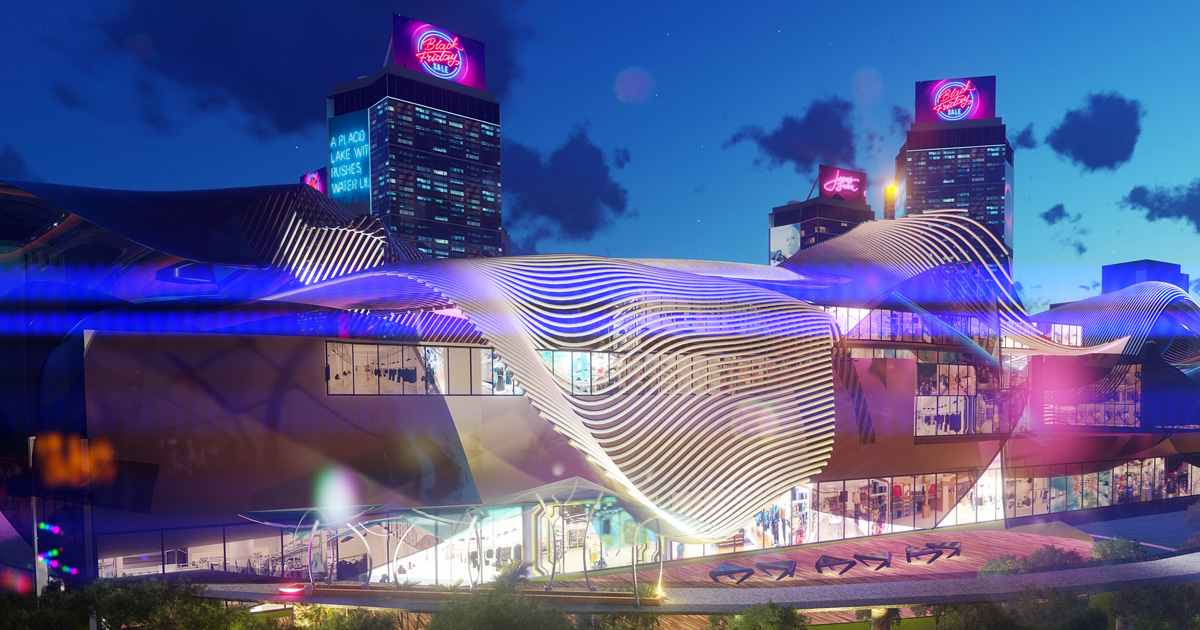
The idea of integrated resort development has been around for many years, but they have only recently become progressive. Business travel-related industries date back to early ancient civilizations in Xi’an and Istanbul. Merchants might exchange ideas and commodities along trade routes such as the Ancient Silk Road over dinner and entertainment. Another example is the Eiffel Tower in Paris, France, which served as an arch to welcome visitors to the 1889 World Fair, showcasing Western accomplishments in various industries, including architecture, the arts, and technology. Today, businesses that cater to travel and convention demands are more proficient and sought after for business-related tourism and recreational activities.
The Nature Of Integrated Resort Development Projects
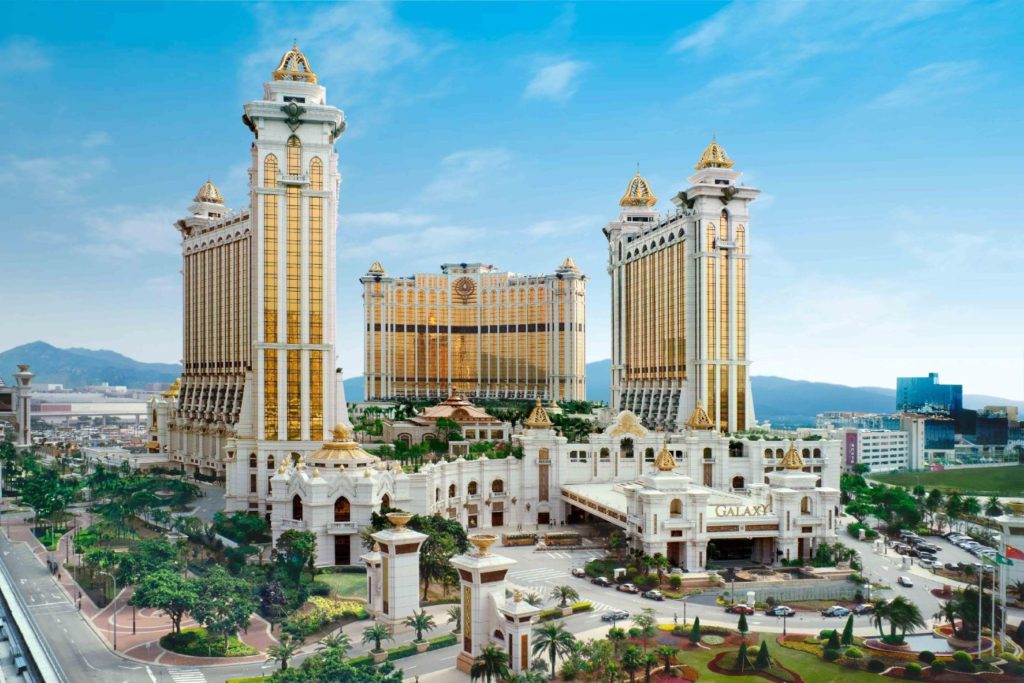
An integrated resort enterprise is a dynamic and multi-faceted venture that caters to business travels and tourism industries. The ambitious development aspires to meet all conceivable business expedition needs with a collection of lodging, casino, entertainment, retail, and convention initiatives located in a unified zone. Additionally, an ideal integrated holiday and business resort project near airports and transport nodes enables conveniently placed hosting of events and meetings.
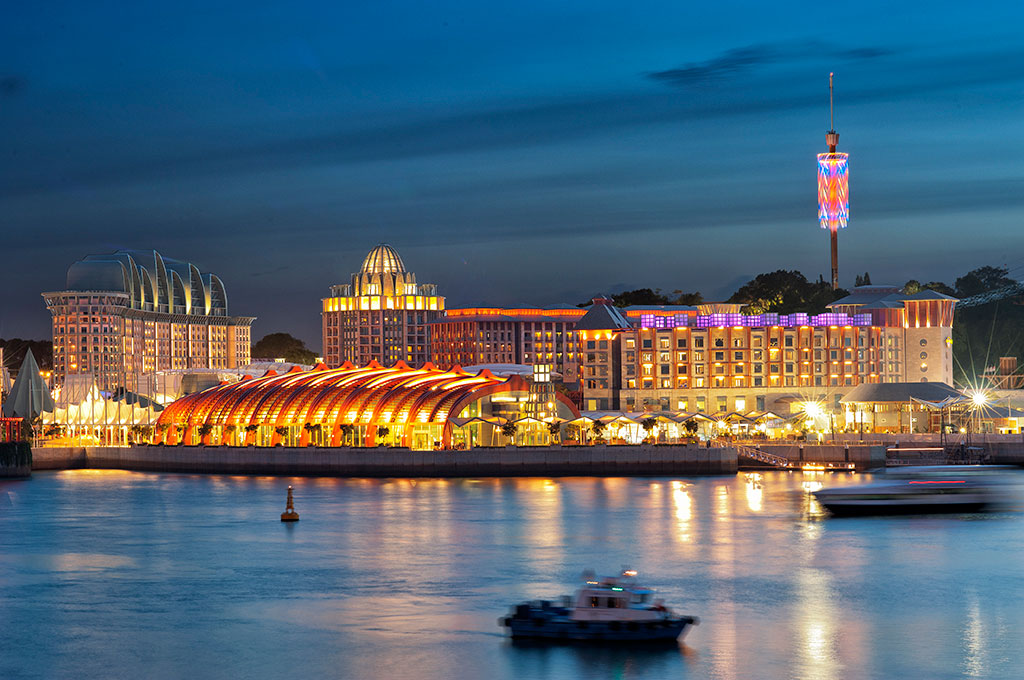
The best model of an integrated resort diversifies its offerings to attract a broad demographic. This strategy creates the impression that the place is robust and more preferred, increasing the resort’s overall worth.
The Economy of Business And Leisure
The undertaking of business tourism is on behalf of an enterprise or to conduct business with another party, typically involving at least one overnight stay in another area. Meeting suppliers or business partners in another region, attending a conference, or promoting a company function are examples of business trips that help strengthen networks and relationships.
As business and leisure evolve, tourism’s critical role in how people operate, communicate, and conduct business has become increasingly apparent, from worldwide conferences to business tours and corporate retreats. Besides these formal and large-scale business events, “bleisure” serves another critical function. It provides an opportunity to detach, seek inspiration, rejuvenate, and re-establish a clear mental headspace in today’s fast-changing world. By improving employee collaboration and alleviating work-related personal pressures, leisure travel for businesses can help enterprises remain more efficient and productive. All employees increase productivity when permitted to take breaks, both within and outside the office. These trips can help employees refuel and renew, resulting in inflated creativity.
The Surge In Bleisure Travels
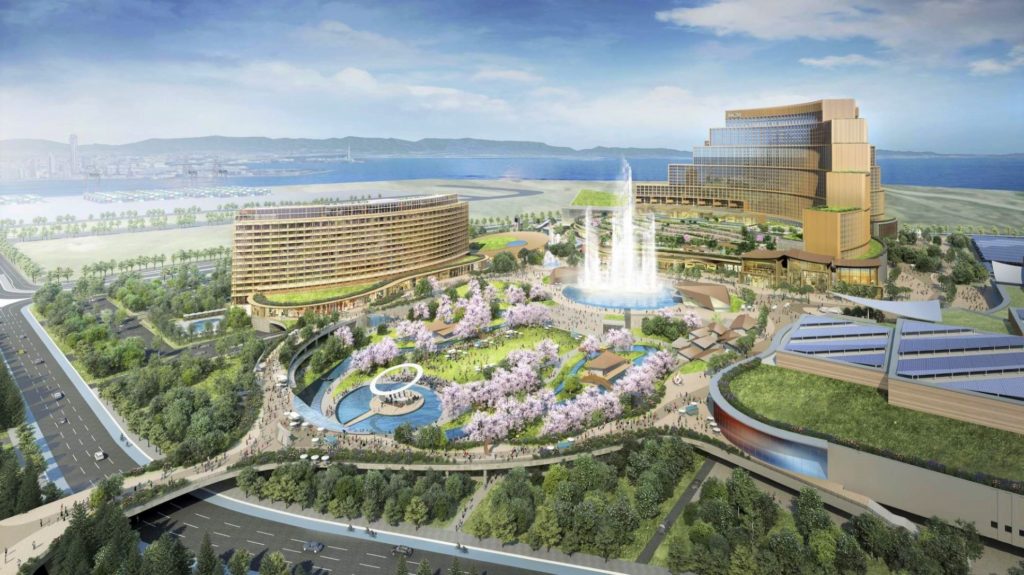
Expedia and Finances Online research indicates that the corporate travel industry is expanding. It notes that 40% of business trips include an extension for leisure, significantly influencing the demand for hotels or other accommodations near business meetings and activities. Millennials make up more than 38% of “bleisure” tourists, while Generation X and Baby Boomers each make up 31% of the same percentage. Additionally, according to research conducted by the Global Business Travel Association, global business travel expenditure increased by more than 5% between 2016 and 2018, with continued growth in the following years.
Business Conventions As Part Of Integrated Resort Development
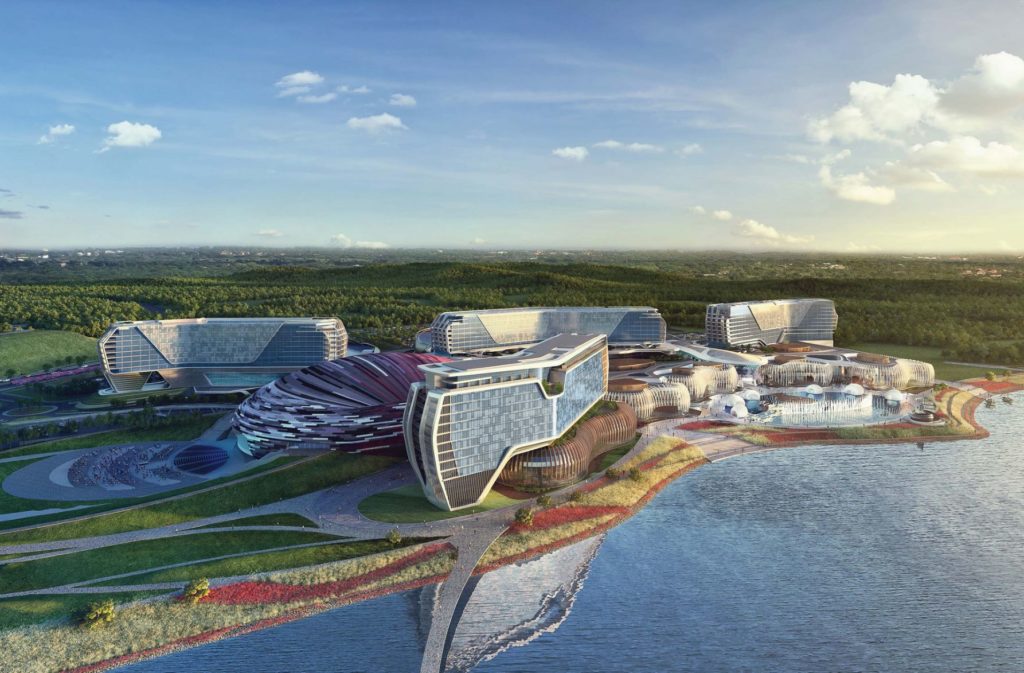
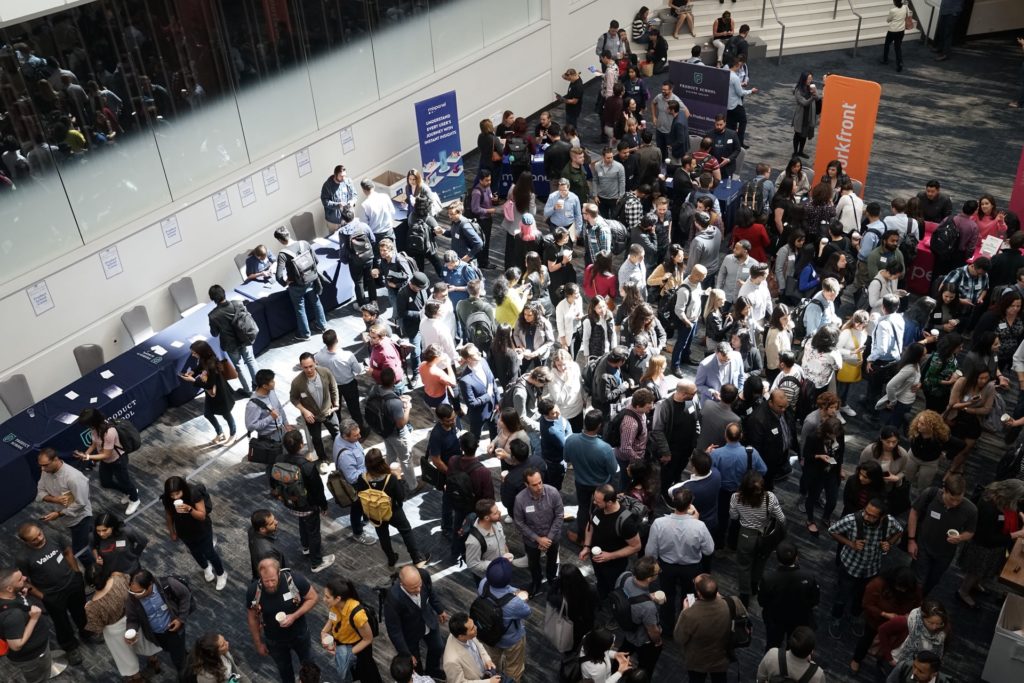
Expansive IR development includes convention facilities for MICE (Meetings, Incentives, Conferences, and Exhibitions) requirements. A convention venue can host trade exhibitions, seminars, and other significant events such as sporting tournaments. Large convention centers are attached to several hotels and exhibit halls to accommodate participants and attendees at an event. These centers are frequently located within an integrated resort zone to serve as a tourist attraction, a meeting location, or a venue for large public gatherings. The primary characteristics intend to promote various conferences and events, ranging from meetings to ballroom events, social groups, and private parties. Modern technology has been integrated into the rooms, including a stage, 3-dimensional video mapping, LED screens, and microphones. Additionally, convening areas frequently showcase retail or dining establishments located within or adjacent to the facility, capitalizing on the volume of visitors attending events.
The Value Of Great Accommodation
Hotels have been a central part of business travel for decades. As part of an integrated resort development, many hotel premises offer various amenities to attract more potential guests. Some hotels have gardens, fitness centers, pools, and spas, while others have conference rooms or business centers. For the support and convenience of each guest, all accommodations are contemporary and well-planned with the latest in technologies. The designs of hotel rooms make it easier for travelers to stay productive while away from home.
The hotel industry is one of the exceedingly competitive industries in the world. Plans frequently include transportation or shuttle services from the neighboring airport to the site as part of their accommodation packages. A shuttle service operated by private automobiles for customers arriving at airports is typically less than a 10-minute drive from an IR development facility.
From Retail To Lifestyle Shopping
Expansive holiday resort development frequently features dynamic shopping experiences for its guests. This unique commercial sector is currently producing new projects with an inherent sense of location. The allure and quality of resorts are inspiring future initiatives. These lifestyle centers have taken numerous elements from resorts to create shopping spaces with which consumers can reconnect. Shopping experiences increasingly incorporate high-amenity locations, use the natural and historical setting, expand nightlife and entertainment services, incorporate an indoor-outdoor experience, emphasize wellness, and cater to affluent consumers.

Entertainment And Recreational Activities
As designers evaluate what consumers want in addition to what’s next, they address initial impressions and the flow of space to facilitate people’s mobility. Architects are concerned with service efficiency to deliver an unforgettable front-of-house experience. Also, choosing finishes, lighting, fragrance, and sound is a critical part of the branding design process. But more importantly, correctly designed and marketed venues will attract and retain consumers’ attention.
Entertainment can be as straightforward as a lobby performance or an extravagant indoor theme park with interactive installations. Certain entertainment districts provide high-definition cinemas or performance theaters and other visually appealing activities geared toward community attractions. Most integrated resort developments have entertainment clubs or bars for post-work recreation. These clubs are usually open until the early morning hours and offer a variety of activities such as live music, dancing, and karaoke.
The Character Of Gaming In Integrated Resort Development
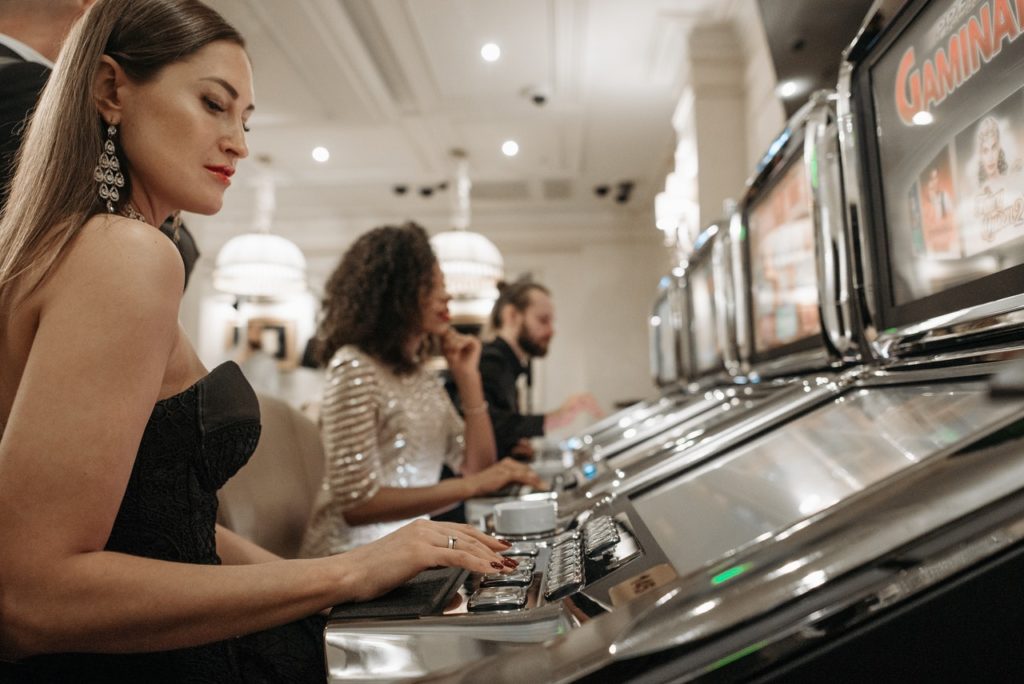
Casinos, often the economic lifeblood of an entertainment facility, are frequently located as the anchors of integrated resort ventures. Numerous communities have allowed commercial gaming operations mainly to achieve economic maturation. Improving employment conditions, augmenting tax revenue for state and local governments, and expanding local retail sales are the most often acknowledged benefits. Casinos within integrated resort development frequently emulate the extravagance of Las Vegas casinos, with volumetric ceilings, vibrant ambiance, and various gaming amenities.
Numerous Asian nations develop casino-based integrated resorts to resuscitate their faltering economies as a new tourist vehicle. The integrated resort will become an iconic architecturally designed tourist destination, incorporating a variety of casino and non-gaming amenities under one roof. The availability of convention space, theatres, retail malls, arenas, galleries, theme parks, restaurants, hotels, spas, and casino venues allows targeting a diverse range of visitor demographic groupings. Shows, events, and entertainment will be a permanent component of the marketing and experience mix. Co-branding with significant hotel and gambling items enhances the complex’s brand visibility and attractiveness.
The Impact Of Integrated Resort Development Projects
Introducing or expanding integrated resorts into a region requires considerable investment resources. For governments, integrated resort projects may provide significant financial advantages, mostly from casino revenue and other levies imposed within the integrated resort and effective employment in various industries. Additionally, integrated resorts can revitalize and increase international visitor arrivals. However, given the existence of casinos inside integrated resort developments and the contentious and sometimes impassioned discussion over gambling prohibition and potential social consequences, any implementation may need reexamining both national and local policy.
The Inevitable Future Of Integrated Resort Development
Leisure travel will always be an innate human need that shapes people’s lives in indelible ways. Whether flying halfway around the world to immerse oneself in a new culture or merely visiting the town across the street, business travel respites the daily grind. Regardless of the length of trips, travel helps the workforce decompress while introducing innovative realities that offer new meaning to live, work, and play.
Integrated resort development is becoming a seamless entertainment compound that incorporates local culture and traditional elements as a visionary impact on an area. It includes both business and pleasure tourism, ensuring that work travels are always rewarding in and of itself. For now, integrated resort projects provide the ideal setting for a one-of-a-kind corporate travel experience. The next generation of integrated resorts will be sophisticated, with large-scale evolution that transforms into destinations, bringing together diverse backgrounds for business tourists worldwide.

Leave a Reply