


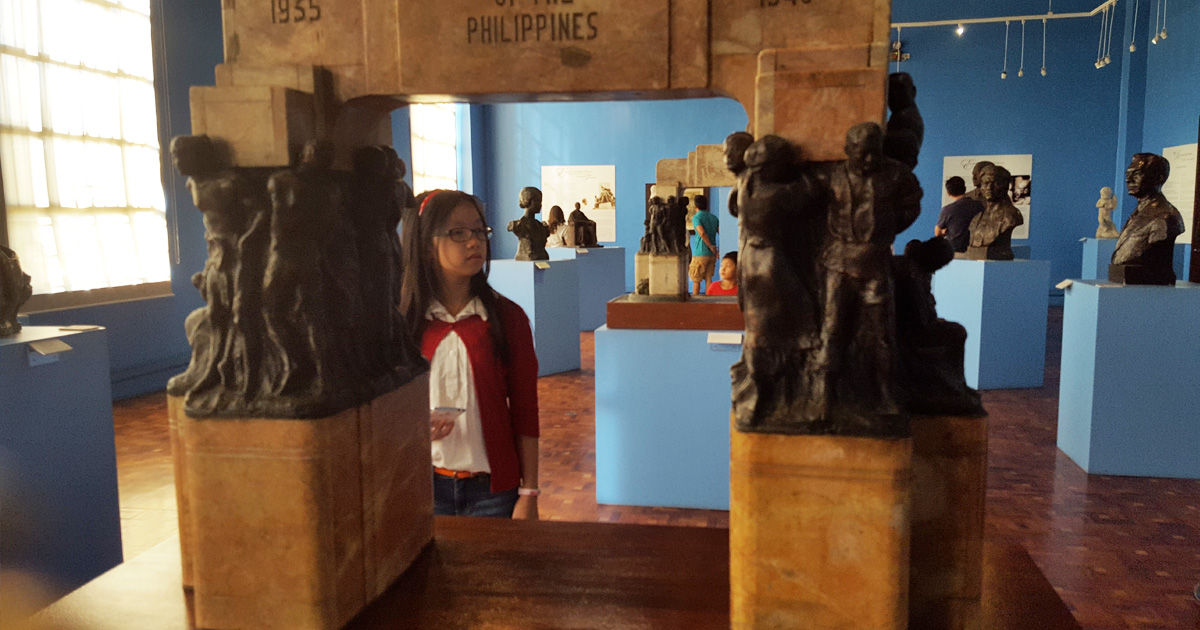
The National Museum of the Philippines is presently entertaining reservations and visits. The museum welcomes fully vaccinated individuals and tourists aged 18 and under as long as an appropriately vaccinated adult accompanies them. Visitors must have their vaccination cards and identification with them. Additionally, all guests must reserve online and book slots at least one day before arrival. Walk-in guests who do not have prior bookings will be refused entry. The upside is, that admission is free. Reservations need to be accomplished at least one day before your planned visit at reservation.nationalmuseum.gov.ph. Visitors may schedule a single trip or a group tour of four companions for either the AM (9-12) or PM (1-4) session.
What To Expect
The National Museum is comprised of the National Museum of Natural History, the National Museum of Anthropology, the National Planetarium, and the National Museum of Fine Arts, in addition to museum branches located around the country. Besides, it serves as an educational, cultural, and scientific organization, hosting lectures, interviews, and publications, and conducting numerous research initiatives.
Because the museum complex is so large, visitors select areas of interest. Numerous excursions include visiting the National Museum and other sights in Manila, including the Ayala Museum, Casa Manila, and Fort Santiago. Passengers on cruise ships and layovers may arrange for a personalized tour. Public transit lines with routes passing near the museum include jeep, bus, train via LRT 1, and water jeepneys.
The National Museum of Natural History
The National Museum of Natural History is an excellent place, to begin, after extensive renovations. It shelters priceless artifacts and specimens in botany, geology, and zoology. Among the museum’s most renowned exhibits is the Tree of Life, the skeleton of the Philippines’ most enormous captive crocodile named Lolong, the Rainforest Diorama, and the Mangrove Diorama. Moreover, some of the displays are interactive.
The National Museum of Anthropology
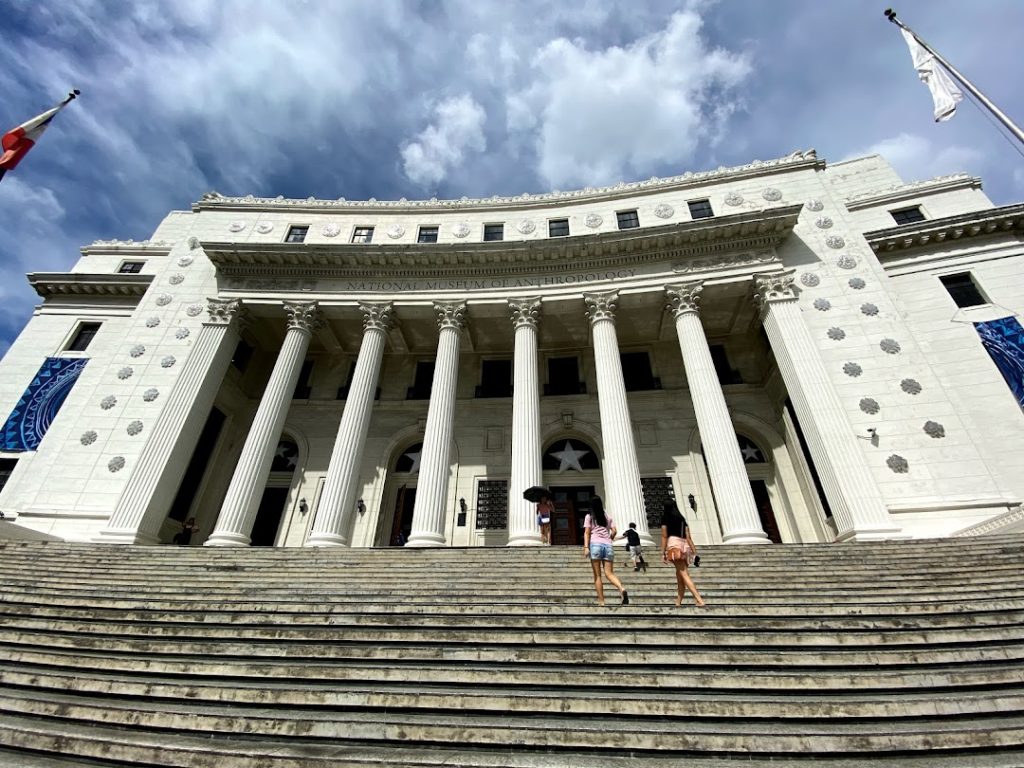
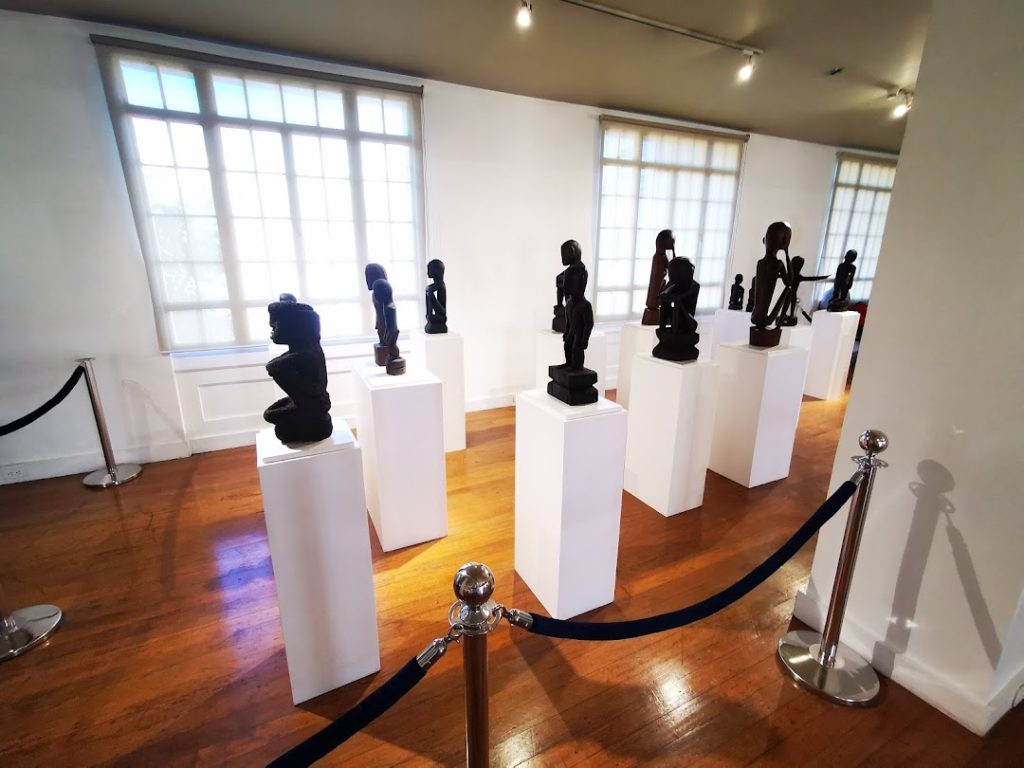
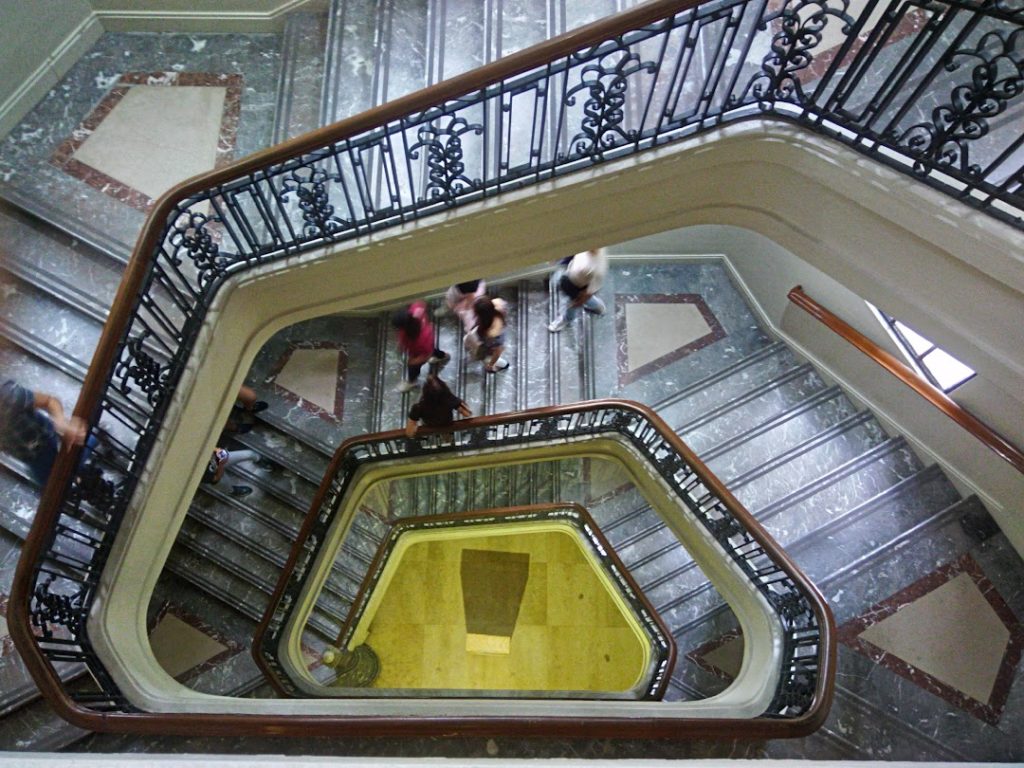
Formerly the Museum of the Filipino People, The National Museum of Anthropology is housed in the five-story former Department of Finance Building, influenced by NeoClassicism architecture. As the National Museum’s second structure, it serves as a cultural center, leading the research and preservation of the nation’s rich artistic, historical, and cultural legacy, as well as the restoration and rebuilding of our nation’s history. It was constructed in 1940 in the Federal architectural style by Arch. Antonio Toledo of the Bureau of Public Works. He also planned Manila’s administrative facilities under the American colonial authority.
The National Planetarium
The National Planetarium was founded to communicate astronomical knowledge using a variety of platforms and technologies, including full-dome digital and mobile planetarium performances, talks, demonstrations, exhibits, and actual celestial observations. Its distinguishing characteristic is the lifelike depiction of heavenly bodies, which captivates the curiosity and stimulates the imagination of aspiring Filipino astronomers.
The first National Planetarium opened on September 30, 1975, under the direction of the National Museum of the Philippines, pursuant to President Ferdinand E. Marcos’ Presidential Decree No. 804-A. It was officially inaugurated and opened to the public on October 8, 1975. At the time, it was Southeast Asia’s largest planetarium.
The National Planetarium’s most recent renovations started in 2016 and included a number of structural, technological, and program modifications. In January 2019, the freshly restored ethnoastronomy display reopened to the public.
The National Museum of Fine Arts
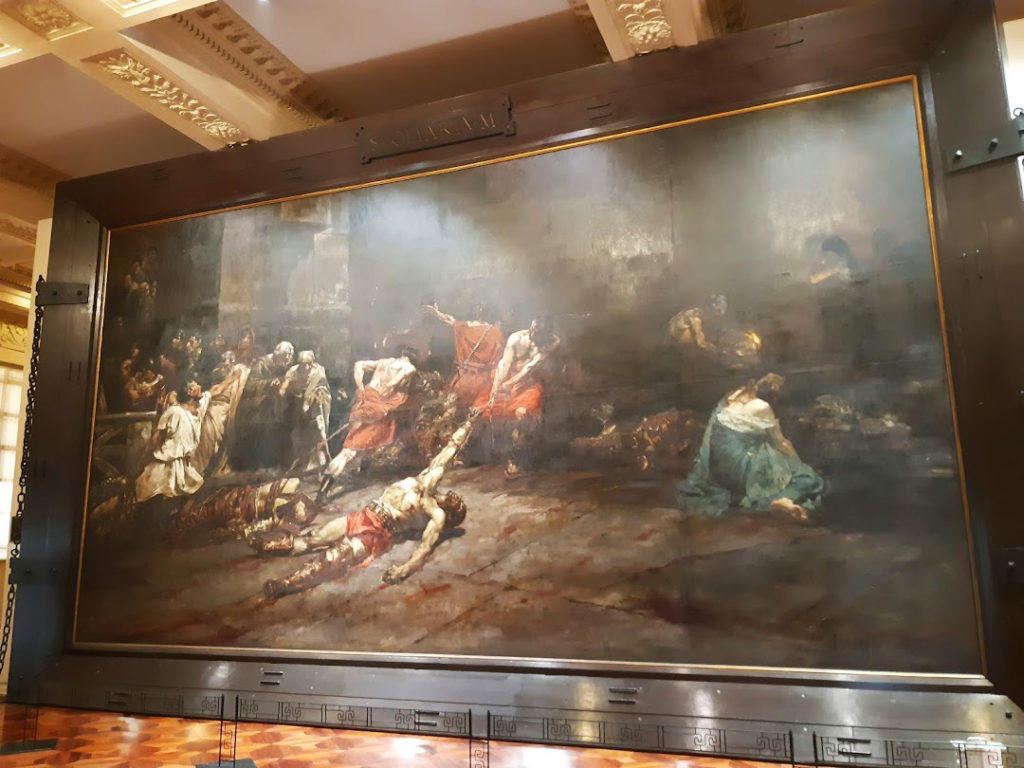
The National Museum of Fine Arts displays a collection of works by traditional Filipino painters. It was initially founded as the National Art Gallery in 1998 and is owned and maintained by the National Museum of the Philippines. It is situated across from the National Museum of Anthropology on Padre Burgos Avenue. Among the artists included in the collection are Juan Luna, Félix Resurrección Hidalgo, and Guillermo Tolentino.
Ralph Harrington Doane, the American consultant architect for the Bureau of Public Works, and his associate Antonio Toledo initially conceived the facility as a public library. Construction started in 1918 but was halted multiple times due to financial constraints. The construction cost reached four million pesos and was completed on 16 July 1926. The neoclassical architecture was constructed as part of Daniel Burnham’s master plan for the development of Manila. The House of Representatives and The Senate offices occupied the second, third, and fourth floors, while the National Library settled at the ground level.
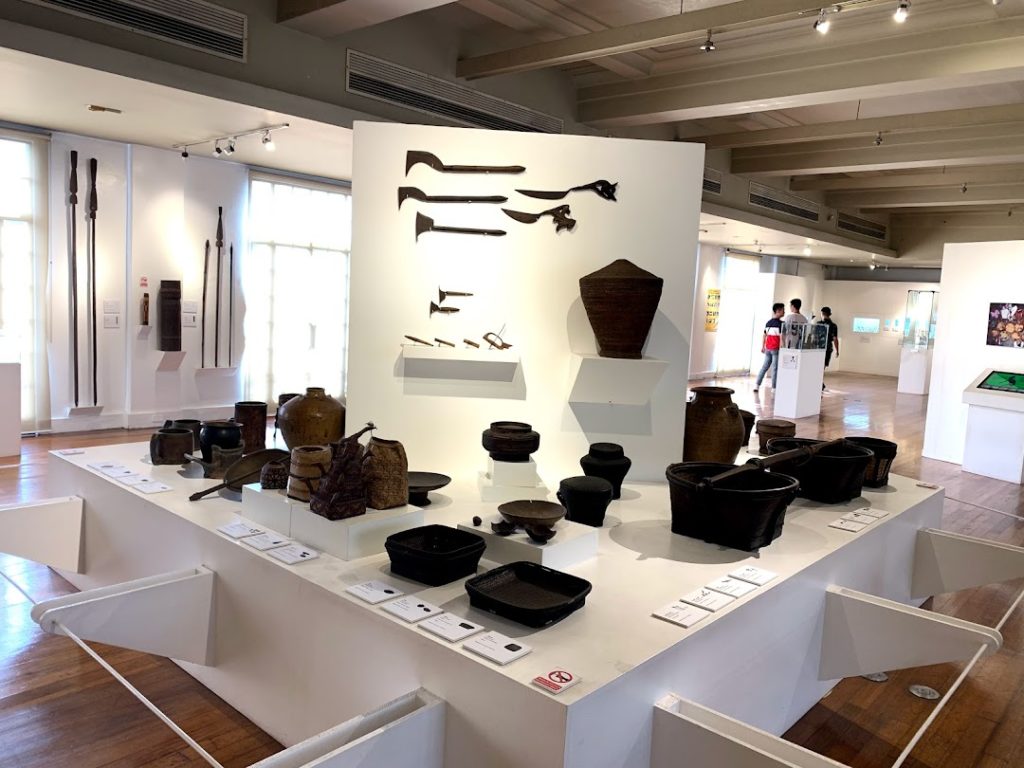
How The National Museum Of The Philippines Began
The Museo-Biblioteca de Filipinas founded the National Museum of the Philippines on August 12, 1887. But it was destroyed by the American occupation of the Philippines in 2000. In addition, the National Museum was founded by the Insular Museum of Ethnology, Natural History, and Commerce on 29 October 1901.
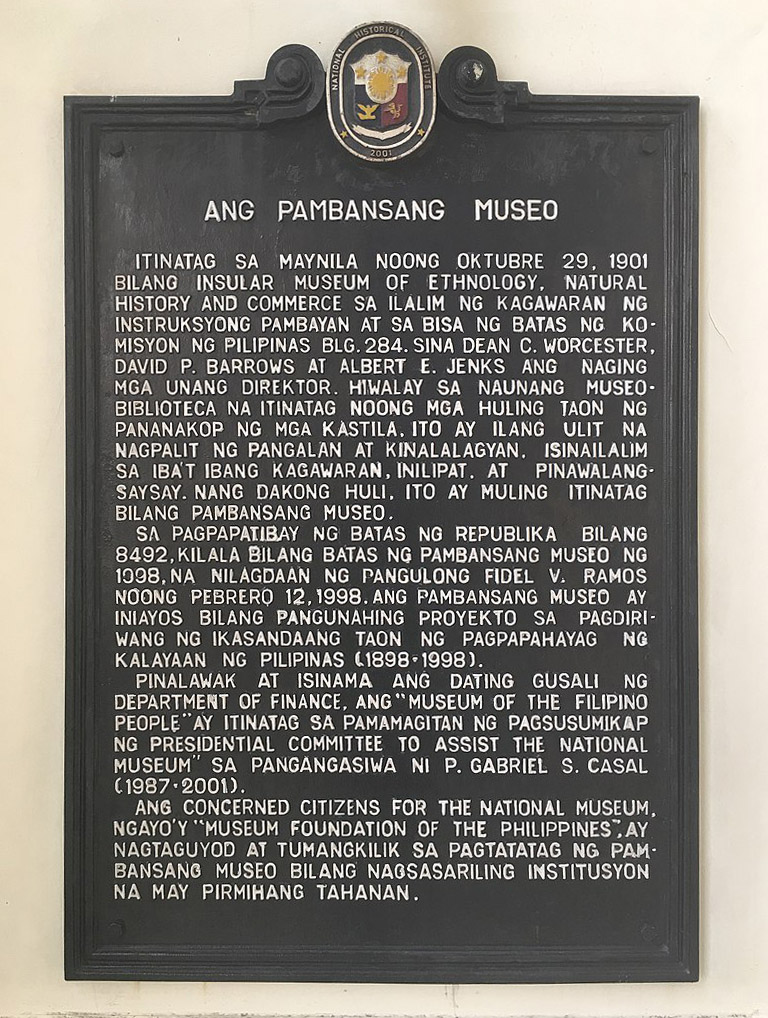
The National Museum is a government-owned trust. It is an educational, scientific, and cultural institution that seeks to document, preserve, exhibit, and encourage the scholarly study of art and other specimens. It is responsible for establishing, managing, and developing museums throughout the nation, including the National Museum Complex at Manila and the National Planetarium.
In addition, there are more than ten branches scattered throughout the country of the National Museum, which displays the roots and visual expressions of Philippine culture.
The Role Of The National Museum
The National Museum of the Philippines develops and manages the country’s reference collection in cultural heritage in fine art, anthropology, or archaeology, as well as natural history in botany, zoology, paleontology, and geology. The museum promotes appreciation and research findings and technical, museological skills and knowledge through publications, educational and training programs, outreach, and other means.
The National Museum of the Philippines administers the enforcement of several cultural regulations. It also manages many culturally valuable properties, sites, or reserves. It is also the agency that coordinates the annual Museums and Galleries Month. This event takes place every year in October.

Leave a Reply