

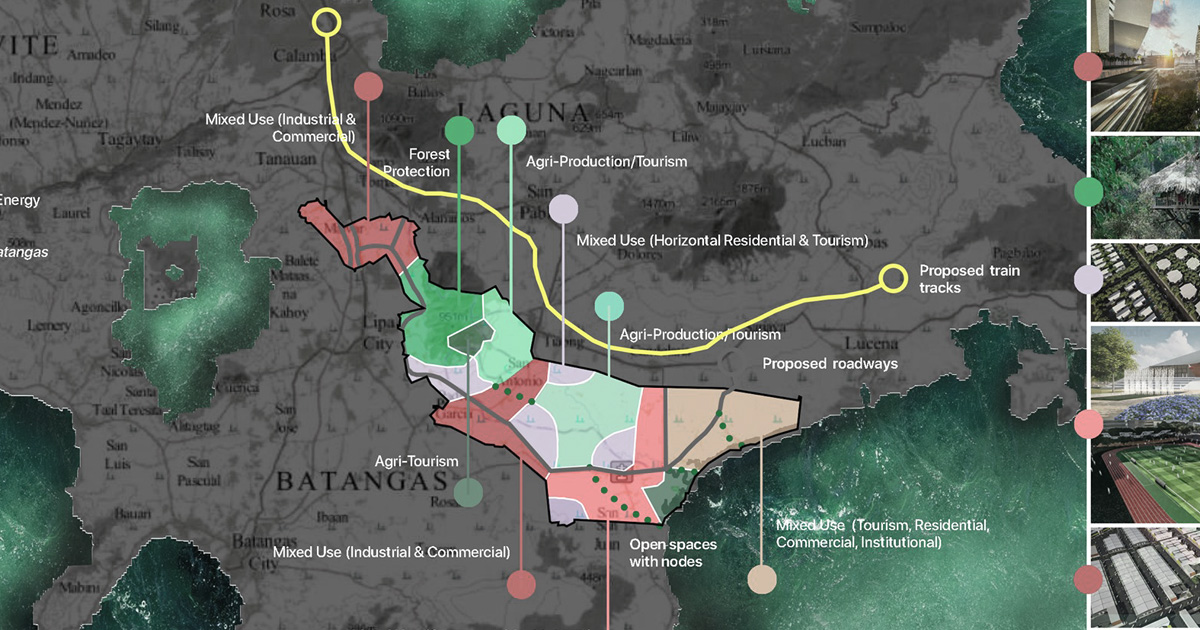
Master planning is a process that has been around for a long time. It is the process of creating and carrying out a plan for the physical development of a large area. Establishing a solid connection between a community’s grand vision and its initiatives may go a long way toward laying the groundwork for long-term growth, and it is the master planner’s responsibility to initiate the transformation.
Master Planning As An Encompassing Term
A master plan is a strategic document for the development of an area. It is a long-term vision for the future development of a place, including the goals and objectives of the community. A master plan typically includes land-use policies, zoning regulations, demographic projections, and budgetary forecasts. It may also have environmental protection, social services, public works projects, and public policies.
In general terms, a master plan refers to any planning document and spatial layout used for the configuration of land use and development. As cited, a master plan can range from visual representations of small-scale complexes to 10-year implementation schemes of region-wide projects.
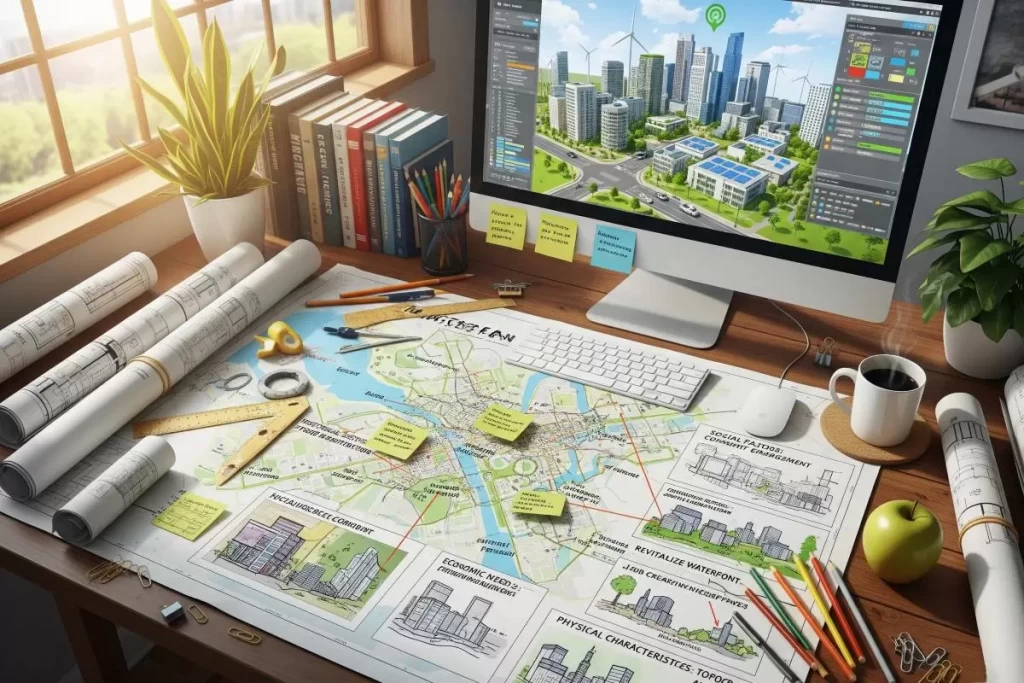
Whatever the range may be, the essence of a master planning relies heavily on creating a seamless connection between its buildings, social settings, and surrounding vicinity, all for its future growth and development. Due to its vast scope, the master planning process calls for immense collaborative work between the authorities and their constituents manifested through public input and the analysis of current results.
Master Planning Development
Creating master plans outlines the way ahead for each individual. These plans can range from long-term to short-term and may involve various aspects of life such as career, financial, relationships, family, or lifestyle. There is no set rule in creating one; however, integrating one’s planning style and approach molded by ability, knowledge, and experience makes a specific master planning process unique from the other.
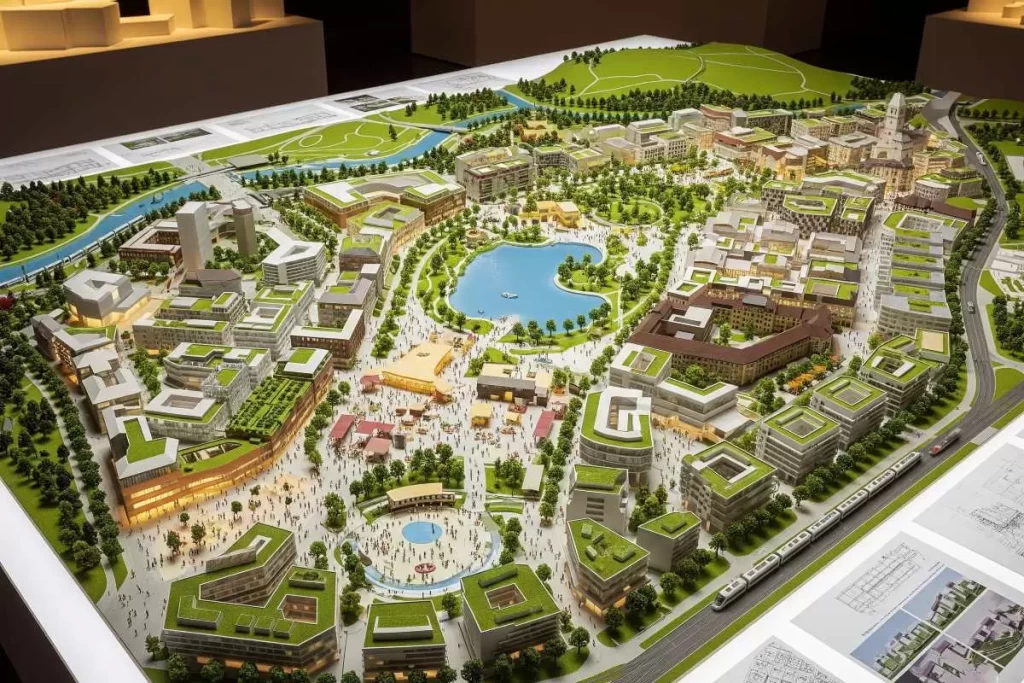
While there are no hard and fast rules, the following are the fundamental steps for building a master plan that a planner should keep in mind while establishing one:
Step 1: Site Appraisal
Effective master planning requires a thorough grasp of the place. Generally, many evaluations will be necessary to examine the site’s present and future circumstances thoroughly. These components include but may not be limited to physical, social, and economic considerations.
Physical Characteristics
Creating a good site design depends on understanding the purpose of the location and creating a framework for that use. Understanding the site context, visual identity, and how it communicates to the rest of the vicinity makes the physical aspect of the site appraisal. Climate impacts a region’s physical environment and proximity to water, power supply, and food sources. Urban planners must also take into consideration the current usage of the land.
Social Factors
Establishing the opinions and aspirations of the community can result in an effective master planning exercise wherein the people are at the heart of the process. In most circumstances, assessing the property’s physical or environmental qualities reflects those social and financial conditions.
Economic Needs
Planners must understand whether economic factors support or impede a city’s progress. The amount and kind of industries in an area will influence its layout. The socioeconomic position of residents, regional employment, and economic trends may all aid planners in developing an urban area. In other words, a metropolis like Manila, which has limited land resources, would have different requirements than a more flourishing district such as Taguig.
Step 2: Site Analysis
After conducting a comprehensive study, the next step is to compile all the information and establish all relevant policies that consider the mounting data. The land property needs extensive analysis to be able to make informed decisions. Areas need assessment for the soil type, slope, quantity of trees, and amount of sunlight to develop a sustainable living plan.
While policies may depend per locality, below are essential documents to look for:
- Local and National Policies and Guidelines
- Supplementary Planning Guides
- Urban Design Frameworks
- Site-specific & Development Vision Opportunities
The public collaboration established during site appraisal should also continue during the analysis phase. For localities with master plans previously produced yet never implemented, it is vital to know why it was not commenced and ensure that all problems are understood and fixed early on.
Step 3: Developing the Design
The design conceptualization process should begin as soon as the results of the integrated site investigation have been finalized and verified. It is essential to examine three critical applications: buildings, movements, and places when designing such notions. The design activity must consider various approaches to translating the community’s objectives into physical projects. The most sensible outcome will help narrow down the different design options resulting from several planning possibilities.
Step 4: Testing the Design Concepts and Finalizing the Master Planning Presentation
With the master plan available options in hand, the next stage evaluates each opportunity to determine which best reflects the community’s vision and impact. Furthermore, it is critical to exhibit each design in three dimensions with supporting data to provide a complete visual representation of the site and its design idea. Master planning is a collaborative process that requires input from planners, designers, implementors, the community, stakeholders, and city leaders. The organization and composition of the master planning team are also examined during testing, as are the mechanics of master plan development and significant implementation concerns.
Master Planning For Better Cities
Master plans are the most successful when they represent a vision that unifies and addresses the concerns of different interest groups. A master plan can be a single document, a series of documents, or a collection of papers created to outline a proposal for how a community’s future development might unfold. Clever and creative thinking can help regain that sense of place by recognizing the delicate nature of the planning story and the need for buildings and open areas sympathetic to the existing surroundings.

Leave a Reply