


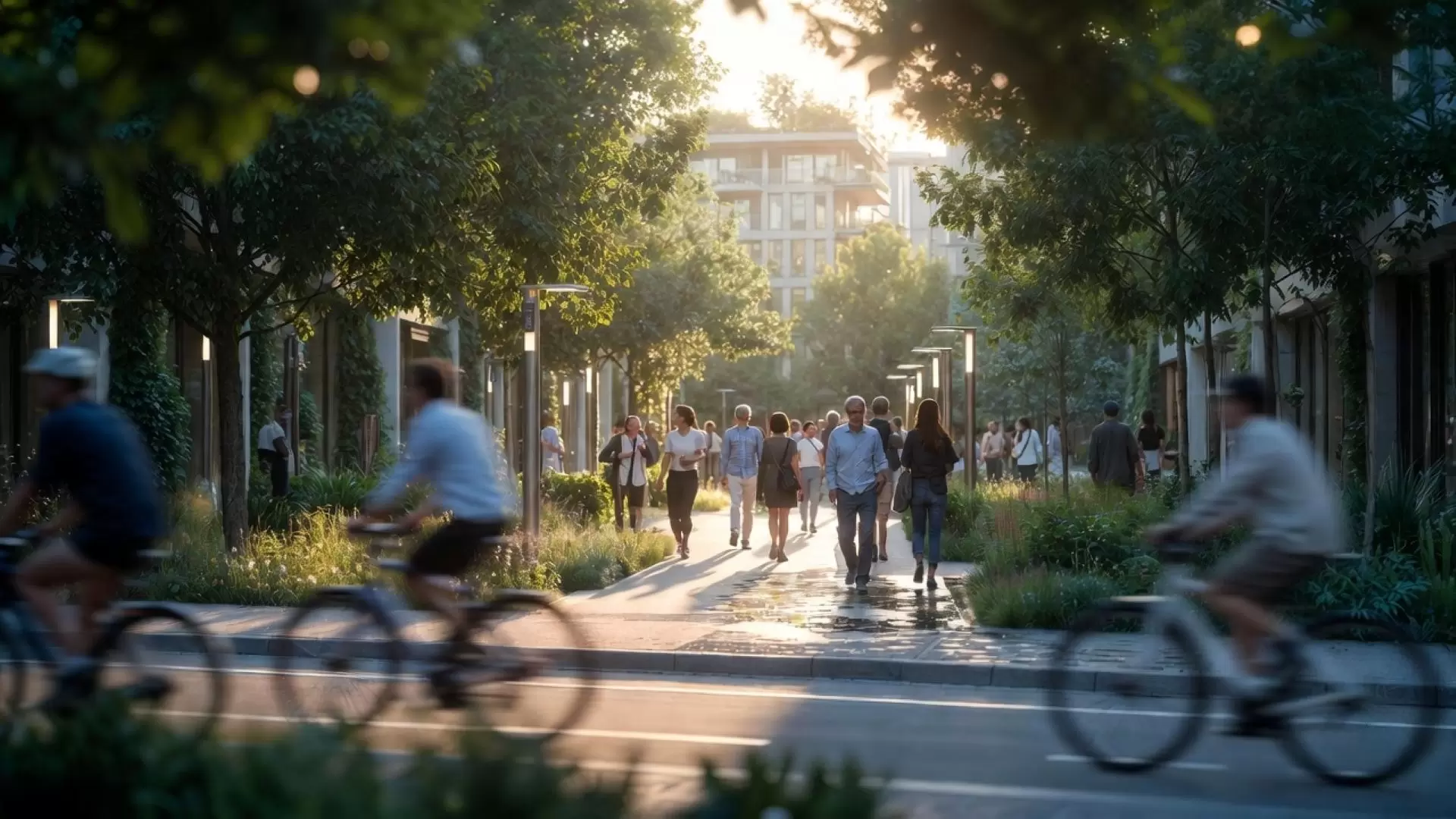
Imagine a busy street at rush hour. The hum of engines blends with the distant murmur of commuters chatting at a bus stop. The smell of wet asphalt lingers in the air as cars move smoothly through intersections, and traffic lights barely stay red. Rooftop gardens capture rainwater before it reaches the ground. As you walk, your phone suggests a shortcut to save you time. It feels almost magical, but there’s technology behind it. While we take photos of the skyline, the real hidden architects, like data engineers, urban ecologists, and algorithm experts, work quietly behind the scenes in offices and server rooms. You won’t see them on billboards or giving TED talks, but their work shapes the cities of tomorrow.
With cities worldwide investing over $189 billion in smart city initiatives in 2023, understanding these emerging roles becomes critical. What we’re building isn’t glass towers or floating parks. It’s quiet systems: grids that breathe, streets that think. And if we want to live in them without losing our souls, maybe we should start wondering who’s pulling the levers.
Who Are the Data Whisperers?
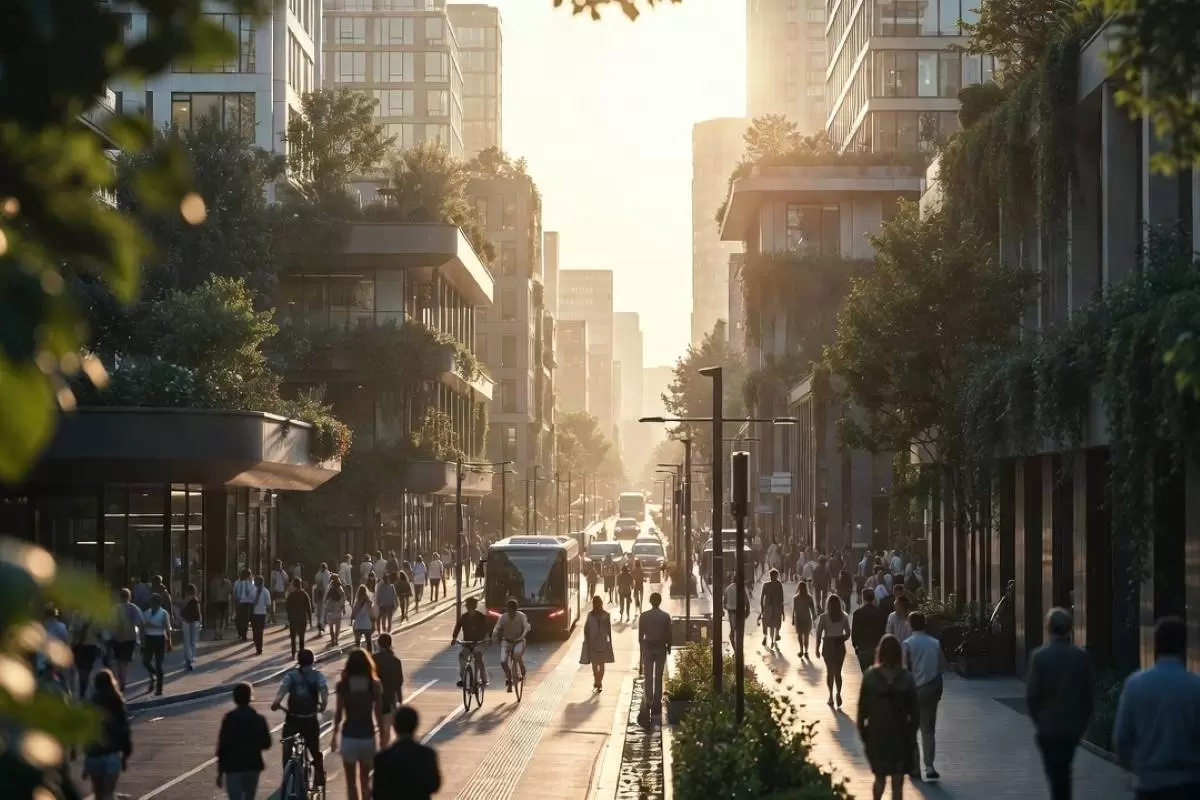
Behind every smooth traffic light or street lamp that dims when no one’s around, there’s a team of hidden architects who speak in code and coffee. They’re the ones who hook sensors to poles, teach machines to read weather patterns, and predict when your neighborhood will need power. Not the loud ones, the invisible. Let’s follow a data point on its journey: a sensor perched on a lamppost gathers data on street brightness as dusk falls. This data travels to a central server, where algorithms analyze patterns in real time. The analysis determines whether to dim or brighten the lights to improve energy efficiency. Then, a decision triggers the actual lighting adjustments, reducing power consumption at just the right moment. It’s a quiet, seamless transition from data collection to decision-making, all unseen but profoundly impactful.
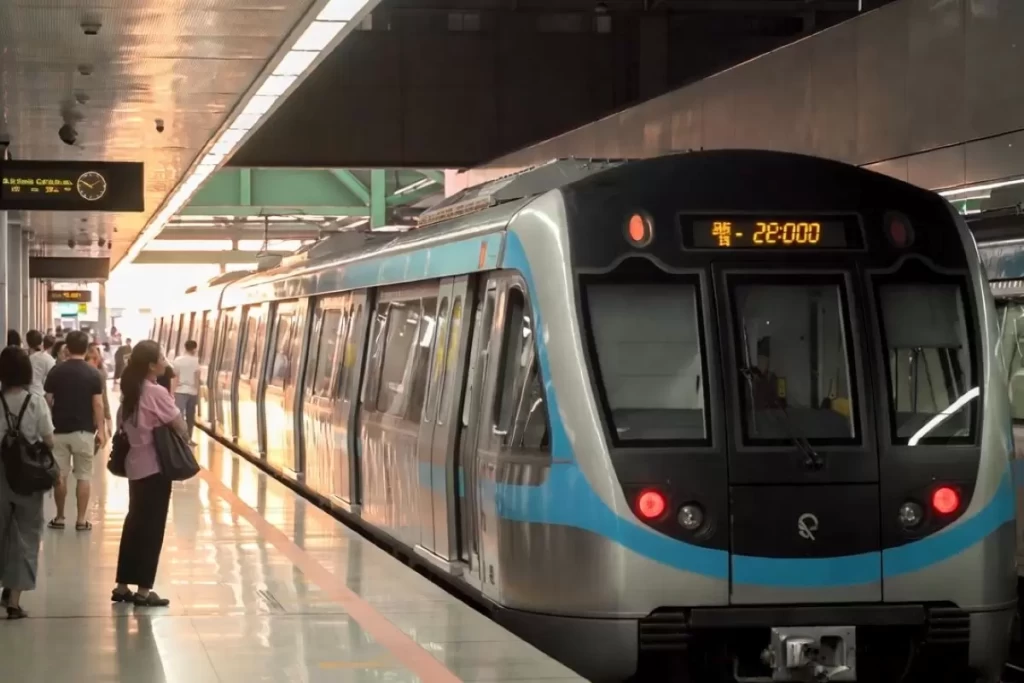
Take Singapore’s smart nation grid, for example. Folks there barely know it exists, but every time a train glides in exactly on time, or a district’s commercial buildings slash energy use by double digits? That’s a handful of engineers quietly tweaking algorithms overnight. They sift through floods of data. Real-time. Beyond efficiency, these intricate systems bolster the local economy. Trains running on schedule reduce commuting time and costs, freeing residents to explore more retail options or dine out, thereby increasing foot traffic and sales in commercial areas.
Even those late-night algorithm tweaks have a ripple effect: lower transit costs mean more disposable income for families to invest in other parts of their lives. It’s not just efficiency. They can tell when trash bins are overflowing before you smell them. They reroute buses when schools let out early. All from a warren of laptops in some unmarked office. And we’re not talking sci-fi.
This automation is already happening in places like Berlin, Seoul, and parts of New York. People are learning to pay attention to these changes. The real question is, who chooses what the city pays attention to?
The issue is that most people accept these systems without thinking. We end up following routines set by machines. It’s efficient, but it can feel isolating. The city is paying attention, but it’s also watching us. At what point does convenience become control? Who makes that decision? It’s these hidden experts, the ones you don’t see online. They aren’t bad people, but they aren’t always held responsible, until something goes wrong and everyone starts asking questions.
What Do Urban Ecologists Really Do?
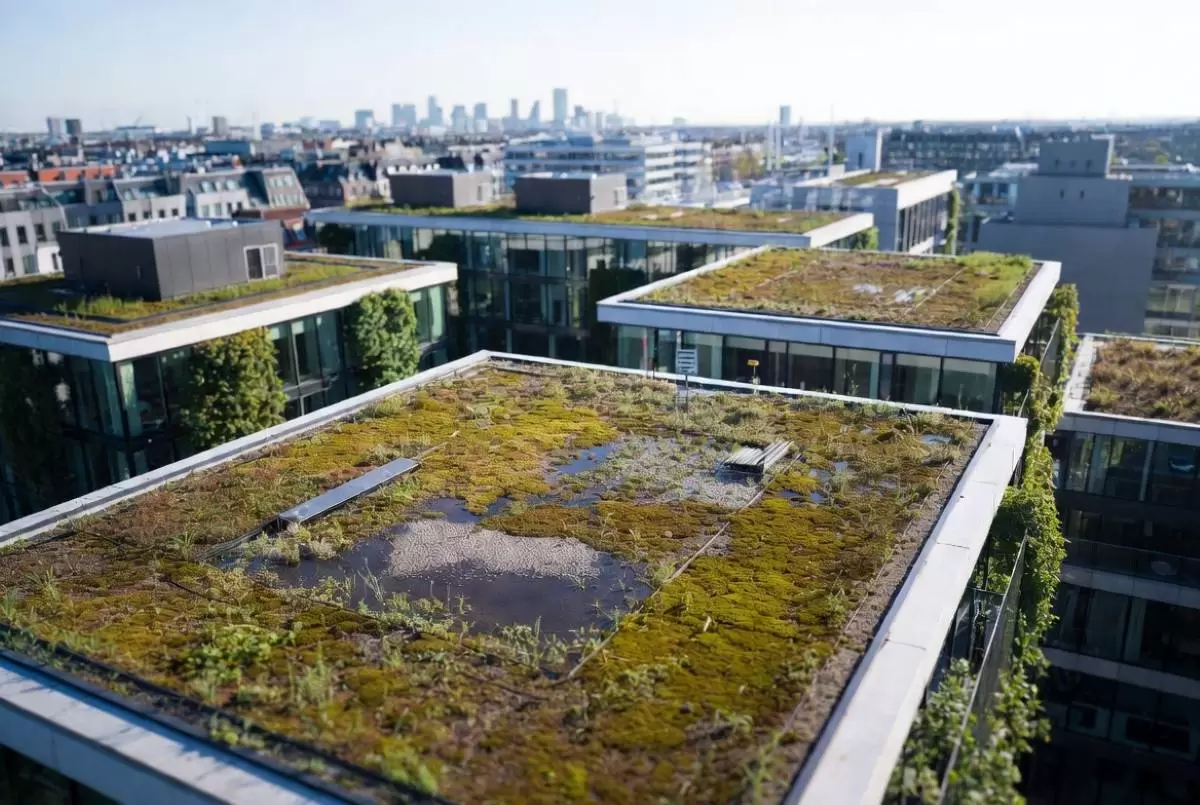
If data’s the pulse, then green is the lungs. And the people fitting gardens on rooftops or transforming concrete into parks that soak up water like sponges, absorbing a bathtub-full with each storm? You won’t catch them on magazine covers either. They’re hydrologists, botanists, retired firefighters who’ve switched to planting algae in canals. Their job: make cities stop acting like they’re invincible.
Remember those floods in Paris last year? Or Houston? Turns out, when you pave everything over, water becomes problematic. So these quiet fixers build swales. Rain gardens. They turn dead parking lots into places bees actually like.
And get this: in Copenhagen, they’ve got a whole network of blue-green roofs that store rainwater and chill the air below. Result? Summer days don’t cook you alive. But here’s the thing. These changes look small. A planter here, a curb cut there. Yet stack ’em up across a million rooftops, and suddenly the city’s drinking its own wastewater, growing its own lunch, and staying five degrees cooler.
Enter Alice, a resident who recalls how this transformation changed everything for her neighborhood. The extra cooling allowed her to finally invite her elderly parents to tea in the garden without worrying that the heat would affect their health. With urban areas projected to house 68% of the global population by 2050, this work is about survival. No mayor’s ribbon-cutting. No plaque. Just better air tomorrow. Makes you wonder how many invisible hands it takes before we notice we’ve stopped choking.
First, a bit on their day-to-day. One wrong plant choice, and the whole roof collapses. One storm too many, the canal overflows. They map roots like surgeons, calculate shade for old ladies on benches. And most evenings? They’re knee-deep in mud, testing whether the soil mix retains carbon better than the previous one. No selfies. No victory laps. Just records that no one’s gonna read. Still, think of the payoff. A street that doesn’t flood anymore. Parks that actually cool your skin. It’s not glamour. It’s steady repair work on a planet we keep punching. You can’t thank a rooftop for saving you from heatstroke. But you can remember the hands that put it there.
How Do Behavioral Designers Shape Our Choices?
These are the psychologists, not architects. They don’t draw buildings. They draw us. How we choose to walk, eat, and queue. Ever notice how apps nudge you toward the subway instead of that cab? That’s them. Soft interventions. No force. Just… direction. Subtle colours on maps. Tiny rewards for biking.
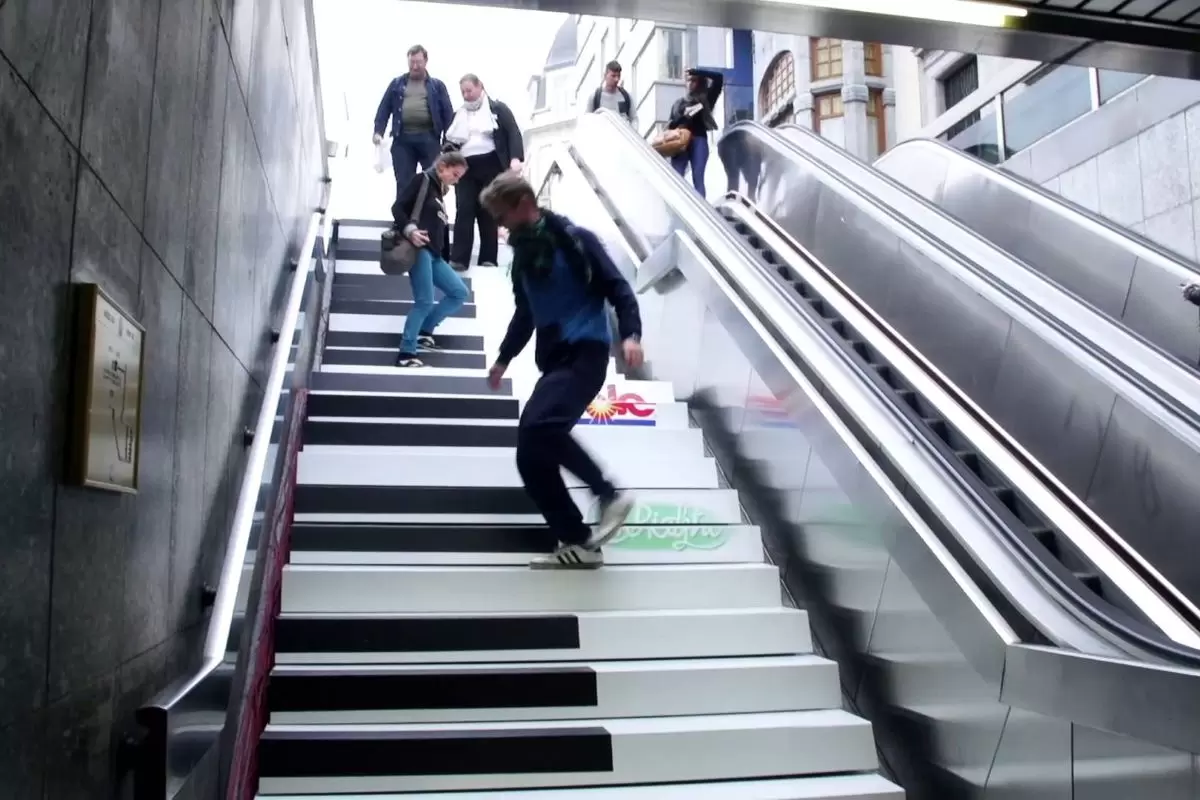
In Stockholm, a team redesigned subway stairs to look like piano keys, and children began using them instead of the escalator. Stair use increased by sixty-six percent overnight, just because of this creative idea. While these changes can improve traffic flow, they raise questions about their influence. What if these methods start guiding larger decisions, such as how you spend your time or whom you vote for? The difference between helpful guidance and manipulation can be unclear, and there are few rules about it. These professionals work in think tanks, tech companies, and city labs. Sometimes they are hired by companies to keep cars on the road, and other times by environmental groups to reduce traffic. It’s important to consider who is overseeing their work.
They don’t wave wands. Mostly, they run A-B tests on thousands like you to see if a brighter bike icon gets five more people cycling per day. Or whether wording a recycling bin “Don’t be trash” doubles the amount of correctly tossed in. Sounds harmless. Often is. But layer these nudges city-wide, and suddenly you’re living in a world where someone else chose all your defaults. Today, it’s bike lanes. Tomorrow? Maybe it’s steering you toward certain shops, certain foods, certain votes. All without you noticing. That’s when it stings. Not dystopia. Just slow, invisible steering. The real question: are we okay being passengers, or do we want to see the map they’re using?
What Are the Challenges and Blind Spots?
Smart sounds perfect until you zoom out. Not everyone’s got that glowing screen whispering shortcuts. Digital deserts still exist. Whole districts where the grid’s a joke, and sensors don’t reach. For instance, in core urban areas such as Midtown, sensor density is around 250 sensors per square mile, while on the outskirts, it drops to fewer than 10 per square mile. So while Midtown breathes easy, the edges? Still drowning in fumes and potholes. Data’s not equal. Ever.
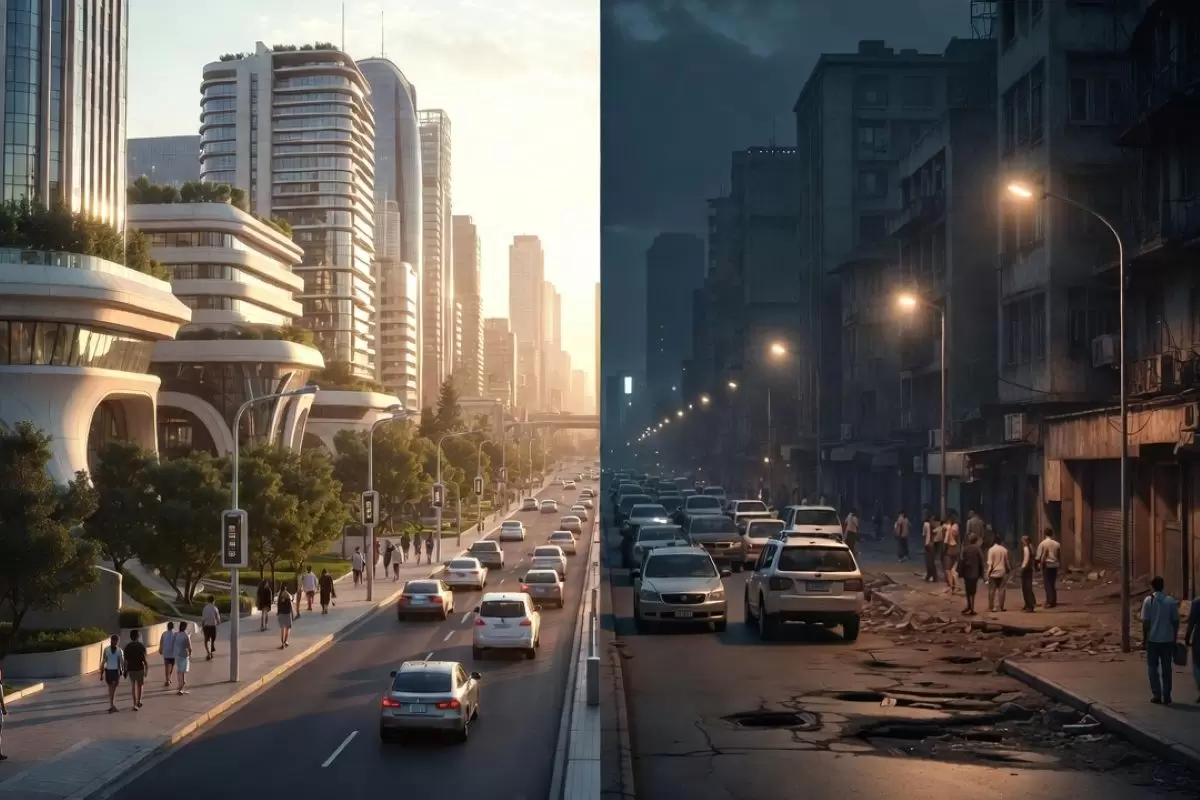
Then there’s privacy. Cameras on every lamppost. Your gait is logged. Your coffee break is predicted. Feels efficient, till you realize someone’s monetizing your heartbeat. Who’s owning what? Tech firms? Governments? And when the code glitches? The lights go off on the wrong block. Elevators trap people. No one’s to blame, because no one’s famous enough to name. Still, utopia’s a poor salesman. Cities aren’t labs. People aren’t variables. Push too hard on behaviour, you get pushback. Protests. Blackouts. The quiet, hidden architects? They might be brilliant, but brilliance without heart builds prettier cages. Makes you think: maybe the eminent voices aren’t so bad after all.
Can Communities Drive Smart Cities?
Smart comes alive when we actually patch up the cracks instead of pretending they’re not there. Imagine this. Instead of ignoring the slums, some teams are literally wearing hard hats and handing out GPS devices so residents can map their own streets. No bureaucracy. No pity. Real power.
In Nairobi’s Kibera slum, they’ve done it. Young mappers mapped crime hotspots, water points, and health clinics that officials were unaware of. Result? Police posts were installed in high-risk areas. Resources flowing to the invisible. Community voices are finally heard. All because the blind spots finally had eyes.
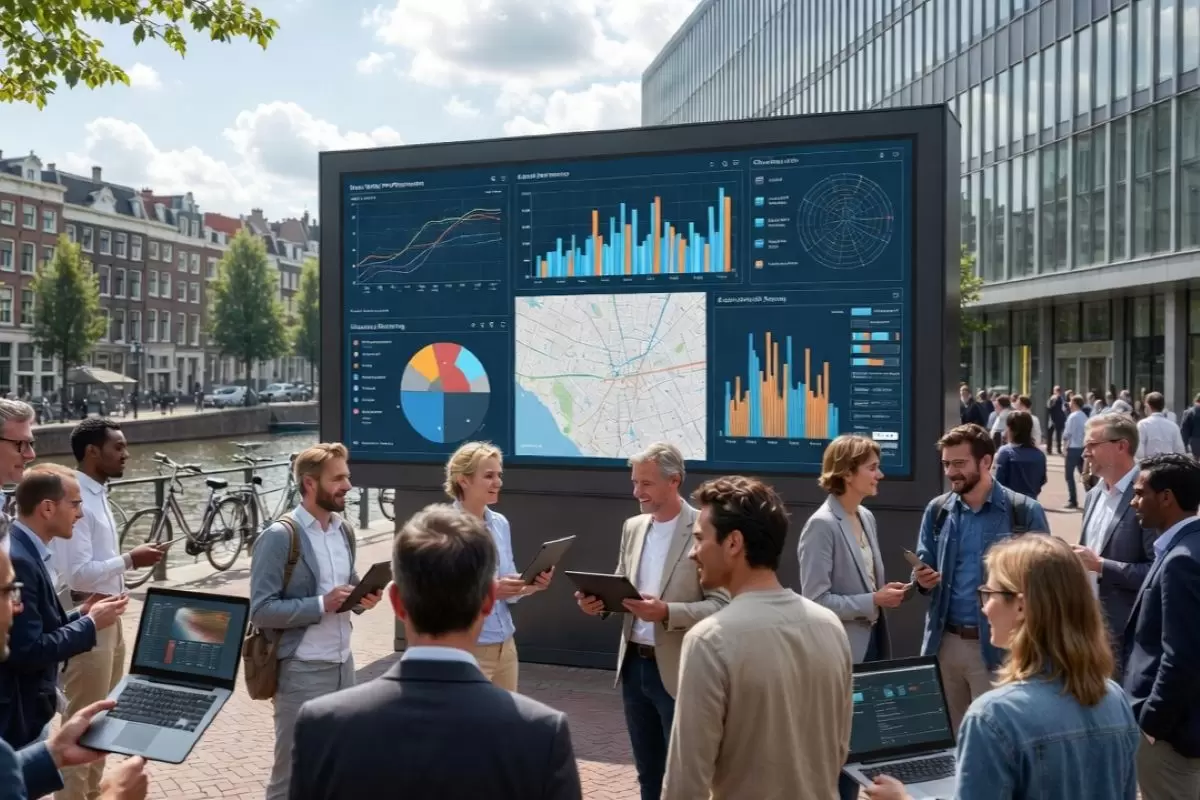
Privacy can improve if we treat it as a right, not a luxury. In Amsterdam, citizens vote on the algorithms that run city services. Anyone can see how their commute is planned, download the code, and suggest changes. This transparency gives people more control over their lives. When problems arise, communities organize events to fix them together, making the city better for everyone.
In places like Barcelona, these gatherings happen regularly. What starts as frustration can turn into positive change when people work together and take ownership of their city. The experts behind the systems become part of the community, which is the real improvement we need.
Why Should We Care About These Hidden Architects?
So here’s the rub. These hidden architects making your city smarter aren’t asking for applause. They clock in at seven, go home at nine, and wake up tomorrow to fine-tune the air conditioning in a subway. Why should we care then? If we don’t pay attention, the future is engineered for whoever controls the room. Not you. Not your neighbor. Not the kid on the third floor who can’t afford data.
And trust me, it’ll still look stunning from a drone. We’d do well to drag the hidden architects into the light. Make them explain. Make them listen. Not to sound like a manifesto, but honestly. A city that runs like clockwork? Great. If you get to be the battery or the bird in it? Not so much. So next time your traffic stops on time, tip your hat to the shadows. And instead of wondering what else they’re not telling, why not become part of the conversation? Attend a local data-governance meeting or connect with tech teams in your community. By engaging directly, you can help shape a future that listens to everyone’s voice.
Truth is, these hidden architects might be humanity’s quiet saviours. Not because they’re flawless, but because they actually care about the next ten minutes of your breath. The cleaner air, the shorter wait, the shade from the dying sun. They don’t need monuments. Just maybe a conversation. A seat at the table when the next city gets sketched. Because if we start listening back and really listening. The future won’t just be efficient. It’ll be kind. And wouldn’t that be something worth walking towards?
Key Takeaways:
- Smart cities need hybrid professionals bridging technology, ecology, and human behavior
- Data interpretation matters more than data collection alone
- Community participation must be authentic, not performative
- Without diverse voices, we risk automating existing biases at scale
- The most critical infrastructure isn’t digital—it’s human

Leave a Reply