


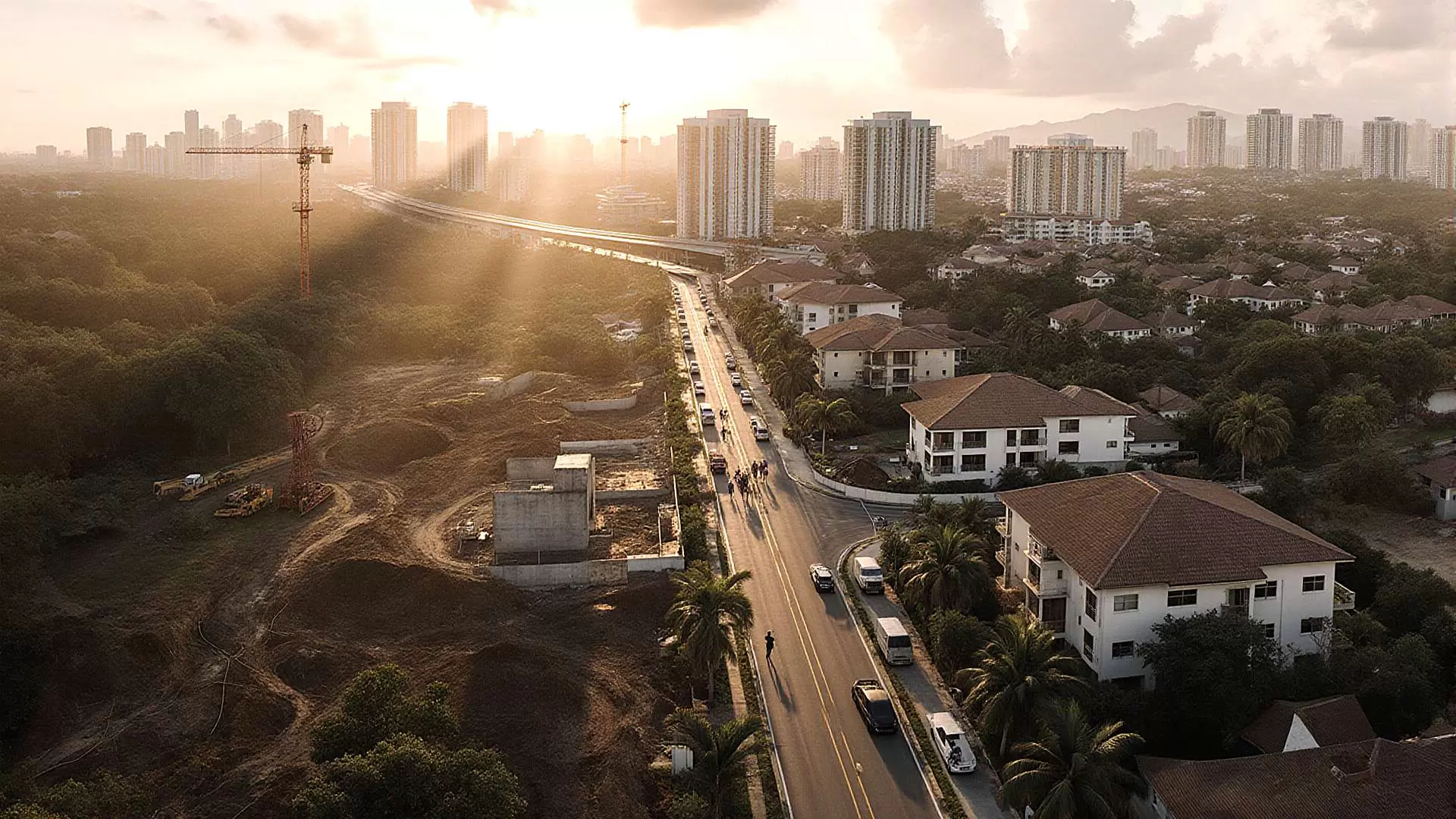
Landowners across the country hold assets that gain value gradually, yet they shoulder annual real property taxes, upkeep, and opportunity costs while land remains idle. Joint ventures in the Philippines transform that passive capital into income and equity by pairing landowners with developers who assume construction and marketing risks. Through these partnerships, the property serves as strategic equity, creating an arrangement where both sides share profits while distributing risk. When structured well, joint ventures in the Philippines align the interests of landowner and developer, draw in financing from banks and investors, and elevate the property to its highest and most profitable use without forcing the owner to sell at a reduced price. The model empowers landowners to participate directly in the gains of urban expansion, infrastructure rollout, and market growth while securing lasting value for family estates.
Why joint ventures in the Philippines unlock latent value?
A joint venture treats land as strategic capital. Instead of selling outright, the landowner contributes the titled property as equity or as a long-term lease contribution, then receives a negotiated share of profits, units, or retained land value upon completion. This approach leverages the developer’s capability to secure permits, manage construction, and market the project, while the landowner preserves upside from future appreciation. Philippine residential prices have trended upward in recent years, according to the Bangko Sentral ng Pilipinas Residential Property Price Index (Q1 2025). This supports the case for participation in development gains through joint ventures in the Philippines rather than a one-time land sale. In rising markets, the compounding effect of developer improvements, infrastructure investment, and good planning often outpaces raw land appreciation.

A joint venture also expands the pool of potential projects. Prime parcels that look idle or irregular in shape become viable once combined with a developer’s design, capital, and sales network. The landowner’s contribution reduces initial cash outlays for the proponent. This can attract lenders and pre-buyers who see balanced risk between the parties. A capable joint venture can also phase development prudently, preserving cash flow and reducing risk in later stages once demand validates the concept.
What Do Landowners Gain From Joint Ventures In The Philippines?
Landowners ask a direct question. What do I get in a joint venture in the Philippines, and how safe is my position? The main benefit lies in participation. Instead of a fixed price, the landowner receives either a share of gross revenue, a share of net profits, future finished units, or a combination of all three. The agreement can also pay an advance land access fee at groundbreaking, then settle the balance through profit shares at turnover. Because the land is a significant contribution, the landowner may also receive board representation in a special purpose company and reserved matters requiring consent.

Security follows from control points written into the contract. A well-drafted joint venture in the Philippines establishes use restrictions, quality standards, milestones, and financial controls. The landowner can require an escrow for presale collections, completion bonds for critical phases, and monthly reporting on construction and sales. If the developer misses defined targets, cure periods, and step-in rights allow the landowner to protect value. Title remains protected through carefully sequenced transfers or mortgages only upon reaching specific milestones as guided by Land Registration Authority procedures.
When A Joint Venture Makes The Strongest Case
A joint venture shines when the land has viable access, a clean title, and a market story that outperforms a simple sale. Parcels near expanding districts, transport lines, schools, or industrial anchors can command higher absorption once packaged as a complete community. Vacant land beside operating subdivisions often supports a townhouse or mid-rise concept that complements existing demand. Agricultural lots at the edge of growth corridors can transition to residential or logistics use after proper rezoning and environmental screening. The landowner gains from the transformation, while the project uses the developer’s systems to manage risk.
A joint venture also fits situations where families hold large tracts with multiple heirs. Rather than subdividing and selling piecemeal, the family can consolidate voting through a corporation or a holding vehicle that contributes the property to a development platform. The structure simplifies decision-making and locks in an agreed-upon waterfall for distributions across generations. It also professionalizes governance through a board that meets regularly, with standard reporting and audit.
How To Structure Joint Ventures In The Philippines For Land Contributions?
You can create a contractual joint venture in the Philippines or form a special purpose corporation. Most land development partnerships choose an incorporated vehicle for clarity on shares, governance, and financing. The corporation issues voting and non-voting shares that reflect the parties’ contributions. The landowner may subscribe to shares in exchange for the land’s appraised value. In contrast, under a development management agreement, the developer subscribes cash for working capital and contributes intangible assets like permits, design, and sales capability. These incorporations follow the Revised Corporation Code of the Philippines (RA 11232).
Governance deserves early attention. The board should reflect joint control with defined reserved matters that require both parties to consent. These include project concept changes, pricing strategy, significant borrowings, related party transactions, and any encumbrance on the land. The company adopts standard financial policies for procurement, cash handling, and external audit. It also appoints an independent project manager to certify progress before any drawdown from lenders or release of presale collections.
Economic alignment comes from a well-defined waterfall. Parties agree on priority payments for site clearing and permits, reimbursement of verified pre-development costs, debt service coverage, and a development management fee tied to milestones. They then split distributable profits based on a target return or a pre-agreed percentage. Some ventures also allocate finished units to the landowner, which secures tangible upside even if market conditions change.
Due diligence that protects value before signing
Clear title, clean survey, and confirmed access anchor every successful joint venture. The landowner should obtain a certified true copy of the title, current tax declarations, updated tax clearances, and a location survey that matches the technical description on record. Physical inspection should verify monuments, encroachments, and any informal occupants. The Land Registration Authority provides certified true copies of titles and outlines due diligence requirements in its 2025 Compendium (LRA-CC 2025 1st Edition).

Zoning and future land use matter to the timeline. The local government unit’s comprehensive land use plan and zoning ordinance guide allowable uses and densities. A quick check with the city or municipal planning office confirms whether a rezoning application or a variance will be required and how long that process typically takes. A locational clearance may come from the Department of Human Settlements and Urban Development (DHSUD) for large or nationally significant projects.
Environmental screening keeps the project compliant from the start. Depending on the size and sensitivity of the site, the development may need an Environmental Compliance Certificate. The Environmental Management Bureau under DENR outlines ECC requirements in its Philippine Environmental Impact Statement System (PEISS).
Permits and approvals that shape the calendar
Development projects require a predictable chain of approvals. The sequence generally starts with locational clearance and barangay endorsements, then proceeds to environmental clearances where applicable, subdivision or condominium permit reviews, and the building permit that authorizes vertical works. Pre-selling requires a Certificate of Registration and License for the project and each phase. Procedures are consolidated in the DHSUD Citizens’ Charter 2025. Responsible ventures build compliance into the budget and publish realistic timetables to buyers and lenders.

Coordination makes the difference between a smooth year and avoidable delays. Joint ventures in the Philippines agree on a permitting dashboard and a single point of client communication for regulators, lenders, and buyers. They also vet consultants early, from geotechnical and environmental specialists to traffic engineers and utility coordinators. Many strong ventures stage development into manageable phases, each fully funded before launch. That discipline protects the landowner’s equity and the developer’s reputation.
Tax and regulatory checkpoints for land development joint ventures
Tax treatment depends on how the parties transfer or use the land. A straight sale by an individual of real property classified as a capital asset attracts a final capital gains tax at the statutory rate based on the higher selling price, zonal value, or fair market value. The National Tax Research Center affirms that the final capital gains tax remains 6% for capital assets as of 2025. A corporation that sells land not used in its business similarly pays a final tax on presumed gains. Local transfer taxes and documentary stamp taxes also apply. The parties should budget for these items on top of standard transaction costs.
Some joint ventures in the Philippines avoid an outright sale. The landowner may transfer the property to the special purpose company in exchange for shares to avail themselves of the tax-neutral rules for property for share exchanges under the National Internal Revenue Code. The Bureau of Internal Revenue (BIR) has issued guidance on tax-free exchanges under Section 40(C)(2) and Revenue Regulations 21-2025.
Joint ventures that meet certain size thresholds may trigger a merger control notification. The Philippine Competition Commission adjusted its notification thresholds in March 2025, treating certain joint ventures as mergers. Where the combined assets or revenues of the ultimate parents cross the current size of party threshold, and the value of the Philippine leg of the transaction crosses the current size of transaction threshold, parties file a notification and observe the waiting period.
Fair deal terms that keep partnerships healthy
Value comes from how the parties manage risk. A balanced agreement sets a realistic launch schedule, defines preselling targets before vertical works, and locks essential cost items before committing to full build. It also creates a contingency reserve for soil surprises and utility relocations. On the revenue side, the project maintains a conservative pricing strategy at launch and earns increases through absorption rather than aggressive prepricing.
Transparency sustains trust. The venture should publish monthly dashboards showing cash balances, sales velocity, construction progress, and permitting status. Surprises erode value faster than any market shift. When the numbers appear consistently, confidence rises among buyers and lenders, improving take-up rates and credit terms. The landowner then experiences the practical benefit of partnership, a steady conversion of raw land potential into realized returns.
Setting Expectations On Financing And Security
Development lending in the Philippines favors projects with a clean title, clear takeout through preselling, and disciplined cash controls. A joint venture in the Philippines that satisfies these criteria can access construction loans on competitive terms. Lenders often require the assignment of proceeds from escrow accounts and step-in rights aligned with the joint venture agreement. BSP and escrow rules guide financing practices for preselling under DHSUD oversight. The landowner should review intercreditor arrangements to ensure that security interests respect agreed milestones and avoid premature foreclosure.
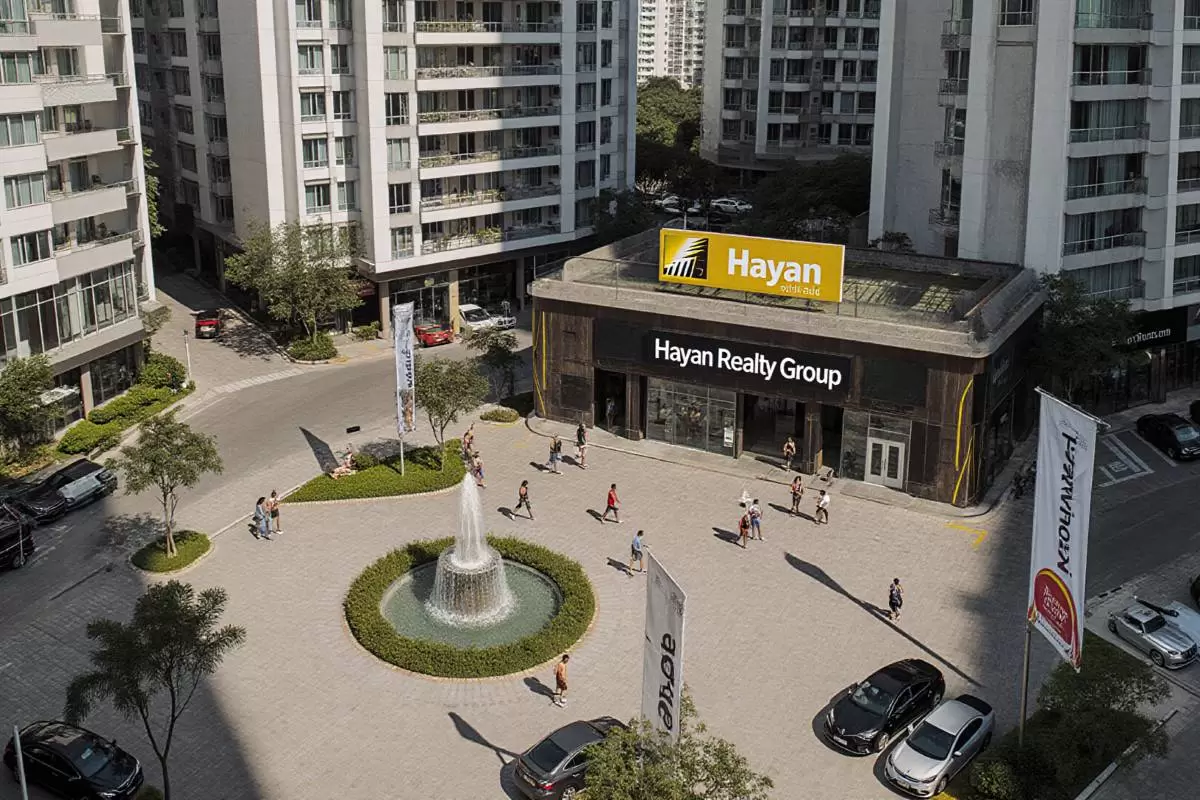
Pre-selling escrow arrangements protect consumers and parties alike. Collections go to controlled accounts, with withdrawals tied to construction certificates and regulatory rules. This protects the public and keeps projects in good standing through market cycles. Responsible ventures structure inventory releases prudently, balancing cash flow with supply discipline to support prices and protect early buyers.
Exit routes that preserve relationships
A joint venture should plan the endgame at the very beginning. Once the project meets target returns or finishes sellout, the parties can liquidate the company and distribute proceeds, roll successful teams into the next phase, or implement a buyout mechanism that allows one party to acquire the other at a fair formula. Some agreements include an option for the landowner to retain commercial lots for long-term income. Others grant the developer rights to acquire adjacent parcels for future phases, which can create a lasting district identity.

Exit planning also accounts for unforeseen events. Well-written clauses cover key person risk, change in control at either party, and dispute resolution through stepped negotiation and arbitration. These provisions keep energy focused on delivering the project rather than litigating mid-course.
The Practical Path To Begin
An initial feasibility pass sets direction. Parties align on market positioning, product mix, density, and phasing. They commission an independent appraisal to agree on the land value for share subscription or profit share baselines. They then draft a term sheet that captures economics, governance, and timelines. With that document in hand, legal teams prepare the full joint venture agreement, shareholders’ agreement, and development management contract, along with the permitting strategy that maps agencies, deliverables, and dates.
The right partnership converts dormant parcels into living neighborhoods in dynamic Philippine growth corridors. The landowner brings irreplaceable location, the developer brings systems and speed, and the market rewards ventures that respect planning, regulation, and design discipline. For a related discussion on maximizing land use, see how land value appreciation drives property development in the Philippines.

Leave a Reply