

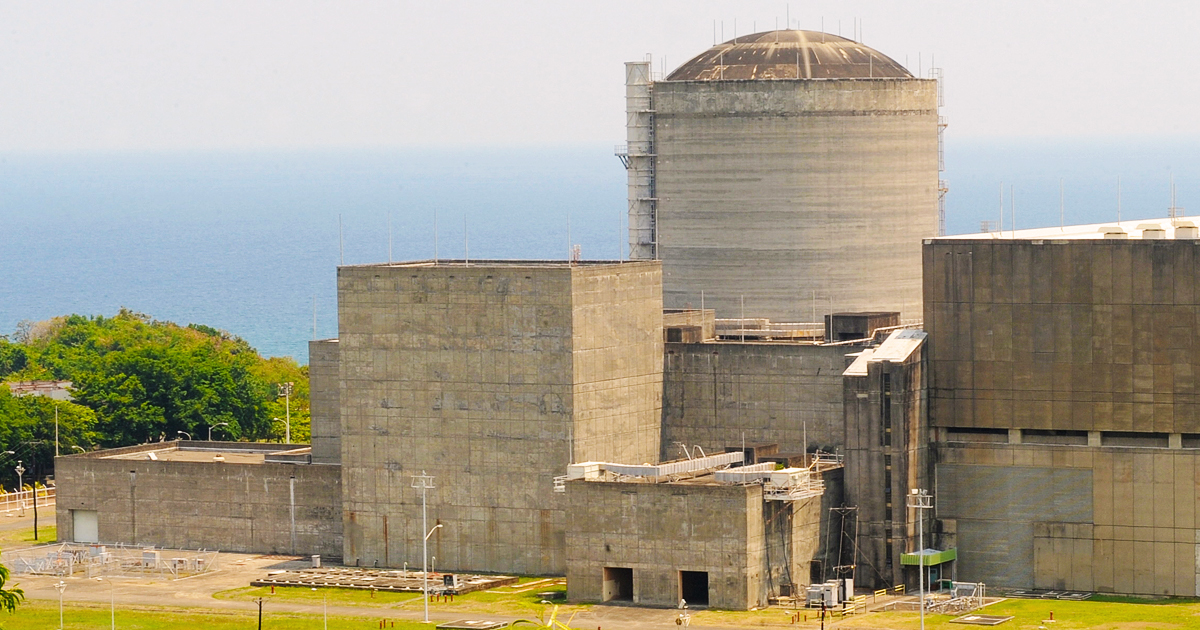
The Philippine government has indicated that it would reactivate the Bataan Nuclear Power Plant (BNPP) as part of its energy strategy to meet the nation’s rising energy demand. President Rodrigo Duterte of the Philippines has issued an executive order to include nuclear power in the country’s energy supply as officials prepare for the phasing out of coal-fired power plants.
The directive was made public on February 28, 2022, and it might represent a significant turning point for an economy that suffers from seasonal power outages and high energy bills. Still, it will unnerve many who oppose the plan since safety concerns hampered previous attempts to integrate nuclear power in the country.
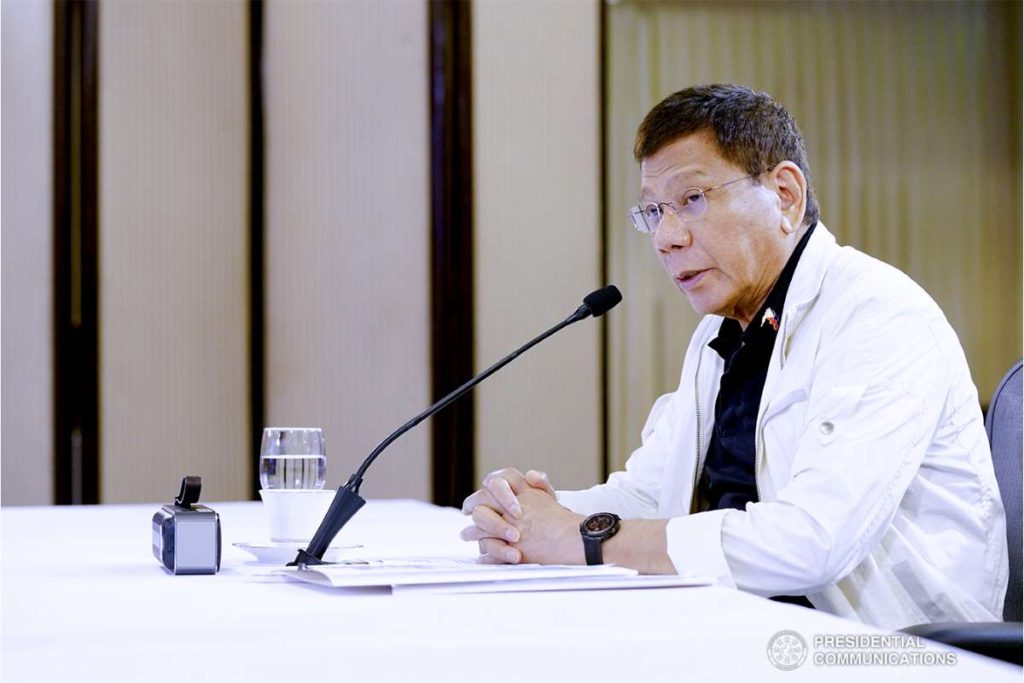
The directive signed three months before the conclusion of Duterte’s single six-year term also authorizes an interagency council to examine the possibility of reviving the decommissioned BNPP.
History of Bataan Nuclear Power Plant
The Ferdinand Marcos administration decided to establish a nuclear reactor with two 600 MWe units in response to the oil crisis back in 1973. By February 1976, the Philippine government had signed the contract for a single 621 MWe Westinghouse plant at Napot Point in Bataan. The project began in July 1976. The completed plant in 1984 came to a cost of $1.9 billion. However, financial points and seismic safety concerns prevented the plant from being activated or operated. After the tragedy at Chornobyl in April 1986, newly elected President Corazon Aquino decided to decommission the plant.
Pros And Cons
The running of the Bataan Nuclear Power Plant will assist the nation in achieving cheaper energy rates. Compared to coal-fired power plants, nuclear plants can reduce the cost of electricity to as low as P2 per kWh. Coal-fired power plants can charge as much as P6 per kWh. With a capacity of 620 megawatts (MW), BBNPP will meet at least 10 percent of the country’s estimated total demand.
The Philippine Institute of Volcanology and Seismology ensured that BNPP is at least 64 kilometers south of the Iba Fault in Zambales, 78 kilometers northwest of the West Valley Fault system in Marikina 83 kilometers south of the East Zambales Fault. This feature removes the BNPP from the danger of ground rupture caused by shifting faults.
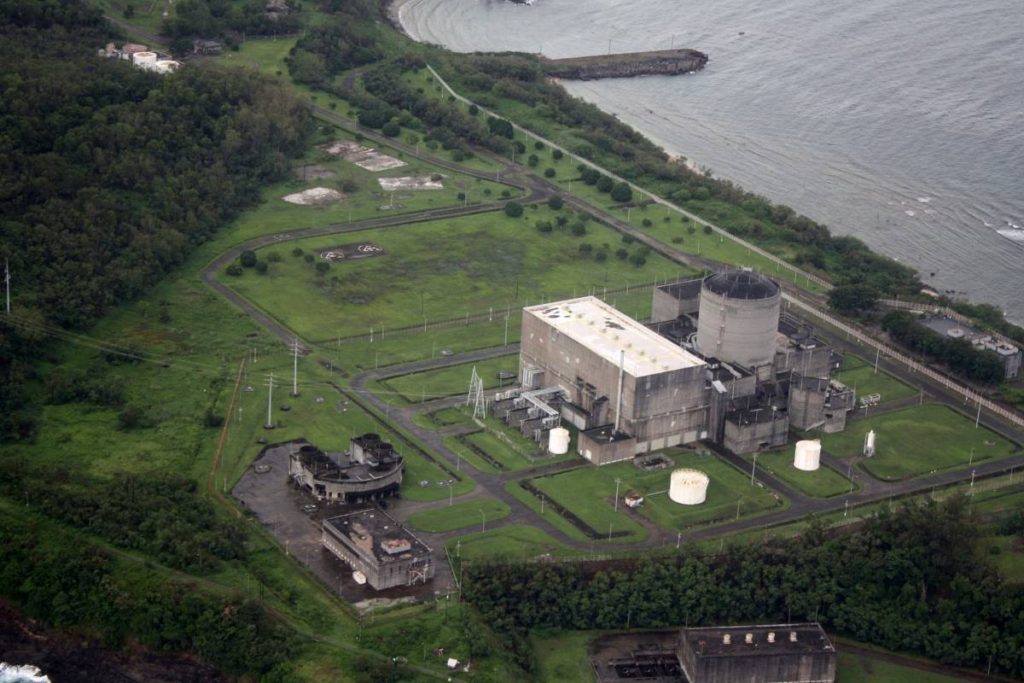
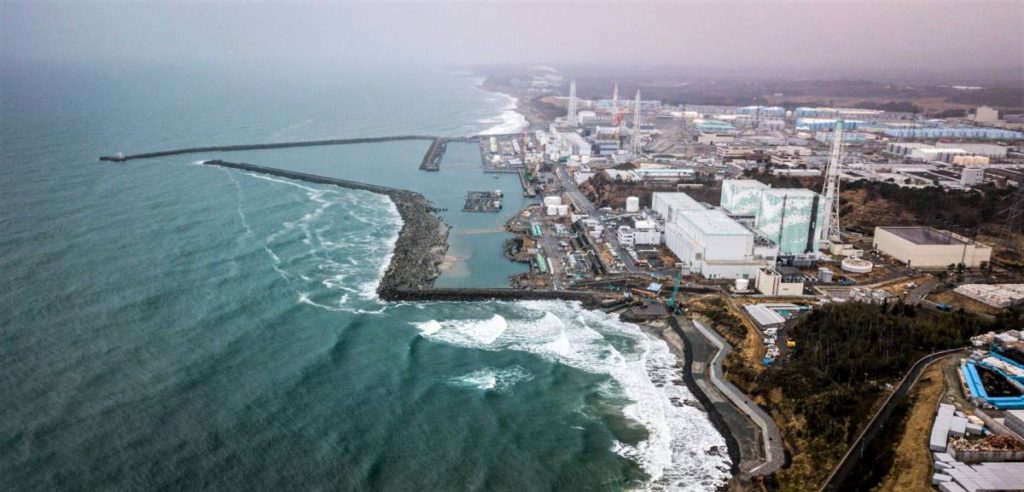
The structure of the BNPP is reportedly safer than that of its sister plant in Busan, South Korea, and the Fukushima facility in Japan. The design of the Fukushima nuclear power station can withstand an earthquake of magnitude 7, which it did before being buried by the subsequent tsunami.
However, in the case of a nuclear mishap, breathing the air within a 10-mile radius of a nuclear power station will be hazardous. Radioactivity may potentially contaminate food and water supplies within a fifty-kilometer radius.
How Many Nuclear Power Plant in the Philippines?
Back in 2007, the Philippines Department of Energy (DOE) established a study to examine the growth of nuclear energy within the framework of the country’s overall energy strategy.
In its 2008 update of the national energy strategy, the government estimated that 600 MWe of nuclear energy will be operational in 2025, followed by 600 MWe increments in 2027, 2030, and 2034, for a total of 2400 MWe.
Aside from Bataan, the government was contemplating the construction of two more 1000 MWe Korean Standard Nuclear Plant units utilizing technology from the abandoned North Korean KEDO project.
The government organized a working committee to follow Thailand’s example, keeping engineering experts to steer development. The DOE verified at the end of 2012 that nuclear energy remained viable based on cost and air quality.

The Department of Energy and Korea Hydro & Nuclear Power (KHNP) is examining the possibility of performing a feasibility study on the establishment of a 100 MWe SMART small modular reactor (SMR) in the Cagayan Export Zone Authority (CEZA) as early as 2018. The proposed location is strategically between the Pacific Ocean and the China Sea.
In the Philippine Energy Plan (PEP) 2018-2040, the DOE announced its Nuclear Power Program Roadmap. The vision anticipates commissioning the nation’s first nuclear plant in 2027.

Reopening of Bataan Nuclear Power Plant
Nuclear might become the Philippines’ most prominent and cheapest source of clean energy. The energy corridor can provide power to more than two million households who lack access to electricity.
Job Creation
The nuclear sector generates employment. Possible areas of cooperation between various countries for nuclear power development include academic training for engineers, on-the-job training for the siting of nuclear power plants and safety, radiological impact and public acceptance, nuclear power economics, and programs on atomic fuel cycle and radioactive waste management.
Industrialization
The revitalization of the Bataan Nuclear Power Plant will significantly influence the real estate industry. Most especially in the neighboring Morong regions. It may assist in the growth of the nation’s industrial sector and data centers since both sectors require high power sources. The velocity and magnitude of urbanization create opportunities for any region, such as the increased need for affordable housing, well-connected transit systems, other infrastructure, business tourism, essential services, and economic activities.
Real Estate Value
Gentrification, often known as urban regeneration, happens when pioneering initiatives rejuvenate a neighborhood. Developing initiatives may increase the desirability of a community. By further investing in local businesses and homes, the rehabilitation of an area increases property values, diversifies the socioeconomic composition of the community, and creates more opportunities for collaborative consumption and economic growth.

The Great BNPP Debate
The Department of Energy seeks to use nuclear power as a long-term energy alternative to guarantee energy supply security, stability, and dependability. The department announced that new technology had made atomic energy a safer option. It also insists on the new regulatory framework to make government and private sector investments in nuclear power more feasible and appealing.
As part of its international climate obligations, the Philippines is phasing out coal-fired power facilities. The main intention is to make adopting alternative energy sources a top priority. This initiative also addresses seasonal power outages and high electricity prices. But environmentalists are expected to oppose the reopening of the Bataan Nuclear Power Plant actively in the near future. And further clashing of local political views may contribute significantly to the implementation challenges.
Acceptance by the public is necessary for the success of any endeavor. Additionally, the mindset of the people in a nation will influence their conduct and intentions, whether good or bad, about any growth. It is crucial to distinguish between the public’s perception and acceptance in considering the reopening of the Bataan Nuclear Power Plant.

Leave a Reply