

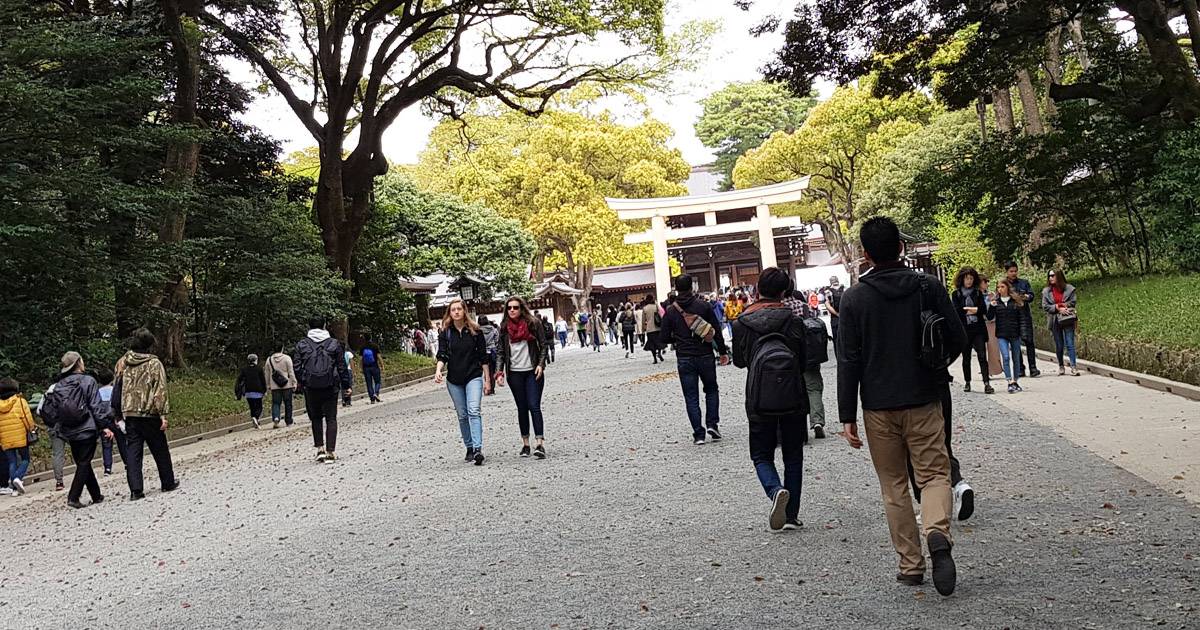
The relationship between urban space and society is significant. Specific urban areas are related to the particular activities of various social groupings. Public spaces with no people and no social function often evolve similarly. Unorganized transit, parking, and other physical obstacles diminish its utility and appeal. And as the world keeps moving toward globalization, traditional and culturally defined public spaces are slowly being changed by a wide range of international influences. Cultural melting pots have become more common. Mere landscape and tactile park design have made it harder for local planners and decision-makers to keep a place’s identity and sense of location. Human activities need high-quality, well-defined public spaces where the local culture can thrive. Communities create and co-create space, while the place’s quality impacts individuals’ personalities. Park designs must include positive and constructive tools that help preserve history, bridge the gap between nature and culture, strengthen identity and memory, and encourage social cohesion and economic growth.
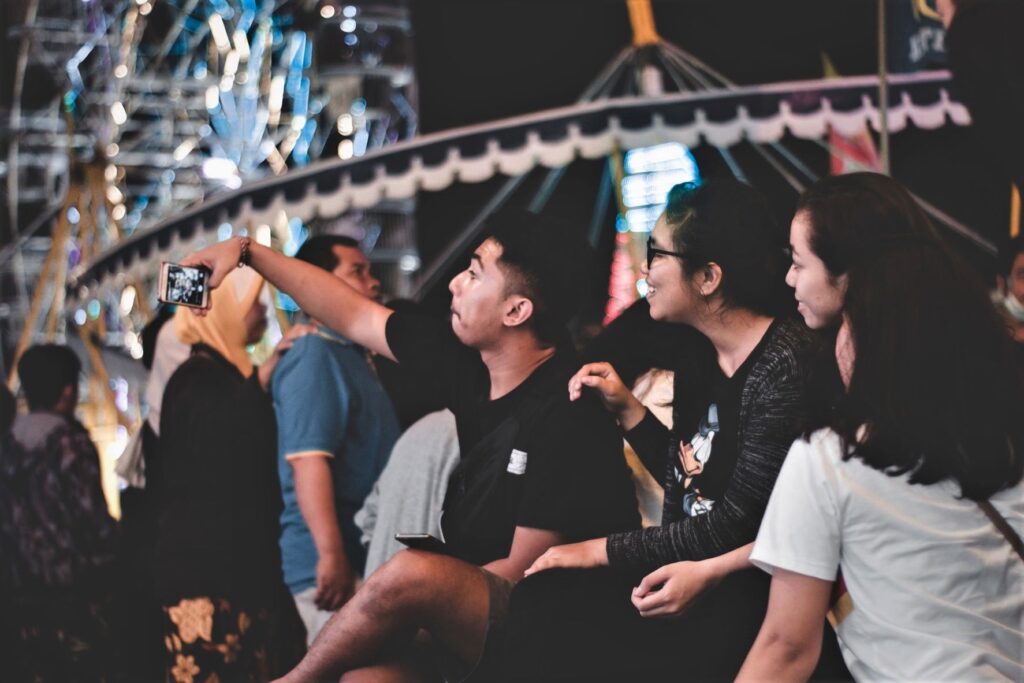
Society and culture as seen in park design
Using a multidisciplinary, location-based strategy makes sense, but designing public spaces also needs a community-based approach. Creating places that perform effectively for the people who use them daily must include civic involvement in the planning process. People who live there need to be at the center of decision-making, using their knowledge and goals to shape the requirements of their public spaces. The result is a shared space that shows off the community’s personality and its members’ skills. It also makes people feel civic pride and responsibility. People feel more attached to a location if they or someone they know contributed to its development. Even if there isn’t a clear link, clues indicating how fellow neighborhood members were involved can make a big difference in how people feel.
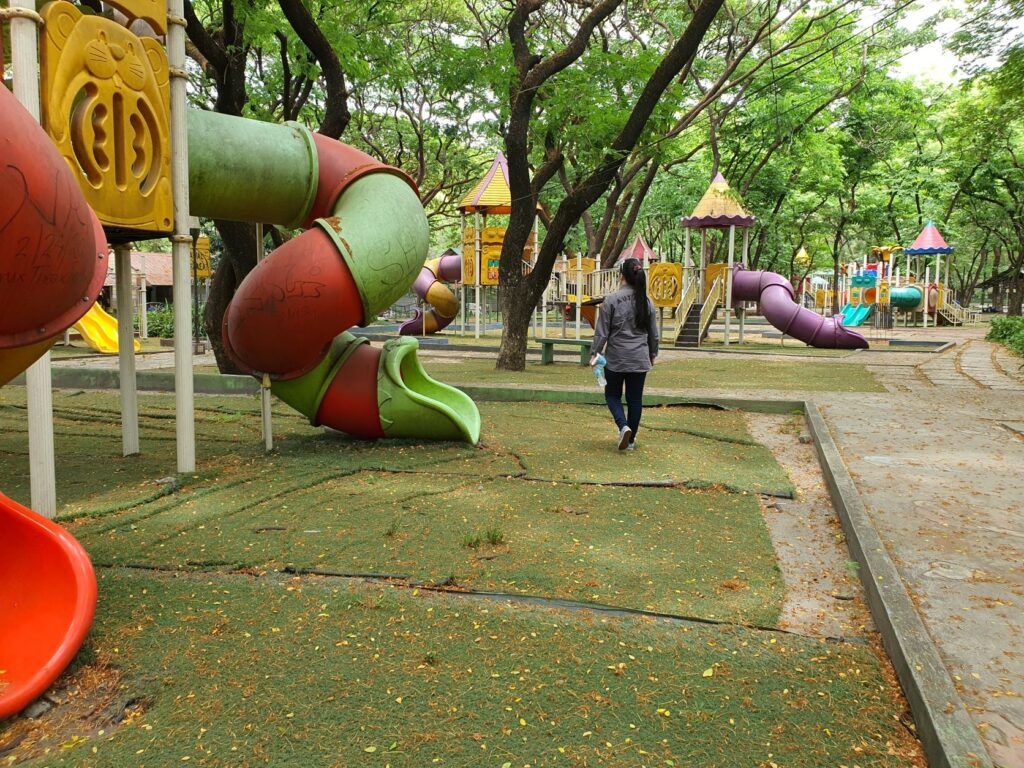
The evolution of public park design
Multiple definitions of “park” are evident in the Oxford Dictionary of English Etymology. One strange idea is that a park is a piece of land that only royals can use. On the other hand, it can also refer to an enclosed space for public recreation. These different ideas about a park can be traced back to the 19th century, when public parks changed from just gardens to a more comprehensive range of amenities.
The rapid growth of cities during the Industrial Revolution (1820–1870) led to the rise of public parks. Most of the world’s workers have switched from working in homes to working in factories. This phenomenon has taken away their time and productivity freedom, resulting in various social changes and experiments to alleviate the public’s transition from an agrarian to an industrial society. During these times, the shift spurred the construction of public parks.
As vegetation has always been and will remain a fundamental part of public parks, the 19th century gave landscape architects new ways to improve people’s lives through the built environment. During the Industrial Revolution, when traffic and pollution were getting worse, this threat reminded people how important fresh air and natural light were to their health.
The complexity of cultural parks
The subject of cultural parks is their scarcity of scholarly and institutional writing. This shortcoming is likely the result of their transdisciplinary and complicated character. It is impossible to independently isolate and examine each piece in a cultural park. Spatial planning, tourism, institutional organization, heritage, and museum management, among other things, all interact in a way that makes it hard to say exactly what each field encompasses. Consequently, cultural parks might have varied meanings depending on the proponent’s disciplinary background. They can be used for space planning, protecting cultural heritage, and attracting tourists simultaneously. In parallel, communities might view cultural parks differently at the local level based on who planned and supported them and with what goals and context. Therefore, examining cultural parks requires a holistic perspective that considers them as a whole.
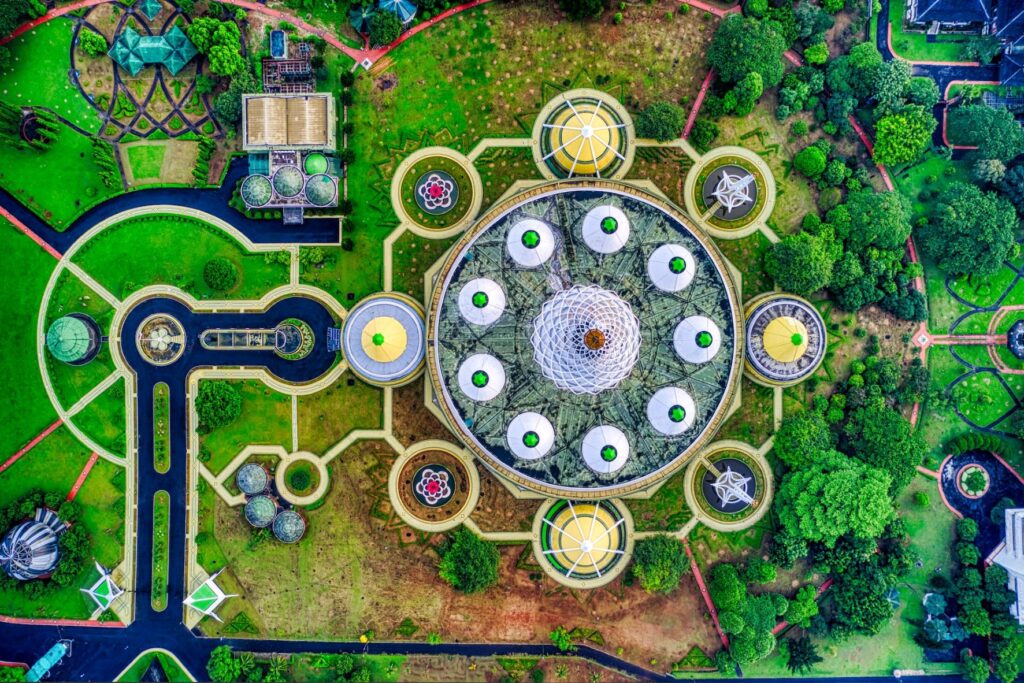
Common cultural uses and preferences of Public Park Design
As mentioned, social and cultural backgrounds heavily affect the design of public parks. In this way, people of different cultures may like to use public spaces differently than people of other cultures.
African Americans
Even though most citizens use their open spaces for sports, African Americans strongly prefer urban recreational and cultural parks where they can sit, talk to people, relax, and do other passive things.
Caucasians
People of this ethnicity prefer to use parks on their own, commonly for walking, jogging, and biking. Furthermore, as reported, most Europeans and Americans evaluate about half of a park’s overall value based on its aesthetic qualities.
Chinese
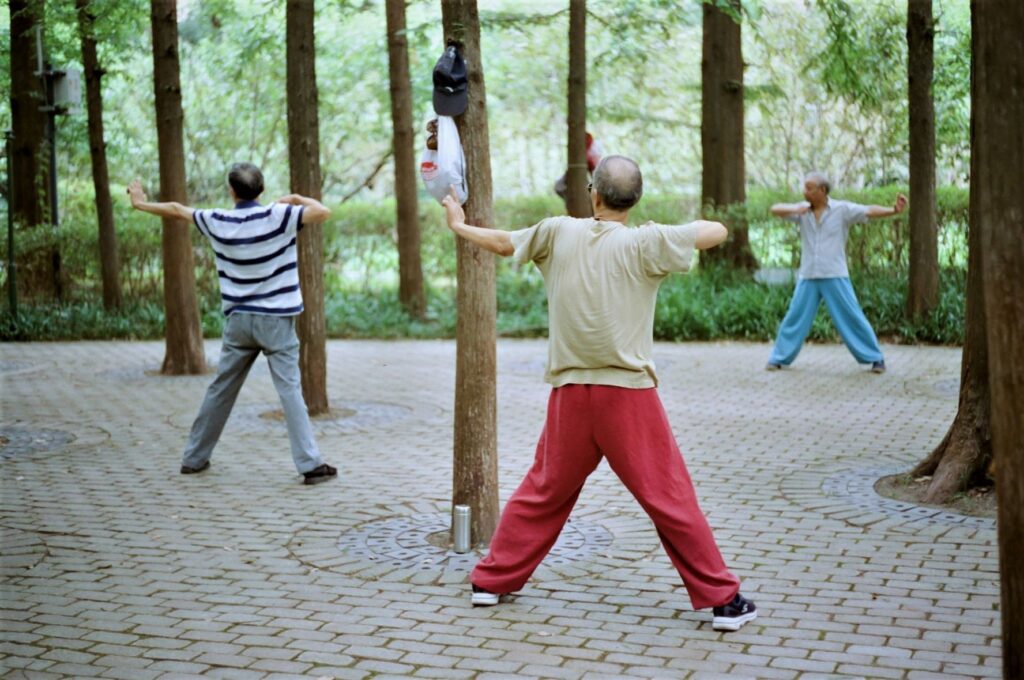
It is common to see older people getting together or doing Tai Chi in public parks where Chinese people are the majority. However, this ethnicity seldom visits public parks, whose appreciation relies on poetic aesthetics rather than the green spaces meant for recreation and sports.
Hispanics
Hispanics commonly associate public parks with food and large-scale gatherings. While social activities are commonplace, the ability to perform sedentary activities like sitting and unwinding is equally essential.
Going back to the basics of park Design and Public spaces
After decades of public park designs changing, focused-use spaces are now being encouraged. These approaches are similar to the traditional configuration of public parks. The progress of such a concept is made by linking movement-centered areas into a central congregation space. An inspiration that observes the doctrines of a walkable city. For example, playgrounds, water parks, sports fields, trails, and play areas connected by paths often surround a social hub.
Promoting the active and creative use of public parks
Functionality is a significant element of today’s park design. Designers must consider multiple socio-economic factors. The following factors can help turn public parks into places where people gather to be creative and social:
Social
Open and informal social climate, centers of active cultural and social lifestyles, unobstructed views and access of congregational spaces to other significant elements like playgrounds and amphitheaters, the balance of enclosed and open spaces by providing pavilions, overlooking shelters, lawns, etc., where people can rest and socialize.
Economic
The labor market offers a wide range of employment activities for the people, enhancing the education and tourism of the locality.
Political Factors
Enlightenment of both urban policy and city management using a commitment approach. Barriers to investing in high-quality urban parks during the planning and design phase, like the ineffectiveness of planning tools, are sometimes caused by a lack of political will to develop urban green spaces and operational limits in governance.
Urban Environment Factors
Visual uniqueness and cultural preservation are factors that characterize the image of the city. The promotion of various urban amenities like schools and restaurants, functional diversity, high-quality public spaces, authenticity, and affordability of old industrial spaces. And multiple walking paths surround activity areas where walking individuals can keep track of their orientation.
Identifying linkages
Part of the planning and design process is figuring out how to bring new development patterns influenced by the rest of the world into local communities while keeping their values and social groups. Park design and society have direct links to culture. By recognizing the role of parks in community development, we can link these three aspects and help people learn the cultural norms of their area through well-thought-out design choices.

Leave a Reply