
Situated along Hernán Cortés, CGS Residences presents a strategic expression of urban design that responds to the rising demand for walk-up apartments. Rising four stories above the urban fabric, this mid-rise residential structure accommodates twenty-two units thoughtfully configured to meet the evolving lifestyle preferences of young professionals, digital nomads, and transient residents seeking affordable yet sophisticated living. The ground floor is activated by commercial spaces that cater to essential neighborhood services, such as laundry shops, water refilling stations, small convenience stores, and service kiosks, which directly address the practical needs of its occupants. These amenities create a self-sustaining micro-community that enhances the convenience of daily living while encouraging continuous interaction with the surrounding neighborhood. The architectural framework of the building responds not only to design challenges but to the broader market behaviors shaping contemporary urban living patterns.
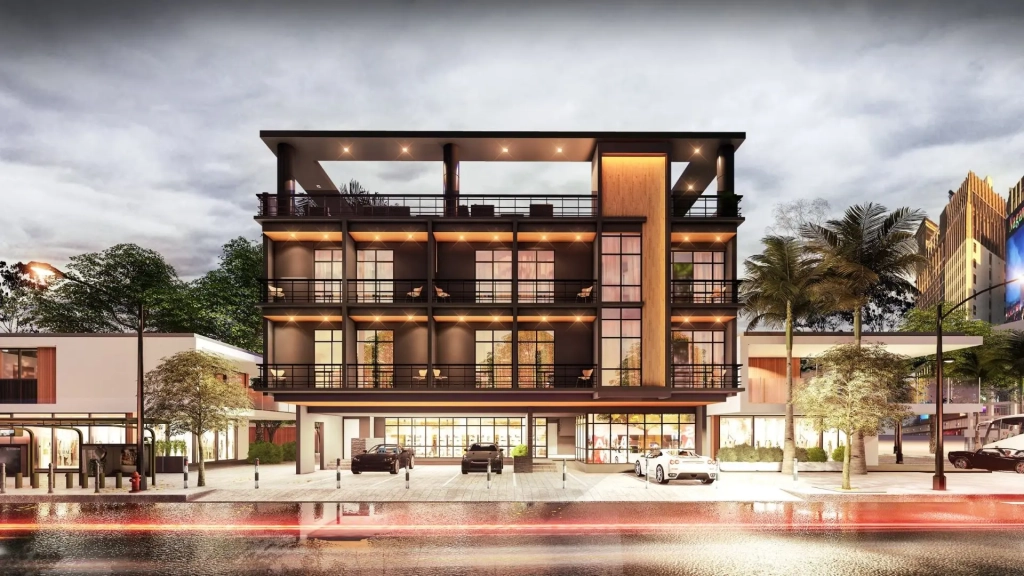
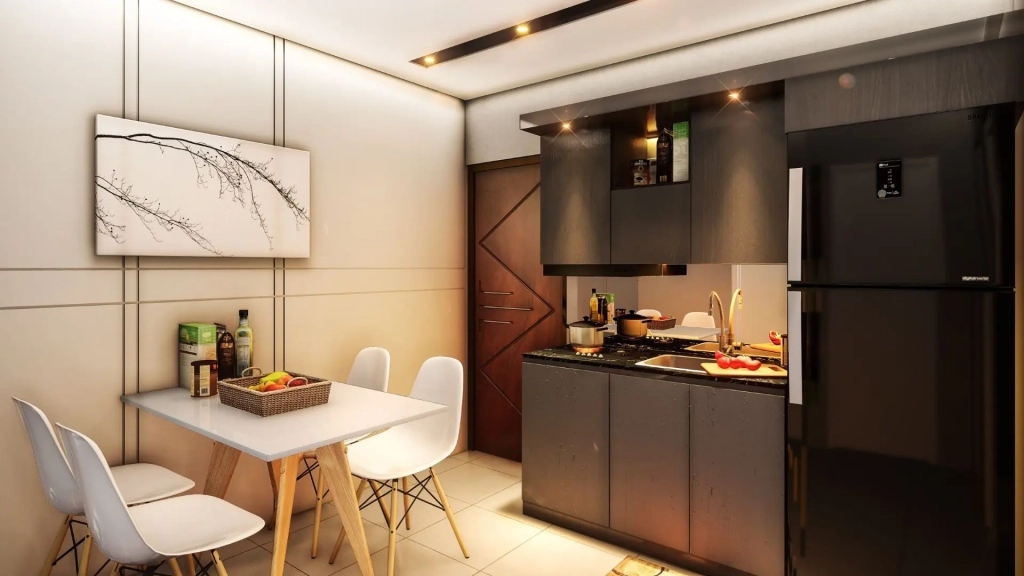
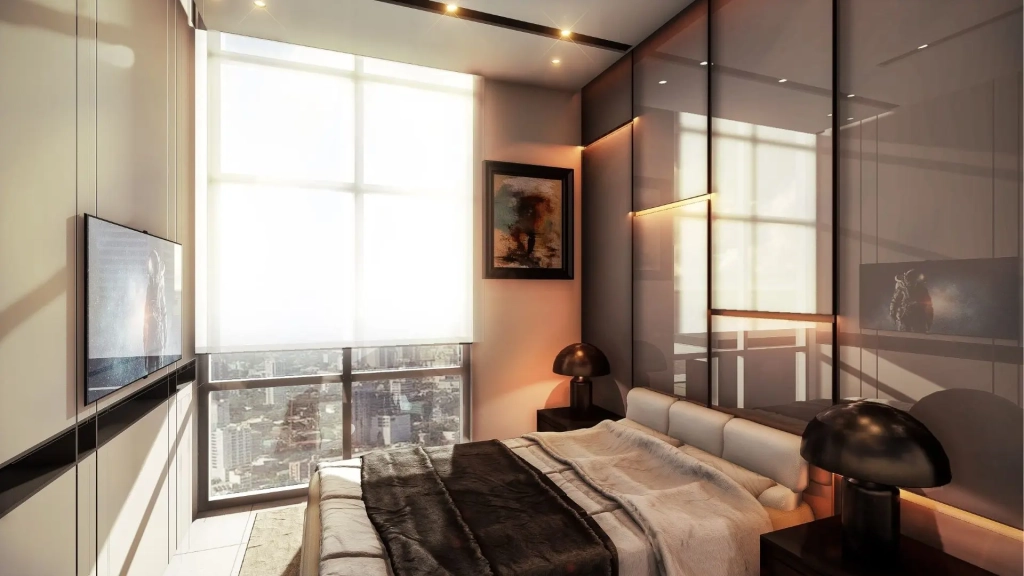
The growing preference for walk-up apartments is an unmistakable trend driven by the increasing number of young professionals, entrepreneurs, and transient residents who are seeking affordability, convenience, and functional living. Studio units within this building are configured to address these priorities directly. Compact yet efficiently planned, each unit serves as both a private retreat and an income-generating asset for property owners seeking to enter passive income streams in real estate. The flexibility of walk-up apartments provides an accessible entry point for investors, particularly those seeking rental income models that remain resilient against market fluctuations.
From an architectural perspective, the design approach integrates functionality with environmental stewardship. The building’s orientation was calibrated to harness prevailing wind patterns, while multiple vertical air shafts allow natural ventilation to cycle through the common corridors and private units. This strategy minimizes reliance on mechanical cooling systems, reflecting a passive energy management principle that lowers operational costs while enhancing occupant comfort.
Each residential unit is provided with a private veranda framed by operable glass walls. This design gesture maximizes access to daylight, improves indoor air quality, and extends the living space visually into the urban context beyond. The expansive openings foster transparency between interior and exterior spaces, providing an elevated sense of openness often absent in typical urban residential formats.
The lower level serves a dual purpose, offering commercial frontage that activates the street edge while accommodating nine carefully positioned parking bays exclusive to residents. This deliberate blend of commercial and residential functions introduces a dynamic ground plane where everyday convenience meets vibrant pedestrian circulation. Small-scale retail units on the frontage create opportunities for cafes, service shops, and essential businesses that directly support the lifestyle needs of residents and the surrounding workforce population. This micro-commercial zone stimulates continuous foot traffic and anchors the building into the daily rhythms of the community. The seamless integration of street-level activity not only amplifies the market desirability of the walk-up apartments but also reinforces their financial durability by establishing multiple revenue streams that stabilize long-term property value.
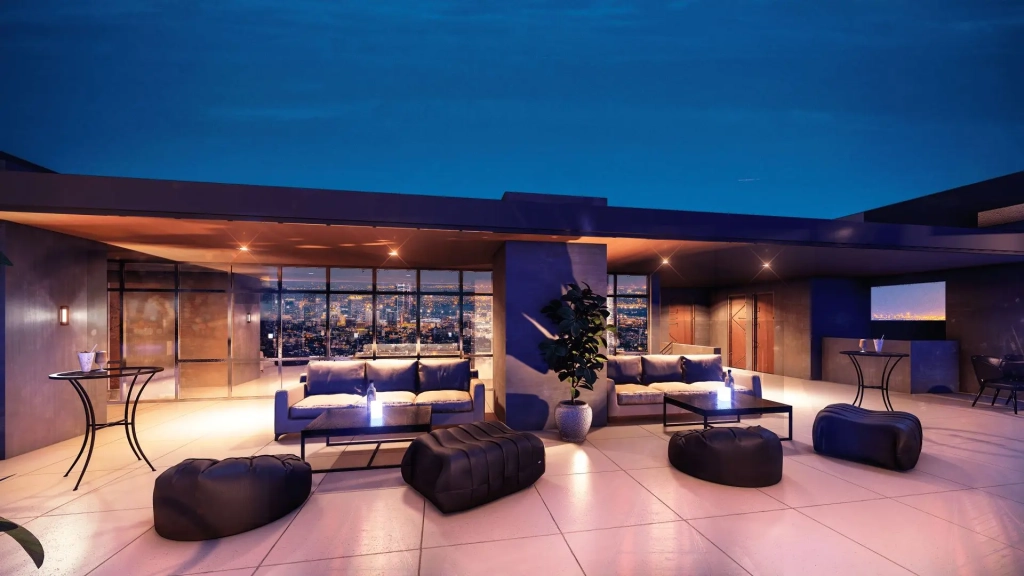
Elevating the experience further, the rooftop deck offers panoramic views of the surrounding cityscape. Designed as a communal extension of the private units, this elevated amenity serves as both a leisure space and a venue for social interaction. The rooftop program enhances the building’s market positioning by offering lifestyle features commonly reserved for larger-scale developments, thereby adding intangible value to each ownership stake within the property.
The fundamental advantage of walk-up apartments lies in their lean operational model. By eliminating the complexity of vertical circulation systems such as elevators, maintenance costs are reduced, mechanical liabilities are minimized, and long-term asset stability is improved. This cost efficiency resonates with both developers and end-unit investors who seek durable and sustainable real estate ventures.
In an urban landscape where verticality often demands high capital outlays, walk-up apartments offer a disciplined alternative. They address rising housing demands while remaining financially accessible to a broader range of stakeholders. CGS Residences reflects this balance by blending architectural intelligence with investment practicality, contributing enduring value to both its owners and the evolving fabric of urban living.