


What is Defensive Architecture?
Defensive Architecture or also known as Anti Homeless Architecture is a philosophical belief for living that the structure of a community can be built to maximize its safety. One of the primary goals is to minimize the amount of damage that could occur to the ideal occupants of a community.
Those who practice this philosophy will often build a structure or urban furniture designed with a number of security features that are devoid of any luxuries or amenities.
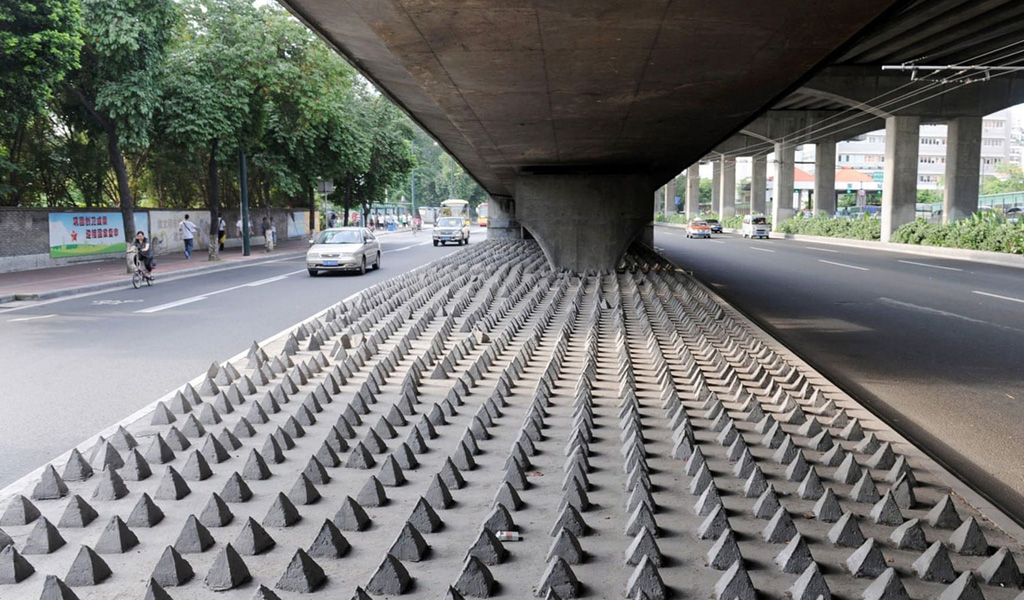
The Moral Purpose Of Defensive Architecture
Anti homeless architecture is not merely applied to buildings and in the streets but also in parks, plazas, etc. These structures or treatments are designed to curb the vagrancy of the homeless. They are meant to keep them away from the areas which are generally populated by middle-class citizens.
The aim of these structural or barrier devices is to prevent them from going into public areas. There are numerous of these structures or architectural devices in first world countries from China to across the United States.
These innovative solutions have been created by the human rights activists to keep homeless people and make-shift shelters out of the public eye. They believe that keeping the homeless away from the areas where they are usually seen will not only keep them away from the areas where they can easily be detected but also encourage their voluntary return to normal life. This in turn will encourage other people to work towards their own goals as well.
Managing The Homeless Without Contact
When it comes to living conditions in an anti-homeless community, the most common practice is to create an atmosphere where it is as difficult for the homeless to live as possible. These practices are often used in conjunction with the “No Contact Order”, which is one of the most important things to implement in order to prevent homeless people from staying in the community. In most cases, homeless people are often prohibited from entering a community unless they are under escort, and if they have the necessary identification they can enter.
By imposing this No Contact Order on the homeless person, they are not allowed to stay in a particular area. There are a variety of reasons for enforcing this order. Some cities have ordinances where people are only allowed to stay in certain areas. If a homeless person is found to be in a community where he or she is allowed to remain, then they are given a civil citation that carries a penalty of incarceration.
The “No Contact Order” is an important part of many of these practices because it will make it impossible for a homeless person to stay in the area for a long period of time without being observed by someone who may be trying to get into the area. Most of the homeless people living in an area will have an area where they tend to sleep or camp out. A person who is sleeping outside is an easy target for someone who would like to steal food or money.
The “No Contact Order” should not interfere with the life of the homeless. Some states require that a homeless person must make some kind of contribution towards their own medical needs. Even if a person has not met any of their medical needs, they will need to have a designated person who can assist them in making sure that they are getting the health care they need.
Examples of Defensive Architecture Devices
There are several things that make up this type of architecture. One is the use of construction techniques that are designed to restrict their movement and to make them stay within a certain area. This may include fencing or walls that are constructed to prevent them from jumping over. Another is the presence of several security devices that will allow the police or social workers to enter and collect those who try to access an area where the functioning population lives.
Others may include metal bars, chains, or locks placed in strategic areas that are used to stop them from getting inside. Metal spikes are strategically applied to certain surfaces on floors and public platforms to discourage any long comfortable stay. These defensive structures or design devices are often located near the entrances to public areas, such as sidewalks, beaches, parks, etc.
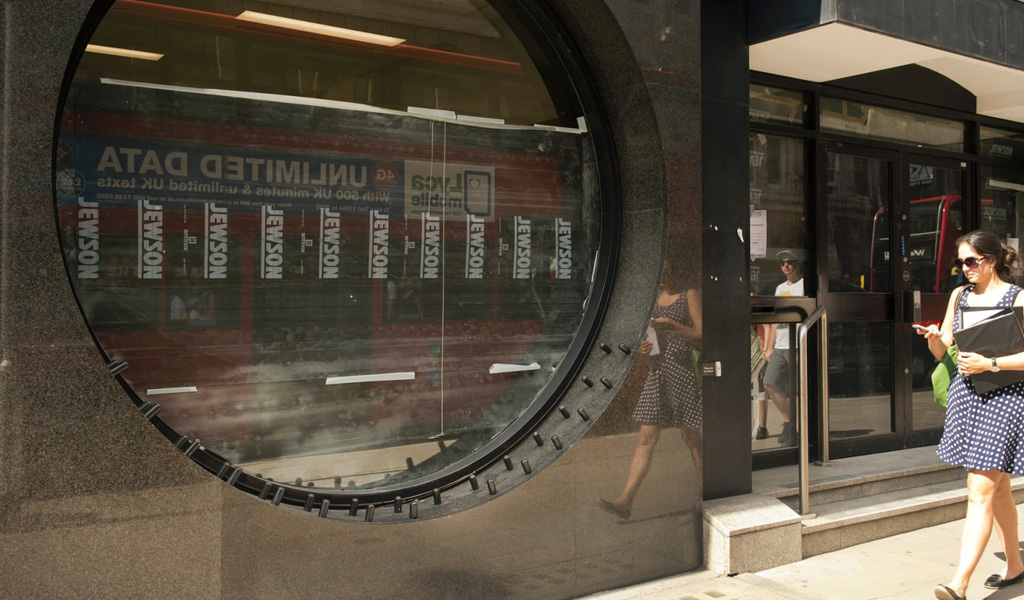
How Convenient Is An Architecture Against Homelessness?
There are many people who think that such structures are just an ugly sight and they do not bother to visit such places anymore. However, this cannot be further from the truth as it makes the whole area look neat and clean. It also helps to deter people from attempting to get close to areas where the homeless live and to keep them away from areas that are frequented by other people. Another thing, keeping homeless families with vagrant children off the streets and out of vehicular harm’s way should be for their own safety.
Another aspect of anti-homeless architecture is that some homeless shelters are in fact built on top of new churches. In some cases, they are so large that they take up an entire church. They are a way of discouraging the homeless from approaching the church directly for help. These structures can be used as a way of providing shelter for the homeless even after the church is closed and it is not possible to provide temporary shelter for the homeless. These buildings are actually a part of the overall architecture and function of churches.

The concept of anti-homeless architecture may sound rather cruel, but it is really nothing more than providing a safety net for the homeless. It is also a means of providing for the homeless to return to their old ways of living in a peaceful environment. The concept has been around since long before these modern buildings and urban landscapes were even created. The first shelters that were built for the homeless were actually made out of cottages which were constructed in cemeteries in England. They were created to keep the homeless away from the rest of the world.
While many people may not think of using a “homeless shelter” or “socialized housing” as a way to help the homeless, policies and laws for homeless reduction is considered to be an essential part of being able to live in a community with dignity and peace of mind. Many cities, including San Francisco and Houston, provide services to homeless people that can even help to help those in need due to the “Homeless Protection Act”.
Is defensive architecture partly the solution or problem to urban decay? Are you for or against these architectural deterrents in managing the homeless? Please feel free to drop your comments below. I would love to hear your thoughts.

Leave a Reply