

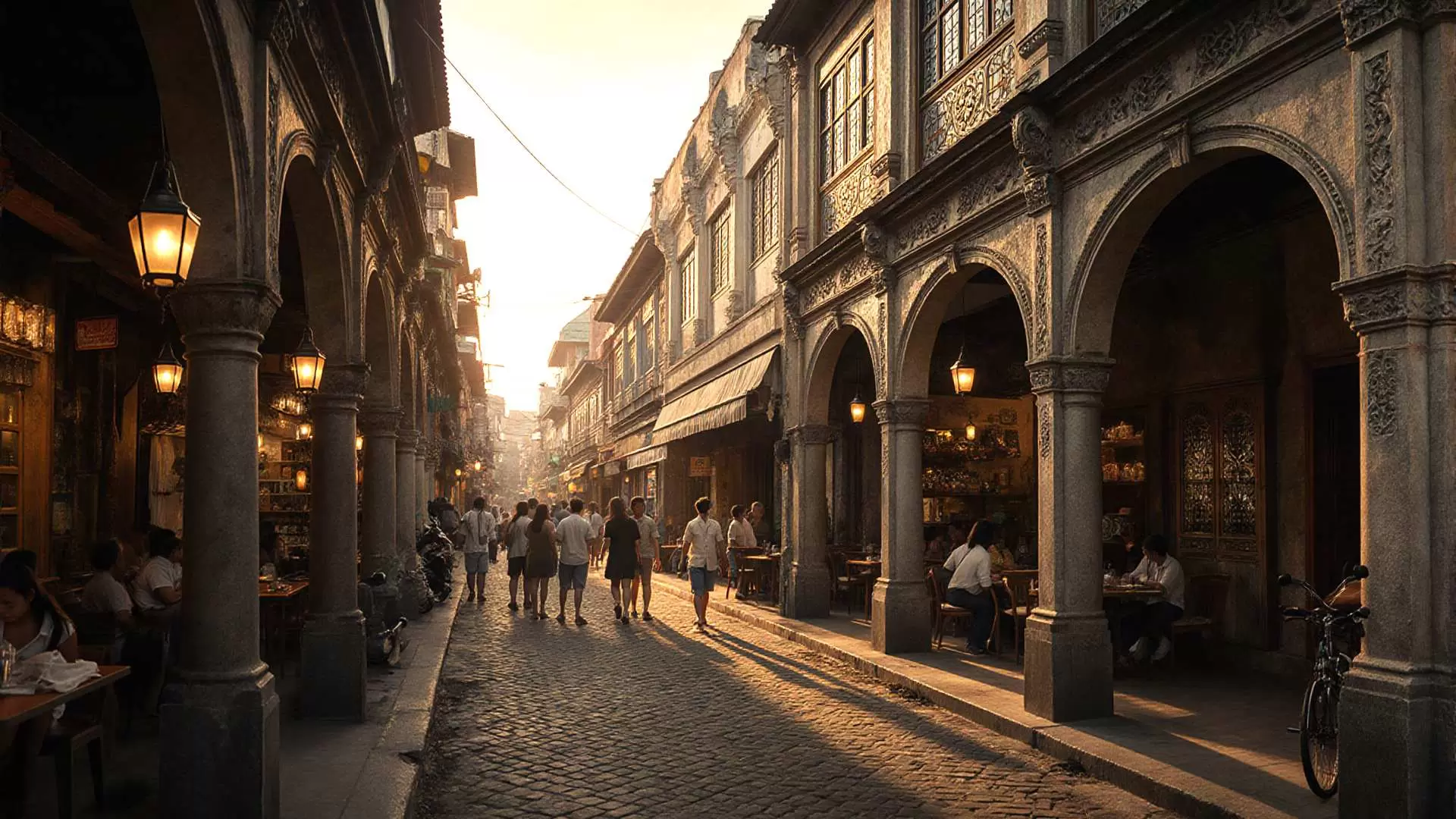
Philippine shophouses are re-emerging as valuable real estate assets, blending heritage and modernity in a way that resonates with investors and cultural enthusiasts. These unique structures, long seen across Southeast Asia, have distinctive architecture and a dual purpose. Moreover, they offer spaces for commerce and residence within one property, shaping the history of urban living while continuously adapting to present-day demands. The renewed interest in Philippine shophouses underscores their relevance as cultural icons and practical investments.
The Asian Origins Of Shophouses
Shophouses have deep roots in Asian urban history, particularly in Singapore, Malaysia, and Southern China. Early versions of these properties trace back to Chinese immigrants from Guangdong and Fujian, who carried the concept of integrated live-work spaces. Typically rising two to three stories, shophouses combined ground-level retail shops with upper-level residences. This mix of commerce and domestic life created a vibrant, community-centered fabric that still defines many historic Asian districts today.
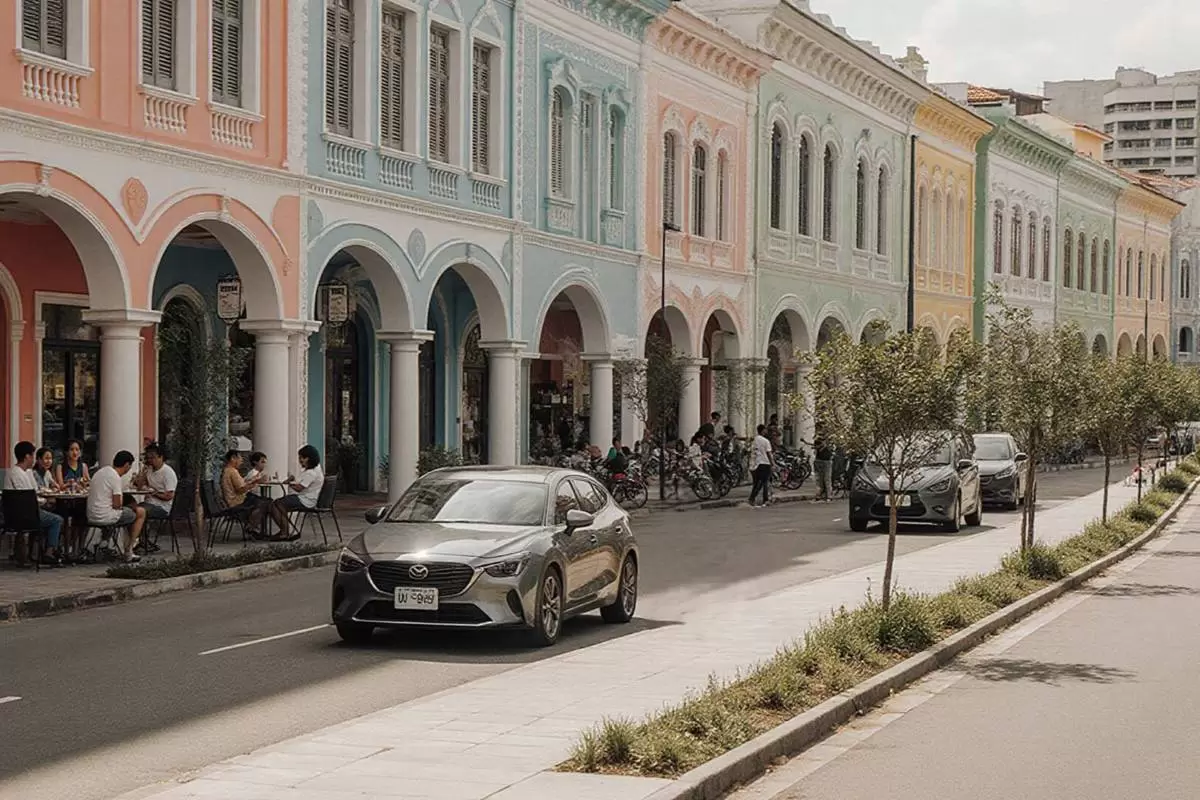
Architecturally, shophouses show narrow frontages and elongated depths, designed to maximize limited urban land. A defining feature is the five-foot way (a sheltered arcade introduced in Singapore in 1822 that often exceeds five feet in width and provides shaded public walkways). It gives weather protection and continuity to pedestrian movement. The symmetrical planning of early shophouses reflected Chinese principles of balance, making them functional and symbolic of prosperity.
This tradition of heritage planning connects with contemporary approaches to urban design, as seen in the rise of vertical living in the Philippines.
Distinct Traits That Define Filipino Shophouses
The design of a shophouse is compact yet layered with meaning. Early examples featured timber structures, pitched terracotta roofs, wooden windows, and internal courtyards. Air wells brought natural ventilation and daylight to interior spaces, an ingenious solution for tropical climates. These elements created practical, durable structures that remain deeply connected to daily urban life.
As building technologies advanced in the twentieth century, concrete replaced timber as the primary material. Modern Philippine shophouses, however, still retained heritage features such as the five-foot way, party walls, and ornate façades. Decorative vents and geometric motifs marked a shift to streamlined utilitarian styles. Despite these changes, the essence of shophouses remained constant. Their versatility ensured that commerce and culture met in one shared architectural form.
How Did Philippine Shophouses Evolve?
The story of Philippine shophouses finds its strongest expression in Binondo, Manila, home to the world’s oldest Chinatown, established in 1594. Binondo has been the commercial heart of Chinese Filipino trade and cultural exchange for centuries. Its narrow streets, crowded with merchants, reflect a fusion of traditions that shaped Manila’s identity as a trading hub.
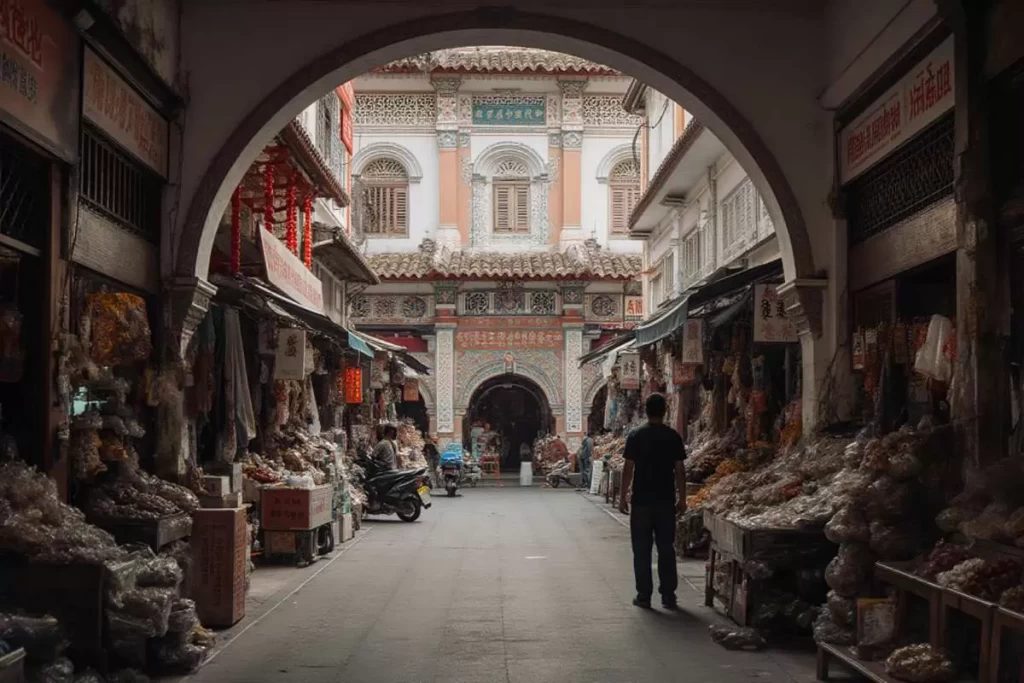
Historic shophouses in Binondo stand as visual records of this history. Many display art deco façades from the American colonial era, narrow entrances leading to deep, multi-level spaces, and arcaded walkways that protect pedestrians from sun and rain. Although modernized or expanded vertically, they still echo traditional Asian shophouses. Their hybrid architecture reflects layers of cultural influence from Spanish to Chinese to American, making them uniquely Filipino.
Today, Binondo’s streetscape remains central to Manila’s character. Its dense mix of retail stores, eateries, and family-owned businesses draws locals and visitors. In doing so, it demonstrates the timeless appeal of heritage shophouses in the Philippines as places of commerce and cultural continuity. The National Commission for Culture and the Arts (NCCA) recognizes the role of these historic structures in shaping cultural identity and preserving architectural heritage.
The Modern Revival Of Philippine Shophouses
In recent years, developers have increasingly recognized the enduring value of Philippine shophouses. As a result, they have brought the concept into township projects across the country. For example, one notable project is a shophouse district in Pampanga that is designed to evoke the postwar vibrancy of the 1950s. Moreover, these new structures are inspired by European townscapes, providing spaces for boutique hotels, restaurants, and offices. Ultimately, they preserve the intimacy of small-scale neighborhoods, creating a unique blend of modernity and tradition.
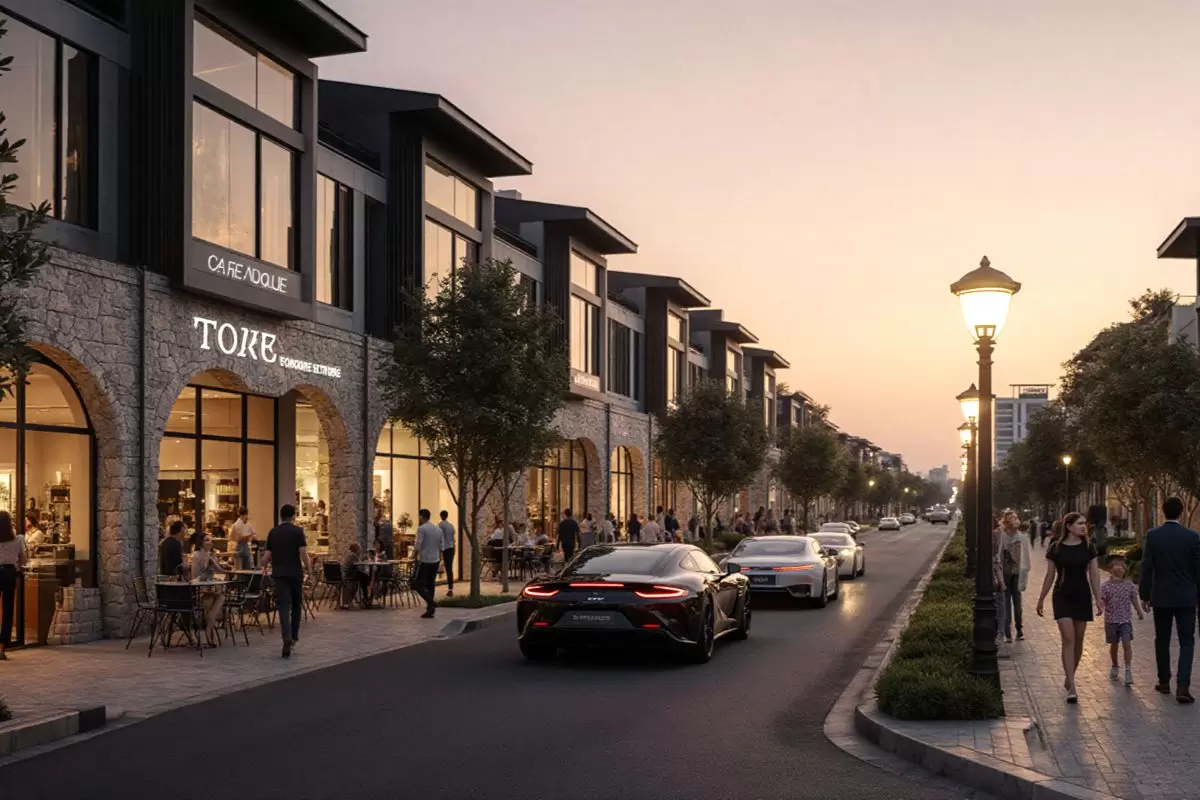
Planned avenues, open spaces, and civic centers highlight regional heritage and support a lively street culture. Philippine shophouses in these districts act as a centerpiece of community life, encouraging small businesses, specialty dining, and boutique accommodations that attract residents and visitors. With the rising prominence of growth corridors near major airports and expressways, these developments aim to create destinations that balance heritage character with economic growth.
What Makes A Modern Shophouse?
Other townships envision grand avenues with new builds alongside corporate towers and parks. With convenient access to regional infrastructure and proximity to Metro Manila, these districts position Philippine shophouses as anchors of emerging business hubs. Integrated retail and dining with residential and office uses create neighborhoods that blend lifestyle with commerce.
These developments highlight the model’s adaptability. While rooted in history, modern interpretations use glass, steel, and concrete to create properties suited to contemporary lifestyles. Furthermore, retaining covered walkways and street-oriented designs ensures continuity with tradition while addressing urban needs. Investors see the revival as an opportunity to participate in the growth of new districts while drawing on the prestige of a heritage-inspired property type.
Why Investors Value Philippine Shophouses?
Philippine shophouses continue to attract attention because they combine multiple layers of value. Their mixed-use nature offers convenience by integrating work, retail, and residence in one location. This model aligns with today’s urban preference for walkable, community-centered living, where commuting time shifts toward daily life and business pursuits.
Architecturally, Philippine shophouses offer character that condominiums or office towers often lack. Their façades, whether heritage-inspired or contemporary, create streetscapes with visual identity and charm. For investors, this translates to healthy demand from tenants and customers drawn by the unique atmosphere of shophouse districts.
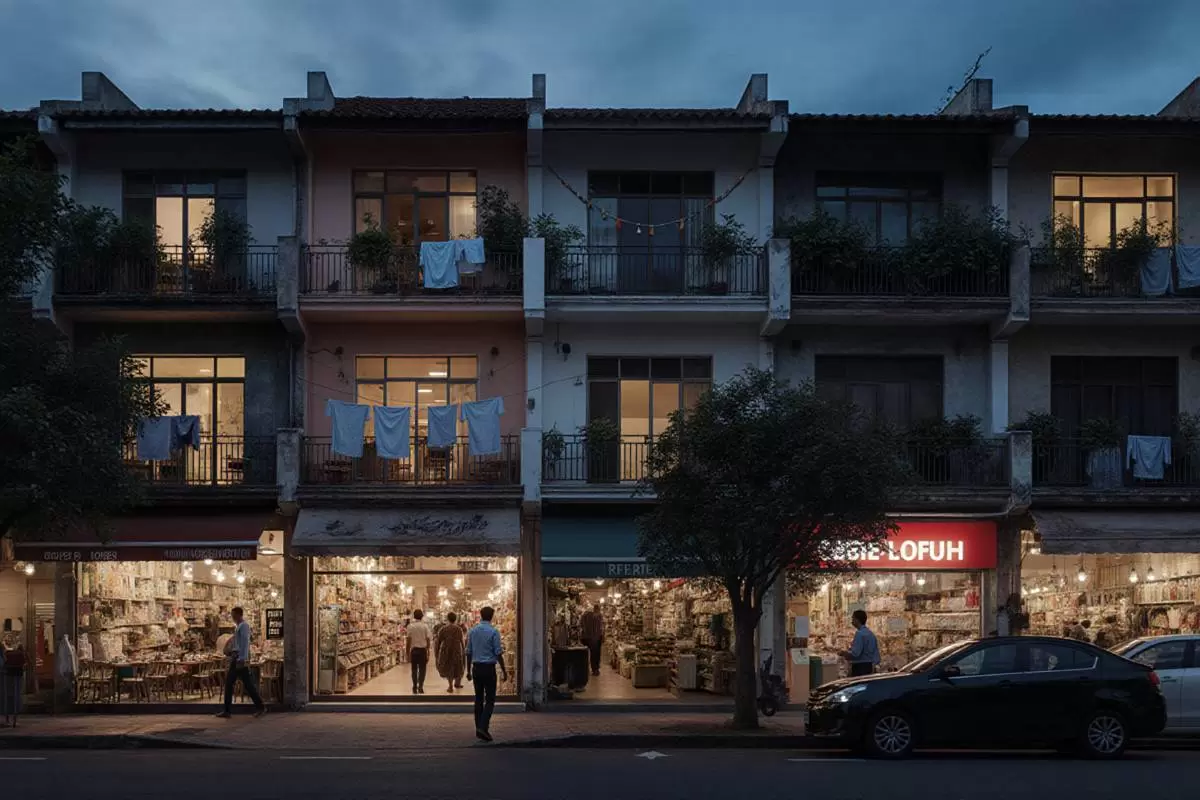
Location further enhances the appeal of Philippine shophouses. For instance, historic districts like Binondo continue to thrive as vibrant commercial hubs. At the same time, newly developed townships across the regions strategically position these properties within key growth corridors. Shophouses occupy prime real estate in historic Manila or emerging provincial cities. As a result, they benefit from both cultural gravitas and market dynamism
Why Real Estate With Entrepreneurship Matters?
Another advantage lies in their appreciation potential. With demand for mixed-use properties rising, Philippine shophouses continue to grow in value. Reports from neighboring markets confirm consistent growth in shophouse investments, a trend mirrored in Philippine cities where township developments record strong sales. In the first half of 2025, office leasing in Metro Manila surged by 80 percent, with more than 582,000 square meters absorbed, a signal of renewed demand in the post-pandemic commercial market (JLL Philippines, 2025). Mixed-use districts are positioned to capture this momentum by offering flexible retail, office, and residential spaces that reflect the versatility of shophouse-inspired development. Vacancy rates in the capital continue to narrow as provincial markets attract outsourcing firms, spreading demand across the country. This regional diversification strengthens the case for Philippine shophouses as adaptable investments thriving in metropolitan and provincial hubs.
The diversity of uses adds to long-term value. Philippine shophouses can host cafés, clinics, retail stores, and boutique accommodations, with upper floors serving as offices or residences. This adaptability provides owners with resilience against market shifts. Investors benefit from properties that can be reprogrammed without major redevelopment. This typology makes shophouses a versatile asset class in the evolving Philippine economy.
For additional perspective, readers may explore how adaptive reuse in the Philippines shapes sustainable real estate strategies.
Filipino Shophouses As Anchors Of Culture And Innovation
Beyond financial returns, Philippine shophouses play a role in sustaining cultural identity within urban development. They act as bridges between past and present, allowing heritage to coexist with innovation. In Binondo, the persistence of heritage shophouses in the Philippines fosters community traditions. In new districts, Philippine shophouses create culturally inspired environments that distinguish townships from conventional commercial zones.
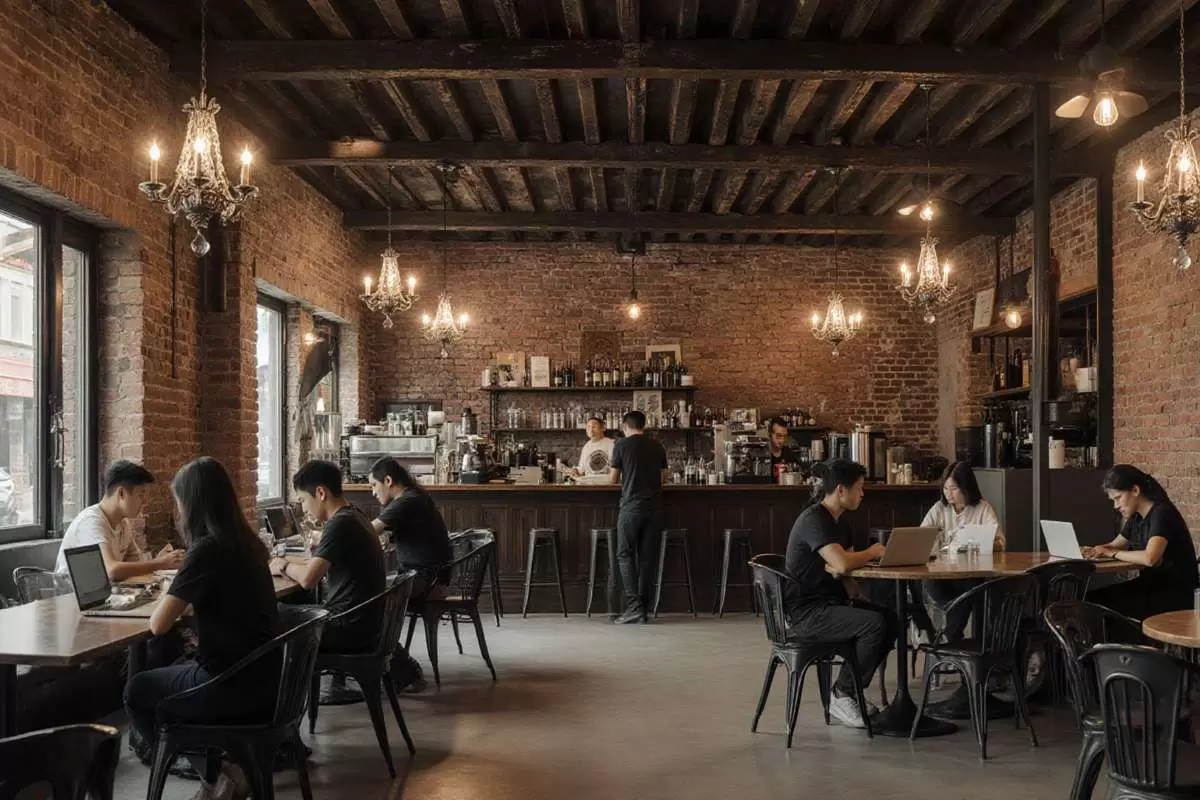
Adaptive reuse significantly amplifies the cultural role of historic buildings. In particular, renovating old shophouses into cafés, galleries, or boutique hotels conserves architectural heritage and promotes sustainability. Moreover, these assets support greener urban practices while preserving tangible links to the past by reusing existing structures instead of demolishing them.
In this way, Philippine shophouses embody a holistic form of real estate that simultaneously serves financial, cultural, and environmental goals. Moreover, their presence reminds investors and communities that development can be profitable and deeply rooted in tradition.
Looking Ahead At The Role of Shophouses
Philippine shophouses represent a legacy that continues to adapt and inspire. From the alleys of Binondo to the avenues of regional townships, they remain central to the evolving story of Philippine cities. They thrive as cultural symbols, business hubs, and modern real estate opportunities, embodying the convergence of tradition and progress. As cities pursue community-driven and sustainable development, Philippine shophouses will remain essential to shaping a more integrated and human-scaled urban future.

Leave a Reply