

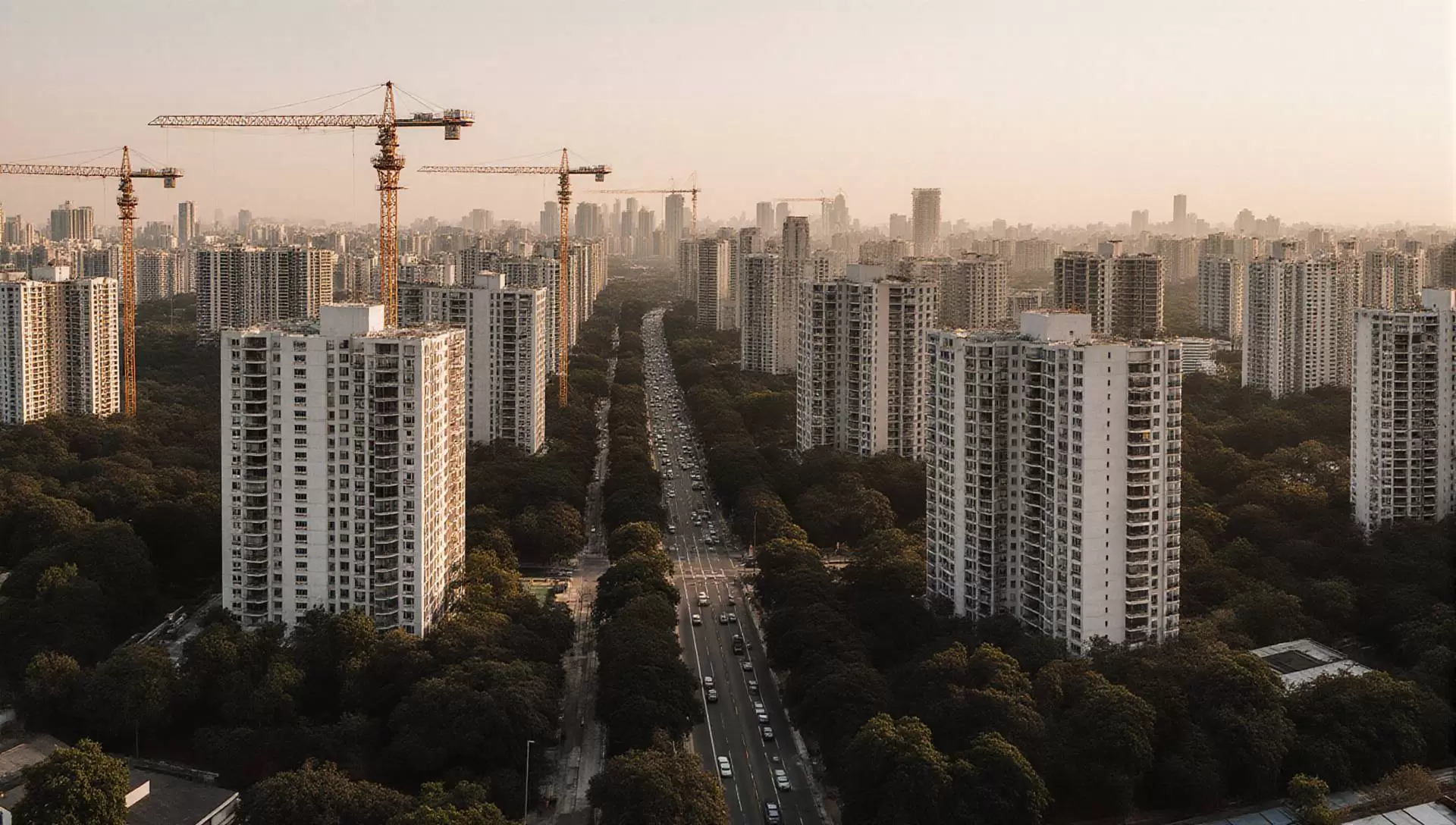
The momentum toward rejuvenating urban housing in the Philippines is accelerating as lawmakers deliberate on a comprehensive framework for condominium renewal. As one of Asia’s fastest urbanizing nations, the Philippines faces mounting pressure to modernize its vertical housing inventory to ensure safety, resilience, and efficiency in the decades ahead. Modernizing the country’s aging vertical housing stock is no longer a distant policy goal but an urgent national priority shaped by climate adaptation goals, urban congestion, and socio-economic demand for livable density. The condominium redevelopment Philippines movement proposes mechanisms that can reshape how cities handle condemned or obsolete structures, creating a structured pathway for renewal that encourages adaptive reuse, urban revitalization, and long-term economic sustainability. It unlocks investment and design opportunities for developers, architects, and property owners while laying the groundwork for more resilient, future-proof communities.
What Is Driving Legislative Reform in Condominium Redevelopment in the Philippines?
Current deliberations involve several measures across the 19th and 20th Congresses that seek to amend Republic Act No. 4726, the Condominium Act of 1966, and to clarify dissolution and redevelopment procedures for aging or condemned projects.
In the 19th Congress, the SBN-2726, the Condominium Redevelopment Act was filed as a measure that proposed clear pathways for renewal and was recorded as pending in committee as of July 30, 2024. In the 20th Congress, SBN-235 was refiled as “An Act Providing for the Redevelopment of Condominiums” and logged as pending in committee on August 4, 2025. A complementary proposal, SBN-922, seeks to lower the percentage requirement for voluntary dissolution of condominium corporations for condemned or aging projects and is likewise pending in committee as of September 1, 2025.
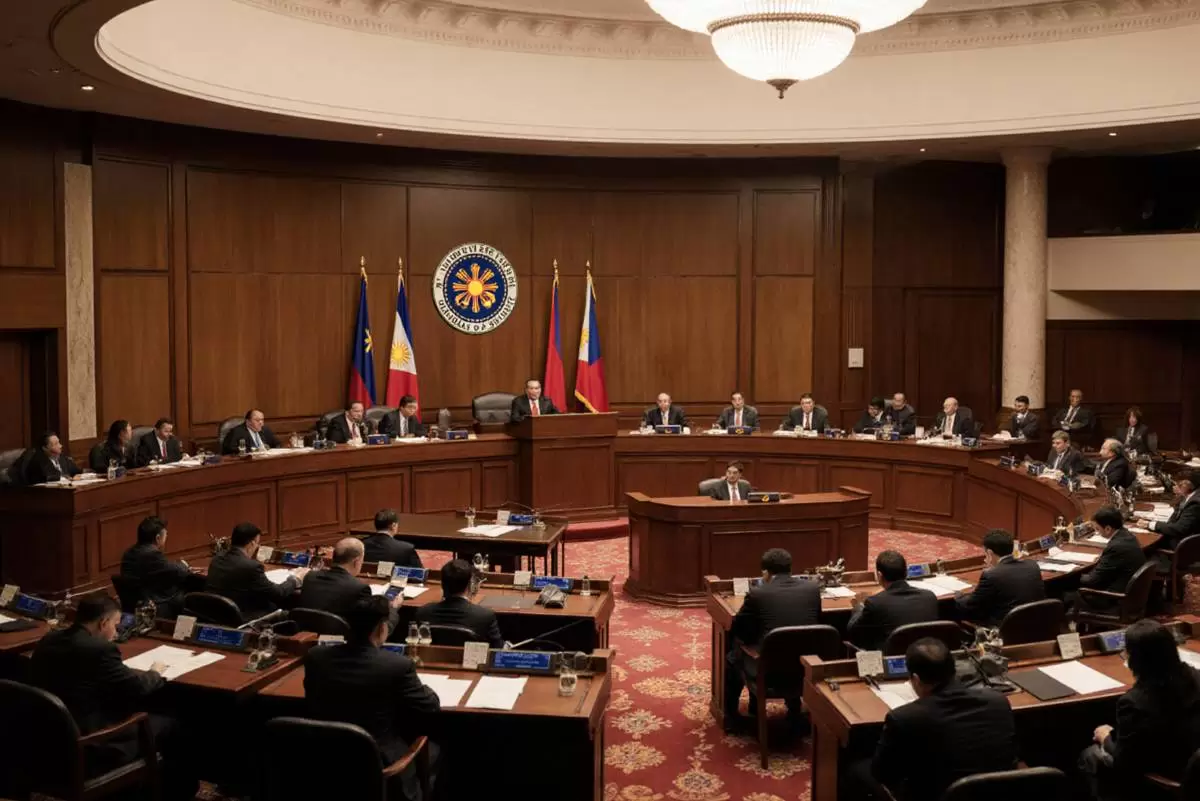
On the House side, HB 2286 advances a condominium redevelopment framework and was filed on July 24, 2025, with referral to committee. These measures aim to modernize governance, valuation, and voting thresholds so owners can cooperate when buildings reach functional or structural obsolescence.
Many buildings constructed in the 1970s and 1980s face structural fatigue, outdated systems, and reduced economic value. Without an efficient legal pathway, owners remain locked in deteriorating assets. The legislative reform introduces clarity, balancing property rights with urban renewal needs. The Department of Human Settlements and Urban Development (DHSUD) and local building officials will play a key role in assessing structural soundness and overseeing the redevelopment process.
Why Is Condominium Redevelopment Philippines Important to Urban Growth?
The condominium redevelopment Philippines framework supports sustainable city-building by reusing already urbanized land instead of expanding into peripheral green zones. The National Economic and Development Authority (NEDA) and various local government units have identified brownfield redevelopment as a tool for sustainable densification. This definition aligns with the Philippine Development Plan 2023–2028, particularly Chapter 12: Expand and Upgrade Infrastructure, which details strategies for housing, urban redevelopment, land use efficiency, and brownfield rehabilitation. The PDP promotes efficient land use and the rehabilitation of aging urban assets.
Older condominiums often occupy prime locations with established infrastructure, transport, and commerce access. Their transformation into new mixed-use developments strengthens neighborhood value and safety. Properly implemented, redevelopment can reduce urban blight, improve disaster resilience, and enhance land productivity without increasing sprawl.
What Are the Demographic and Market Pressures Driving Redevelopment?
As of late 2024 and early 2025, the Philippine housing sector faces mounting demographic and market pressures. The national housing stock ages amid a worsening backlog and limited new construction. The Department of Human Settlements and Urban Development (DHSUD) reported a housing deficit of 8.25 million units by March 2025, up from 6.5 million in 2022, with projections reaching 10 million by 2028. The government’s Pambansang Pabahay Para sa Pilipino Program, launched in 2022 to close this gap, has been slowed by financing and construction constraints, adjusting its original one million homes per year goal to four million total by 2028.
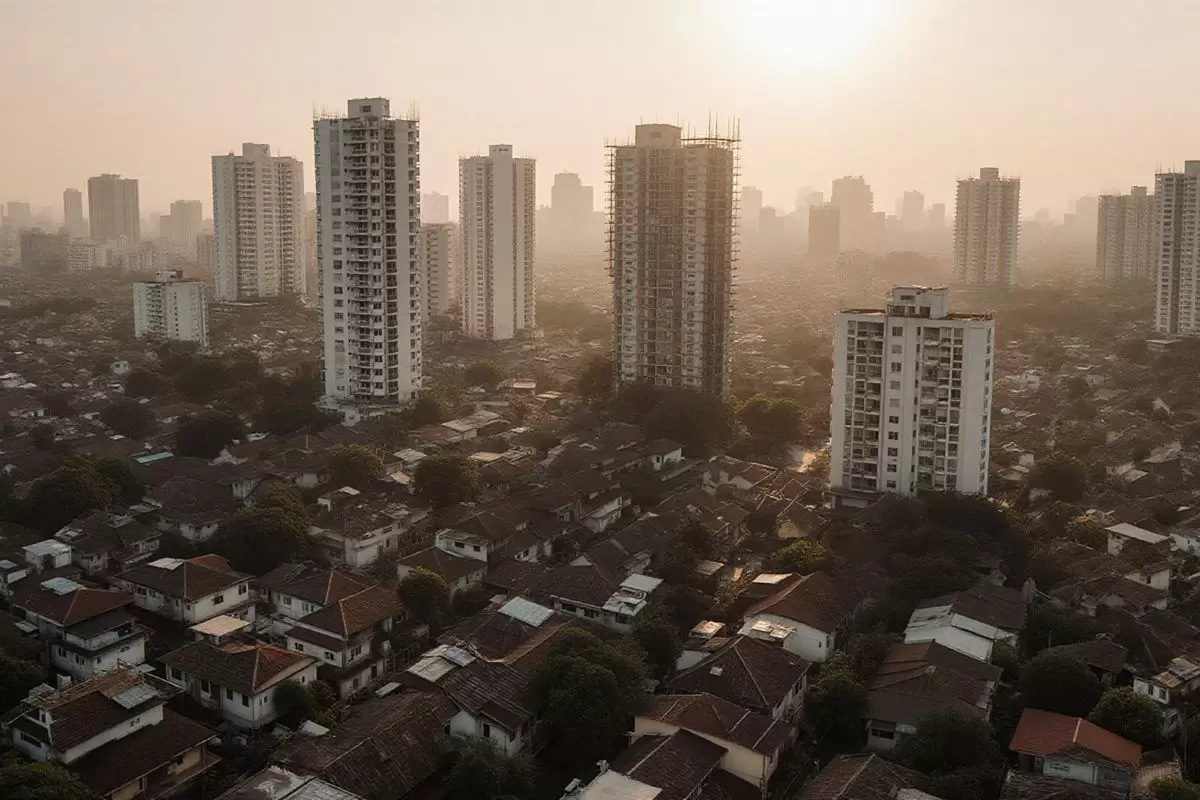
The Philippine Institute for Development Studies (PIDS) observed a slowdown in household formation, as younger Filipinos delay establishing new households due to affordability barriers. This observation has led to an increase in extended and multi-family living arrangements, especially in cities with high property prices. Such conditions accelerate the deterioration of older housing stock and increase the urgency for redevelopment. Additionally, with the share of Filipinos aged 60 and above expected to reach 10 percent by 2030, housing suited for seniors remains insufficient, adding a demographic layer to the redevelopment imperative.
Bangko Sentral ng Pilipinas (BSP) data from its 2025 Residential Real Estate Price Index (RREPI) highlight a construction imbalance. New housing supply remains concentrated in high-end condominiums, mostly outside Metro Manila, while affordable housing output lags. Single-detached and attached homes dominate new transactions, but total national production averages around 200,000 units annually, far below the volume needed to stabilize the market. This mismatch between demand and supply contributes to the aging of existing buildings and reinforces the strategic role of condominium redevelopment in meeting housing demand within already urbanized areas.
What Are the Economic and Investment Implications for the Philippines?
Legislative reform establishes predictability and confidence in real estate investment. By clarifying valuation and voting procedures, the Condominium Redevelopment Act reduces legal ambiguity and supports viable collective sale mechanisms. Developers gain a clear framework to negotiate with multiple owners through joint venture structures or equity-swap models, improving project feasibility and financing access.
Redevelopment can transform depreciating assets into profitable ventures for property owners. Structured participation mechanisms, such as equity sharing or profit distribution, ensure fair compensation while retaining investment potential. Financial institutions stand to benefit from reduced credit risk, as streamlined legal processes make condominium renewal bankable.
Recent data from DHSUD, PIDS, and BSP converge on a shared reality: the aging housing stock and expanding deficit create both a social challenge and an economic opportunity. The national backlog’s rise to 8.25 million units and the slow pace of new construction signify an unmet urban housing demand that redevelopment could help address. Strategic condominium redevelopment projects in the Philippines can leverage existing infrastructure, stimulate construction employment, and reinvigorate property markets through adaptive design and sustainable reinvestment in dense urban zones.
What Challenges Affect Implementation?
Redevelopment reform, while necessary, requires careful coordination. Securing majority consent from hundreds of condominium owners remains complex. Questions about fair valuation, relocation logistics, and compensation structures must be addressed through clear implementing rules.
Government oversight is essential. DHSUD, the Housing and Land Use Regulatory Board (HLURB), and local building officials must establish transparent technical criteria for declaring obsolescence. Mechanisms for dispute resolution will be equally critical to prevent legal gridlock. Cities need updated zoning ordinances and building codes to accommodate higher densities or mixed-use conversions of older sites.
How Can Architecture and Planning Shape Redevelopment?
Architects play a central role in transforming redevelopment from demolition into opportunity. Adaptive design strategies such as modular retrofitting, vertical expansion, or hybrid mixed-use schemes can retain valuable structures while introducing modern features. These approaches support sustainability goals by reducing waste and embodied carbon.
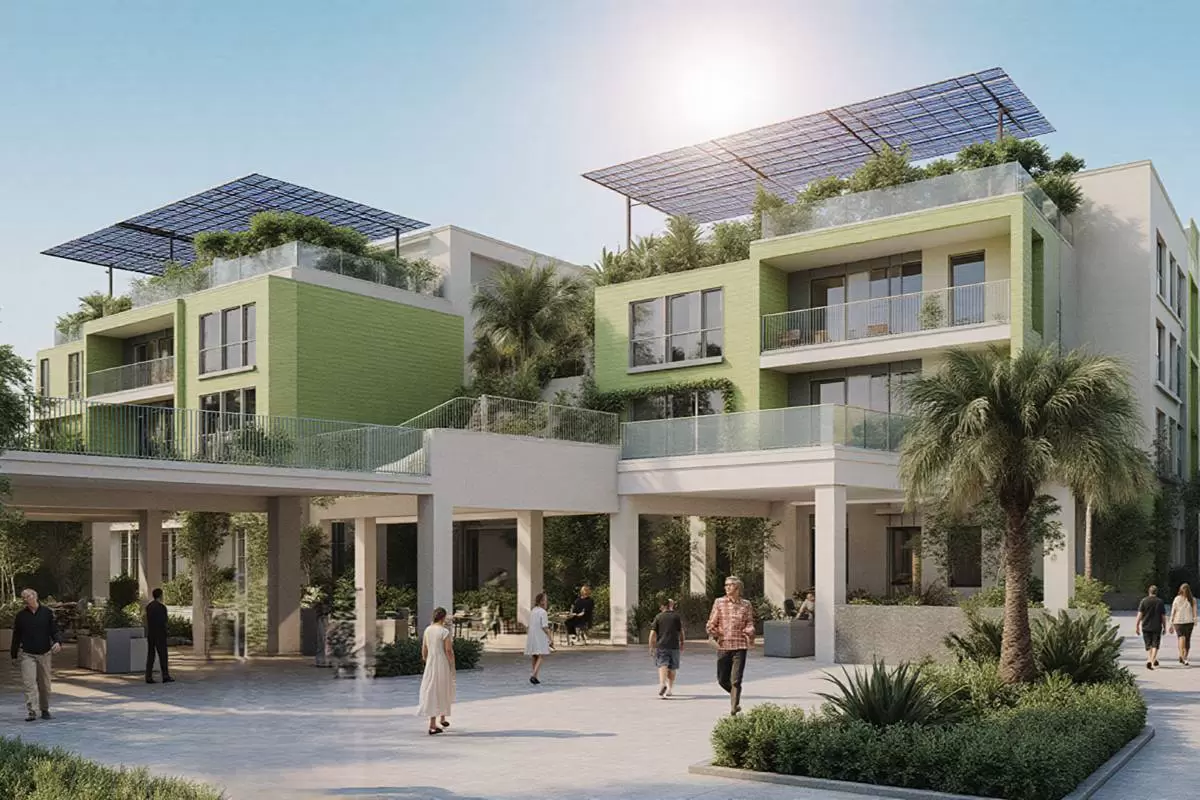
Redevelopment also offers a platform for innovative design. Modernized condominiums can integrate smart systems, energy-efficient facades, and community-oriented amenities. This evolution of design philosophies in high-rise living has long shaped how architects address density, privacy, and communal life in urban environments, reflecting patterns explored in Philippine condominium design evolution and controversies. A holistic condominium redevelopment Philippines approach views reconstruction not as replacement but as reinvention, bridging contemporary living standards with the cultural and environmental context of the Philippines.
What Can the Philippines Learn from Asian Neighbors?
Regional precedents provide strong models for the Philippines. Japan’s Act on Facilitation of Reconstruction of Condominiums, enacted in 2002, enables rebuilding with approval from at least 80 percent of owners, leading to more than 400 condominium reconstruction projects completed nationwide by 2023, especially in Tokyo and Osaka, where half of the existing buildings are over 40 years old. Singapore’s en bloc redevelopment system, governed by the Land Titles (Strata) Act, requires 80 to 90 percent of owner consent depending on building age, and between 1995 and 2020, over 170 collective sale projects were recorded, helping renew older housing estates like Farrer Court and Pearl Bank Apartments while maintaining market confidence through explicit compensation formulas.
South Korea’s urban renewal initiatives demonstrate the coordinated redevelopment’s economic and social impact. The Urban Renewal Promotion Act supports mixed public–private partnerships in Seoul and Busan, where government incentives, infrastructure grants, and tenant rehousing guarantees have spurred thousands of new housing units each year. These initiatives show how transparent governance, equitable valuation, and strong financing mechanisms can transform aging districts into resilient, high-density neighborhoods. These cases reveal that when legal frameworks guarantee fairness, accountability, and reinvestment in community infrastructure, redevelopment flourishes as a social and economic engine that sustains long-term urban vitality.
What Is Brownfield Redevelopment and Why Does It Matter?
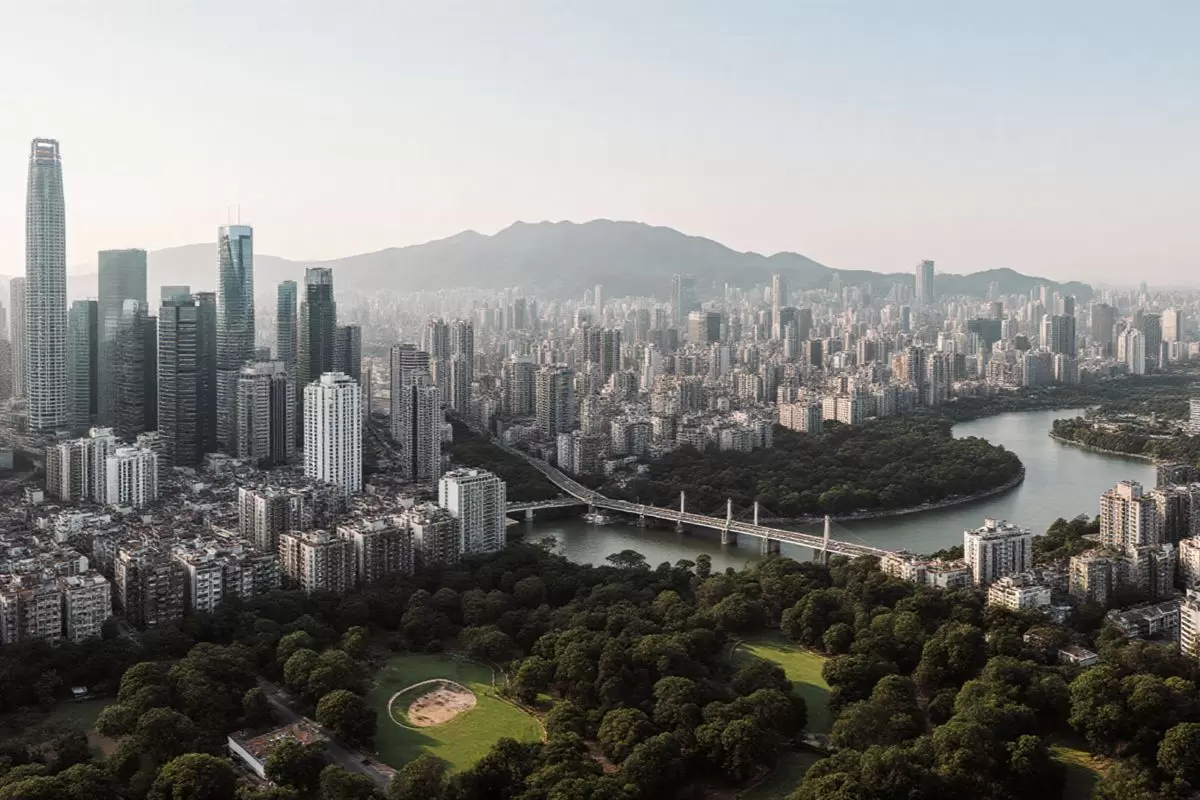
In urban development terminology, a brownfield refers to previously developed land. These are often former industrial, commercial, or residential areas that are now underused, abandoned, or environmentally challenged but still viable for redevelopment. Understanding this concept is essential for interpreting how Philippine cities can transform existing built environments into modern, sustainable districts.
The new policy direction also widens the definition of brownfield redevelopment in Philippine cities. Rather than focusing solely on derelict industrial zones, the reform targets underperforming residential buildings as redevelopment assets. This strategy minimizes environmental disruption and optimizes existing utilities and infrastructure.
Such an approach aligns with circular urbanism principles. Reinvesting in built environments to create adaptive, low-carbon communities. The framework encourages the reuse of foundations, utilities, and transit corridors instead of demolishing and rebuilding from scratch. It also promotes the recovery of underused public spaces and integration of green infrastructure such as permeable landscapes, rainwater harvesting, and renewable energy systems. This layered perspective on redevelopment reduces embodied carbon and supports compliance with the Philippine Green Building Code (2015), which remains the official standard while a 2024 revision remains under public consultation.
For investors, this means shifting portfolios toward urban infill projects that combine environmental responsibility with financial viability. Projects that redevelop existing condominium parcels require less infrastructure outlay, deliver quicker returns, and benefit from established market demand. The result is a balance between sustainability and profitability, advancing urban resilience and long-term investment security.
How Do Landowners and Investors Collaborate in Redevelopment?
Joint ventures are emerging as the preferred mechanism for redevelopment. Unit owners can pool property rights as equity contributions, while developers provide funding and expertise. Architects and planners act as integrators, ensuring spatial quality complements financial returns. Early-stage feasibility studies and market analysis are critical for aligning project scope with regulatory and market realities.
Successful condominium redevelopment ventures in the Philippines will rely on transparent governance structures, clear timelines, and equitable profit distribution. As the law matures, it will likely give rise to specialized redevelopment funds and public–private partnerships dedicated to urban renewal.
What Is the Outlook for Philippine Real Estate?
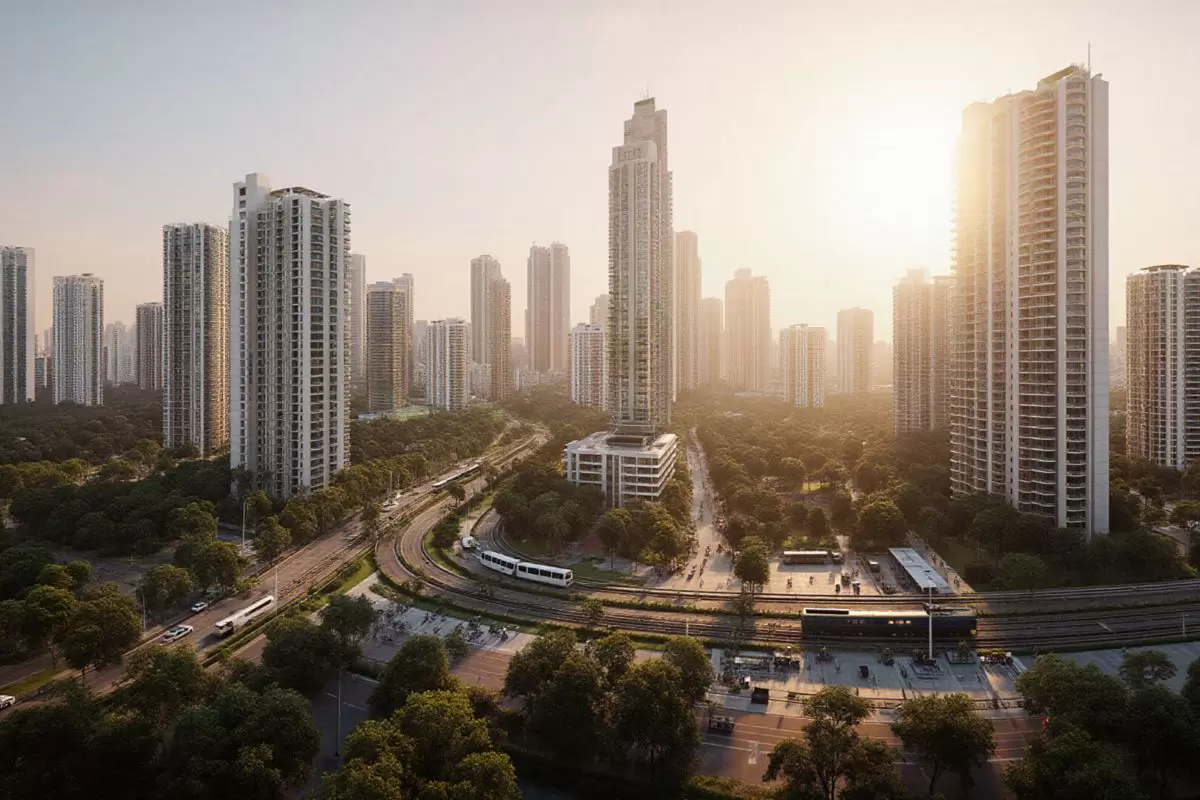
If enacted, the Condominium Redevelopment Act and related measures could usher in a transformative decade for the real estate sector. Neighborhoods in Quezon City, Mandaluyong, and Pasay where mid-century condominiums dominate are poised to become focal points for redevelopment. Similar potential exists in Cebu IT Park and Davao’s business districts, where early vertical communities face structural obsolescence.
This reform positions the Philippines alongside mature Asian economies in addressing urban aging. It creates a policy environment that supports sustainable growth, investor confidence, and design innovation. The condominium redevelopment Philippines initiative signifies a national shift toward responsible renewal, linking legal modernization with architectural excellence and long-term resilience.

Leave a Reply