


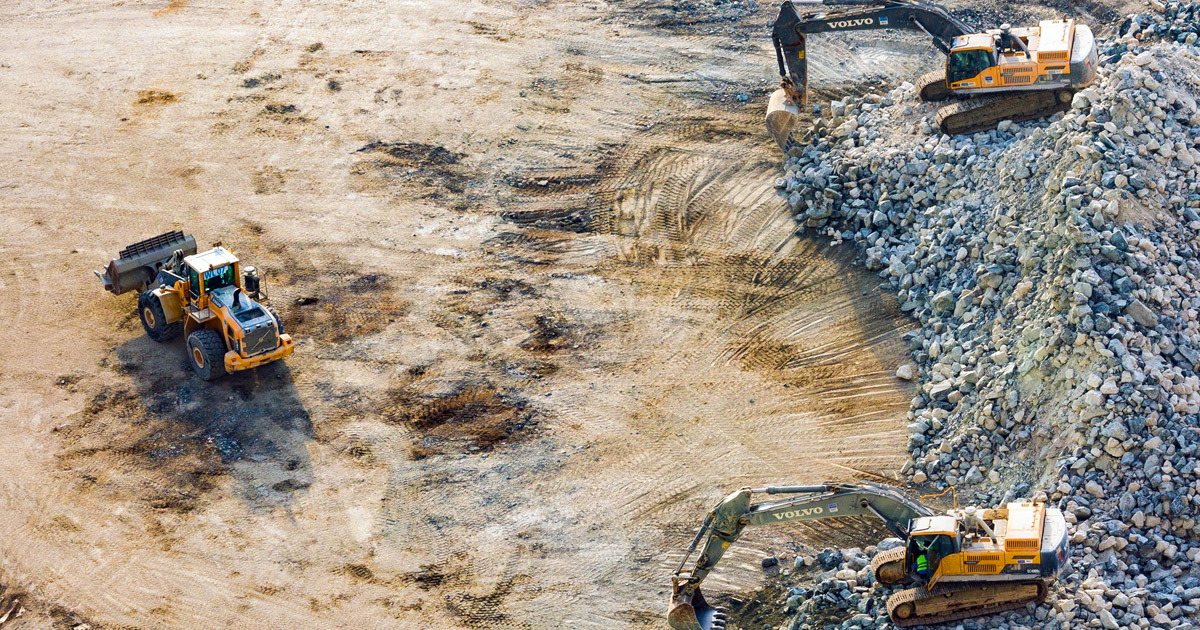
The tremendous growth of the building and construction industry in the Philippines is a primary factor in national development. However, along with the advancement of construction projects comes the unavoidable environmental impact. To regulate the hazardous environmental effects of construction methods, materials, and operations, the Department of Environment and Natural Resources (DENR) issues specific documents certifying a project’s risks to the immediate environment or lack thereof. The DENR has a number of requirements that need to be fulfilled in order to obtain an ECC, CNC, LLDA clearance, or other environmental clearance. Among them is the Certificate of Non-Coverage, abbreviated CNC.
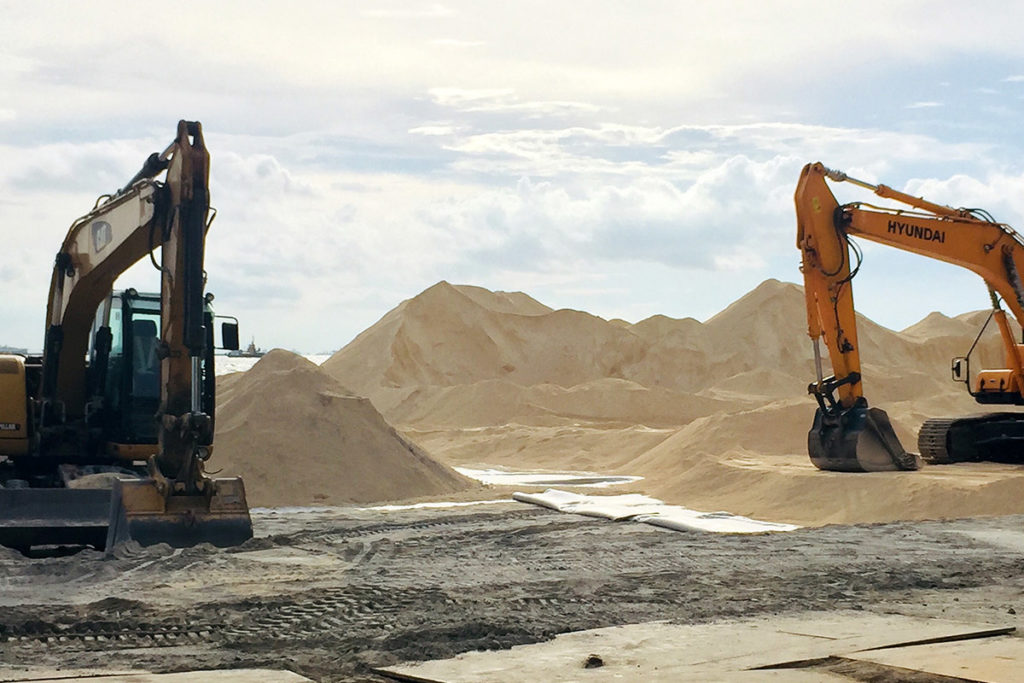
For instance, the classification of the recent revitalization project of dolomite sand modification of Manila Bay is considered an “enhancement” project, falling under Category C. The scope of Category C projects is limited to those that improve the environment’s quality or that directly address current environmental problems. The dolomite beach nourishment project was then granted a Certificate of Non-Coverage (CNC), thereby exempting it from the Philippine Environmental Impact Statement System.
What Is A Certificate Of Non-Coverage From DENR?
The Certificate of Non-Coverage or CNC is a document issued by the DENR’s Environmental Management Bureau (EMB) that exempts a project from obtaining an Environmental Clearance Certificate (ECC). The certification serves as evidence of the absence of any environmental threat during the project’s implementation. Thus, the issuance of CNC rather than ECC indicates that a project is not subject to the Philippine Environmental Impact Statement (EIS) system, implying the absence of any environmental risk.
What Projects Shall Apply For Certificate Of Non-Coverage?
Certificate Of Non-Coverage applicants may include Category D projects that are not required to submit an ECC application. According to the DENR’s Screening Guidelines, Category D projects are unlikely to have significant adverse environmental impacts. However, the absence of an ECC does not exempt these projects from complying with other government permitting requirements and applicable environmental laws.
How To Obtain A CNC from DENR?
All CNC applications for Category D projects involving one hectare of land development or less and did not receive any issuance of ECC should follow the processes outlined below.
- Log in to the Environmental Management Bureau’s (EMB) official website – Environmental Impact Assessment (EIA) to see if a proposed project falls under Category D. Take the first step by verifying the coverage of your project at the EMB EIA CNC Online Application System.
- If a project does not include the development of a single hectare of land and is free from ECC issuance, proponents must obtain and submit an online Pro-forma Project Description (PD).
- After submitting the PD, the system will provide proponents with an Order of Payment and accompanying instructions at any Landbank branch.
- Once the application has processed payment, submit the tracking numbers, bank transaction sequence numbers, and the Landbank branch where the payment was made, together with a scanned copy of the applicant’s government-issued identification and the bank transaction slip.
- The CNC can be purchased and printed online following payment validation and the EMB’s project details.
Important note: Environmental enhancement projects completed before 1982 may apply for CNC through their regional offices having jurisdiction over the project’s site.
How Long Will The Application Process Take?
The applicant can download approved CNCs from the EMB-EIA website, or applicants can receive their Certified True Copies from the EMB-EIA Central Office after seven (7) working days. It would be best to track the status of CNC applications continuously.
Other Recommendations To Remember
While managing the majority of the application procedure for Certificate Of Non-Coverage is done online, it may be wise to remember the following recommendations before going through the process:
- Since applicants cannot modify any information supplied, it is critical to double-check applications.
- Secure a scanned copy of the Project Plan with project description, project layout, and vicinity map.
- Assure that all files provided are in PDF format and do not exceed 5 MB in size.
- Applicants must make payments within five days of the submission. Otherwise, proponents must reapply. Applicants may pay using their OnCall payment slips at any Landbank branch.
- Prepare two printed copies of the Order of Payment.
The Importance Of Certificate Of Non-Coverage From DENR
Any project outside of the EIS system may apply for a Certificate Of Non-Coverage. On the other hand, securing a Certificate Of Non-Coverage from DENR is optional. Certain businesses still seek certification for compliance purposes, such as ISO standard certification.
By 2030, researchers predict an 85 percent growth in volume in the building industry alone. While this growth indicates more commercial and national infrastructure development, it can also mean increased environmental concerns in the building and construction industry. Identifying the ecological implications of these construction projects with the Environmental Clearance Certificate and Certificate of Non-Coverage is necessary for a more environmentally friendly implementation process.


Leave a Reply to Ar Cancel reply