


The demand for resilient investment returns is reshaping how stakeholders approach real estate yield structures in the Philippines. Developers, landowners, and capital investors must adapt to a maturing market marked by urban saturation, evolving end-user behavior, and policy shifts. The challenge no longer revolves around simply building and selling. Strategic players now examine how income flows evolve across various asset types and identify the configurations that unlock value throughout the entire asset cycle. Residential and hospitality developments reflect two distinct yield structures that carry different commitments, exposures, and long-term strategies.
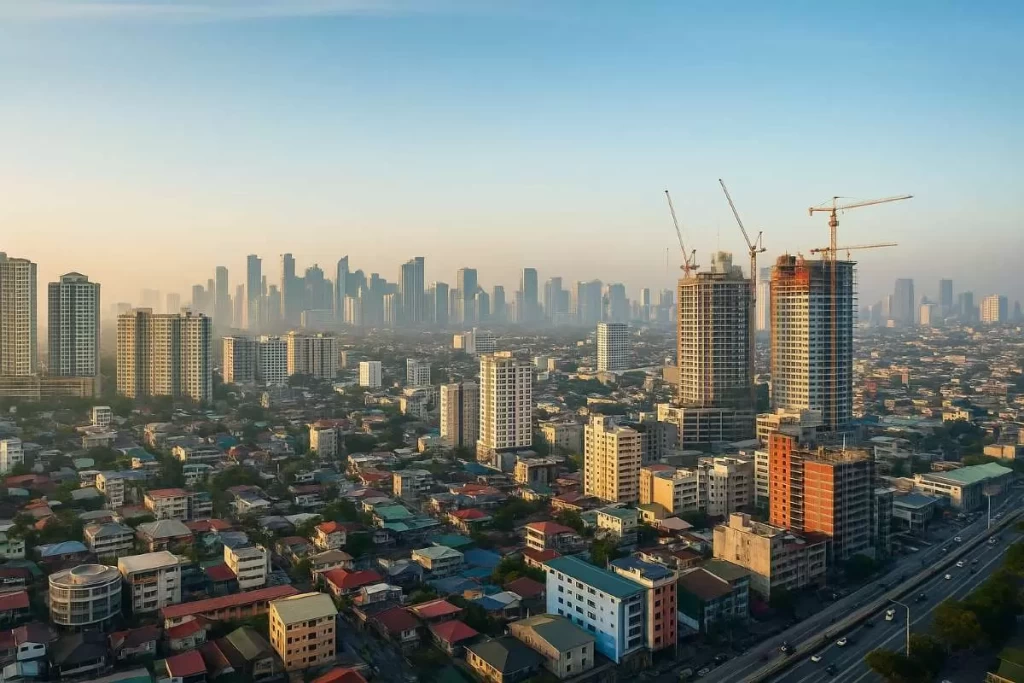
How Yield Structures Work In The Philippine Real Estate Landscape
The architecture of yield in real estate rests on cash inflows relative to investment outflows. In the Philippine context, gross yields typically refer to annual rental income divided by asset acquisition or development cost. Net yields account for operating expenses, maintenance, and vacancy factors. For institutional players, cap rates reflect broader market assumptions about risk and time-weighted value.
For example, consider a residential unit in Metro Manila acquired for PHP 6 million. If the annual rental income amounts to PHP 300,000, the gross yield is 5 percent. After deducting PHP 60,000 for maintenance, association dues, and vacancy adjustments, the net annual income becomes PHP 240,000. This results in a net yield of 4 percent. By contrast, a hospitality unit of the same value, earning PHP 600,000 annually from nightly stays, with total annual expenses of PHP 240,000, would result in a gross yield of 10% and a net yield of 6%.

Real estate yield structures in the Philippines show a notable variance between residential and hospitality assets. Metro Manila residential units yield a gross return of 4-6 percent, according to Colliers Philippines (as of Q1 2024). In contrast, hospitality assets such as condotels and serviced residences may achieve gross returns of 10 to 12 percent, especially in key tourism hubs like Cebu, Tagaytay, or Baguio. These returns fluctuate widely depending on seasonality, brand affiliation, and operating performance.
Why Residential Remains A Popular Entry Point
Residential development appeals to a broad spectrum of local investors and landowners because of its predictability. It follows a build-and-exit model, where income is derived from unit sellouts, often completed during preselling. This setup reduces exposure to long-term operations and minimizes asset management obligations.
Over 220,000 residential building permits were issued across the Philippines in 2023, as reported by the Philippine Statistics Authority. This report remains the most recent officially published data as of mid-2024. Much of this activity remains centered in metropolitan fringes, provincial capitals, and transport-connected corridors. This typology allows capital recovery within a shorter horizon, typically within four to six years, through staged turnover or bulk sales.
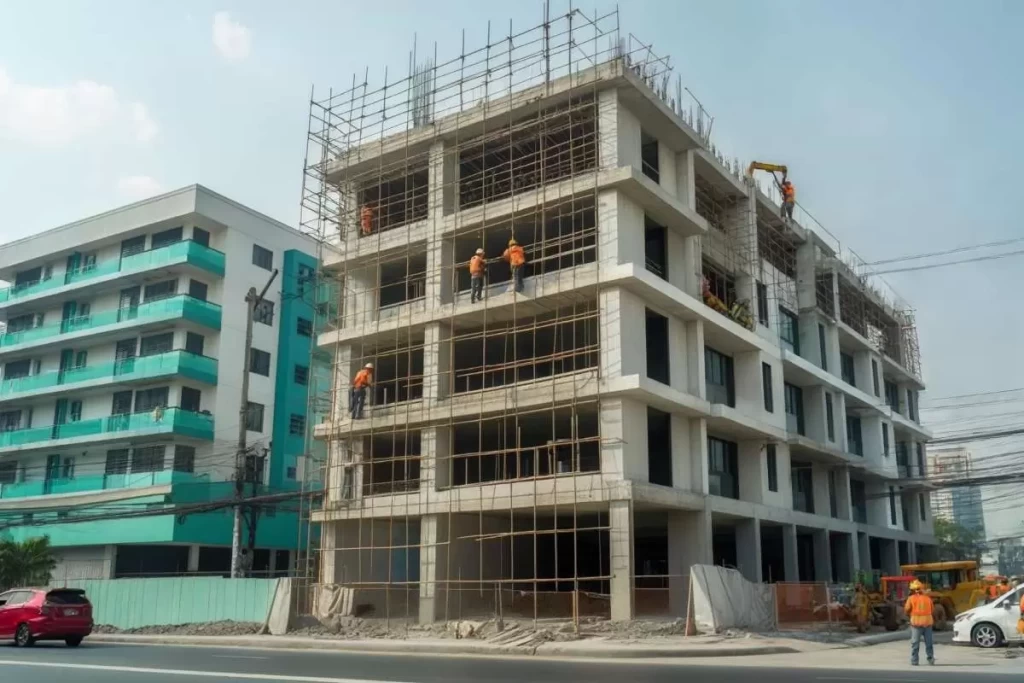
Lenders also prefer residential development for its straightforward cash flow projections and established mortgage mechanisms. For landowners, joint venture structures in residential projects often include fixed share revenue, or equity splits tied to unit sales. The short holding periods reduce exposure to market dips or inflationary cost overruns.
Rethinking Hospitality For Long-Tail Earnings
The hospitality model shifts the return profile into long-term recurring income. Revenue is generated from transient leasing, typically on a nightly or monthly basis. This format requires sophisticated operating models, adequate cost controls, and optimized occupancy strategies.
In 2024, Leechiu Property Consultants recorded condotel and serviced apartment yields ranging from 6% to 12%, significantly higher than those of traditional residential rentals. However, these returns hinge on robust tourism traffic and professional management. The tourism industry in the Philippines, which contributed PHP 2.09 trillion to GDP in 2023 (Philippine News Agency), continues to support this model in key leisure cities.
Hospitality development typically requires higher capital outlay per square meter due to amenity, FF&E (furniture, fixture, and equipment) requirements, and back-of-house facilities. Operating margins also vary with staffing efficiency, OTA (Online Travel Agency) commissions, and maintenance regimes. For investors seeking annuity-type income and future repositioning value, this model creates a platform for asset-backed wealth.

Capital Intensity And The Path To ROI
Residential assets tend to cycle through the market more quickly. Developers typically recover capital within the first half of the decade, allowing reinvestment into new sites. With proper preselling velocity and construction management, developers can match turnover schedules with cash flow expectations.
Hospitality, by contrast, typically takes seven to ten years to reach breakeven. Yet its tail-end benefits include income compounding, asset appreciation, and control over future adaptive uses. Operators can optimize rates during peak seasons and apply dynamic pricing, especially in areas with limited competition.
A comparative analysis reveals that while residential projects favor quick exits, hospitality assets behave more like operational businesses. They need asset management teams, brand partnerships, and performance benchmarks. Capital is tied up for a more extended period, but can unlock a higher terminal value.
Asset Control And Strategic Ownership Paths
The ownership strategy has a significant impact on yield outcomes. Developers typically subdivide and sell residential developments, which shifts the burden of asset management to individual owners. This division limits the ability to reposition the property as a unified product in the future.
Hospitality-driven developments, especially those held under a single corporate title or operated through a condominium hotel (condotel) structure, allow for complete control. Investors may refinance against stable operating income or convert assets into real estate investment trust (REIT) offerings.

Furthermore, hospitality properties offer generational value potential. A hotel or branded residence can continue producing income for decades with the right refresh cycles and market positioning. These properties can remain under single-title ownership, allowing investors to maintain control over the entire asset and adapt its use over time. They can refinance based on operating performance, reposition the brand to meet evolving market demands, or inject the asset into REIT structures to unlock liquidity while retaining the upside. This offer creates a dynamic investment tool that compounds income and enhances asset appreciation across generations. For landowners, it supports a long-hold legacy strategy, offering sustained financial returns while preserving influence over property use and stewardship.
Hybrid Structures And Emerging Real Estate Yield Structures In The Philippines
The line between hospitality and residential is starting to blur. Developers are now testing hybrid formats that include residences with hospitality services. Examples include branded residences, co-living spaces, or flexible leaseback units.
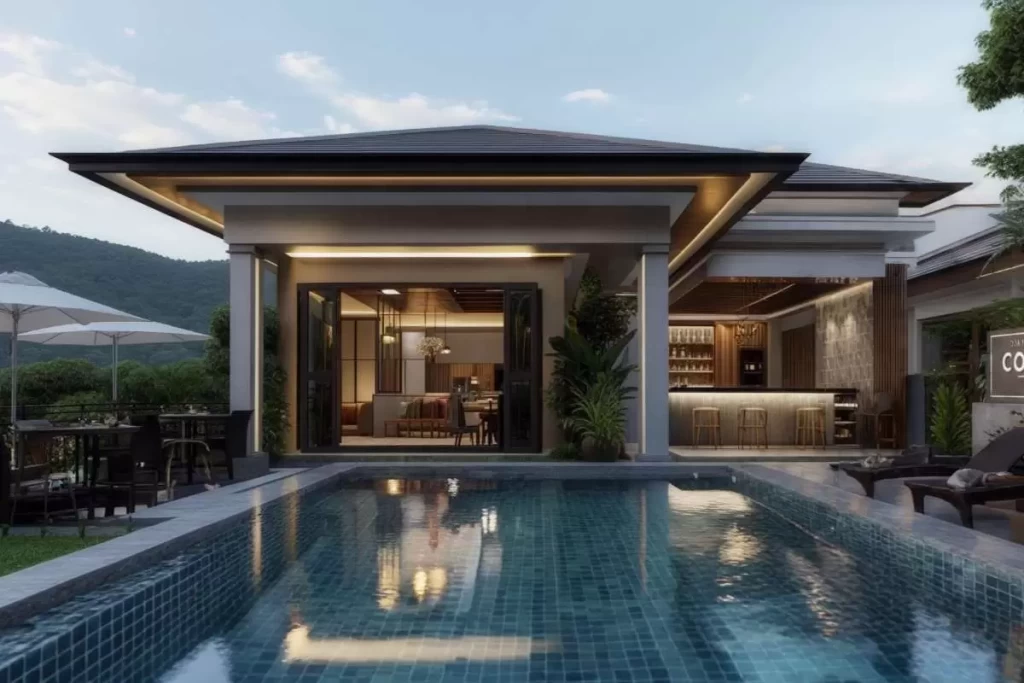
Savills’ Global Branded Residences Report 2023 reveals that the Asia Pacific region is leading in such developments. In Makati and Tagaytay, branded residences have gained traction for their elevated service offerings and value retention. These projects attract both end-users and investors who want hotel-grade living without the operational complexity.
Another innovation involves structuring developments into phases. A landowner may agree to a joint venture where one phase is sold for residential use while another phase remains under hospitality operations. This approach offers liquidity on one side and recurring income on the other, aligning diverse investor profiles.
Designing Yield Strategies For The Next Generation Of Assets
Real estate yield structures in the Philippines will continue to evolve as investor maturity deepens and asset use demands shift. Residential remains an efficient model for capital turnover, while hospitality opens compounding value opportunities. The most forward-looking ventures will orchestrate both. They will design with flexibility in mind, integrate mixed-use logic, and anchor each development on its adaptive potential over time.

Leave a Reply