


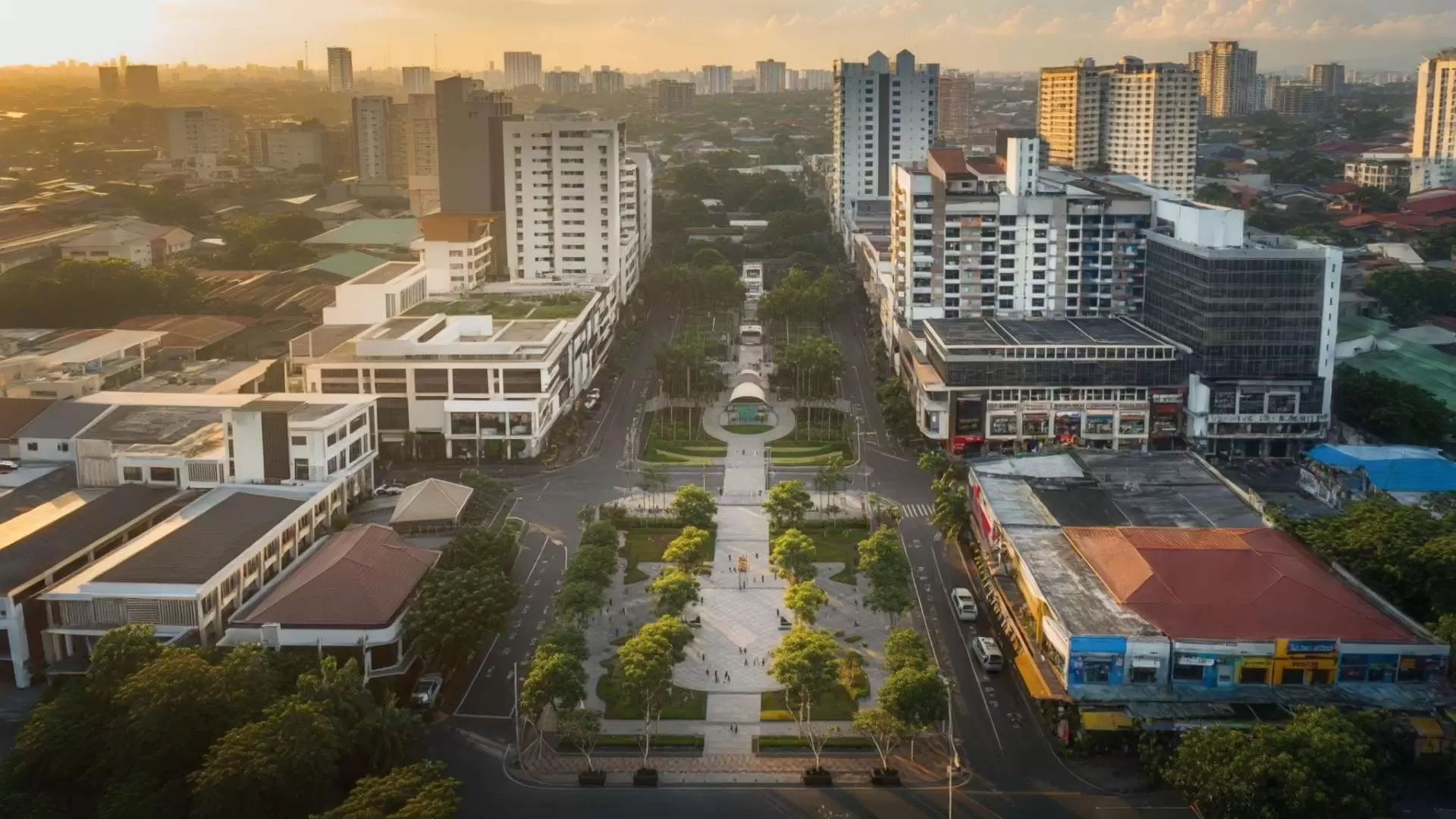
In the face of rising land scarcity, rapid urbanization, and mounting demands on infrastructure, the role of architectural planning in shaping the best value for land has become more indispensable than ever. Cities can no longer afford to sprawl without consequence, nor can rural communities rely solely on outdated zoning concepts. As cities face increasing pressure to accommodate growing populations, businesses, and institutions within more compact environments, architects and planners actively address real estate value, social cohesion, and environmental balance. In this context, maximizing land use is a fundamental strategy for shaping a future urban life that is dense, vibrant, sustainable, and enjoyable.
Architectural planning determines how land performs, adapts, and contributes to broader economic and civic ecosystems. This includes decisions on massing, circulation, land classifications, and integrating multiple uses, which can affect how people live and interact with their surroundings. The most compelling developments are those where land use is efficient and meaningful. They anticipate growth, stimulate community, and resolve spatial conflict with clarity. At its best, architectural planning produces higher yields and better cities.
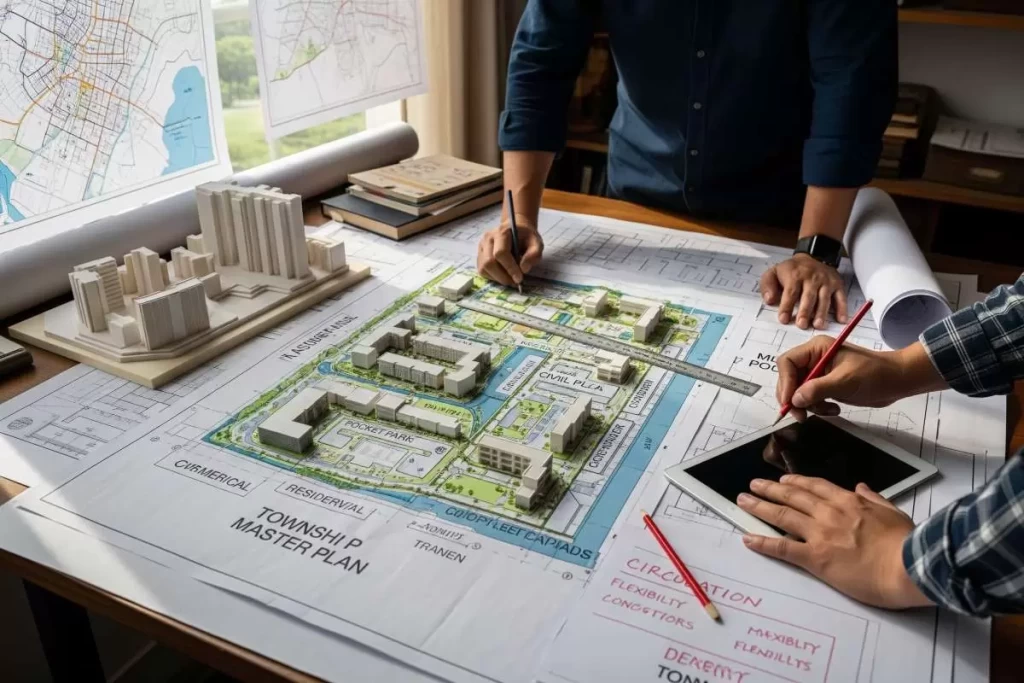
Unlocking the True Value of Land through Design Logic
Raw land holds potential, but only architectural planning has the tools to extract and refine that potential. Without vision and structure, a parcel remains limited by its basic dimensions. Architects engaging with a site unlock opportunities hidden within topography, access routes, soil conditions, and adjacent land uses. The process involves far more than drawing up building footprints. It includes orchestrating the movement of people, optimizing access and exposure, and determining where spaces should compress or expand. These decisions raise the land’s performance, turning a static asset into a responsive, income-generating environment. Value grows through precision that aligns design with the program’s ambition while navigating spatial, environmental, and financial constraints. Good planning reconciles all three.
Maximizing Land Use Density Without Congestion
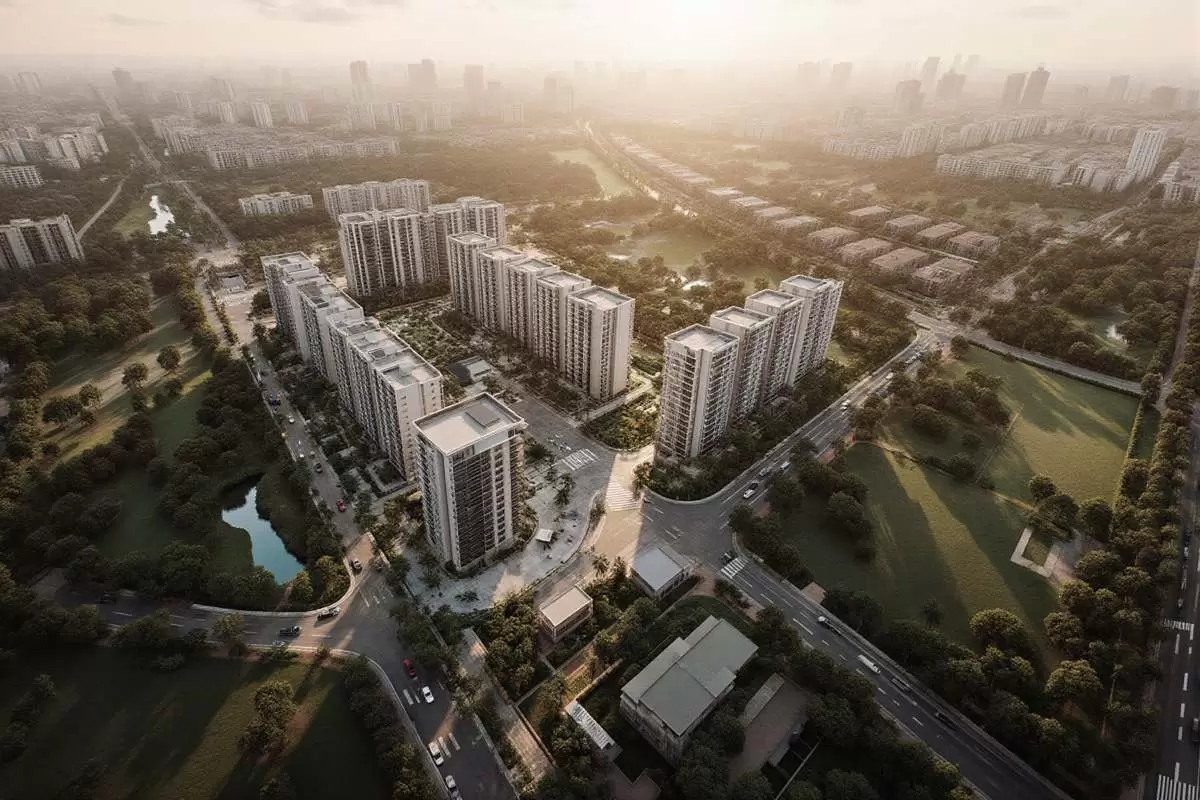
One of the primary challenges in urban development is managing density while preserving livability. Architectural planning allows a site to absorb extensive functions while maintaining coherence and comfort. Beyond floor area ratios, thoughtful design introduces stacked amenities, layered buffers, and hierarchical circulation systems. A development designed for a thousand residents can still offer openness, provided its public spaces breathe, its units flow intelligently, and its services run with minimal friction. These spatial strategies expand capacity while safeguarding quality of life, contributing directly to maximizing land use in dense and evolving urban environments. Successful examples blend horizontal and vertical logic to create multi-tiered neighborhoods, where interaction feels organic and circulation remains effortless.
Shaping Human Behavior Through Spatial Logic
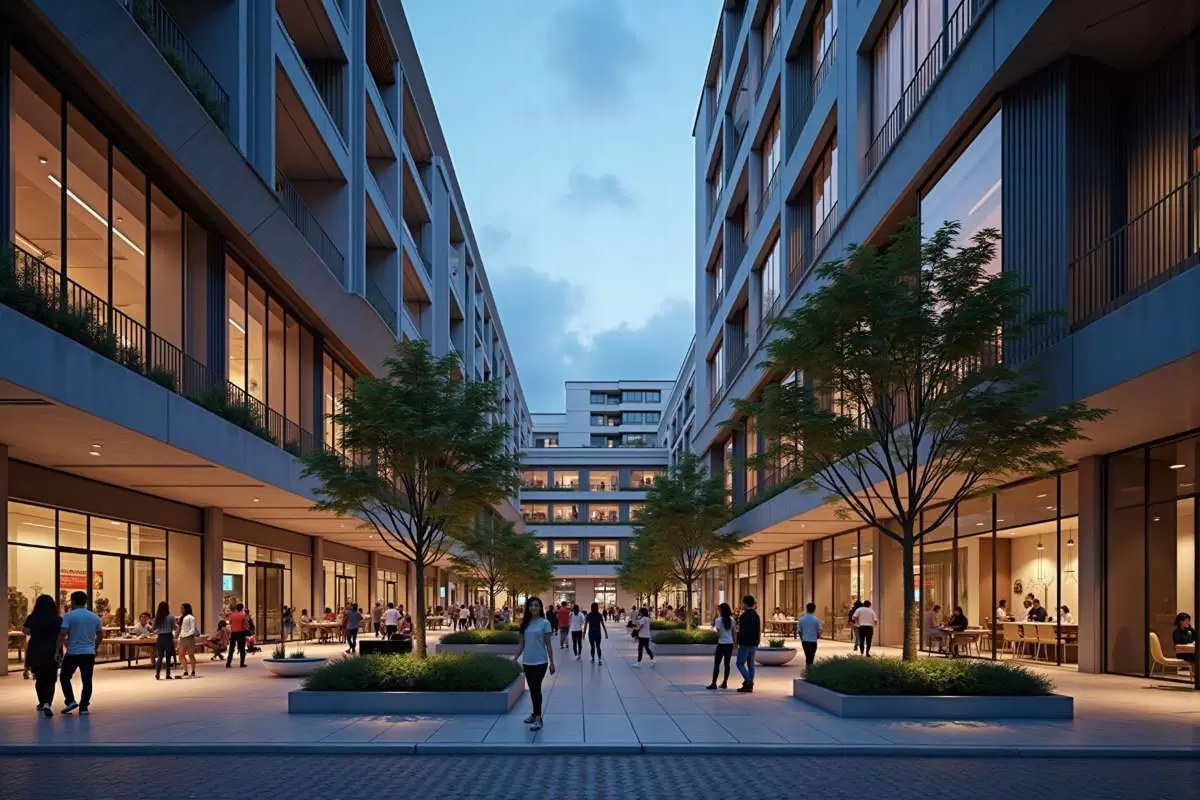
Space shapes perception through experience and interpretation. Architectural planning shapes behavior through pathways, sightlines, and spatial progression. A well-planned site influences how users move, where they dwell, and how they engage. This logic removes redundancies and amplifies intuitive use, from entry points to shared zones. When spaces transform across time and serve layered functions, they contribute significantly to maximizing land use by activating zones through multiple cycles of the day. These outcomes stem from disciplined intent. Planning for diverse behaviors ensures environments support generational shifts, daily rhythms, and communal identities. Infrastructure transforms into a system that promotes everyday living.
The Power of Grid, Orientation, and Parcelling
A site’s potential hinges on the invisible order set before any structure rises. Plot configurations, solar access, and proportion influence design viability from the outset. For architects, these factors form the framework that governs development logic. Linear parcels may suggest axial layouts, while expansive frontages allow shared inner courts or multi-core structures. Solar orientation guides the placement of courtyards, vertical greens, and transitional spaces. Infrastructure overlays inform structural loads, drainage logic, and underground service plans. Early precision in these layers enables the land to sustain broader programming without conflict. A well-oriented and tactically parceled solid grid sets the stage for sustainable intensity.
Mixed-Use Synergies and Spatial Crossovers
Traditional zoning isolates function. Strategic planning unites it. Mixed-use schemes allow residential, commercial, and institutional components to cohabit without spatial compromise. A basement might concurrently support parking, utilities, and storage. A podium can accommodate daily commerce and evening recreation, and when time and function blend, space becomes more than static allocation. Architectural design arranges these overlaps into harmonious layers, where each user finds rhythm without interrupting the others. Social energy increases when uses intersect fluidly, turning buildings into interconnected systems of community activity.
Vertical Integration in Maximizing Land Use
When designed intentionally, high-rise development replicates the vitality of ground-level experiences across elevations. A sky bridge becomes a pedestrian lane. A rooftop evolves into a destination. A podium transforms into an urban node. These interventions ensure upper levels carry as much activation and accessibility as the street below. The key lies in continuous systems such as vertical circulation, mechanical support, and sensory orientation. These elements preserve usability across all levels. In dense urban conditions, vertical integration extends perceived land area, allowing entire communities to live, work, and gather across levels without losing coherence.
Resilience, Flexibility, and Long-Term Land Yield
Designs that evolve gracefully over time preserve relevance and extend the economic life of developments. With modular systems, adaptable floorplates, and reprogrammable infrastructure, architectural planning anticipates shifts in use, technological advancement, and regulatory adjustments. A site initially designed for co-working can later serve educational, hospitality, or wellness functions without major structural revisions. This kind of planning absorbs urban transitions with resilience, creating spaces that remain useful, desirable, and profitable.
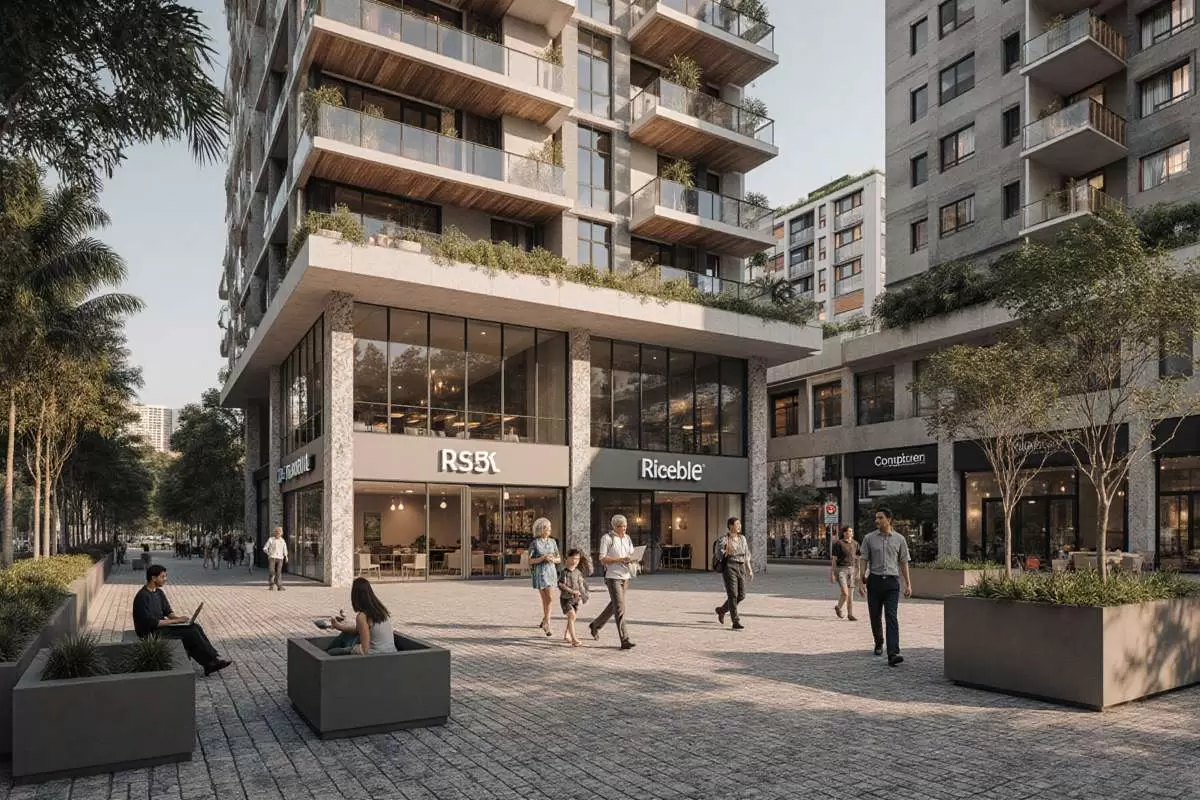
Flexibility enhances land performance by allowing developers to avoid restrictions tied to static functions in their investments. As communities grow and their needs evolve, sites with built-in adaptability remain relevant and embedded within the urban ecosystem. In regions undergoing rapid growth, this capacity to accommodate change becomes essential. It guards against obsolescence, supports long-term occupancy, and sustains property value across unpredictable cycles. Architectural foresight in this area secures capital and strengthens the place’s social and spatial continuity.
Local Constraints as Creative Fuel
Constraints often prompt the most resourceful solutions. Setbacks, zoning rules, height limits, and easement lines sharpen rather than suppress design thinking. A narrow parcel inspires vertical interlocks. An irregular boundary leads to dynamic layouts. Regulatory buffers can evolve into shared greens, micro-plazas, or urban trails. When approached with creativity, rules become opportunities for precision. They promote deeper engagement with site features and social dynamics, urging architects to design form and function from aspects that often seem unmanageable. When challenges invite detailed solutions, efficiency thrives, creating additional opportunities to optimize land use even in restrictive conditions.
Case Spotlights on Smart Land Strategies
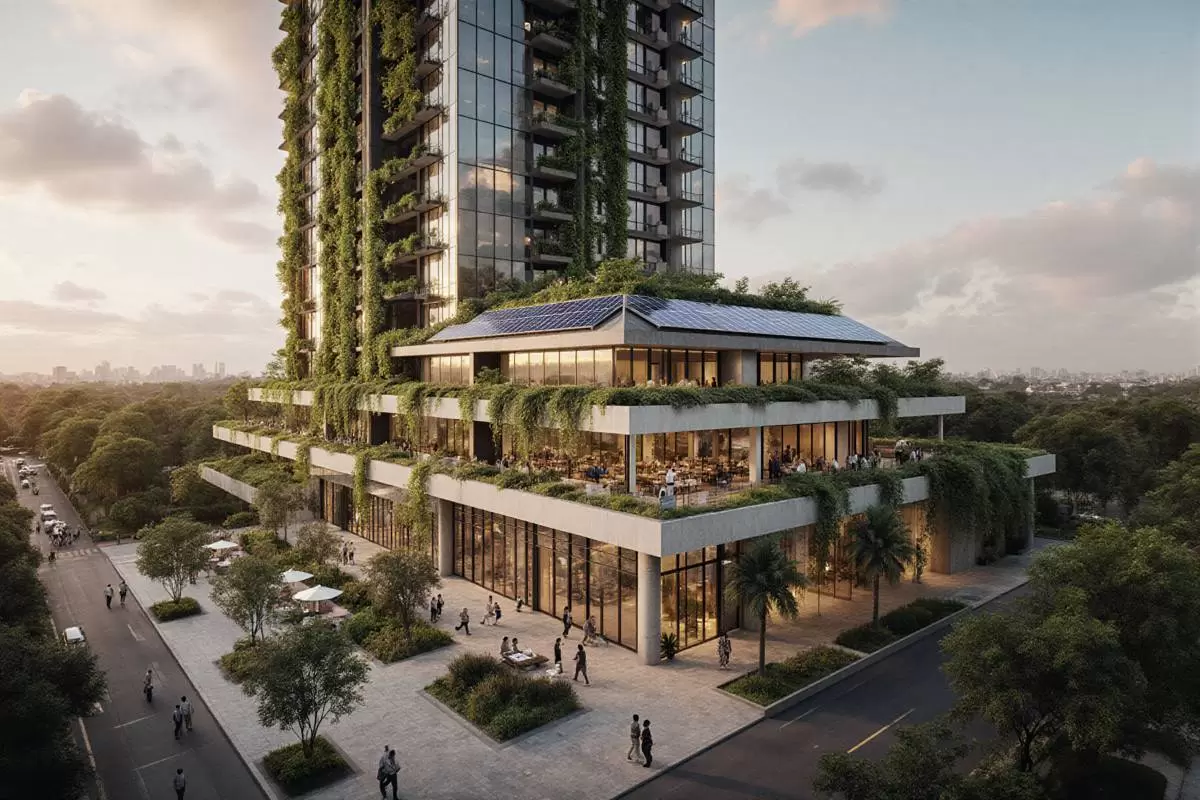
In Bangkok, designers transformed previously unused side setbacks into modular kiosks, enhancing commercial presence and promoting pedestrian movement along the frontage. Tokyo architects transformed irregular corner sites into vertical restaurants with split-level dining areas, tailoring the spatial experience to reflect the eccentricities of their urban fabric. In Makati, compact infill parcels found renewed relevance through vertically layered uses that integrated a coherent program into hospitality, workspaces, and leisure venues. These cases align with principles behind the 15-minute city, where essential functions are integrated within walking distance, reducing reliance on vehicular travel and fostering self-sustaining neighborhoods. Through architectural foresight, even the most constrained parcels become productive, animated environments, reinforcing urban proximity, accessibility, and land efficiency.
Strategic Planning for Maximizing Land Use
Architectural planning orchestrates more than layouts. It defines purpose, rhythm, and adaptation. Long before construction begins, strategic decisions establish how the site communicates with its surroundings and how it evolves. When guided by spatial foresight, a plan multiplies land performance. Every meter gains value through clarity in purpose, sequence, and flexibility. Design ceases to be a cost and emerges as the instrument of transformation, revealing opportunities that remain invisible to reactive development.

Leave a Reply