


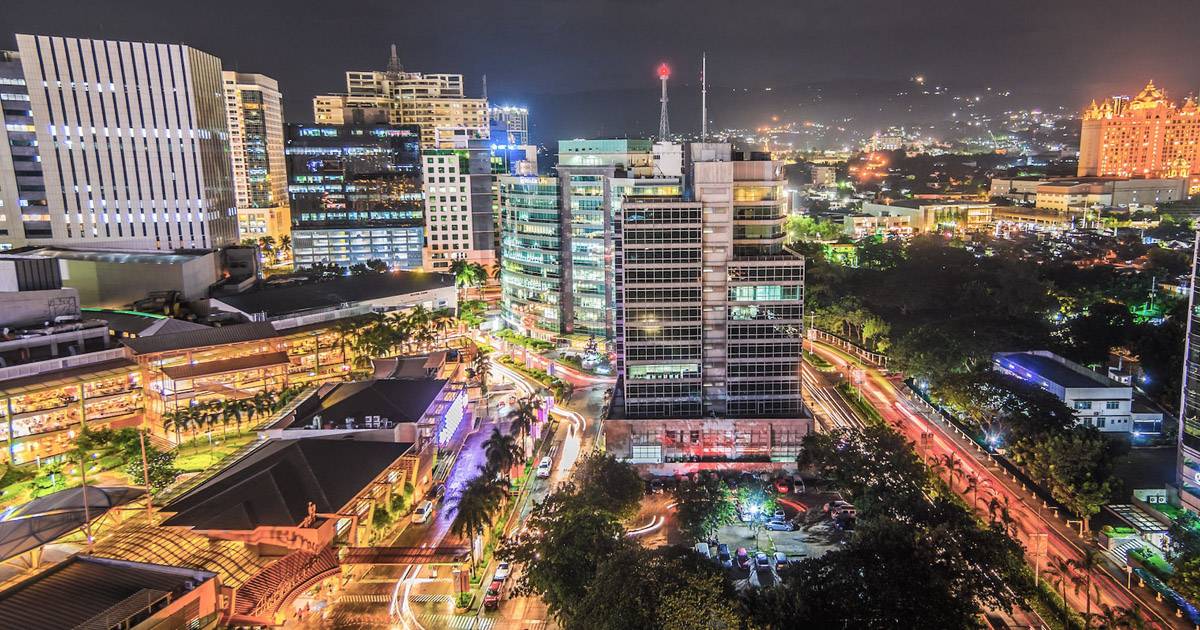
Cebu is becoming one of the most popular places to visit in Asia because it is the Philippines’ second-largest and fastest-growing economic region. The area has beautiful beaches, world-class restaurants, a lively nightlife, and many natural resources. Cebu is where time seems to stand still because there are many ways to learn about other cultures. Many historical sites exist to explore, such as Magellan’s Cross, the Basilica del Santo Nino de Cebu, Fort San Pedro, and the Liberty Shrine on Mactan Island. It is also home to Cebuanos, who are known for their hospitality and warmth. Cebu being named one of the top 50 best islands in the world explains why so many people are flocking to this island, trying to find the perfect work-life balance, urban conveniences, and openness to natural wonders. With this preference for property investors and homebuyers, opportunities for real estate in Cebu have grown in popularity.
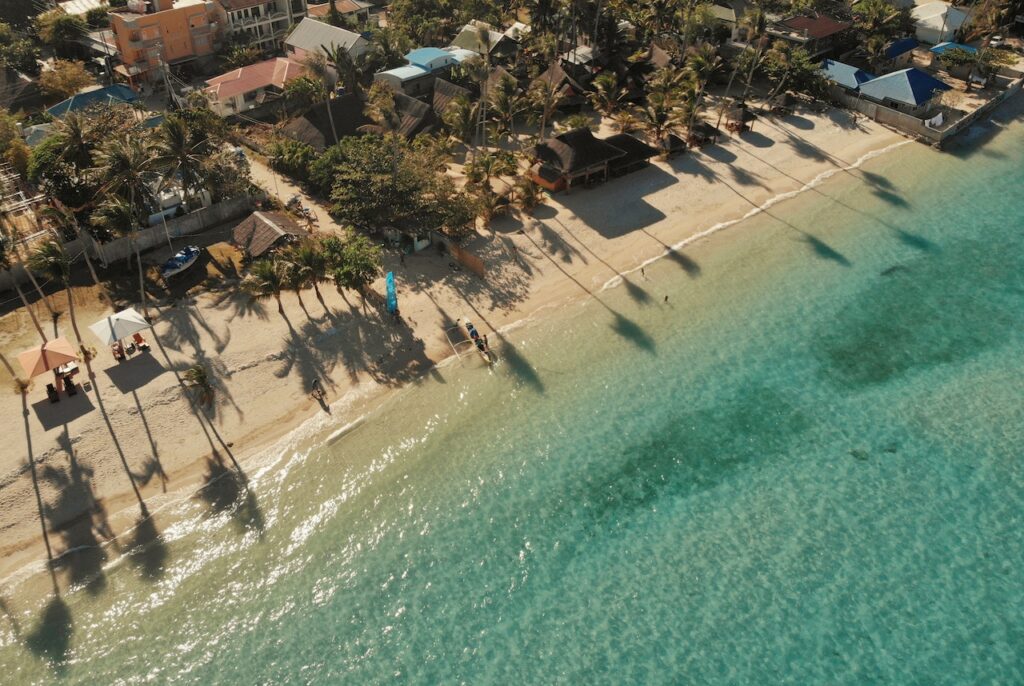
The Queen City of the South
Cebu is at the core of the Philippines, on the island of Visayas. Most inhabitants speak Cebuano, Tagalog, and some English. As a world-renowned metropolis, real estate in Cebu allows easy access to the country’s many beautiful provinces and cities, such as Bohol, Leyte, and Bacolod, popular tourist destinations for locals and visitors from other countries.
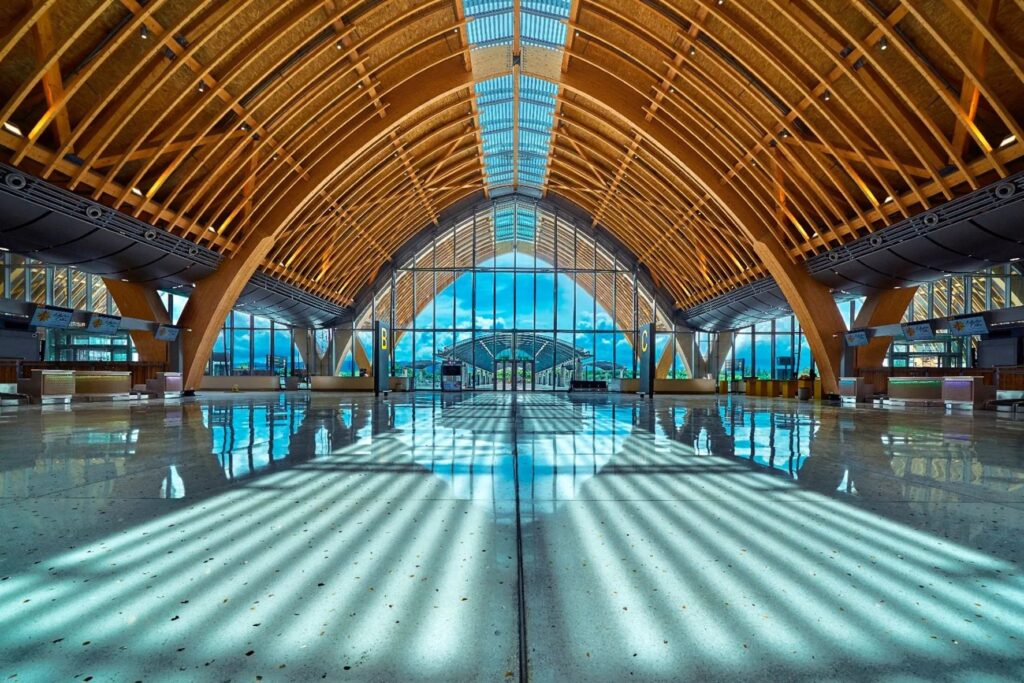
Cebu, known as “The Queen City of the South,” was the first location of Spanish colonization in the country, and it sits at the crossroads of Asian and European trade routes. To accommodate the area’s many million international tourists each year, it is home to Mactan-Cebu International Airport, the Philippines’ second busiest airport. The airport is one of the country’s iconic landmarks and serves a constantly expanding passenger population of tourists and business visitors.
Cebu properties serve as a springboard for meeting new and exciting people. To visit the neighboring provinces, take a ferry or a short drive. Driving to San Fernando takes 40 minutes, crossing to Bohol takes 1 hour and 30 minutes, and reaching Leyte takes 3 hours and 18 minutes. Most visitors take the opportunity of experiencing Cebu Island’s entire splendor.
Real Estate In Cebu With an Increasing population
The first reason investing in real estate in Cebu is a must-do is the continuous population growth, which has reached over 3 million people and is the second-most densely populated city in the Philippines. Unsurprisingly, opportunities are constantly growing and appearing here due to people’s needs, diversity, and demands. With such a dynamic population, future businesses will undoubtedly reach their target margins and thrive.
Impressive economy In IT And BPO
The economy of Cebu has stayed strong, especially in IT (information technology) and BPO (business process outsourcing). Cebu is Southeast Asia’s leading location for BPO services. In fact, according to the most recent (2018) Tholons’ Services Globalization ranking, Cebu City is one of the world’s top 11 outsourcing “super cities.” It outperforms cities such as Tokyo, Singapore, and Seoul in terms of digital technology for outsourcing services.

Furthermore, the growth of BPO multinational firms in Cebu is to blame for this trend, which also explains the increase in demand for office space. According to a 2018 (first quarter) real estate survey in Cebu, over half of its office leases came from BPOs.
Cebu’s tourism sector is vital to the Philippines’ economic recovery. There is no doubt that the retail industry has a high demand to produce and sell more goods and services to locals and visitors, as well as a growing market.
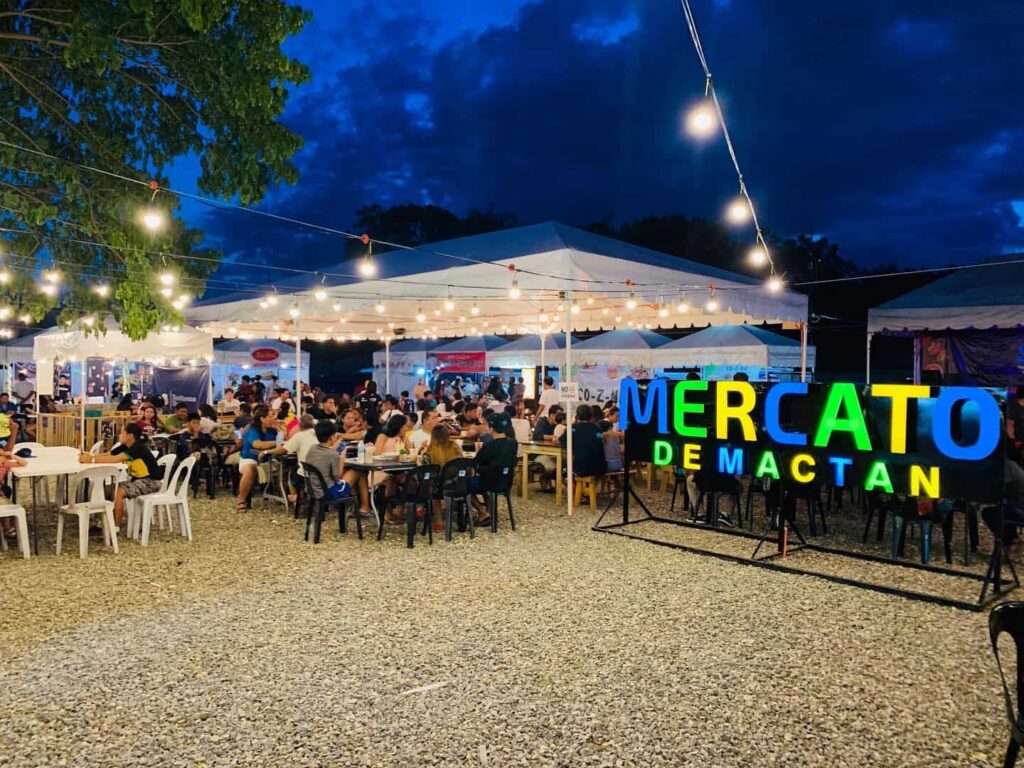
With information technology hubs and business processing offices developing in the area due to Cebu’s rapidly growing tourism and economy, many commercial and recreational areas are also supporting these expansions. Mercato de Mactan, an ultimate night market, is the newest hangout fad in Lapu-Lapu City. It’s an open food market with plenty of space for diners and merchants serving various cuisine and beverages. They also have live musicians to add to the atmosphere.
As more people move to Cebu due to its popularity, the region’s favorable business environment improves as the workforce expands, creating more sales opportunities for real estate in Cebu.
The Filipino Workforce Like No Other
Starting a business in Cebu is advantageous for entrepreneurs looking to expand because of the city’s excellent labor pool. Whether a startup business or a seasoned enterprise, the cities have enough talent and skilled workers to keep the business running.
Filipinos are well-known for providing world-class talent and services. They put their whole heart into all they do. Because of this commitment, global firms worldwide choose Filipino labor above others. Filipinos are highly trainable, multi-talented individuals with outstanding communication skills, empathy, and friendliness.
Cebuanos are highly skilled due to their love for education, with many excellent training programs available. Furthermore, the growing economic opportunities have enticed talented individuals from neighboring regions to reconsider real estate in Cebu.
Real Estate In Cebu Is All About Conveniences And Festivities
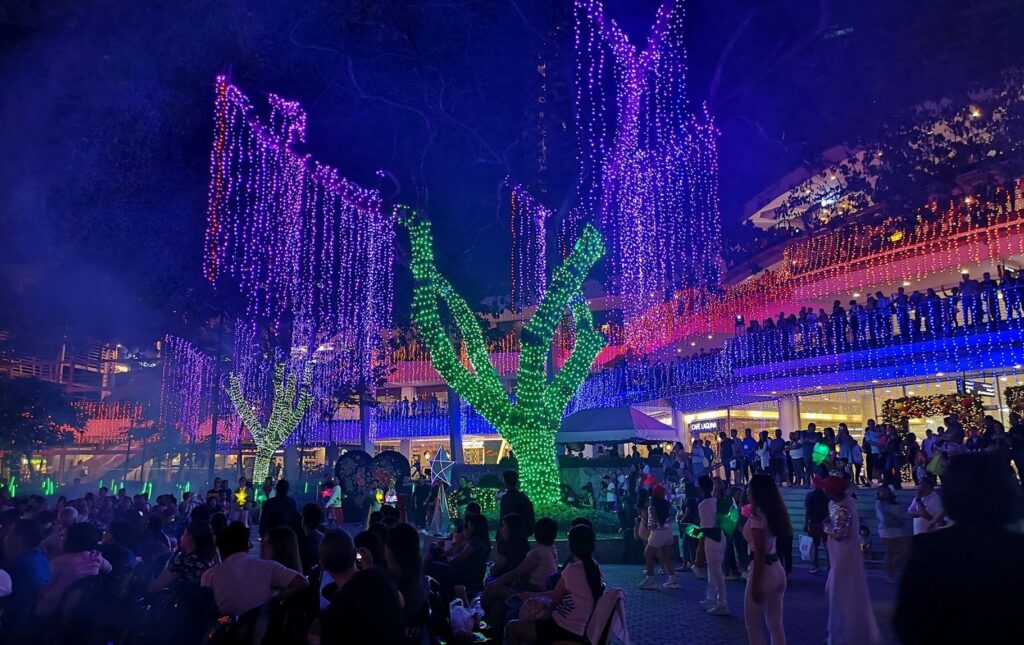
It makes sense to settle in Cebu properties because it has everything investors could need and want to live the fulfilling and productive life they have always imagined. Cebu City, like Metro Manila, has a wide range of urban amenities. This city has numerous shopping centers, clinics, schools, offices, and transportation hubs.
Cebu City’s strategic position allows citizens and tourists to experience the area’s diverse tourist attractions, which will help them feel welcome and at one with the community.
World-class infrastructure
While infrastructural developments are still happening, now is the perfect moment to acquire real estate in Cebu. Once finished, these infrastructural improvements will begin to make people’s lives simpler, more elevated, and better, increasing the value of Cebu real estate.
Infrastructural projects worth over one billion pesos are slated for completion in 2023 in Cebu City. They are recommended in the budget by Cebu City Mayor Michael Rama to the City Council. The largest of the proposed infrastructure projects is the planned renovation of the City Hall legislative building, which is estimated to cost at least P600 million, as well as the proposal to construct a new Cebu City Hall at South Road Properties (SRP), which is estimated to cost P400 million. Other projects funded in 2023 include the construction of Cebu City College (P100 million), the restoration of Fort San Pedro (P15 million), the structure of various medium-rise buildings (P24 million), rehabilitation plans to improve the Fuente Osmea Circle and other parks (P300 million), and the establishment of a Philippine Drug Enforcement Agency (PDEA) building-Cebu City Office (P155 million).
Township Developments, Condominiums, and Residential Real Estate In Cebu
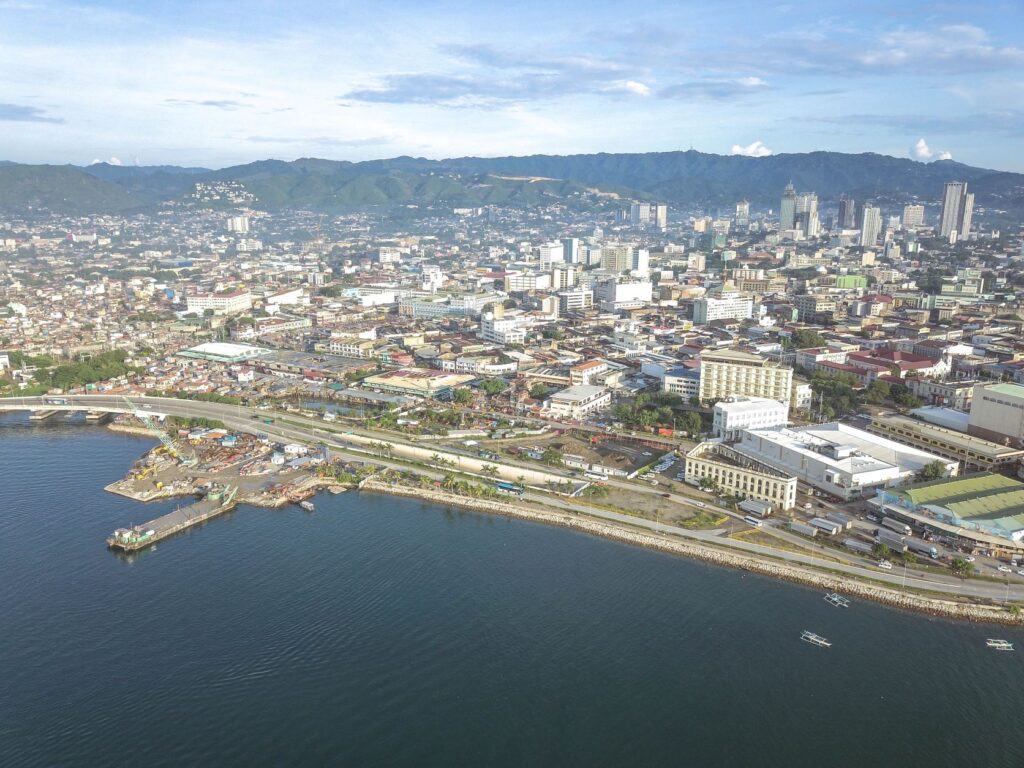
Major developers are constructing residential and office skyscrapers within master-planned communities or economic centers. Local developers may utilize transportation infrastructure and other facilities designed around the township masterplans. Township developments are also becoming popular in Cebu as a new trend. Mactan and Lapu-Lapu are ideal for these projects due to their natural beauty and enough territory for ambitious community ideas. As the country’s real estate market gets better, prices in these township areas are going up and will keep going up. Holistic suburban living and a new generation of real estate investors are becoming more popular.
Cebu has the second-highest condominium density. Specific Cebu properties are even on a high-end scale. Furthermore, condominiums are more prevalent in residential areas than houses and lots. In the first half of 2022, the number of people buying residential condos in Cebu went up by 67%, which is a sign of a good market. Economic to mid-income sectors (ranging from Php750,000 to Php6 million) dominate demand. However, for upscale to luxury projects (Php6 million and above), the market jumped to 14 percent in the first half of 2022, up from eight percent the previous year. The trend was in the right direction, partly because there was more interest in vacation homes and more demand from local buyers and tourists from other countries.
When buying real estate, it is also essential to consider how much condos in Cebu cost. Cebu has affordable condos for OFWs and foreign investors compared to other foreign cities.
Greater appraisal values and ROI
Given all of the benefits of living in Cebu City, it stands to reason that real estate there is valuable and will provide a good return on investment.
The number of Cebu properties for sale and pre-sale condos is increasing. Pre-selling rates in ongoing developments are always lower than RFO rates, so it’s worth investing in residential condominium properties in Cebu City with an exit strategy in mind.
To take advantage of the high demand for vertical villages in cities like Cebu City, developers need to make their projects more diverse and determine which price points appeal to end-users and investors.
With big-ticket infrastructure projects fueling the region’s real estate, it’s an excellent spot in the Philippines to locate residential homes for personal use or passive income. Real estate in Cebu is worth considering, whether for a new permanent dwelling, a holiday home, or an investment enterprise with a high return on investment.


Leave a Reply to John Paul Paquibot Cancel reply