

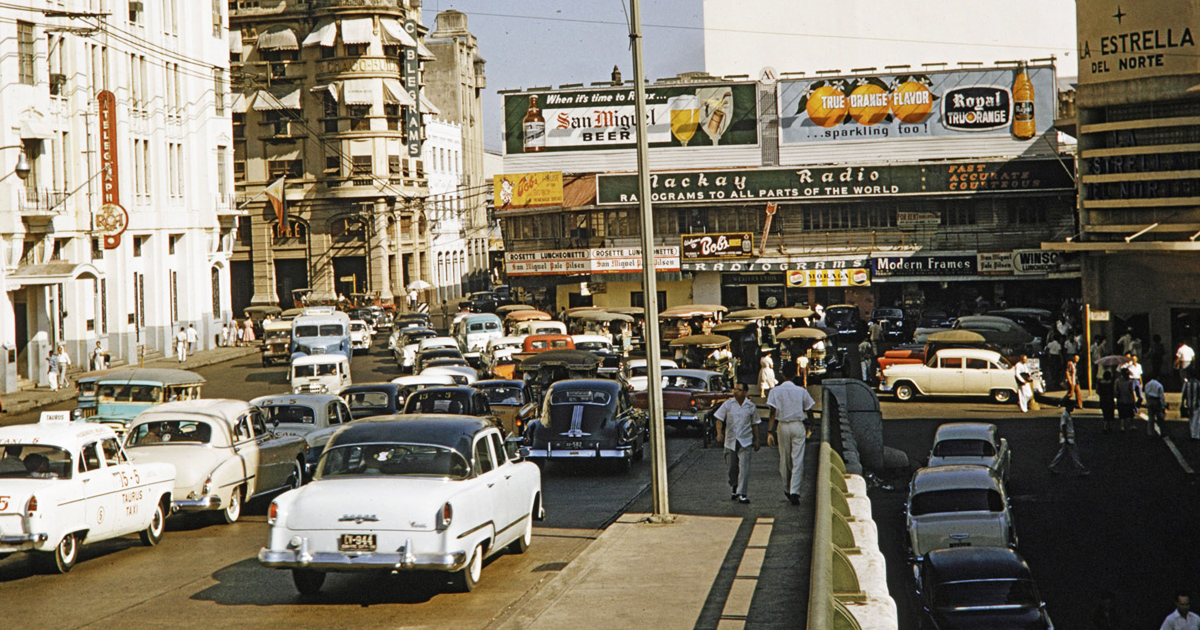
Shophouses in the Philippines have been a historic housing typology combining dwelling and retail space in one structure. They are generally two or three-story buildings. As a result, their ground floor acts as commercial space while the upper floors accommodate living spaces. Characterized by narrow, small-terraced houses, party walls, and arcaded walkways to the front, shophouses show nostalgic Asian heritage tracing back to China.
Early shophouses were realized in Singapore between the 1840s and 1960s by early immigrants from China’s Guangdong and Fujian provinces, forming the majority of the urban fabric of Singapore pre-World War 2 and throughout Southeast Asia. Sir Stamford Raffles, a British statesman, proposed his town plan for Singapore through the Town Planning Committee of 1822. Early shophouses considered orientation and symmetry along the north-south axis, responding to the Chinese belief in universal balance.
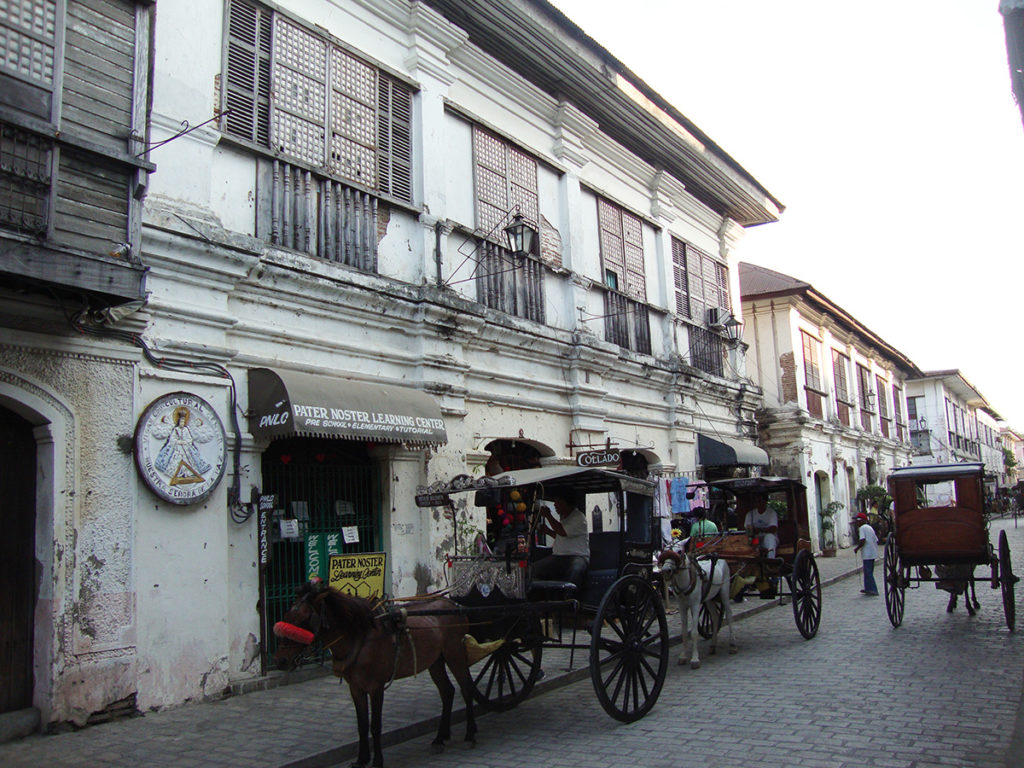
Since the late 18th century, when entrepreneurial owners converted their homes into apartment units with stores, shophouses have been a component of the Philippine urban landscape. The accesoria as an architectural style and urban phenomenon reflected events and changes in Philippine colonial society’s historical and economic contexts. It was a period when migration to urban areas, labor magnets, economic enterprise, and growth facilitated the emergence of this architectural style. The rising market demands created more accesorias during the opening of Manila, Sual, and Iloilo ports to international commerce in the early nineteenth century.
Distinct Qualities of a Shophouse
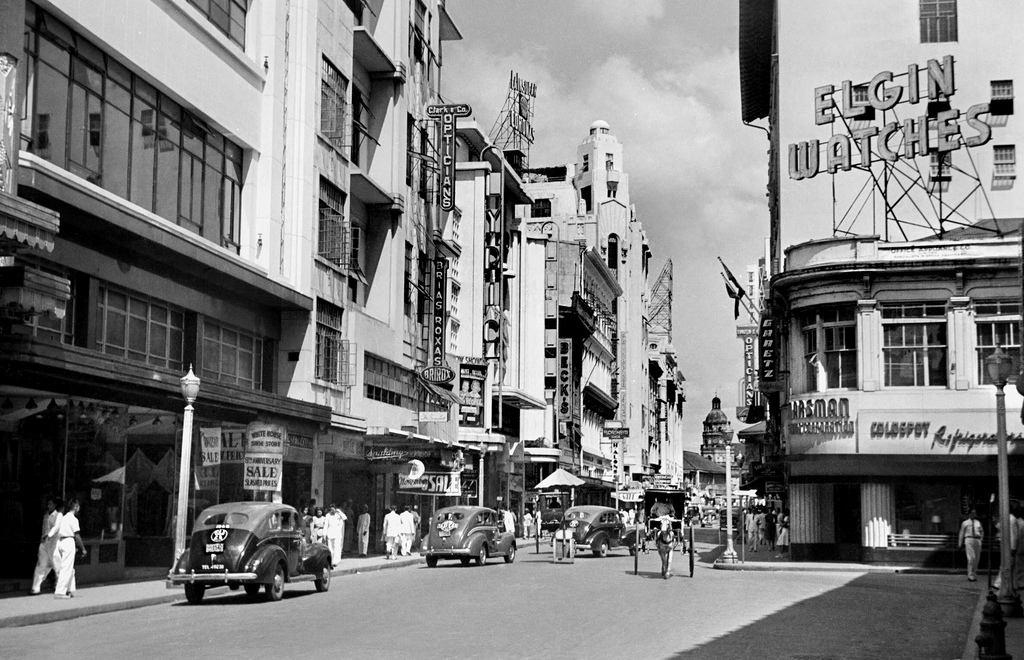
Due to the economic incentives associated with trading, the shophouse became the predominant dwelling style brought by the Chinese immigrants to early Manila. The shophouse originated in South China, with locations favored along essential trade routes. Occasionally, shophouses were erected immediately beside waterways, allowing Chinese junks to unload their merchandise straight into the stores. In landlocked areas, builders placed shophouses along key commercial axes inside the city center, with wider commercial avenues for business and tiny back alleyways for the transit of products.
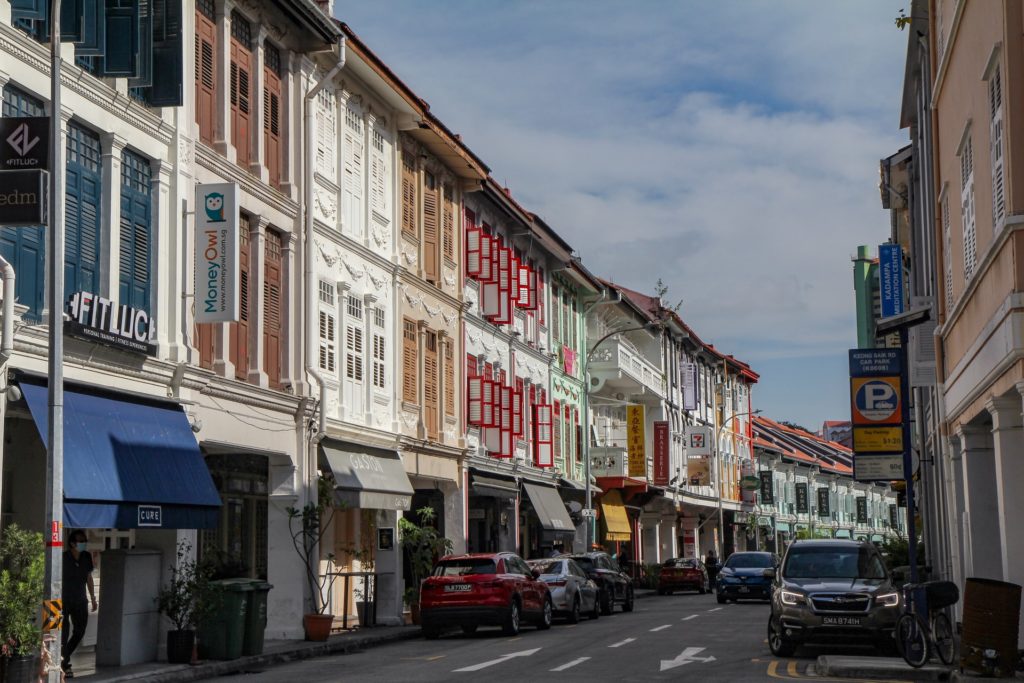
Historic shophouses adhere to ancient Chinese ethical principles, represented in traditional courtyard residences. Each shophouse was joined horizontally by shared canopies and roofs. The early one- to two-story shophouses are connected at the back by courtyards or corridors. Additionally, wood structural parts, air wells, rear courts, timber windows, timber staircases, columns, the five-footway, and terracotta roofs are all architectural aspects of typical shophouses.
Today, developers construct shophouses using contemporary materials such as concrete and steel to keep the shape, arcaded walkways, and party walls. The building typically has two to three floors with a small frontage and a plunging back. Shopowners renovated lower-ground stores to support modest commercial enterprises such as shops, restaurants, food or beverage outlets, and service outlet providers. At the same time, the top levels include residential dwellings and storage areas. Apart from advertising signs, natural ventilation and bris-Soleil are becoming part of the façade design. These vital details and efficient planning might serve as the architectural foundation for revitalizing the architectural legacy of shophouse districts in the face of the country’s industrialization.
Shophouses in the Philippines
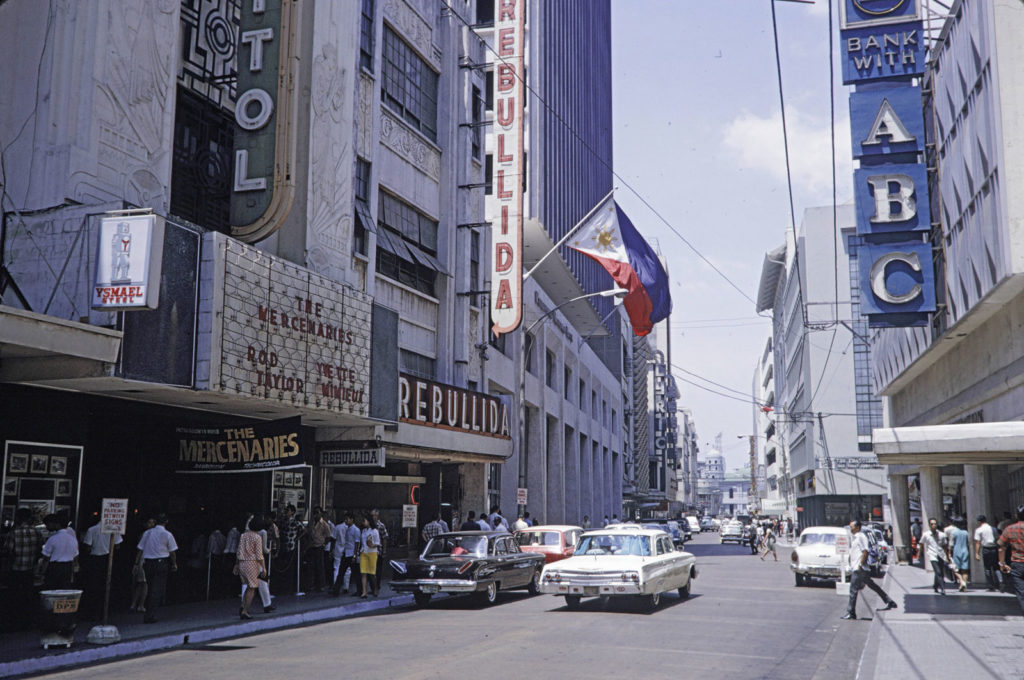
Binondo, the world’s oldest Chinatown, has embodied the diverse cultures of the Filipino and Chinese populations in the Philippines since 1594. The streets were bustling with merchants and hagglers beneath art deco structures and family-owned shophouses. Most shophouses dot the streets and provide shade for walkers and merchants alike. Eye-catching stylized buildings with offices and residences dominate Binondo’s bustling streets. Notably, the area’s shophouses are small and refurbished vertically, combining the architecture of early art deco influences with the essence of traditional shophouses.
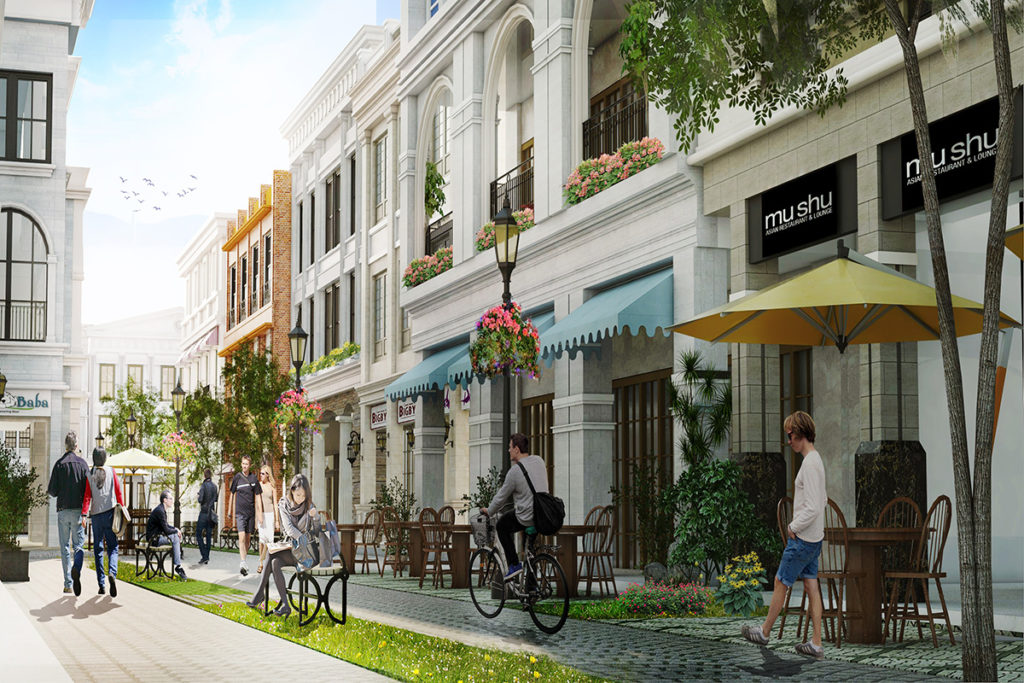
Megaworld Corporation, for example, introduces shophouses in the Philippines in various township projects as part of its current real estate portfolio. In their Pampanga and Bulacan projects, Megaworld intends to reflect current lifestyles influenced by Western design in planned shophouse districts. While keeping the unique columned arcades of traditional Asian shophouses, the shophouse designs utilize glass, steel, and reinforced concrete to reflect the compactness of modern architecture. These developments aim to prosper within business districts experiencing increased demand for commercial space.
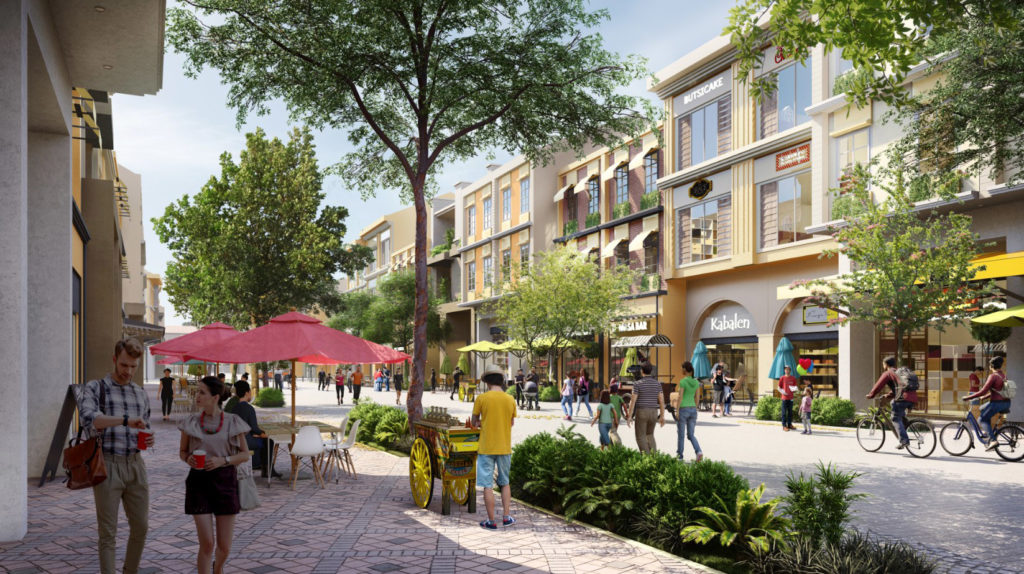
Ayala Land’s first mixed-use master-planned estate in Tarlac will include prominent shophouses in its new 290-hectare contemporary estate endeavor, Cresendo. While Cresendo will pay homage to Tarlac’s rich past, Ayala expects this impending modern estate to be a powerful growth engine for the local economy. The initiative generates new employment and business possibilities for national and international enterprises and local entrepreneurs. Today, the shophouse product in Cresendo is one of the most popular. Numerous local entrepreneurs are noticing an increase in interest from regional business players interested in extending existing operations in Tarlac, while others are considering establishing new companies in the province.
The Walkability Of Shophouse Community Development
In tropical Southeast Asian towns, the shophouse’s covered veranda or arcaded walkway protects pedestrians from the sun and rain. This boardwalk serves several purposes. It serves as a covered walkway for pedestrian circulation, a shelter for street sellers, and a gathering spot for people. More importantly, urban landscapes should have pedestrian-friendly places, such as covered verandas, to encourage people to walk or use public transit.
Covered walkways or verandas may be used with plazas and courtyards to create pedestrian-friendly streets. Trees and other plant materials along the route, plazas, promenades, and communal areas provide additional shade for pedestrian comfort. Mixed-use dwelling complexes might utilize streets and alleys to define public and semi-public spaces. Alternatively, residential streets might run parallel to business streets, with blocks of shophouses clustering around residential courts or commercial plazas. There might be pedestrian links or interconnections between these courts and plazas.
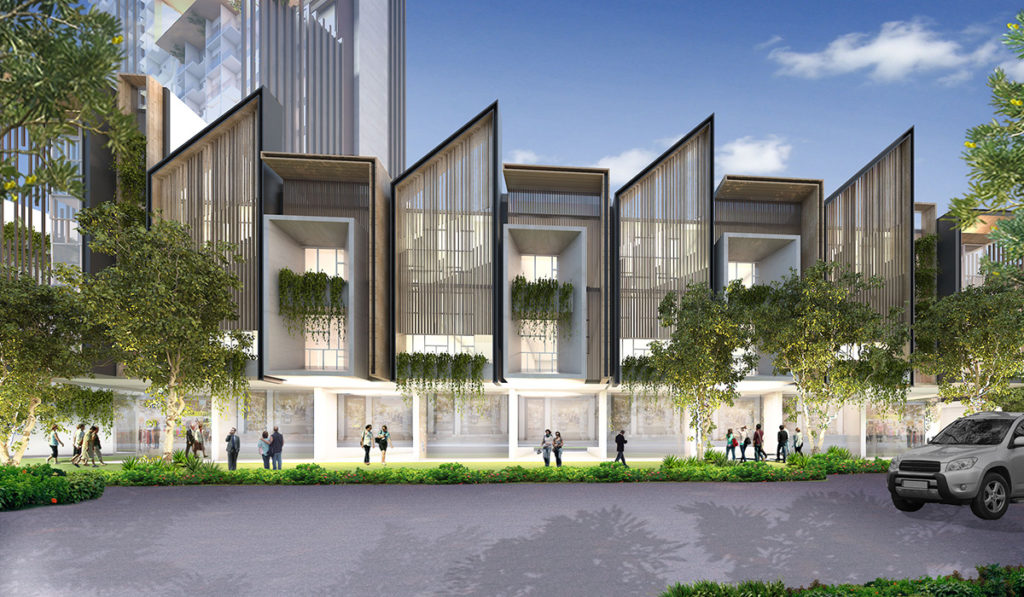
The Appeal of Shophouses
In Southeast Asia and other areas, the quest for novel ideas and sustainable solutions for urban housing should involve reexamining and rediscovering classic urban residences such as the shophouse. In many regions of Southeast Asia, including Thailand, Vietnam, Malaysia, and Indonesia, new housing for low-income urban residents has tended to be high-rise or walk-up multistory flats with little or no commercial space. These dense urban surroundings provide the standard set of issues associated with large-scale high-rise housing projects. They are impersonal, repetitive, and constrained, leaving hardly any opportunity for entrepreneurial development, extension, or property commercialization. Real estate developments often segregate residential and commercial activities in these planned housing developments.
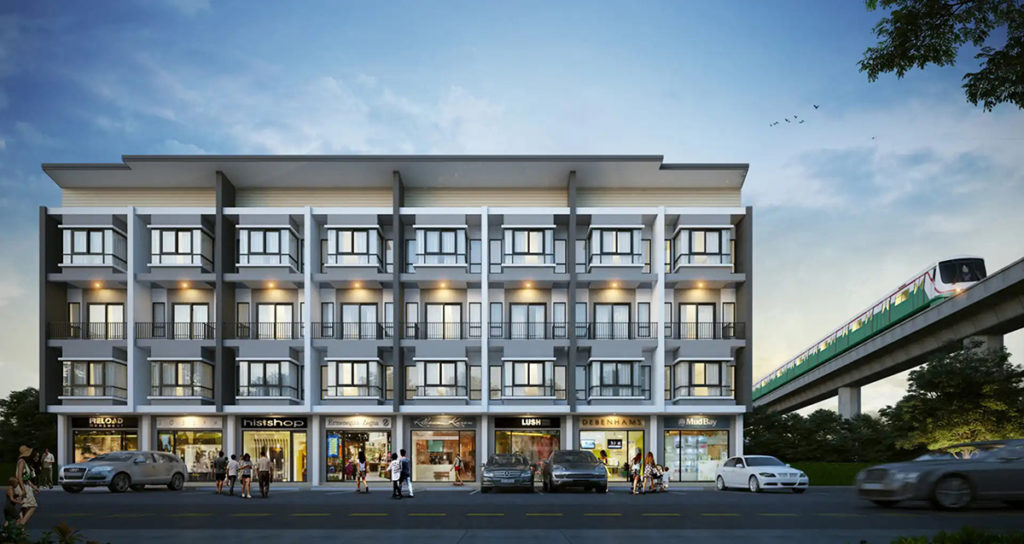
Real property developers must situate small businesses and commercial possibilities near residential areas in cities in developing nations. Many individuals lack personal mobility or access to public transit to travel significant distances to commercial districts. Urban developments inspired by the idea of shophouses in the Philippines must consider these restrictions. These adjustments to community demands enable commercial or economic activities to increase in volume. Such real estate ventures can easily accommodate larger businesses and small family-owned businesses.
Furthermore, shophouses have a nostalgic aura. They are one-of-a-kind homes brimming with culture, tradition, and authenticity. Unsurprisingly, they are becoming popular again today. Most persons who own shophouses rent them to companies, convert them into family dwellings, or keep them as assets.
Developing Future Shophouses In The Philippines
Shophouses are ideal real estate investments for businesspeople. They offer the need for convenience, physical attractiveness, strategic position, and space requirements. Above all, they provide a setting where everyday trade may be handled in one location while appreciating the architecture. As seen by Binondo’s economic growth, they can act as catalysts for cultural interaction.
The Philippines has a fast-growing economy in comparison to other Asian nations. Particularly in its main cities, thriving enterprises contribute to urban expansion. Among these enterprises are entrepreneurs who operate their stores on a hands-on basis. After all, entrepreneurship in any form is a source of economic progress. As a result, it has the potential to supply the answer by generating money, employment, and social empowerment. If we intend to combat poverty effectively, history teaches us that we must aggressively support entrepreneurial endeavors. And shophouses in the Philippines have always been the primary housing type to facilitate and spur local entrepreneurial activities.
Indeed, shophouses are ageless and ever-evolving. Shophouse developments may be a sensible consideration for master planning great cities in the Philippines. The idea is to merge the business, living, and entertainment areas into compact, manageable structures. One must conduct an in-depth examination and comprehension of this typical urban dwelling style’s architectural characteristics and planning principles. Incorporating current technologies like solar panels, wind turbines, water recycling, rainwater harvesting, and digitalization into traditional architecture like shophouses can result in healthier communities, more walkable cities, and more sustainable cities.

Leave a Reply