


As population and urbanization continue to grow in the following years, many countries will be able to invest in technology and advanced networks. With the Internet of Things (IoT) emerging as a vital pillar of smart urban advancement, real estate developments may increasingly resort to a section titled Smart city solutions. As governments prepare for the next generation, IoT in smart cities will continue to rise and transform our lives.
Cities of the future must comprehend the benefits and possibilities that IoT may provide. The potential for IoT integration is evident in several critical urban development sectors, including city circulation, safety, sustainability, maintenance, and infrastructure management. Maximum connection is the defining characteristic of a next-generation city. Residents and governments can coordinate in unimaginable ways. Smart cities gather and examine data using IoT devices such as linked sensors, controllers, and meters. Cities then utilize this data to enhance infrastructure, public utilities, services, and growth.

What Drives IoT In Smart Cities?
A smart city is a framework, mostly comprised of information and communication technologies (ICT), for developing, deploying, and promoting sustainable development methods in response to the problems of expanding urbanization. A significant component of this information and communication technology architecture is an intelligent network of linked objects and machines that transmits data through wireless technologies and the cloud.
Cloud-based IoT applications gather, analyze, and manage data in real-time to help governments, organizations, and people make better-informed decisions that improve the overall quality of life. Citizens engage with smart city ecosystems, including via their smartphones and mobile devices and their connected transportation and homes. By linking devices and data to a city’s physical infrastructure and services, efficiencies improve, and communities monitor sustainability programs.
Application of IoT in Smart Cities
The unlimited potential of IoT does not only stop at urban development. Districts may use the IoT to improve energy distribution, speed up garbage collection, alleviate traffic congestion, and improve air quality.
Below are some innovative applications of IoT in Smart cities:
Traffic Management
One of the biggest challenges growing cities face is finding ways to improve transport. Los Angeles, for example, is one of the world’s most busy cities with intelligent traffic control solutions. Incorporated Pavement sensors send traffic flow updates to a central traffic management platform in real-time, analyzing the data and automatically modifying traffic lights in seconds. This technology is part of the AT&T Connected Corridors Project, where operators leverage the data to generate routes, recording traffic patterns and volume. Therefore, managers can then adjust the traffic lights to redirect traffic flow in any road accidents.

Smart Parking System
Additionally, cities use smart parking technologies to determine when a car has departed from a parking area. Sensors transmit information to a data cloud, from which vehicles may download a mobile app that displays the location of available parking spots. Others rely on vehicle input to properly determine the location of openings and direct the flow to the less complicated paths. Smart parking is already a reality and does not need sophisticated infrastructure or significant expenditure, making it appropriate for supporting a medium-density Smart city program.
Proactive Waste Collection
Sustainable waste management solutions assist in optimizing waste collection efficiency and lowering operating expenses while also addressing the environmental concerns associated with poor garbage collection. These systems incorporate a level sensor into the garbage container, and the truck driver receives warnings through an IoT-enabled smartphone when the containers reach a predetermined level.
Adaptive City Lighting
An adaptive streetlight is a public lighting fixture that incorporates cameras, light-sensing photocells, and other sensors to provide real-time monitoring. Also referred to as adaptable lighting or intelligent street lighting, this type of lighting system is frequently viewed as a necessary first step toward developing smart cities.
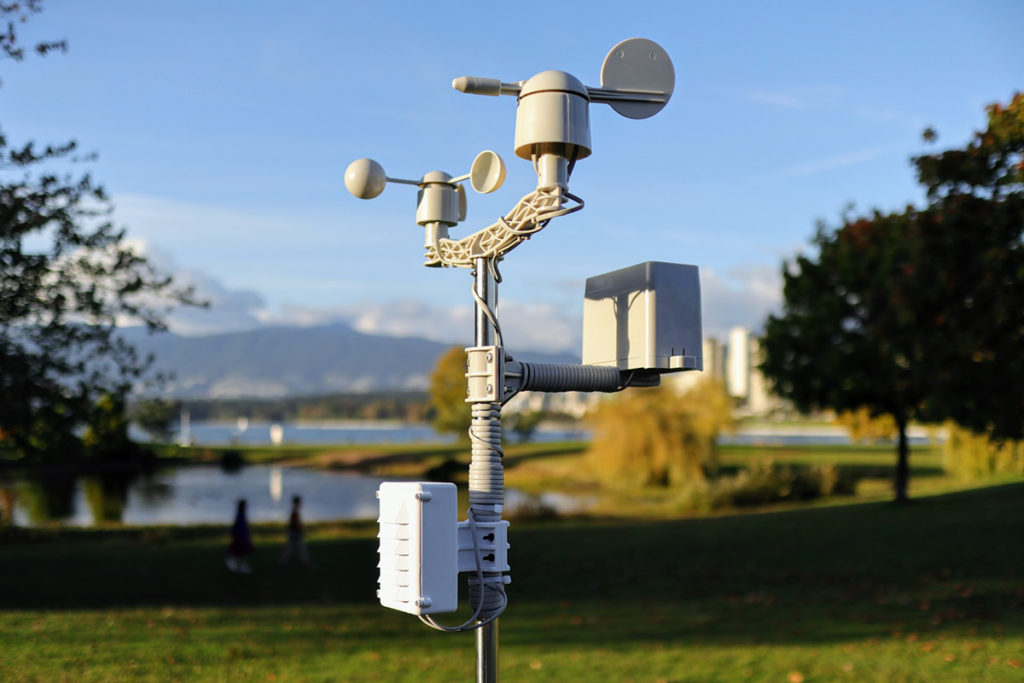
Along with enabling cities to offer optimal street lighting for local conditions, intelligent lighting will boost citizen satisfaction with security and safety while saving municipalities large sums of money on energy usage and lighting system maintenance. Furthermore, outdoor lighting infrastructure will serve as the backbone for many IoT applications, such as weather, pollution, and traffic monitoring.
City Transit Applications
Innovative bus application transit systems are another rapidly growing segment for smart city IoT applications. Public transport hubs in cities see the advantages of IoT in cost reduction, road safety, routing management, and commuter experience. There is a growing preference for public transportation with the convenience of bus routing, light rail routing, and passenger Wi-Fi connectivity.

A great example of this is the Suburban Mobility Authority for Rapid Transit Authority or SMART in Michigan. The system manages more than 300 green and hybrid buses across three counties. The integration of IoT in the SMART transit system includes features such as mass updates and fleet monitoring. Transforming real-time data helps transit workers, distributors and drivers plan their routes and locate more passengers.

Environmental and Wastewater Management Applications
Water management applications ranging from wastewater treatment to monitoring and rehabilitation projects are available for future cities. The increasing applications of IoT in smart cities aim to upgrade aging infrastructure. They can provide information on remote tanks and water management processes. In turn, these automated reports can reduce the cost of monitoring and maintenance of their assets. The remote management solution of the IoT device deployment components includes a variety of radio devices, module systems, and sensors. The combined technologies provide connectivity for a range of applications, including sensing rates, water, and tank pressures.
Future Of IoT In Smart Cities
The IoT’s potential is limitless.
IoT, urban data platforms, big data, and artificial intelligence can transform our urban hubs into intelligent, sustainable, and efficient spaces. These revolutions include large-scale implementation, careful deployment, and management. The shared use of information is the key to the success of all urban sectors. The scope encompasses healthcare to manufacturing and transportation to education. Our next-generation Smart cities will be more innovative than ever before. Added to that, the emerging design tools of architects and planners are becoming sophisticated as well. These advancements are possible due to data collection and the implementation of practical solutions.

Leave a Reply