


Imagine waking up to the crowing of roosters, the cool morning air carrying the fresh scent of dew-kissed leaves, and the sight of verdant landscapes stretching beyond the horizon. This idyllic rural scene is no longer just a nostalgic throwback to simpler times but a tantalizing prospect for a new wave of tourism sweeping across the Philippines. As the world becomes more attuned to the rhythms of nature and sustainability principles, the age-old agriculture industry is undergoing a revolutionary transformation. Health-conscious and adventure-seeking communities are casting fresh eyes on the bucolic charm and hands-on experiences offered by the country’s rich farming heritage, leading to the blossoming of an innovative form of sustainable tourism – farm tourism. More than just a breath of fresh air, this trend heralds a vibrant resurgence of the agricultural sector in the guise of farm resorts in the Philippines as a subdivision venture, simultaneously paving the way for inclusive development and creating a cascade of opportunities for stakeholders across the spectrum.

Farm Tourism Development Law
At the core of this burgeoning trend is Republic Act No. 10816, colloquially known as the Farm Tourism Development Law. Enacted in May 2016, this legislation underscores the importance of agriculture in providing essential commodities while ensuring livelihood for a significant portion of the population. It has since laid the groundwork for integrating agriculture and tourism, fostering a symbiotic relationship that promises food sufficiency and additional income for tourism stakeholders, including farmers, farmworkers, and fisherfolk.

The tripartite partnership between the Department of Tourism (DOT), the Department of Agriculture (DA), and the Department of Trade and Industry (DTI) is central to the law’s implementation. Together, they form the Farm Tourism Development Board, tasked with promoting established farm tourism sites and encouraging the creation of new ones. The law’s implementation opens up many opportunities for rural communities, paving the way for jobs in various sectors, from tour guides and drivers to hotel and restaurant workers.
Opportunities in Farm Resorts Development
The allure of farm tourism in the Philippines is undeniable. With about two-fifths of the country’s total land area of 300,000 square kilometers dedicated to farming, the sector employs roughly a quarter of the country’s workforce. This volume of available land, combined with world-renowned Filipino hospitality, provides competitive advantages that the farm tourism sector can leverage. But the benefits extend beyond merely boosting tourism.
Farm tourism offers a unique, immersive experience for travelers seeking educational tours and alternative holiday destinations. Rural communities present job opportunities that were previously nonexistent. Farmers and farmworkers gain additional revenue streams, supplementing their income from the traditional harvest. At a national level, these other incentives for farmers and fisherfolk bolster food security.
The Blueprint Of Farm Resorts: Infrastructure, Safety, and Sanitation
Building a successful farm tourism site requires meeting a specific set of criteria. The law distinguishes between two farm tourism sites: “day farms” for day tours and visits and “farm resorts” that provide accommodation and dining services. Regardless of the category, a potential site must have been operational for at least three months and situated in a location deemed “generally safe and peaceful.”
Regarding infrastructure, accessibility by road is necessary, and amenities such as electricity, water, and communication services must be available. Safety considerations are also paramount. Each site must employ security personnel, equip firefighting facilities, and maintain well-stocked first aid kits. Sanitation is equally crucial; clean and well-maintained restrooms, garbage disposal, and waste management systems are mandatory.
Is The Farm Resort Business Model Lucrative?
There are two types of farm tourism sites: “day farms” and “farm resorts.” Day farms are usually located near highways and central business areas, making them ideal for day tours and visits. On the other hand, farm resorts offer accommodation and dining services, providing guests with an immersive experience where they can partake in farm activities such as collecting eggs, harvesting vegetables, or catching fish for their meals.

Whether to develop the farm for subdivided lots or operate it as a hotel resort depends on the investor’s preference, business plan, and the potential market. However, the demand for such experiences is increasing, and people are more inclined towards healthy living and alternative experiences, which farm tourism provides.
Examples Of farm Resorts In The Philippines
There are multiple successful examples of farm resorts in the Philippines, such as the Nature Wellness Village in Tagaytay City, the Oceanview Farm and Cottages in Siquijor, and the Vita Isola Leisure Farm in Bohol. These resorts offer unique experiences, such as wellness services, educational lectures on organic agriculture, and encounters with farm animals.
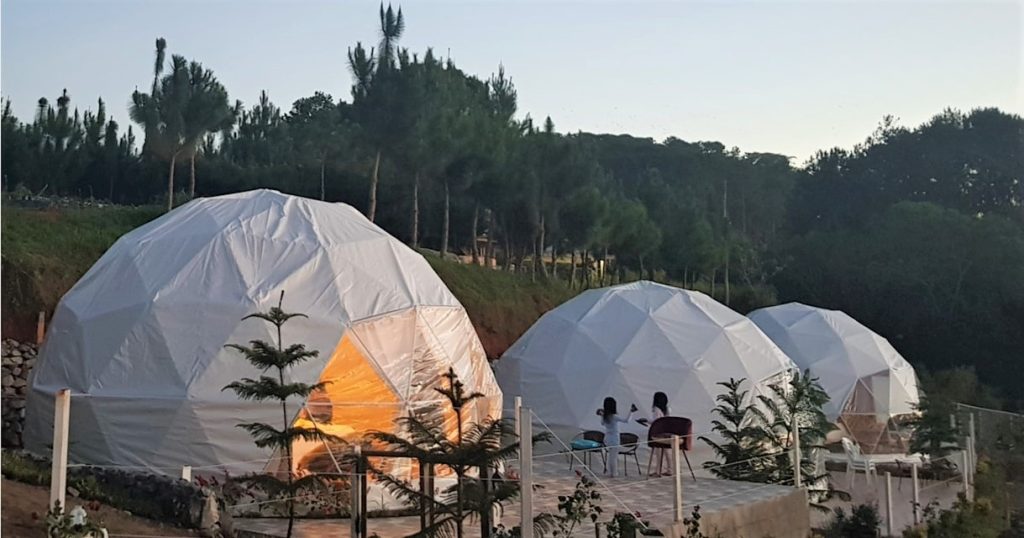
Moreover, innovative farm tourism sites such as Taglucop Strawberry Hills, Agriya Farm, JB Nature Farm and Resort, and Yamang Bukid are worth a visit and looking into. These sites showcase sustainable and efficient farming practices and tourist amenities, such as glamping accommodations, educational facilities, swimming pools, and local delicacies.
Investing in farm tourism can be beneficial in several ways, including providing additional sources of income, enhancing food security, and creating more job opportunities for rural communities. However, like any business venture, it requires strategic planning and consideration of various factors, including the market demand, the type of experiences you want to offer, the initial investment for setting up the farm and the amenities, and the ongoing costs for maintenance and operations.
When it comes to choosing the ideal type of trees or vegetation to plant, it would depend on the location’s climate, soil quality, and other environmental factors. For instance, the Taglucop Strawberry Hills in Bukidnon has a cool climate ideal for planting strawberries and other crops like mushrooms, lettuce, and tomatoes. The JB Nature Farm and Resort in Surigao City has developed into a showcase for permaculture farming, growing organically raised livestock and crops, including vegetables, fruits, herbs, and medicinal plants.
Planning For A Farm Resort
When venturing into the farm resort business, it is essential to consider numerous factors contributing to such an enterprise’s feasibility and success. Thriving farm resorts are contingent upon a well-executed blend of elements related to location, planning, sustainable design, and effective business strategies.
1. Site Selection and Analysis
Choosing the right location is a critical first step in developing a farm resort. The site should be in a natural, serene setting that offers unique, memorable experiences. It should be easily accessible yet far enough from urban centers to provide a distinct contrast to city life. Furthermore, it is essential to consider the local zoning laws and regulations, as these can significantly impact the development and operation of the resort.
2. Concept and Planning Farm resorts In The Philippines
After selecting an ideal location, the next step is to develop a concept defining the farm resort’s identity. This concept should include the activities and services the resort will offer, catering to a wide range of demographics. For instance, some guests may be interested in hands-on farming activities. In contrast, others might be more attracted to leisurely walks, spa treatments, or culinary experiences incorporating farm-fresh ingredients.
3. Sustainable Design and Construction
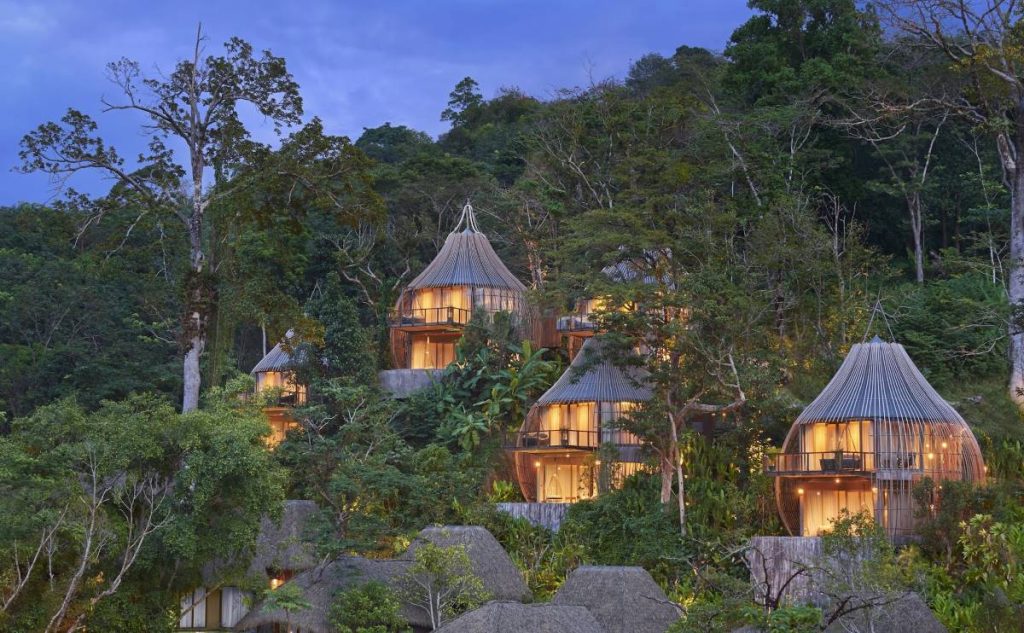
The design of the farm resort should be sensitive to the local environment and culture. It should ideally incorporate local materials and traditional building techniques, which not only support local economies but also adds a unique charm that resonates with visitors. Sustainability should be a core principle in the design and operation of the resort. Operators can achieve this by integrating renewable energy sources, efficient waste management systems, water conservation measures, and sustainable farming practices.
4. Business and Marketing Strategy of Farm Resorts
Developing a comprehensive business plan is a vital step in any venture. The business plan should detail the initial investment, estimated operating costs, projected revenue, and a strategic marketing plan. The marketing strategy should highlight the unique selling points of the farm resort, such as its sustainable practices, unique experiences, or connections to local culture and heritage.
5. Seek Expert Advice
Finally, it is always advisable to seek expert advice throughout the process. Professionals help ensure that the farm resort is not only a fulfilling venture but also a profitable one. Real estate consultants can provide valuable insights into property valuation and market trends, while architects can guide the sustainable design and master planning process.
While farm resort ventures offer potential opportunities for profitability and contribution to local economies and sustainable tourism, the hospitality industry requires careful planning, design, and business strategies to ensure success.

Leave a Reply