


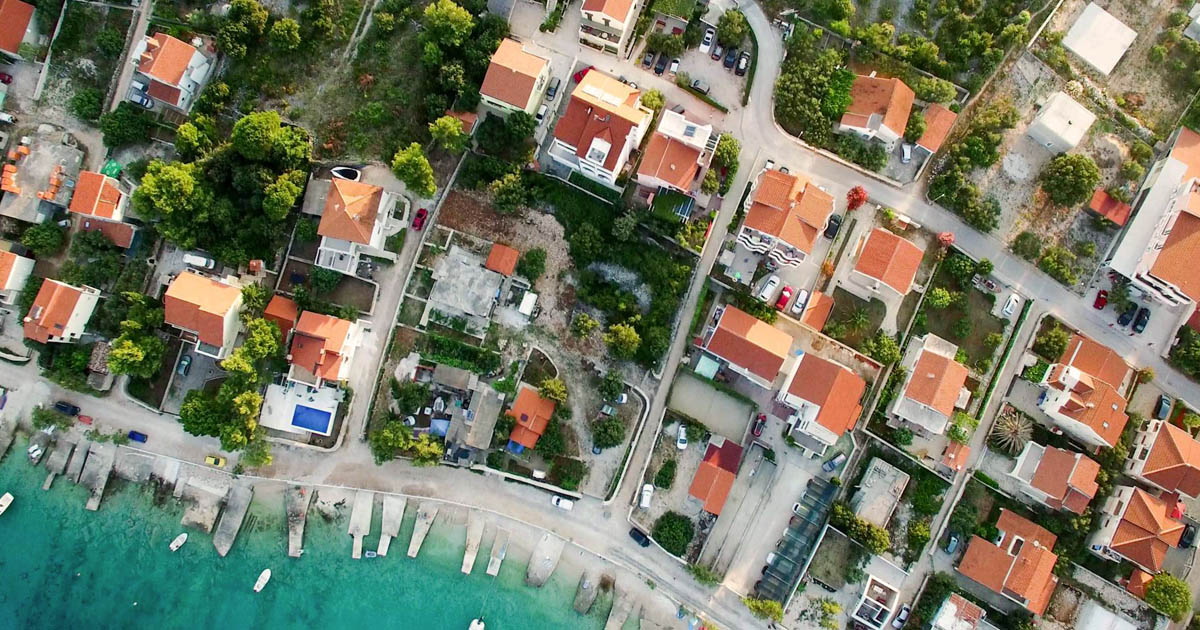
Building a single-detached home in the Philippines in 2024 is an enterprising endeavor that demands more than enthusiasm and vision. It requires a profound understanding of house construction costs and the practical strategies to manage this substantial investment. The financial aspects of home construction can be unpredictable due to various factors such as the type of finish, location, quality, and choice of materials, all of which influence the outcome. These variables can lead to significant price discrepancies, underscoring the importance of referencing specific details for accurate planning. Whether you are a first-time builder or an experienced investor, making well-informed decisions will pave the way for your dream home to become a reality.
Understanding the intricacies of planning and avoiding common pitfalls is crucial in preventing budget overruns. By knowing what to expect and how to navigate through various construction stages, one can maintain control over both budget and timeline. This knowledge is the cornerstone of homeowners’ ability to select the best materials, engage the right professionals, and anticipate potential challenges, ensuring a smoother and more efficient construction experience.
Current House Construction Costs In The Philippines
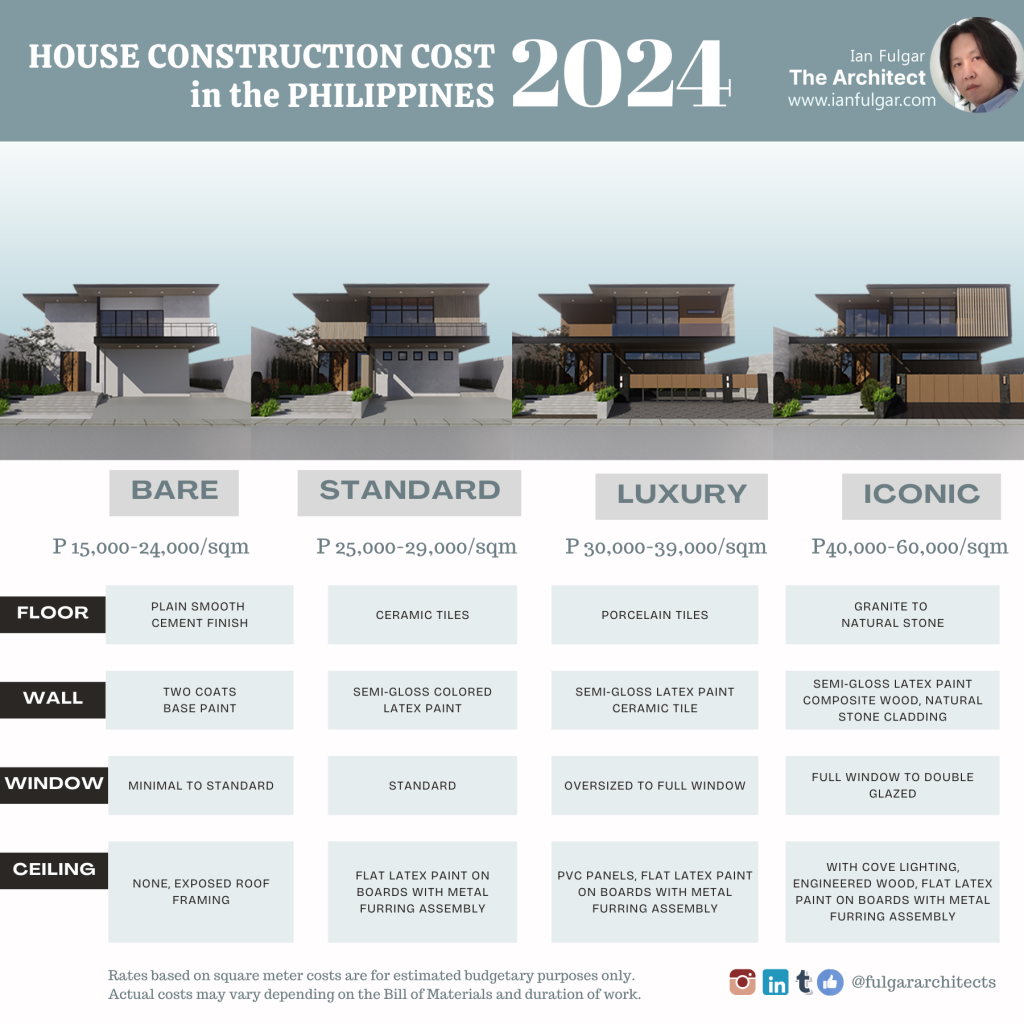
The average house construction cost per buildable square meter in the Philippines ranges from PHP 15,000 to PHP 30,000. This range covers different finishes—a basic finish costs between PHP 15,000 and PHP 20,000 per square meter. Homes with a basic finish include essential features like bare concrete walls, roofs, windows, sinks, toilets, and bathrooms. A standard finish, costing between PHP 20,000 and PHP 25,000 per square meter, offers additional quality features such as painted walls, quality plumbing, electrical fixtures, and a covered garage. A semi-elegant finish, which ranges from PHP 25,000 to PHP 35,000 per square meter, includes multiple bedrooms, sliding windows, and painted walls with stone accents. At the high end, elegant finishes cost between PHP 40,000 and PHP 60,000 per square meter and use top-tier materials with custom designs often seen in upscale communities. These cost-per-square meter references are for budgetary purposes. It is best to follow the actual costs dictated by the bill of materials and labor costs prepared by your architect, quantity surveyor, or project manager. These professionals provide more accurate figures that may vary from the initial budget assumptions.
Major Factors Influencing Construction Costs
The location of the lot significantly impacts house construction costs. Transporting materials to remote areas can substantially increase expenses, especially when crossing bodies of water due to the archipelagic nature of the Philippines, which necessitates specialized transportation. In urban areas like Metro Manila, additional costs may arise from traffic congestion and logistical challenges. Moreover, high-end executive subdivisions often have strict construction regulations with additional bonds and road fees, further driving up costs. The choice of structural system, such as reinforced concrete frames, precast panels, or load-bearing concrete hollow blocks, also affects construction costs. Reinforced concrete frames are popular due to their structural integrity and cost-effectiveness.
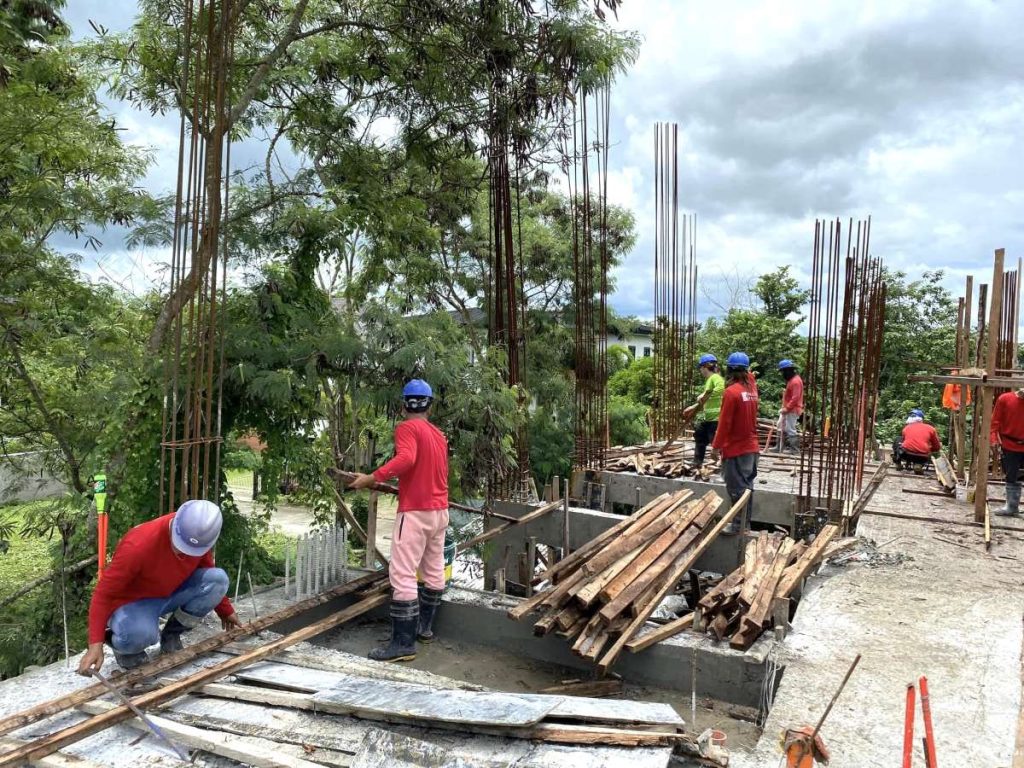
Taller structures and complex designs require more materials and labor, increasing the overall cost. More straightforward, more efficient designs help manage expenses better and ensure the home’s structural soundness. Expedited projects demand more workforce, which increases labor costs. In Metro Manila, labor costs average around PHP 645 per day, and the current minimum wage rate (updated by the Department of Labor and Employment in July 2024) varies by skill level and job type. The costs can vary between different kinds of work, with carpentry, masonry, and electrical labor falling in the middle range, while foremen receive the highest pay and helpers the lowest.
The level of workmanship significantly dictates a portion of the budget. Basic finishes are cost-effective, while elegant finishes offer high aesthetic and functional value at a higher price. Choices in materials and fixtures, from tiles and paint to cabinetry and lighting, play a necessary role in the overall expense. Establishing a detailed budget that accounts for all potential costs is essential. Architect fees typically comprise about 8% to 10% of the total construction cost. These fees cover design development, project management, and coordination with other professionals.
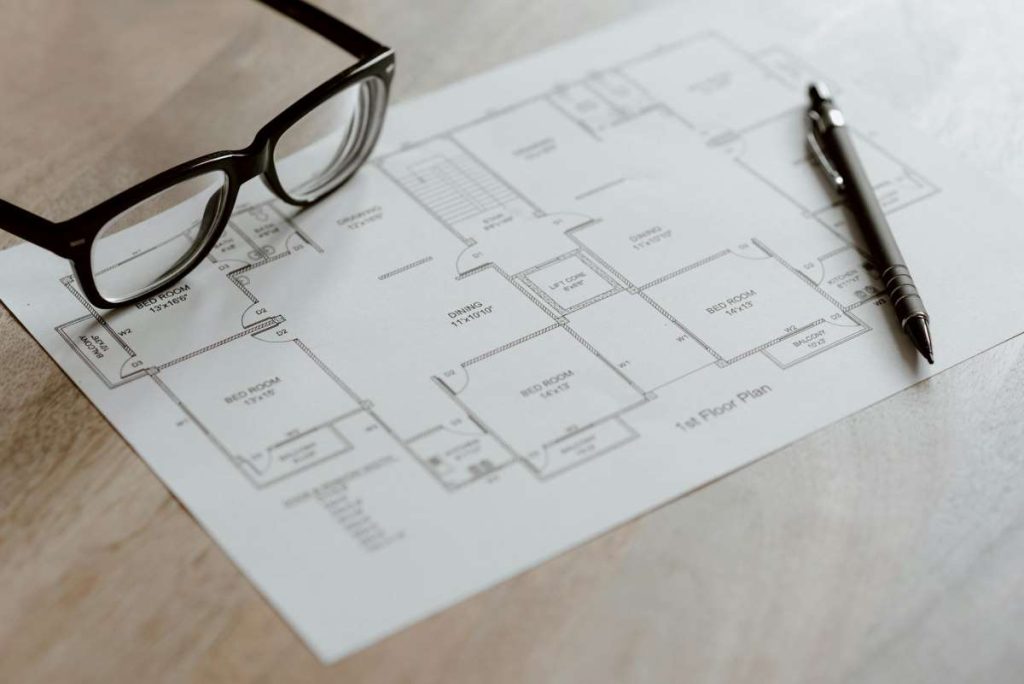
Expenses associated with obtaining the necessary permits and licenses before starting construction, including building permits, environmental clearances, and barangay clearances, can vary significantly depending on the local government unit’s ordinances and the overall declared house construction cost. These additions should be carefully considered and incorporated into the overall budget allocations.
Insurance provides additional security during the construction process. Construction insurance, such as Construction All Risk (CAR) insurance, protects against potential risks. Other insurances like fire, flood, and earthquake insurance offer additional layers of protection.
Budgeting And Financial Planning
Creating a realistic budget that accounts for all anticipated costs, including a contingency fund of at least 10% for unexpected expenses, is essential. Regularly reviewing and updating this budget helps maintain financial discipline. Prioritizing fundamental features and functionality over luxury items can effectively manage the house construction costs. Additionally, homeowners should consider phased construction or planning for future upgrades of non-essential components to reduce initial expenditures. Incorporating effective financial strategies and exploring diverse investment opportunities can provide comprehensive insights into the real estate market when planning a house construction project.
Hiring a skilled architect and contractor optimizes the design and construction process. Experienced professionals can provide valuable insights on cost-effective materials, efficient construction methods, and potential cost-saving opportunities. Researching and comparing material costs to find affordable yet high-quality options is beneficial. Using locally sourced or eco-friendly materials can reduce costs and promote sustainability. Regular site visits and progress reports ensure the project stays on schedule and within budget. Addressing any deviations promptly helps avoid escalating costs.
The Responsibility Of Owner-Supplied Items
Owner-supplied items, or Owner Furnished, Contractor Installed (OFCI) materials, can influence the overall cost and project timeline. These items include fixtures, appliances, and specialized materials that the homeowner purchases directly. While leveraging bulk purchasing or special deals can offer potential cost savings, it introduces several challenges. Coordinating the delivery and installation of these items requires meticulous planning. If items arrive too early, they risk damage and create storage issues on-site. Late deliveries can delay the project and increase the house construction costs. Moreover, if owner-supplied items are defective or incorrect, the responsibility for replacements falls on the homeowner, potentially leading to additional expenses and delays. Contractors might also need help providing warranties since they did not procure them. Ensuring clear communication and coordination between the homeowner, suppliers, and contractors is vital to mitigate these risks and ensure smooth project execution.

Warranties And Guarantees
Warranties and guarantees from vendors and suppliers help protect your investment. Most reputable suppliers offer warranties on materials and fixtures, which cover defects in manufacturing and, in some cases, installation issues. It is essential to understand the terms and conditions of these warranties to ensure you can make claims if necessary. Always ask for written warranties when purchasing materials and keep records of all transactions.
Consider purchasing materials in bulk or during sales periods to avail of discounts. Many suppliers offer discounts for large orders or during promotional events. Building a good relationship with suppliers can also lead to better pricing and special deals. Always negotiate and compare prices from different suppliers to get the best possible deal.
Preventing Back Jobs and Ensuring Quality
Ensuring quality and preventing the need for back jobs require meticulous planning and rigorous oversight, which are crucial for managing house construction costs effectively. Conduct a comprehensive inspection of the completed work before making final payments to ensure all house construction costs are justified and aligned with the project’s quality standards. This step involves checking all fixtures, finishes, and installations for defects or issues. Engaging a professional inspector provides an unbiased and expert assessment of the work completed, helping to confirm that your house construction costs have been well spent.
Additionally, testing all systems, including plumbing and electrical installations, confirms they function correctly and meet safety standards, which is vital in ensuring house construction costs do not escalate due to future repairs. Address any identified issues immediately and correct them before releasing the final payment. This proactive approach prevents costly repairs or back jobs in the future, maintaining the long-term quality and integrity of the construction project and keeping house construction costs within the planned budget.
Securing a Loan for House Construction in the Philippines
In the Philippines, you can borrow money from banks and other financial institutions to finance the construction of a house. Commercial banks offer home construction loans that typically cover up to 80% of the property’s appraised value. These loans come with flexible repayment terms ranging from 10 to 30 years, with interest rates varying based on the loan term and the borrower’s creditworthiness. For instance, the Bank of Philippine Islands (BPI) offers a loan term of up to 10 years for amounts starting at PHP 400,000, while Metrobank provides terms of up to 25 years.
The Pag-IBIG Fund, a government agency, also offers home construction loans to its members. Loan amounts range from PHP 600,000 to PHP 6 million, depending on the borrower’s capacity to pay and the actual need for funds.

To apply for a construction loan, you must prepare several documents, including a completed application form, valid IDs, proof of income, collateral documents, and building plans signed by a licensed architect or engineer. Getting pre-approved helps set realistic expectations and plan your budget accordingly, as factors such as your income, age, job stability, and the appraised value of the collateral affect the loan amount.
Once pre-approved, the lender evaluates your application based on your credit history, income stability, and collateral value. After approval, the financial institution will disburse the funds in stages according to construction milestones.


Leave a Reply to Frank Masbad Cancel reply