Author: Ian Fulgar

  • Agricultural Tourism In The Philippines, Now The New Darling

    Agricultural Tourism In The Philippines, Now The New Darling

    There’s a new magnet in the real estate industry. Find out more about agricultural tourism in the Philippines through a unique lens that highlights the country’s rich farming heritage and diverse agricultural practices. This exploration offers an unparalleled opportunity to examine the bountiful harvests and landscapes that define the subsequent tourism growth in the Philippines. It underscores the lush rice terraces and vibrant fruit orchards as exemplars of the nation’s natural beauty and agricultural bounty. The journey showcases the diversity of the farming landscapes and positions the Philippines as a significant contributor to global biodiversity and community living.

    Engage directly with local markets’ vivid scenes and scents, where stalls brim with exotic fruits and freshly picked vegetables. This interaction facilitates a deeper comprehension of the agricultural value chain, from seed to table. Experience the sophisticated coffee production process up close, from cultivating beans to enjoying a cup of freshly brewed coffee, offering a sensory journey through its decadent aromas. Organic farms practicing sustainable agriculture invite visitors to understand the intricacies of eco-friendly farming, providing insights into the challenges and successes local farmers face in nurturing the land.

    The heartland of the Philippines offers breathtaking landscapes and enriching interactions with agricultural communities, presenting an exceptional blend of natural beauty and cultural richness. This upcoming business model caters to diverse interests, from nature lovers and gastronomes to those seeking genuine cultural immersion.

    The economic impact of agricultural tourism

    Agricultural tourism, also known as agri-tourism, has significantly contributed to the Philippine economy. The country’s vast agricultural resources provide a fertile ground for tourism activities that showcase the nation’s agricultural heritage. By attracting domestic and international tourists, agricultural tourism helps generate income for local farmers and communities, boosting the rural economy.

    In addition to direct financial benefits, agricultural tourism generates employment opportunities in several sectors, such as food processing, hospitality, transportation, logistics, and food services. This diversification of income sources helps alleviate poverty and improve the quality of life in rural areas. Moreover, agricultural tourism in the Philippines promotes sustainable practices, encouraging farmers to adopt eco-friendly methods that preserve the environment for future generations.

    One must recognize the economic significance of agricultural tourism. It sustains farmers’ livelihoods and enhances the growth of the country’s tourism sector. Highlighting the Philippines’ distinctive agricultural landscapes and traditions can draw a specialized group of tourists looking for genuine experiences, ultimately increasing tourism income and fostering cross-cultural communication.

    Top agricultural tourism destinations in the Philippines

    The Philippines is fast becoming the premier destination for agricultural tourism, presenting a tapestry of regions that celebrate the nation’s rich farming heritage and natural beauty. The iconic Banaue Rice Terraces in Ifugao, hailed as the “Eighth Wonder of the World,” embody this spirit. These terraces, sculpted into the mountains over millennia, are a testament to the enduring agricultural practices of indigenous communities. Visitors gain profound insights into traditional farming methods and the rich cultural traditions of the Ifugao people through immersive experiences that include hiking the terraces and engaging with the local communities.
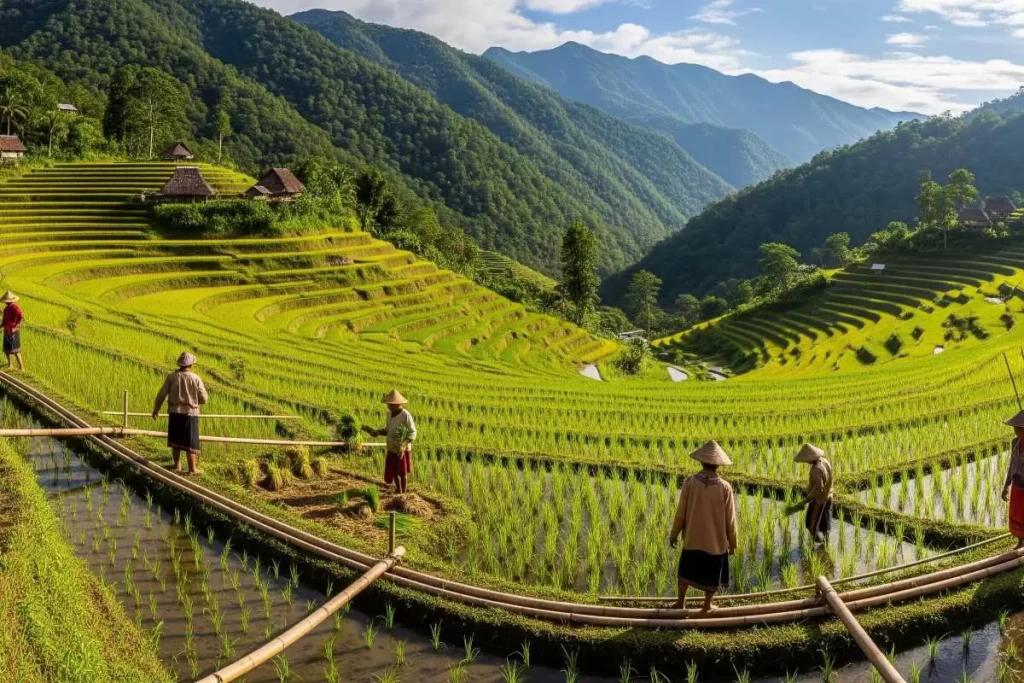
    A panoramic view of the Banaue Rice Terraces under clear skies, showcasing layered green paddies carved into the mountains of Ifugao, with native farmers tending the fields and visitors trekking along stone paths—an iconic representation of agricultural tourism in the Philippines.
    Elevated above the clouds, the Banaue Rice Terraces unfold as a majestic convergence of cultural legacy and agricultural ingenuity. These ancestral highland structures, etched into the Cordilleran terrain, remain an enduring emblem of human-environment harmony. Within the broader vision of agricultural tourism in the Philippines, the terraces serve as a ceremonial and productive landscape where ancestral practices are lived, preserved, and shared. This enduring monument cultivates a profound dialogue between tradition, ecology, and contemporary exploration.

    The scope of agricultural tourism expands with other provinces offering unique contributions to this vibrant sector. With its verdant landscapes, Laguna specializes in organic farming and aquaculture, providing tours highlighting sustainable agricultural practices. Cavite boasts coffee plantations and fruit orchards, offering a sensory journey through coffee production, from bean to cup. La Union, known for its grape farms, invites visitors to experience vineyard tours and wine tasting, integrating agricultural tourism with local gastronomy.

    Davao is a leading agricultural hub in the southern regions, famous for its durian and cacao farms, which support the burgeoning chocolate industry. Here, tourists can explore the comprehensive process of chocolate making, from cacao cultivation to the finished product. Pangasinan offers a unique experience with its salt farms and bangus (milkfish) hatcheries, highlighting the importance of aquaculture in the Philippines. Batangas, with its lush coffee farms and coconut plantations, adds to the diversity of agricultural experiences, allowing guests to experience the intricacies of coffee and coconut production.

    With its model of organic farms and sustainable agriculture initiatives, Puerto Princesa showcases the integration of eco-tourism with agricultural practices. These destinations, together with the provinces of Benguet and Guimaras, known respectively for their strawberry farms, flower fields, and exquisite mangoes, encapsulate the essence of agricultural tourism in the Philippines. This sector offers a gateway to understanding the various fertile landscapes and promotes sustainable tourism practices, fostering a deeper appreciation for the country’s natural resources and cultural heritage.

    Exploring organic farms and sustainable agriculture practices

    The organic farming movement in the Philippines is part of a more significant global trend towards sustainable agriculture, aiming to address food security, environmental degradation, and climate change impacts. Despite the benefits of organic farming, such as reducing chemical use and promoting biodiversity, it faces challenges, including lower yields compared to conventional farming due to the transition period required for soil rehabilitation and the limited availability of organic fertilizers. Organic farms, especially during the transition phase, produce lower yields because the soil, previously reliant on chemical inputs, needs time to rebuild its natural fertility. A study highlighted that organic yields could be 25–50% lower than those of conventional farms, mainly due to the scarcity of organic fertilizers from manure, agricultural residues, and municipal solid waste​​.

    The Philippines has seen significant growth in its organic production area, primarily driven by the export market, with coconut products being an important contributor. Despite these challenges, there are strategies to enhance organic farming’s yield and profitability, such as focusing on the international organic market, utilizing organic-specific crop varieties, and maximizing the use of available organic fertilizers. Shortening the supply chain can also help increase farmers’ incomes by connecting them directly with consumers​​.

    The country also makes strides in sustainable agriculture through innovative projects and methods. The Asian Network for Sustainable Organic Farming Technology (ANSOFT), initiated by the Asian Food and Agriculture Cooperation Initiative (AFACI), recognized the Philippines for its sustainable agriculture efforts. Techniques such as empoldering improve productivity in rice, fish, and vegetable production systems. Furthermore, initiatives like the Philippine Rural Development Project, supported by the World Bank, aim to enhance farming infrastructure, benefiting nearly two million farmers and fisherfolk. These projects underscore the Philippines’ commitment to sustainable farming practices and its potential to set a regional standard for poverty alleviation through agriculture​​.

    The Philippines’ organic and sustainable agriculture movement is a complex but crucial endeavor towards a more resilient and environmentally friendly food system. While it faces challenges such as lower yields and limited resources, ongoing innovation and support from local and international projects offer promising paths towards overcoming these obstacles and enhancing the sector’s sustainability.

    Farm-to-table experiences and culinary adventures

    The farm-to-table movement in the Philippines reflects a broader global trend towards sustainable agriculture. It emphasizes the importance of organic farming and the direct connection between producers and consumers. This movement aims to promote healthier eating habits, support local farmers, and minimize the environmental impact of food production and logistics.

    The demand for organic produce in the Philippines has surged due to increased awareness of sustainable agricultural practices prioritizing soil health and ecosystem balance. Organic farms nationwide are at the forefront of this shift, employing techniques like composting, vermiculture, and natural pest control. These practices not only yield high-quality, chemical-free crops but also contribute to the preservation of the environment.

    Located in Negros Occidental, a region renowned as the “Sugar Bowl of the Philippines,” visitors have the opportunity to tour sugarcane plantations and discover the intricacies of the sugar-making process. Visitors can observe the process of sugarcane being harvested, processed, and turned into the sweetener that is essential in Filipino dishes. Visitors can enjoy local delicacies like piaya and barquillos and even attempt to make these treats independently.

    A trip to Benguet province is essential for those who appreciate a good cup of coffee. Benguet is well-known for its premium Arabica and Robusta coffee beans, flourishing in the refreshing highland weather. Visitors can explore the intricate process of coffee cultivation, from planting and harvesting to roasting and brewing. They also have the chance to join coffee cupping sessions, allowing them to sample a range of coffee flavors and aromas. This experience is informative and a sensory pleasure, with the inviting scent of freshly brewed coffee wafting through the air.
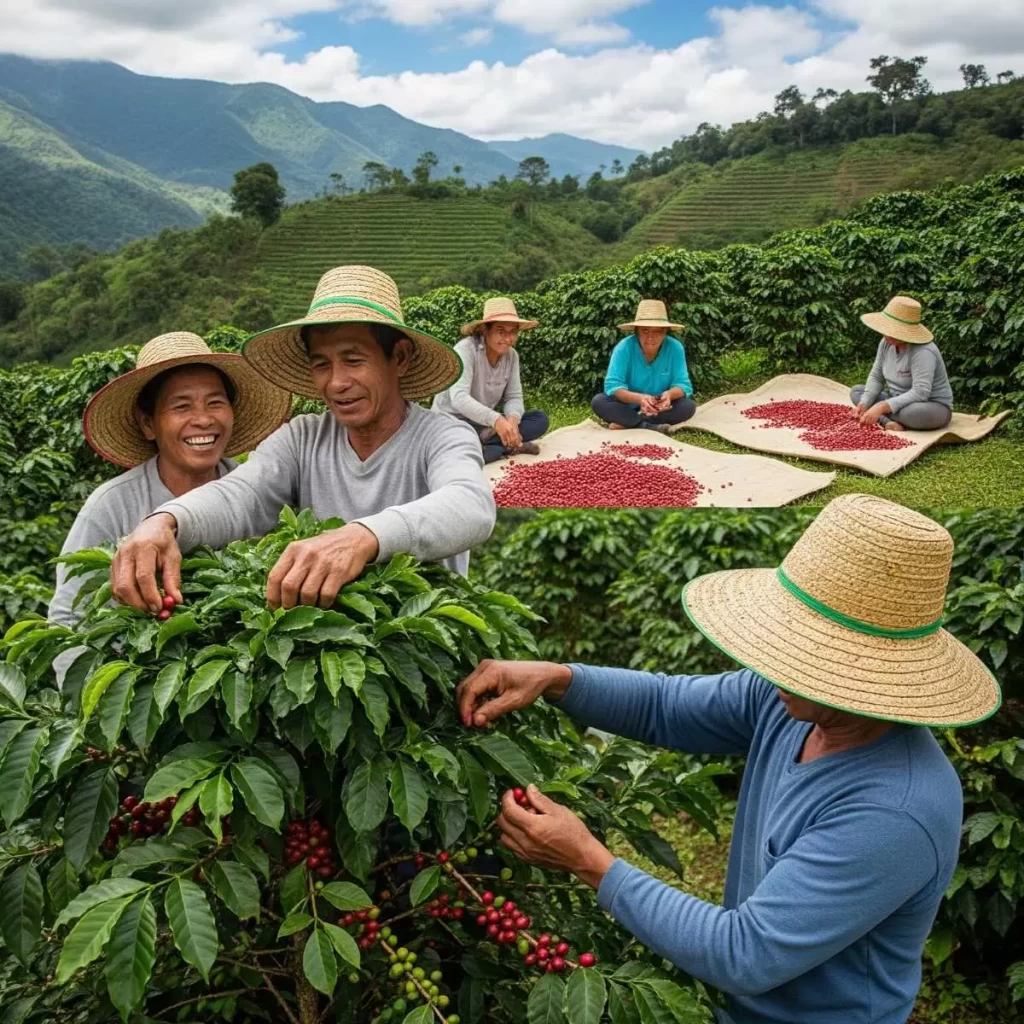
    A close-up image of a farmer’s hands delicately harvesting ripe red coffee cherries from a branch in a shaded highland plantation in Benguet, surrounded by lush green foliage and mountainous terrain, depicting sustainable farm practices and the growing farm-to-table movement in the Philippines.
    The resurgence of the farm-to-table ethos across Philippine provinces evokes a reorientation of food systems towards locality, sustainability, and cultural continuity. Within the mist-covered elevations of Benguet, where Arabica and Robusta thrive in volcanic soil, the act of harvesting coffee becomes both agricultural task and cultural rite. This tactile encounter between farmer and fruit anchors a movement that seeks transparency, environmental integrity, and shared nourishment. As regional farms open their gates to visitors, a new sensibility forms—one where the origins of sustenance are intimately understood.

    Visitors to these farm resorts can experience educational tours that demonstrate sustainable agriculture principles. Some farms offer workshops on organic farming and hands-on activities like planting and harvesting. The farm-to-table dining experience is a vital feature of this movement, where guests enjoy meals made from fresh, organic ingredients directly sourced from the farms. This approach ensures food quality and supports the local economy by keeping the supply chain short and transparent.

    As the farm-to-table movement grows, it encourages a deeper connection with food’s origins, fostering a greater appreciation for the labor and resources involved in food production. This movement benefits the environment and local economies and promotes healthier lifestyles by making organic, locally sourced food more accessible to the public.

    Participating in traditional farming activities and cultural immersion
    Philippine agricultural tourism provides much more than picturesque landscapes and delectable cuisine. This experience offers a distinctive prospect to deeply engage with the abundant cultural legacy of the tribal communities. Guests can better comprehend their way of life by engaging in traditional agricultural activities and conversing with local farmers.

    Visitors to the province of Pampanga can observe the traditional rice harvesting technique called “Magdaragat.” Using a sickle, cultivators manually trim the rice stalks while wading through knee-deep water in this centuries-old practice. While assisting the farmers in the fields, visitors can harvest rice and gain insight into its cultural significance in the Philippines. Engaging in this practical experience cultivates a profound admiration for the laboriousness and expertise in land cultivation.

    By residing with a local agricultural family, the province of Bohol provides a distinctive farm stay program that affords visitors a genuinely immersive cultural experience. Guests perform routine farm duties, including cultivating, animal care, and preparing traditional meals. This personal encounter not only imparts knowledge regarding the routine activities of Filipino farmers but also cultivates significant relationships and facilitates cultural interchange.

    Creating a sustainable future with Agri-tourism and eco-tourism

    Agricultural tourism goes hand in hand with eco-tourism, as both promote sustainable practices and the conservation of natural resources. By embracing agri-tourism, the Philippines can create a sustainable future that preserves its agricultural heritage while protecting the environment.

    One example of sustainable agri-tourism is the Bohol Bee Farm on Panglao’s pristine island. This eco-resort and organic farm showcase the importance of beekeeping in pollination and sustainable agriculture. Visitors can learn about the role of bees in food production, taste various honey-based products, and even participate in beekeeping workshops. The resort also practices sustainable tourism by using recycled materials in its construction, utilizing organic farming methods, and employing local communities.

    By promoting agri-tourism and eco-tourism, the Philippines can ensure the preservation of its natural resources, protect biodiversity, and support the livelihoods of local farmers. These sustainable practices benefit the environment and create memorable and meaningful visitor experiences.

    Getting Into The business of agri-tourism And Eco-Tourism

    This exploration into agri-tourism and eco-tourism represents a business opportunity and a chance to contribute to the sustainable development of the Philippine tourism industry. Investors and entrepreneurs are crucial in showcasing the country’s agricultural innovation and natural beauty while fostering responsible travel practices among visitors.

    Networking with industry professionals and consultants can provide valuable insights and support throughout the process. Consulting with a specialist in the field is invaluable for individuals seeking expert guidance or looking to connect with landowners for potential joint ventures. A consultant with a grass-root understanding of the Philippine agri-tourism and eco-tourism sector can offer tailored advice, facilitate connections with landowners, and assist in implementing sustainable and profitable business practices.

    For those with real interests or pursuits in establishing or investing in an agri-tourism or eco-tourism business in the Philippines, reaching out to a knowledgeable consultant and implementor offers a strategic advantage. Leveraging their expertise ensures that aspiring entrepreneurs can navigate the industry’s complexities, from conceptualization to operation, aligning with economic objectives and environmental stewardship.


  • Revealing The Top Real Estate 2024 Predictions

    Revealing The Top Real Estate 2024 Predictions

    Underlying real estate 2024 predictions is that the global market is on the brink of a notable transformation driven by technological innovation and changing market dynamics. Integrating virtual reality (VR) and blockchain technology is set to revolutionize how we buy, sell, and invest in properties. VR tours offer potential buyers the opportunity to explore properties in a comprehensive and immersive manner from anywhere in the world, broadening the market reach and enhancing the property selection process. Concurrently, blockchain technology promises to add a new layer of security and transparency to real estate transactions. Through decentralized and immutable record-keeping, blockchain ensures seamless property purchases, minimizes the risk of fraud, and simplifies the transaction process using smart contracts that automate and enforce agreement terms.

    Furthermore, applying artificial intelligence (AI) in property management and tenant-landlord interactions streamlines operations. It enhances decision-making through predictive analytics, setting a new standard for efficiency and client service in the real estate sector. The sustainability movement also profoundly impacts real estate trends, with a growing demand for eco-friendly living spaces. Consumers increasingly seek properties prioritizing energy efficiency, renewable energy sources, and sustainable building materials, reflecting a broader commitment to environmental stewardship and sustainability. These developments collectively herald a more innovative, secure, and sustainable future for the real estate industry in 2024, offering unprecedented opportunities for stakeholders across the spectrum.

    Technological advancements shaping the real estate industry

    Technological advancements are not new to the real estate sector, and 2024 will bring about even more noteworthy developments. An industry-defining outcome will be the proliferation of smart dwellings and automation. Envision a residence that autonomously adjusts the temperature, illumination, and security systems according to your preferences. This audacious concept will materialize by amalgamating intelligent devices and artificial intelligence. 

    Additionally, augmented reality and virtual reality will substantially impact the future of real estate. Potential purchasers can experience virtual reality excursions of properties from the convenience of their residences instead of conducting in-person visits to numerous establishments. This technology will enable purchasers to envision themselves in the space more effectively and save time and effort. Integrating augmented reality into the real estate process will increase the user’s view of property-related information, thereby furnishing invaluable insights and particulars. 

    Additionally, eco-friendly and sustainable building practices will influence the future of real estate. As global environmental awareness increases, Consumer demand for sustainable dwellings and buildings increases. The implementation of energy-efficient design principles and the leveraging of renewable energy sources, such as solar panels, are anticipated to increase in 2024. Developers will increasingly adopt green building certifications, such as LEED, to satisfy the rising demand for environmentally sustainable properties. 

    A woman wearing AR glasses in a modern interior interacts with projected three-dimensional architectural visuals, demonstrating the integration of smart home automation, augmented reality, and sustainable design in contemporary architecture.
    Advancing technologies transform the way spaces are conceived, experienced, and sustained. The emergence of intelligent dwellings merges artificial intelligence with automated systems to create living environments that respond intuitively to human needs. Augmented and virtual realities now extend this experience beyond physical boundaries, allowing individuals to immerse themselves in architectural visions before construction or purchase. These developments align seamlessly with the growing demand for sustainable structures that respect and preserve the natural environment.

    The Rise of Smart Homes and Automation

    The real estate 2024 predictions foresee a substantial surge in adopting smart homes and automation. As technological advancements progress, the capacity to incorporate intelligent devices into our living environments also develops. The scope is limitless, encompassing automated security systems and voice-activated assistants that regulate temperature and illumination.

    Smart homes provide an unprecedented degree of efficiency and convenience. One could envision awakening to a residence that auto-adapts the illumination and temperature to their preferred configurations or remotely controls appliances and security systems via a mobile device. In addition to improving our everyday lives, these developments substantially influence the real estate sector.

    There is a growing trend among prospective homeowners to prioritize properties that feature intelligent technology, as it not only enhances the occupants’ quality of life but also increases the property’s value. With householders retrofitting their existing properties and developers integrating automation features into new constructions, the demand for smart homes may increase significantly in the years to come.

    Although some householders may be discouraged by the initial expense of integrating innovative technology, the long-term advantages significantly surpass the financial investment. In addition to being energy-efficient, innovative residences provide improved security and comfort. Smart homes will likely become the norm in real estate as technology becomes more affordable and pervasive.

    Virtual Reality and Augmented Reality in Real Estate

    One of the real estate 2024 predictions is that we no longer need to personally tour various houses before selecting. Virtual Reality (VR) and Augmented Reality (AR) allow potential owners to view properties without leaving their homes.

    By 2024, the real estate sector will witness a rise in the adoption of VR and AR technologies, transforming property marketing and viewing experiences. Using Virtual Reality (VR), potential buyers can explore homes through immersive virtual tours, allowing them to experience a lifelike 3D environment. Users can move around each area, thoroughly inspect specific aspects, and gain an accurate understanding of the spatial arrangement and structure.

    In contrast, Augmented Reality (AR) superimposes digital information onto the physical environment, enabling customers to visualize how furniture and decorations might appear in a given location. This technology allows purchasers to assess a property’s possibilities and make well-informed judgments without needing a personal visit.

    Integrating virtual reality (VR) and augmented reality (AR) into the real estate sector enhances efficiency, conserves resources, and unlocks novel opportunities for global buyers and investors. Property developers and agents can present their property listings to a worldwide audience, therefore removing geographical limitations and broadening their scope of influence.

    With ongoing technological advancements and increasing accessibility, virtual reality (VR) and augmented reality (AR) will become essential components of the real estate sector. Potential buyers will have high expectations for virtual tours and interactive experiences, and homes with these amenities may need help capturing attention.

    A modern office setting where a person wearing a VR headset interacts with a tablet displaying a 3D property model, illustrating real estate 2024 predictions with virtual and augmented reality technology for immersive property viewing.
    Virtual and augmented realities redefine the relationship between space and perception. Through these technologies, prospective owners traverse residences without traversing physical distances. The architectural narrative of each property unfolds with precision, depth, and immediacy, revealing its form and potential in unprecedented ways. This shift signals a transformative moment for both creators and connoisseurs of the built environment.

    Sustainable and Eco-Friendly Construction Trends

    The sustainability movement has steadily grown in recent years and will continue. With increasing awareness of their ecological footprint, proponents are increasingly seeking sustainable and environmentally friendly projects and residences.

    Over the next several years, there will likely be a substantial transition towards construction processes and materials that are more ecologically sustainable. Developers will prioritize sustainability in their projects by using energy-efficient designs and renewable energy sources.

    Green building frameworks like LEED (Leadership in Energy and Environmental Design) will become common considerations. These certifications signify that a facility adheres to rigorous environmental criteria. Prospective buyers and tenants will search for buildings with these certifications due to their advantages, such as decreased energy usage, decreased utility expenses, and enhanced indoor air quality.

    Furthermore, we may anticipate a rise in integrating green areas inside projects alongside implementing sustainable construction principles. Roof gardens, vertical forests, and shared green spaces will become more frequent, offering inhabitants the opportunity to connect with nature and enhancing the general welfare of the community.

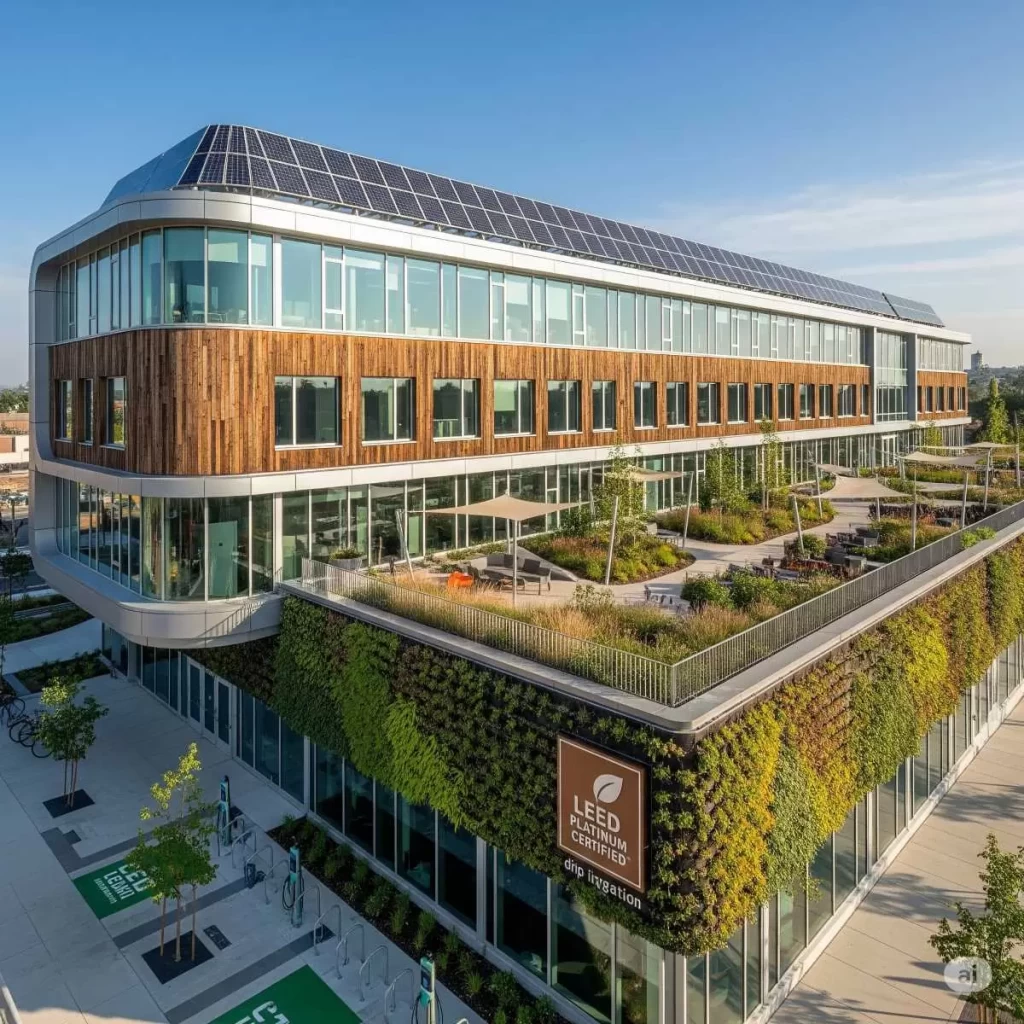
    A contemporary building with expansive solar panels on its roof, surrounded by landscaped greenery, representing real estate 2024 predictions focused on sustainable architecture and renewable energy integration.
    The built environment embraces a deeper covenant with nature as sustainability assumes a central role in architectural expression. Rising ecological awareness reshapes the criteria for value and desirability in residences and developments. Forward-thinking projects integrate renewable energy systems, environmentally attuned materials, and verdant communal spaces that enrich both the landscape and the human experience. This era invites a vision of progress defined by stewardship as much as innovation.

    Customer demand and government rules and incentives motivate the transition towards sustainable buildings. Governments worldwide will offer developers tax exemptions and other benefits to promote environmental sustainability and encourage them to implement eco-friendly methods.

    Changing demographics and the impact on real estate

    Demographic changes will significantly influence the real estate sector in 2024. One significant development is the maturing of the population. As more baby boomers approach retirement age, the demand for senior housing and retirement communities will increase. Early adopters of this trend, including investors and developers, will gain a competitive advantage in the marketplace.

    Conversely, the millennial generation will undoubtedly remain significantly influenced by the real estate industry. As this generation enters their prime years to purchase a property, their preferences and requirements will dictate market trends. Millennials prioritize sustainable features, walkability, internet availability, and amenities when buying a property. Developers who accommodate these preferences will enjoy a competitive advantage in the marketplace.

    The rise of digital nomadism and remote employment will also affect the real estate industry. The increasing flexibility for professionals to work remotely will lead to a heightened need for adaptable housing options, including co-living spaces and short-term rentals. Real estate investors who demonstrate adaptability and technological sophistication in their housing solutions will prosper amidst the evolving market conditions. 

    The growing importance of data analytics in real estate

    Data analytics will assume a progressively critical function within the real estate sector in the coming years. Utilizing the available data, encompassing market trends and consumer preferences, will be imperative for success. Real estate experts who can gather, evaluate, and comprehend data with efficacy will attain a competitive edge.

    The application of data analytics will aid real estate investors in recognizing emergent market trends and making well-informed investment decisions. It will also enable real estate agents to provide clients with customized recommendations based on their preferences and requirements. Furthermore, there will be an increased prevalence of data-driven marketing strategies, enabling experts to precisely reach the intended audience at the optimal moment with the most pertinent message.

    The role of artificial intelligence in property management

    Artificial intelligence (AI) will have a transformative impact on property management. AI-powered chatbots will optimize tenant-landlord interactions, facilitating streamlined communication and the resolution of issues. AI-powered platforms will allow tenants to submit maintenance issues, make rent payments, and obtain updates, augmenting the overall tenant experience.

    Additionally, AI will substantially impact predictive maintenance. By analyzing data derived from intelligent devices and sensors, artificial intelligence algorithms can identify potential issues before they escalate into more consequential problems. This proactive strategy will help property owners save time and money by stopping expensive maintenance and reducing downtime.

    Beyond property administration, AI will also significantly influence the real estate transaction process. Powered by artificial intelligence, blockchain technology will facilitate transparent and secure transactions, eliminating the need for intermediaries and accelerating the purchasing and selling process. Smart contracts will automate contract execution, ensuring all parties adhere to the agreed-upon terms.

    Predictions for the commercial real estate market

    The commercial market will experience substantial transformation, including the proliferation of flexible office spaces. The conventional office model will transform as more organizations adopt remote work and flexible schedules. The prevalence of co-working and shared office spaces will increase naturally, providing businesses with the necessary flexibility while avoiding the lengthy obligations associated with conventional leases.

    A further forecast pertains to the metamorphosis of retail environments. To sustain the rise of e-commerce, traditional retailers must make necessary adjustments. Business owners are introducing more experiential retail concepts in which physical locations provide one-of-a-kind experiences that are impossible to replicate online. Retail spaces have the potential to transform into destinations that offer personalized purchasing experiences, entertainment, and education.

    Lastly, expanding e-commerce will sustain the industrial real estate market’s prosperity. The increasing prevalence of online purchasing will lead to a corresponding rise in the demand for warehouses, logistics facilities, and fulfillment centers, which is advantageous for industrial property-focused developers and investors.

  • Philippine Real Estate In 2024 For Investors And Developers

    Philippine Real Estate In 2024 For Investors And Developers

    Several critical factors will shape the landscape of Philippine real estate in 2024, including a burgeoning middle class, increasing urbanization, and a strategic pivot towards sustainable and smart development projects. Despite inflation and rising interest rates, the sector demonstrates remarkable resilience and is ready for expansion and innovation. This period of growth is about scaling up. It’s about strategic adaptation and embracing change. Infrastructure developments, a growing emphasis on mixed-use projects, changes in government policies, and technology integration in property management and development are driving the market forward. With its dynamic blend of opportunities and challenges, the Philippine real estate sector invites stakeholders to explore, invest, and contribute to a robust and sustainable growth trajectory.

    Positive Economic Outlook

    The Philippines is forecasted to grow massively, indicating a solid economic outlook. The country has likely concluded last year with a growth rate of 6%, showcasing rapid development. For 2024, experts predict a growth rate of 5.8%. Strong consumer demand, a vibrant labor market, robust remittances, and a significant increase in urban household incomes drive this growth. The economy of the Philippines is expected to expand by 27.5% over the next five years, resulting in an average GDP growth rate of 5.5%. This anticipated growth presents a valuable opportunity for investors to purchase real estate at a lower cost and benefit from the potential increase in property value as the country develops. Additionally, the expanding economy and population offer a promising chance for rental income.

    Property Market Trends

    Developers and leasing agencies should prepare for rising demand by ensuring available inventories in 2024. Colliers forecasts the delivery of 9,620 new condominium units, marking the most significant completion since 2019 and indicating a rebound in the property market. This considerable increase in new units, with about two-thirds located in Metro Manila’s Bay Area, reflects a robust recovery and growing confidence in the residential sector.

    Retail spaces must also undergo renovations and redevelopments to cater to increasing consumer demand. Mall operators are encouraged to continue enhancing retail spaces while organizing activity-centered events, with a projected 385,900 square meters of new retail space coming in 2024. This expansion in retail space, including the completion of super-regional malls, is in response to consumers’ evolving needs and preferences, further signaling a positive outlook for the Philippine property market.

    Urbanization And Housing Demands

    Rapid urbanization, rising population density, and limited land for development are key factors driving property prices upward in cities like Metro Manila, Cebu, and Davao. The demand for residential properties, exceptionally affordable housing, and mid-range condominiums increases as more people move to these cities for employment and better living conditions. This demographic shift and the limited land area for development push property prices upwards.

    Consumer demand plays a significant role in shaping the real estate market dynamics. High-demand areas, especially those near business districts and commercial centers, often see more buyers competing for available properties. While the supply of new housing actively responds to this demand by constructing high-rise condominiums and mixed-use developments, it may only perfectly match the demand regarding affordability and specific location preferences.

    Mortgage rates are crucial in shaping consumer buying power and demand. Lower interest rates make mortgages more affordable, enabling more people to purchase homes. Conversely, higher rates can restrict buying power and cool the market. The impact of interest rates on the real estate market can vary depending on broader economic conditions and buyers’ financial circumstances.

    Relaxation And Updates To Government Policies

    Changes in foreign investment laws, property taxes, and real estate development processes play a crucial role in shaping the attractiveness of the Philippine real estate market to investors. Adjustments in these areas can either stimulate or dampen market activity, directly impacting the buying and selling of properties.

    For instance, any relaxation in foreign ownership laws could significantly boost the market by attracting more foreign buyers. This move would increase the demand for real estate, potentially driving up property values, especially in sought-after areas like Metro Manila, Cebu, and Davao. Conversely, changes in property taxes or real estate regulations could have the opposite effect, stimulating or restraining market activity depending on the nature of the changes.

    Infrastructure projects, such as new highways, airports, and mass transit systems, also significantly impact property values in the affected areas. These projects enhance connectivity and accessibility, making certain areas more attractive for real estate development and investment. Improved infrastructure can increase demand for properties in these areas, increasing prices and making them more appealing to investors looking for valuable investment opportunities.

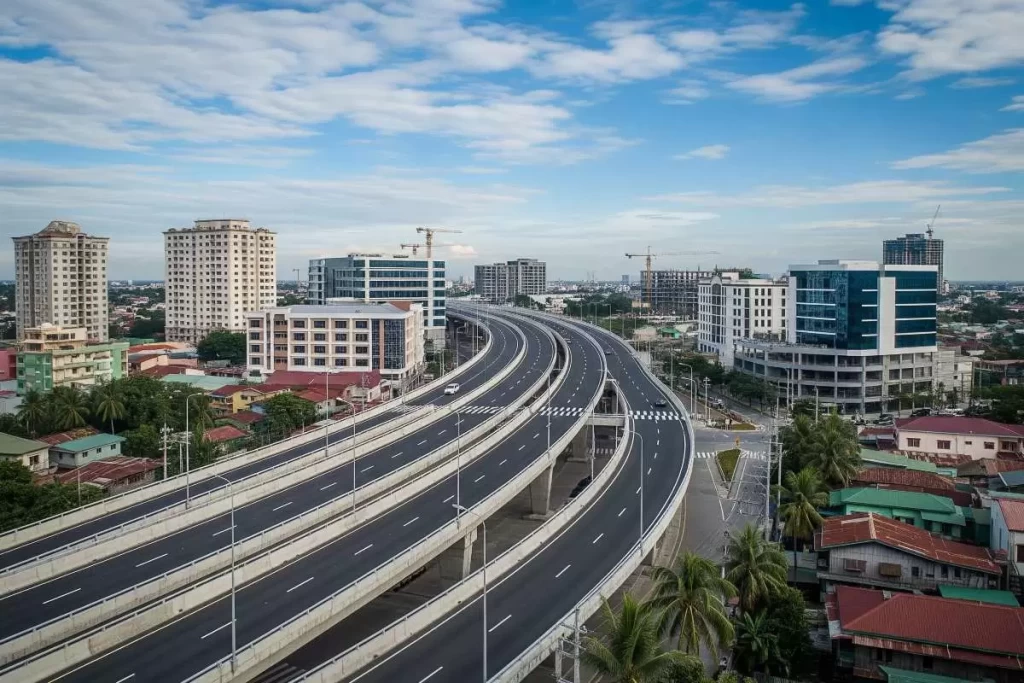
    Aerial view of a multi-lane highway curving through a densely built Philippine city in 2024, surrounded by high-rise condominiums, commercial buildings, and pockets of green space, illustrating the rapid development and spatial tension of philippine real estate in 2024.
    As Philippine cities surge in population and ambition, the built environment reacts with increasing verticality and infrastructural expansion. Metro Manila, Cebu, and Davao emerge as emblematic territories where spatial scarcity and economic pull converge. The shifting urban topography, shaped by rising demand for mid-income residences and affordable housing, illustrates the evolving priorities of a workforce drawn to metropolitan opportunity. A multi-lane highway carving through the urban density becomes not only a functional artery but a metaphor for the relentless drive of real estate development.

    Government policies, infrastructure developments, and economic factors influence the Philippine real estate market dynamics. Keeping abreast of these changes is crucial for investors, developers, and anyone interested in the real estate market, as they can significantly affect investment decisions and market trends.

    Tourism Outlook For Philippine Real Estate In 2024

    The Department of Tourism (DOT) in the Philippines has set an ambitious target of 7.7 million international arrivals in 2024, marking a significant increase from previous years and indicating a positive trajectory for the tourism industry. This goal reflects the country’s continued recovery from the negative impacts of a pandemic, driven by increasing arrivals from key source markets in Asia, Europe, and North America, primarily the US.

    Efforts to attract more visitors are underway, focusing on integrated marketing strategies, improved destination marketing by the private sector, and enhanced collaboration between stakeholders. These efforts are crucial for the tourism sector’s gradual recovery to pre-pandemic levels, with a strong emphasis on increasing international arrivals and tourism receipts.

    The Philippines will fully recover its pre-pandemic level of foreign visitors, with arrivals predicted to reach 8.21 million by 2024. This recovery is supported by the expansion of tourism infrastructure, which aims to accommodate the anticipated increase in visitors. Infrastructure projects, such as new highways, airports, and mass transit systems, are expected to boost property values in affected areas and improve overall accessibility, further enhancing the attractiveness of the Philippines as a tourism destination.

    The positive outlook for tourism in the Philippines is a testament to the sector’s resilience and the strategic efforts made by the government and private stakeholders to revive and promote the country’s diverse attractions. As the industry recovers and grows, the Philippines is poised to reaffirm its position as a leading travel destination in Southeast Asia.

    International Players In Philippine Real Estate In 2024

    Driven by the country’s stable and growing economic environment, the Philippine real estate industry will attract significant development activities from various nationalities in 2024. Trends indicate a broad interest from investors across Asia, particularly from China, Japan, South Korea, and American and European investors. These investors are drawn to the Philippines due to its strong macroeconomic fundamentals, strategic location in Southeast Asia, and growing demand for diverse real estate projects.

    Mainland Chinese investors have shown a keen interest in the Filipino real estate market, channeling their investments into residential developments, commercial properties, gaming industries, and hospitality projects. The enhancement of diplomatic and economic relations between the Philippines and China has facilitated a significant increase in Chinese capital within the country’s property sector. On the other hand, Japanese investors have concentrated on securing Grade-A office spaces in prime locations within Metro Manila. This move aims to accommodate the burgeoning business process outsourcing (BPO) industry and meet the needs of various corporate tenants.

    South Korean investors have maintained an active presence in the Philippine real estate market, investing across various residential, townstrips, golf club projects, and industrial sectors. South Korea’s interest has expanded into the industrial parks and warehousing sectors, particularly within the Cavite–Laguna–Batangas (CALABA) corridor. This area is highly sought after due to its strategic location and proximity to Metro Manila, making it an attractive hub for investors. The rise of emerging sectors, such as electric vehicle (EV) manufacturing, has further spurred the demand for industrial spaces in the region. Additionally, the growing data center market in the Philippines has caught the attention of South Korean investors, who anticipate stable operating income from the sector’s expansion and its recognition as an independent asset class.

    American and European investors have also explored various opportunities within the Philippine real estate landscape. Their interests span office spaces, residential developments, logistics facilities, warehousing, energy projects, and hotels. The positive trajectory of the country’s gradual economic recovery and the advancement of economic and political stability have contributed to an optimistic outlook for Philippine real estate in 2024.

    Investment Opportunities For Philippine Real Estate In 2024

    The Philippine real estate industry presents diverse and healthier investment opportunities for investors and developers, focusing on sustainable and inclusive growth. The introduction of more township developments, especially in rural areas both south and north of Luzon, marks a significant shift towards decentralizing urban growth and promoting regional development. These townships, designed as self-sufficient communities, offer a mix of residential, commercial, and recreational facilities, catering to the evolving preferences of new communities seeking quality living outside congested urban centers.

    Meanwhile, the impact of more gaming and entertainment complexes in a region attracts local and international tourists. It stimulates the local economy by creating jobs, enhancing infrastructure, and increasing demand for real estate. These complexes will contribute to the dynamic landscape of the Philippine real estate market in 2024, offering lucrative opportunities for investment in hospitality and commercial properties.

    Wellness and retirement villages are gaining popularity, reflecting a growing trend towards health and wellness. These developments cater to a demographic looking for a holistic approach to living, combining healthcare facilities, leisure amenities, and a serene environment. The rising appeal of these villages underscores the potential for investments in properties that prioritize well-being and cater to the needs of local and foreign retirees.

    Resort developments that highlight the beauty of the country’s natural resources represent another promising area for investment. With its stunning beaches, mountains, and biodiversity, the Philippines offers unique opportunities for developing eco-friendly resorts that attract domestic and international tourists. These real estate jewels promote sustainable tourism and contribute to conserving the natural environment.

    The Philippine real estate market is expected to continue recovering, with projections indicating robust demand for prime and Grade A+ developments in critical districts such as Makati, BGC, and Ortigas. Demand and leasing activity are anticipated to improve in 2024, with prominent buildings experiencing rapid uptake, especially from expanding existing tenants. This outlook suggests a positive trajectory for the real estate industry, with various investment opportunities catering to market segments and preferences.

  • Real Estate Investment Opportunities In The Philippines By 2024

    Real Estate Investment Opportunities In The Philippines By 2024

    In the heart of Southeast Asia, the Philippines’ real estate market is undergoing an extraordinary transformation. As one of the fastest-growing markets in the region, projected to reach an impressive US$5.96 trillion in value in 2023, the country presents a landscape brimming with opportunities. A story of a sector revitalized by solid macroeconomic fundamentals, an upsurge in demand for upscale real estate, and an innovative drive toward infrastructure development, the expansion is not merely quantitative. Varying in appearance, from the vibrant thoroughfares of Metro Manila to the tranquil expanses of the provinces, every region of the Philippines presents a distinct investment story. Given its projected market size as one of the largest in Southeast Asia and the anticipated increase in demand for housing units beyond one million by 2025, the Philippine real estate industry emerges as an exemplary opportunity for global investors. The dynamic market, emphasizing the changes, prospects, and forthcoming trajectories of real estate investment in the Philippines in 2024, reveals a landscape marked by rapid urbanization, evolving consumer preferences, and an increasing focus on sustainability and infrastructure development, setting the stage for diverse and lucrative investment opportunities.

    The Positive Outlook During 2023

    In 2023, the sector will likely benefit from the government’s continued focus on infrastructure development, a key driver of real estate growth. Major infrastructure projects, such as new roads, bridges, and transportation hubs, are improving connectivity across the archipelago and opening up new areas for real estate development. This infrastructure push enhances the attractiveness of real estate investments in established and emerging urban centers.

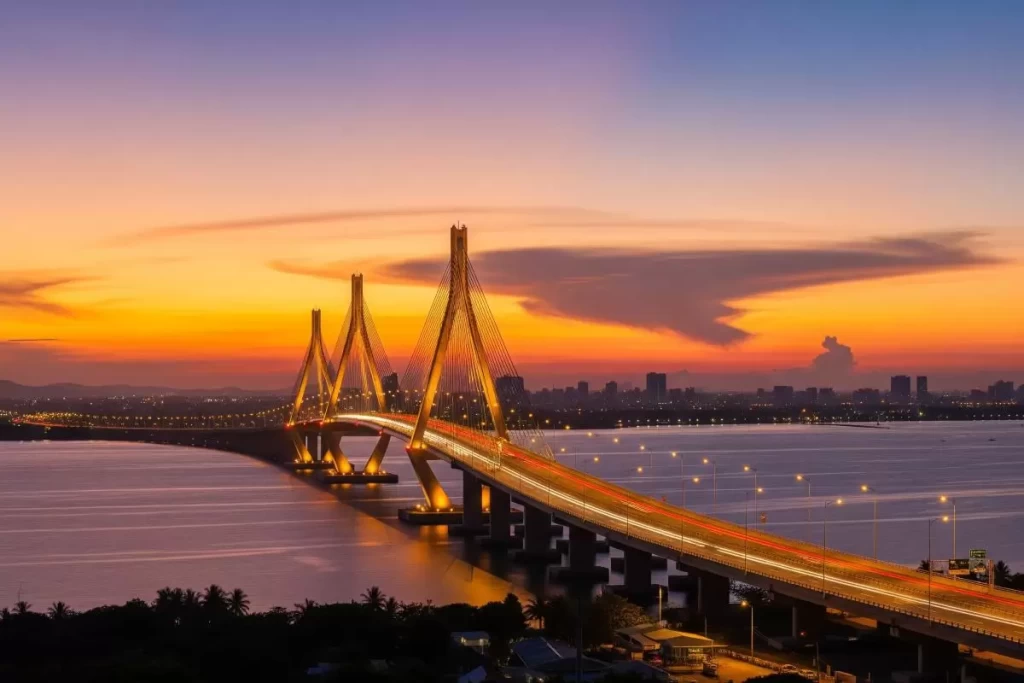
    A long cable-stayed bridge stretches across a wide expanse of water, connecting two urbanized shorelines under a bright sky, symbolizing enhanced infrastructure and real estate investment opportunities in the Philippines.
    The Philippine government’s sustained commitment to infrastructure expansion plays a pivotal role in shaping the nation’s real estate landscape. As strategic projects extend connectivity through key urban and rural corridors, latent development potentials are being activated across the archipelago. This transformation bolsters the economic viability of both established districts and newly emerging growth centers. The resulting urban rhythm reflects the deepening relationship between built environments and progressive nation-building.

    Moreover, with a large and young population, the Philippines’ demographic trends are creating a steady demand for various real estate types. The residential market, in particular, is poised to grow, driven by the increasing purchasing power of Filipinos and a cultural preference for homeownership. The commercial sector, especially retail and office spaces, is also expected to see sustained demand as businesses expand in line with the country’s economic growth.

    The Philippine government’s initiatives to attract foreign investors further bolstered the sector’s resilience. Relaxation of foreign ownership restrictions and incentives for overseas investors make the Philippine real estate market more approachable and attractive to a global audience.

    Real Estate Investment Opportunities in the Philippines By 2024

    1. Office Space in Metro Manila: The office sector in Metro Manila has undergone significant changes, with average rents dropping by 35% since 2020 and a projected further decline of 10% in 2022​​. This decline, however, is not uniform across all areas. Submarkets like Fort Bonifacio and Makati CBD are seeing stabilizing rents due to declining vacancies​​. An expected increase in office space vacancy to about 20.5%, with the delivery of approximately 603,900 sq meters of new supply, suggests an opportunity for strategic investments in these areas​​.
    2. Provincial Office Transactions: The distribution of office transactions in various provinces indicates varied investment potentials. Davao accounted for 28% of these transactions, followed by Pampanga with 14%​​. These areas might present promising opportunities for investors seeking to diversify outside Metro Manila.
    3. Renewable Energy Investments: The renewable energy sector in the Philippines is becoming a compelling opportunity for foreign direct investments (FDIs). The government’s push for energy security and sustainability, combined with the ease of nationality restrictions in this sector, offers a lucrative avenue for investment​​.
    4. Transportation, Logistics, and Infrastructure: With the relaxation of foreign equity restrictions in sectors like airports, railways, logistics, and tollways, there is significant potential for investment in transportation and related infrastructure​​.
    5. Technology, Media, and Telecommunications (TMT): The TMT sector is riding the wave of digitalization, with recent legislative amendments increasing its attractiveness for FDIs. This sector remains a leading area for deals and investments​​.

    Comparative Analysis of Traditional vs. New Investment Models

    In the Philippines, the real estate investment landscape is significantly transitioning from traditional to new models, each with distinct characteristics and opportunities. Historically, the focus has been on residential and commercial properties in major urban areas, particularly Metro Manila. These traditional investments are known for their high capital values and stable rental yields, making them a preferred choice for investors seeking reliability and consistent returns.

    However, the evolving landscape has given rise to new investment models. One such model involves diversification into provincial areas. These regions offer lower entry costs than major urban centers and are emerging markets with significant growth potential. This positioning allows for risk mitigation through geographical diversification and taps into the growth of less saturated markets.

    Another emerging model is investments in infrastructure and renewable energy. These sectors are increasingly attractive due to supportive government policies and a global transformation towards sustainability. Investments in these areas align with broader economic and environmental trends, offering long-term benefits and contributing to the country’s development.

    Furthermore, the real estate sector is also witnessing a surge in embracing technological advancements and digitalization, notably in the Technology, Media, and Telecommunications (TMT) sector. This appeal towards technology-focused investments reflects the growing importance of digital infrastructure in the modern economy. These investments are not limited to physical properties but extend to digital assets and platforms, catering to the evolving needs of a digitally connected population.

    The Escalation And Effects Of Renewable Energy Projects

    Investors should consider the emerging opportunities in the Philippine real estate market, particularly those near areas designated for renewable energy production. The nation urgently needs alternative power sources due to the impending depletion of the Malampaya gas fields, which currently supply 30% of Luzon’s energy needs. With these fields expected to be depleted by 2024 and the country experiencing some of the highest electricity costs in Southeast Asia, there’s a pressing demand for renewable energy solutions.

    A wide solar farm stretches across arid land under a clear sky, with rows of photovoltaic panels reflecting sunlight and small utility buildings nearby, illustrating the Philippine shift toward renewable energy infrastructure amid rising power demands.
    A critical juncture in the Philippine energy narrative is reshaping the spatial logic of investment and development. With the anticipated depletion of the Malampaya gas fields, areas aligned with renewable energy initiatives are becoming focal points of national planning. This directional shift invites a reimagining of settlement patterns, infrastructure alignments, and future-proofed urban frameworks. The architectural potential lies not only in responding to energy transitions but in designing around them.

    Diversification and Growth Potential

    Investing in provinces and sectors like renewable energy offers risk mitigation and capitalizes on the growth potential outside traditional urban centers. The Philippines Renewable Energy Market is projected to grow significantly, from 8 gigawatts in 2023 to 22.15 gigawatts by 2028, at a CAGR of 22.60%. This growth for renewable energy, reduced tariffs, and supportive government policies is fast becoming the standard​​.

    Solar Energy as a Key Driver

    Solar energy, in particular, presents an immediate solution to the nation’s growing energy requirements. With the costs of solar power equipment steadily decreasing and the ease of installation, solar systems are gaining popularity across the Philippines. The capacity for solar energy reached 1,625 MW as of 2022. Significant projects, such as plans to convert lands in Nueva Ecija and Bulacan, covering over 3,000 hectares​​, into solar energy projects, are underway.

    Real Estate Investment Opportunities In The Philippines Near Renewable Energy Sites

    Offering a variety of investment prospects, renewable energy production regions in the Philippines are swiftly becoming ideal locations for new city and township developments. The expansion of the renewable energy industry and the benefits of sustainable, cost-effective energy increase the demand for various real estate categories significantly. Due to the lower energy costs and the allure of residing in environmentally conscious communities, these areas are desirable as residential areas. Similarly, the increase in business activity and workforce will positively impact the commercial sector, which will require the construction of offices, retail establishments, and other commercial areas.

    Beyond residential and commercial developments, significant opportunities for industrial expansion are also evident in these regions. Sectors that require substantial energy may discover these areas especially attractive because of the reliable and economical electricity provided by renewable sources. The industrial expansion this transition will inevitably generate will likely stimulate the industrial real estate market. Furthermore, incorporating agro-industrial enterprises into these regions presents a novel strategy for achieving sustainable development. By employing renewable energy sources to power agricultural processes, parts can achieve higher production efficiency and environmental friendliness, bolstering their attractiveness as destinations for agro-industrial investments.

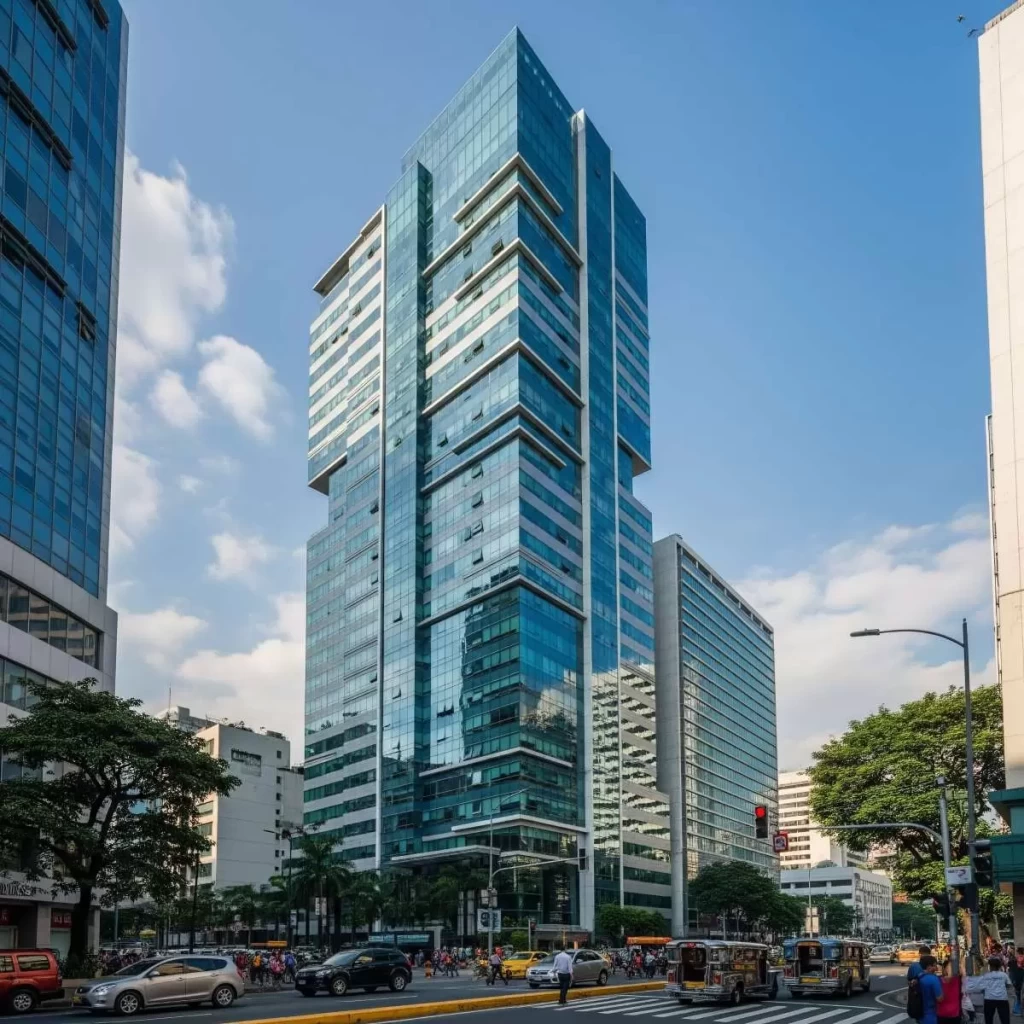
    A tall modern building stands prominently along a busy Philippine city street surrounded by mid-rise buildings, trees, vehicular traffic, and pedestrians, illustrating urban development near renewable energy zones and highlighting real estate investment opportunities in the Philippines.
    Regions prioritized for renewable energy production in the Philippines are revealing their broader architectural and developmental significance. These zones, once peripheral, now attract a convergence of residential, commercial, and industrial frameworks shaped by the logic of sustainable power. As the built environment responds to clean energy access, new configurations of urban density, function, and ecological integration begin to take form. A recalibration of city-building is underway, anchored by resilience and energy efficiency.

    There is an exceptional opportunity for investors and developers to be at the vanguard of this burgeoning market. By strategically investing in regions designated for renewable energy generation, they can access diverse real estate prospects, capitalizing on the prevailing sustainability trend. Agro-industrial, commercial, and residential developments are advantageous due to their proximity to sustainable energy sources. This strategic approach is based on worldwide sustainability objectives and offers many investment opportunities supported by the crucial focus on clean and renewable energy.

    Government Support And Global Trends For Real Estate Investment Opportunities in the Philippines

    In alignment with global sustainability trends, the Philippine government’s commitment to renewable energy and infrastructure fosters a supportive environment for investments in these sectors. Ambitious goals must transform the nation’s energy mix, aiming for 35 percent renewable energy by 2030 and 50 percent by 2040, as part of a broader strategy to transition towards a sustainable, low-carbon energy future. The Philippines seeks financial support and partnerships from international entities, including the World Bank, to achieve these targets. The Just Energy Transition Partnerships (JETP) and similar initiatives offer potential avenues for support, positioning the Philippines to transition towards a renewable energy-dominated power system that promises to enhance energy security and affordability​​​​.

    The government’s energy transition plan includes a comprehensive approach, focusing on increasing energy efficiency and adopting new technologies. Targets such as achieving a 5-percent energy saving on oil products and electricity by 2040 and a 10-percent electric vehicle penetration rate in road transport by the same year are critical components of this strategy. The plan also emphasizes the development of resilient and climate-proof energy infrastructure and adoption of advanced information and communications technology in the energy sector. To meet these ambitious goals, the Philippines actively seeks collaboration with the private sector, international donors, and development partners to drive the power sector’s transformation ambitiously and sustainably.​

  • Evolution And Controversies of Philippine Condominium Designs

    Evolution And Controversies of Philippine Condominium Designs

    The urban housing landscape in the Philippines has undergone a significant transformation, with condominium designs taking center stage. This shift is not merely a trend but a reflection of more profound societal changes. As cities evolve into centers of opportunity, they offer many benefits, from career advancement to lifestyle enhancements. This magnetic pull of urban centers has led to a significant increase in population density, creating a housing demand that traditional options can no longer meet. Condominium designs have emerged as a viable solution, aligning with the complexities and needs of urban living.

    The Dynamics and Criticisms of Urban Condominium Designs

    Due to innovative condominium designs, condominium typologies have become dominant in the urban residential cityscape. These structures offer convenience and luxury, often in prime city locations. Such strategic positioning provides residents quick access to workplaces, recreational areas, and essential services. However, critics argue that this prime real estate often comes at a high cost, making it inaccessible to lower-income groups and contributing to social inequality.

    A contemporary mid-rise condominium building with modern architectural features located adjacent to a landscaped town plaza with pedestrian pathways and urban greenery, representing current trends in Philippine condominium designs.
    The ascendancy of condominium designs has reshaped the Philippine urban fabric into a vertical expression of residential aspiration. These architectural configurations assert their presence within strategic zones, responding to the demands of proximity, density, and upward mobility. In the pursuit of refined living, developers deploy a choreography of form and function to capture an elusive synthesis of comfort and distinction. Amid these advancements, the built environment must reconcile its gestures of innovation with the weight of its societal and ecological footprint.

    The competition among developers has led to continuous innovation in condominium designs. Each new project aims to incorporate unique features that set it apart. While this competition pushes the boundaries of architectural design, it also raises questions about the cultural, sustainability, and environmental impact of such rapid development.

    Navigating Regulatory and Design Complexities

    Crafting innovative condominium designs in urban settings like the Philippines is far from straightforward. It involves a maze of challenges that architects and developers must skillfully navigate. One of the most pressing issues is the scarcity of suitable land in prime locations. As cities become more congested, finding the right spot for a new condominium development becomes increasingly tricky. This land scarcity often drives up property prices, making the project less accessible to potential buyers.

    The intricate web of zoning laws and regulations presents another significant hurdle. These legal mechanisms specify building limitations and can impose restrictions. For instance, certain areas may be zoned for low-rise buildings only, making it impossible to construct a high-rise condominium. Moreover, the flimsy regulatory frameworks currently in place cultivate a series of unnecessary permits and approvals before application can even begin. More importantly, bureaucratic red tape can be time-consuming and costly, often leading to delays in project timelines.

    Some argue that the stringent rules can stifle architectural creativity and innovation. They contend that the layers of bureaucracy can act as a deterrent for architects and developers who wish to push the boundaries of conventional condominium designs. Furthermore, the cost incurred in complying with these regulations often gets passed on to the consumer, making the units more expensive.

    On the flip side, proponents of the existing regulations argue that they are essential for maintaining urban order and ensuring the safety and well-being of residents. These guidelines are necessary for a proliferation of poorly designed and unsafe buildings. They also point out that the regulations can serve as a quality control framework, ensuring that only well-planned and well-executed projects see the light of day.

    In light of these opposing viewpoints, it becomes clear that finding a middle ground is crucial. One potential scenario could involve a more streamlined approval process that upholds essential safety standards. Another could be the provision of incentives for projects that incorporate sustainable and innovative features, thus encouraging architects and developers to think outside the box while adhering to regulations.

    The Philosophy of “Work, Live, Play” in Condominium Designs

    The “work, live, play” philosophy has become a cornerstone in modern condominium designs. This concept aims to create a holistic living experience by integrating various aspects of life into a single residential setting. Condominiums that embrace this philosophy feature multiple amenities designed to cater to residents’ professional, personal, and recreational needs.

    Amenities such as gyms, pools, and 24/7 security services are standard in these condominiums. However, the philosophy extends beyond these basics. Some developments even include in-house co-working spaces, allowing residents to maintain a healthy work-life balance without needing a daily commute. This feature has gained prominence, especially in rapidly growing metropolitan areas where traffic congestion is a significant concern.

    The concept also extends to leisure and recreation, another critical component of urban living. Communal spaces like gardens, wellness centers, and entertainment rooms are standard features, allowing residents to unwind and socialize without leaving the premises. Some developments go the extra mile by offering extravagant amenities like mini-theaters or art galleries, elevating the living experience to new heights.

    Innovations and Environmental Concerns in Condominium Designs

    In the world of urban development, the design of condominiums serves as a testament to architectural innovation and environmental consciousness. Direct elevator access to individual units is one of the most striking features that set premium condominiums apart. This convenience adds a layer of privacy and elevates the living experience to a new level of luxury. Customized amenities such as in-house wellness centers, pet spas, and co-working spaces cater to a diverse resident population and make each condominium project unique.

    However, innovation continues beyond luxury or convenience. A growing trend in condominium designs focuses on environmental sustainability. For instance, some residential towers pursue certification from the U.S. Green Building Council’s Leadership in Energy Efficient Design (LEED) program. These buildings employ advanced glass materials that reduce solar heat gain, cutting back on cooling requirements. Efficient cogeneration plants power these buildings and recapture heat energy, saving thousands of metric tons of CO2 annually.

    Moreover, some condominium designs integrate green walls, terraces, and facades covered with native vegetation. These features not only add aesthetic value but also serve to regulate interior temperatures naturally. Such designs are fed by recycled wastewater, aligning with the broader environmental sustainability goals.

    However, the path to environmental sustainability in condominium designs has its challenges. Critics argue that while these green features are commendable, they can also drive up the costs, often passed on to the residents. Additionally, using sustainable materials like timber, although renewable and recyclable, requires a paradigm shift in construction practices and consumer expectations.

    Infusing Local Arts and Culture into Condominium Designs

    Modern condominium designs often prioritize utility and efficiency, sometimes at the expense of character and cultural relevance. This practical approach can lead to spaces that lack a sense of community or connection to the local culture. However, integrating local arts and culture into condominium designs can serve as a counterbalance, adding depth and meaning to these living spaces.

    The concept of creative placemaking offers a pathway for this integration. Creative placemaking connects art, culture, and community to create resident-driven solutions to neighborhood challenges. It employs an asset-based approach that invests in cultural resources, supports process-driven planning, and drives economic inclusion. This approach can transform condominium designs into vibrant, culturally rich spaces that reflect the community’s unique identity. For example, incorporating local art into common areas or using traditional materials and design elements can make residents feel more connected to their community.

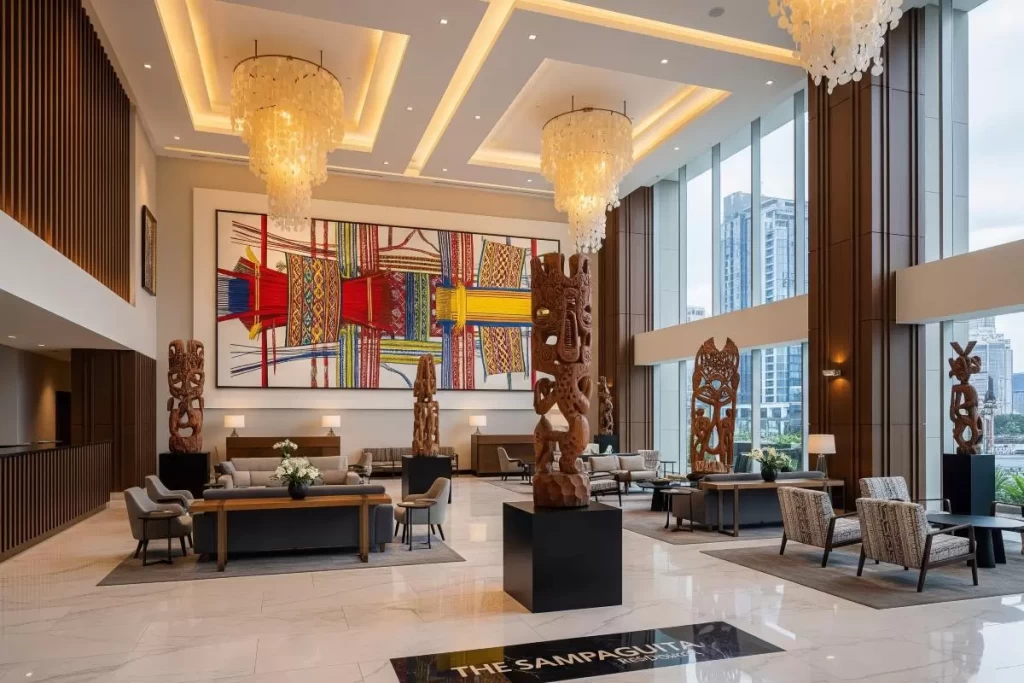
    A condominium lobby featuring Filipino design elements such as carved wood paneling, woven textile accents, natural stone flooring, and traditional motifs, illustrating the integration of local culture in modern high-rise architecture.
    The lobby becomes more than a transitional zone when imbued with vernacular textures, symbolic forms, and artisanal narratives rooted in Filipino identity. This architectural gesture affirms the role of cultural memory within residential infrastructures, where communal spaces absorb the spirit of place. The spatial language, shaped by traditional elements, invites belonging rather than mere occupancy. Within such curated interiors, the dwelling becomes a vessel of both shelter and story.

    Moreover, the infusion of local arts and culture can have economic benefits. It can increase the appeal of condominiums to potential buyers who value cultural richness, thereby increasing property values. It can also perform as a unique selling point for developers, setting their projects apart in a competitive market.

    Integrating arts and culture requires a commitment to long-term community engagement and may involve forging partnerships with local organizations. It’s crucial to ensure that such efforts do not lead to gentrification or the displacement of existing residents. Therefore, developers and architects must work closely with community members to create innovative and inclusive designs.

    Condominium Designs as Investment Opportunities

    Condominiums serve a dual purpose, functioning as both homes and investment opportunities. Their strategic location in bustling city centers and luxurious amenities often justify their premium price tags. These factors make condominiums an attractive investment option, especially in thriving urban areas with high requests for such properties. They can be an excellent investment under the right circumstances, particularly for those looking to capitalize on healthy markets with plenty of demand. However, the appreciation rate for condos is generally slower than that for single-family homes with land value, which could concern long-term investors.

    Moreover, the investment potential of condominiums often comes with strings attached, such as Homeowners Association (HOA) fees and rental restrictions. These additional costs and limitations can eat into the profitability of the investment. While condo ownership offers potential investors unique benefits such as lower purchase prices and attractive amenities, it also comes with high monthly fees and rental restrictions. Investors must weigh these factors carefully to make informed decisions.  

    The Future of Condominium Developments in Urban Living

    The urban housing landscape in the Philippines is evolving rapidly, with condominium designs at the forefront of this transformation. These designs increasingly integrate smart technology, sustainability initiatives, and wellness-centric amenities. Features like intelligent climate control, green roofs, and fitness centers are becoming standard, catering to a modern, eco-conscious demographic. At the same time, flexible multi-use spaces adapt to changing lifestyle needs, allowing residents to maximize their living areas for various purposes. Green transportation options like bike storage and electric vehicle charging stations are also gaining prominence, aligning with broader urban planning goals.

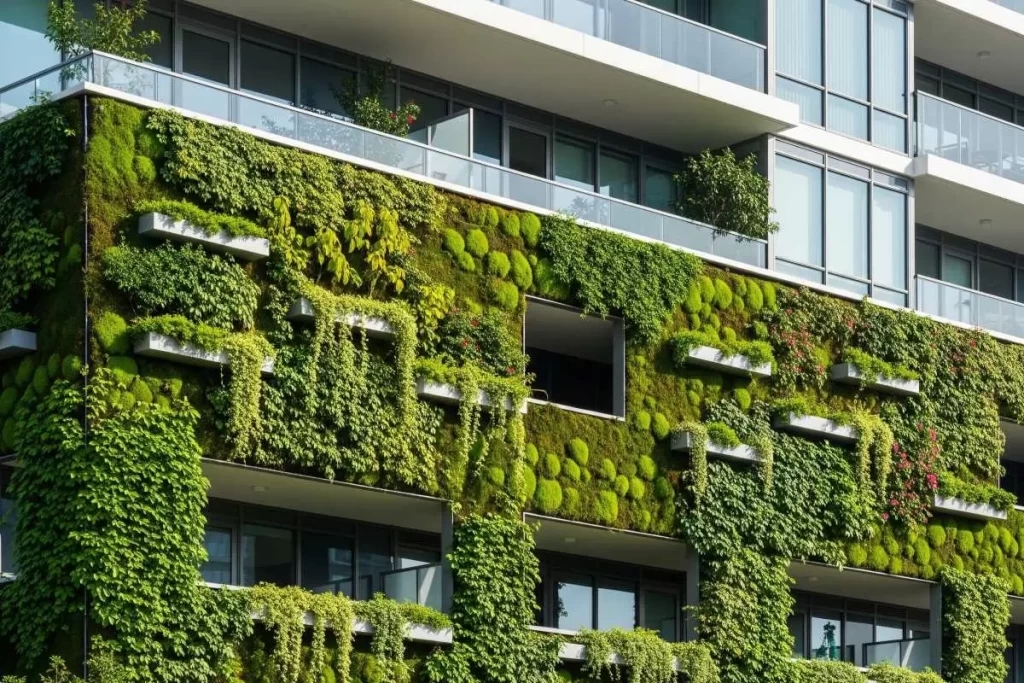
    A lifestyle condominium building in the Philippines with a multi-story green wall facade covered in moss and climbing vines, balconies with glass railings, and an integrated design that blends nature with urban architecture.
    Condominium architecture in Philippine cities has reached a pivotal moment, where contemporary design now embraces sustainability and wellness as fundamental principles. The convergence of smart systems, ecological strategies, and lifestyle-oriented spaces redefines how urban dwellers experience their homes. Residential towers no longer stand as static enclosures but emerge as living environments shaped by both technology and nature. This transformation reflects a deeper cultural aspiration for harmony between built form and ecological responsibility.

    While these designs offer lucrative investment opportunities, they raise concerns about property speculation and housing affordability. The challenge for architects and developers lies in balancing innovation with accessibility. Regulatory frameworks, zoning laws, and sustainability standards add layers of complexity but also serve as avenues for responsible development. The premium pricing of condominiums often justifies the luxurious amenities and strategic locations, but it also necessitates a focus on creating financially attainable options for a broader population.

    The future of condominium designs holds significant promise for redefining urban living in the Philippines. With a commitment to innovation, sustainability, and meticulous planning, these structures have the potential to deliver unparalleled value to residents while positively impacting the broader community.

  • Joint Venture Setup in Philippine Real Estate Development

    Joint Venture Setup in Philippine Real Estate Development

    The Philippine real estate market is a beacon of stability and growth despite global economic uncertainties. One key factor fueling this resilience is the rise of joint venture models. These models are not just for large corporations; they also offer opportunities for individual landowners, investors, and small to medium-sized developers. Through joint ventures, parties pool resources, share risks, and leverage each other’s expertise, creating a mutually beneficial landscape.

    This optimistic outlook is supported by a 2023 report from property consultant JLL Philippines, highlighting the market’s strong macroeconomic fundamentals. These fundamentals have helped sustain the country’s economy, even facing challenges such as soaring inflation rates and the lingering effects of the 2021 slowdown.

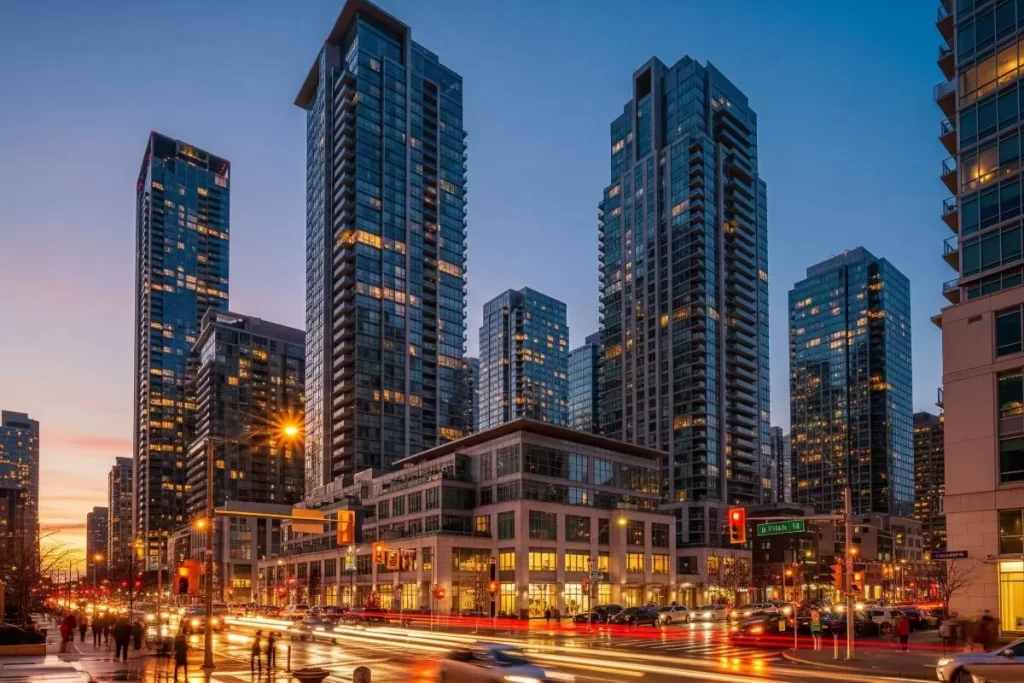
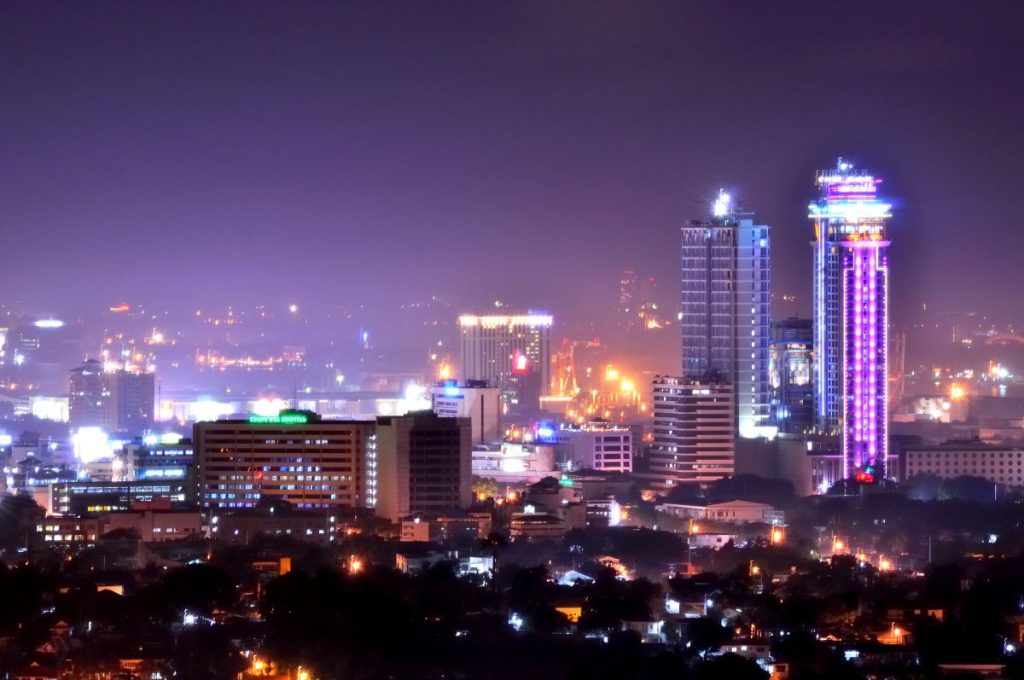
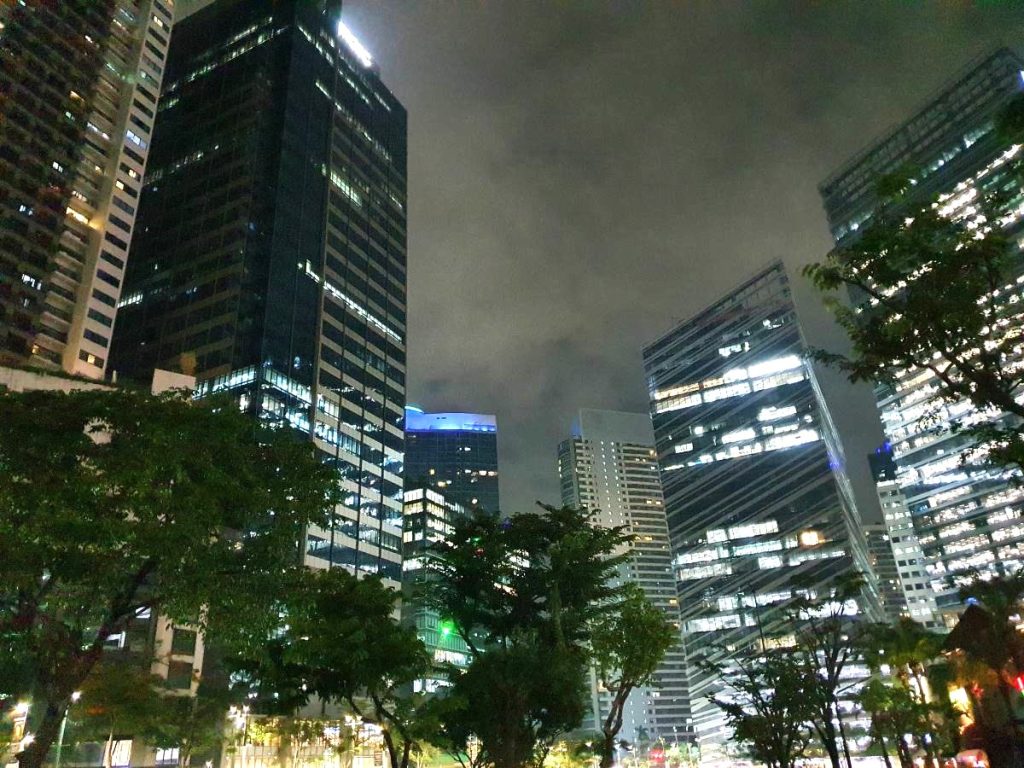
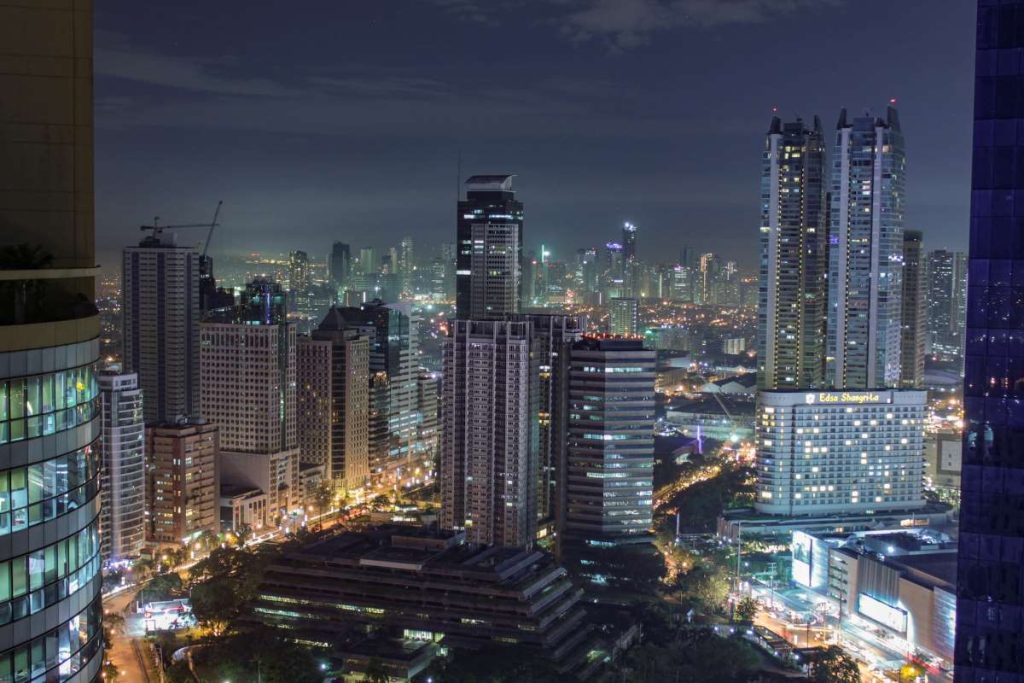
    A panoramic view of a city skyline at night with numerous illuminated skyscrapers and high-rise buildings, showcasing the vibrant urban landscape of the Philippine real estate sector under artificial lighting.
    Against a backdrop of global economic instability, the Philippine real estate sector maintains a trajectory of enduring stability and measured growth. Illuminated skylines reflect a surge in collaborative development, where joint ventures between landowners and developers now shape the evolving urban fabric. This partnership-driven model redefines capital deployment and resource optimization, fostering inclusivity and architectural innovation. The urban landscape becomes a testament to shared ambition and strategic alignment amidst shifting financial tides.

    However, it’s important to note that inflation and interest rates influence the real estate sector. Data from the Philippine Statistics Authority shows that headline inflation rose slightly from 8.0 percent in November 2022 to 8.1 percent in December 2022, impacting the housing sector with a 6.4% markup. Additionally, Bangko Sentral ng Pilipinas forecasts a 25-50 base point increase in interest rates, making borrowing more challenging. Despite these hurdles, industry experts view the real estate market favorably, recommending Real Estate Investment Trusts (REITs) and property investments over stocks as a more stable option.

    What is a Joint Venture in the Context of Philippine Real Estate?

    At its core, a joint venture in this context typically signifies a strategic alliance between a landowner and a property developer. The landowner contributes the essential real estate for the project, often a parcel of land that holds potential but remains undeveloped. On the other side of this alliance, the property developer injects financial capital, invaluable industry expertise, and the necessary resources to bring the project to fruition.

    Two individuals dressed in business attire shaking hands across a desk with real estate documents and architectural blueprints, representing a joint venture agreement between a landowner and a property developer in the Philippine real estate sector.
    The real estate joint venture model offers a dynamic and goal-oriented framework, distinct from traditional long-term partnerships. It enables the landowner and the developer to collaborate on project-specific initiatives that leverage the inherent value of land with the operational strength of development expertise. Through mutual understanding and deliberate negotiation, both parties converge in a shared pursuit of architectural realization. This handshake symbolizes the commitment to a finite yet impactful partnership designed for urban transformation.

    A joint venture distinguishes itself from other business arrangements like partnerships through its temporal nature. Partnerships usually suggest long-term business relationships with indefinite shared responsibilities and benefits. In contrast, a joint venture typically has a finite lifespan. Parties design it to achieve a specific goal, such as developing a residential complex or a commercial plaza. The joint venture dissolves once they reach this goal and complete the project successfully. Each party takes its share of the profits and ends the business relationship unless they decide to undertake a new project together.

    This project-specific focus allows for a high degree of flexibility, enabling both parties to tailor the terms of the joint venture to suit the unique requirements and challenges of each real estate development endeavor. This adaptability, combined with the shared risks and rewards, makes joint ventures an increasingly popular choice for both seasoned and newbie players in the Philippine real estate market.

    Legal Frameworks and Agreements

    Joint ventures adopt various legal structures similar to creating corporations and partnerships. Yet, most real estate joint ventures function within the confines of a contractual joint venture agreement. This critical document spells out the roles, responsibilities, and obligations that each party must fulfill. It also delineates how both parties will share profits and specifies the strategies for exiting the venture.

    A close-up view of two individuals signing a real estate joint venture agreement with pens in hand over a wooden desk scattered with legal documents, architectural blueprints, and a tablet device, emphasizing the legal structure of Philippine real estate collaborations through contractual joint ventures.
    The contractual joint venture agreement defines the architecture of collaboration between landowners and developers in Philippine real estate. Within this legal instrument reside the detailed roles, revenue distribution, timelines, and contingency plans that shape the trajectory of the partnership. Its significance lies not merely in its legality but in its capacity to anticipate complexities and structure them into mutually beneficial terms. The act of signing formalizes not only the intent but the shared responsibility toward architectural and economic fruition.

    Due to the intricate nature of these agreements, parties usually consult legal experts to draft the document meticulously. Legal professionals also review the deal to ensure it aligns with both parties’ interests and complies with Philippine laws. This legal scrutiny safeguards the interests of all involved, minimizing the risk of future disputes or misunderstandings.

    The agreement often includes clauses that address contingencies, such as what happens if one party wants to exit the venture early or if the project faces unforeseen challenges. These provisions add another layer of security and clarity, making the contractual joint venture agreement a cornerstone for successful real estate collaborations in the Philippines.

    Understanding the Concept of a Joint Venture

    Before diving into the real estate market, it’s crucial to understand what a joint venture is. In the simplest terms, a joint venture is a business setup where two or more parties collaborate to achieve a specific goal. This collaboration often involves a landowner and a developer working together to complete a property development project.

    Why Consider a Joint Venture?

    The concept of a joint venture in real estate offers numerous advantages that make it an attractive option for proponents, landowners, and investors. Here are some key reasons why a joint venture might be the right choice for your next real estate project:

    1. Resource Optimization: One of the most immediate advantages of a joint venture is the ability to pool resources. This collaborative approach allows for sharing financial capital, workforce, expertise, experiences, strategies, and even technology, creating a synergy that can lead to enhanced opportunities. With more options, you can undertake more extensive projects, access better market positions, and employ more advanced frameworks, ultimately leading to superior project outcomes.
    2. Risk Sharing: In any real estate development project, risks such as financial uncertainties, operational challenges, and market fluctuations are inevitable. However, a joint venture is a strategic approach to mitigate these risks effectively. By partnering with someone who brings creativity, an extensive network, and agility, the business venture inherently becomes more resilient to these challenges. Rather than navigating the complexities alone, each party benefits from a partner with the expertise and resources, reducing the overall risk profile of the project. This collaborative approach allows for a more secure and confident venture, where the focus shifts from merely managing risks to seizing opportunities for success.
    3. Expertise Access: A joint venture often brings together parties with complementary skills and expertise, creating a well-rounded team capable of tackling all aspects of a real estate project. For instance, a landowner may have a parcel of idle land acquisition, while an investor might have excess capital, and a developer consultant excels in master planning and project management. By joining forces, each party can benefit from the other’s assets, leading to a more efficient and effective project execution. This sharing can also extend to achieving compliance, providing a comprehensive pack that can significantly enhance the project’s success.

    Steps to Form a Joint Venture in Real Estate

    Embarking on a joint venture in real estate requires a strategic approach, especially for diverse projects from townhouse developments to mixed-use townships. Collaborating with experts in joint venture setups who bring a strategic mindset, a reliable network of professionals, and a range of investor partners to the table is advisable. These experts can assist in crafting well-planned business strategies and offer comprehensive design and development capacities, from master planning and architectural design to construction, brokerage, selling, and operation. 

    Should you be a landowner seeking to enhance liquidity or an investor pursuing dependable real estate opportunities in the Philippines, your inquiries are most welcome. I invite you for a comprehensive consultation to explore the many possibilities a joint venture setup can offer.

    A digital flowchart of the real estate joint venture process featuring labeled stages such as land acquisition, feasibility study, legal agreement, master planning, architectural design, construction, marketing, and revenue distribution, designed to illustrate the strategic structure of Philippine real estate joint venture development.
    The real estate joint venture process necessitates a deliberate and well-orchestrated approach. From conceptualization through to execution, each phase demands the coordinated expertise of planners, designers, financiers, and legal advisors. A structured framework serves as both compass and blueprint, guiding stakeholders through the complexities of development. This visualization underscores the integral stages where design intelligence meets strategic capital deployment.

    Here’s a roadmap to guide you:

    1. Define Objectives: The first step involves clarifying your goals. Whether you’re interested in residential or commercial development, a well-defined objective lays the groundwork for a successful joint venture.
    2. Identify Potential Partners: The subsequent step is to find partners whose skills, resources, and objectives align with yours. This alignment is crucial for the venture’s success.
    3. Conduct Due Diligence: Before formalizing any partnership, you must investigate your potential partner’s professional stability, reputation, and track record in real estate. This check ensures you enter a business relationship with a reliable entity.
    4. Prepare Legal Documents: Once you’ve found a potential partner, it’s advisable to seek legal drafts of the joint venture agreement. This document will specify roles, responsibilities, profit-sharing mechanisms, and exit strategies.
    5. Finalize the Agreement: After the legal experts draft the agreement, both parties should review and, if necessary, understand the terms before finalizing it.
    6. Implement the Project: With a signed agreement, the implementation phase can begin, covering all aspects of selling, construction, and development.

    If you’re considering such a venture, my expertise in joint venture setups can provide invaluable insights and resources to ensure the project’s success from start to finish. With a team of reliable partners in the industry, we can turn your property into a lucrative real estate venture, making it an essential part of your strategic planning.

    Strategies for Amplifying Profits in Real Estate Joint Ventures

    Real estate joint ventures offer a multifaceted platform for financial growth, suitable for landowners and investors. The secret to opening this potential lies in a nuanced understanding of critical factors, such as project scale, property typologies, market demand, innovative business models, and strategic planning.

    Leveraging Scale for Financial Gains

    The project’s scale can be a game-changer in determining the return on investment. Large projects like mixed-use developments often require substantial complexities but promise lucrative long-term returns. On the other hand, smaller projects like townhouses can be less extensive and offer quicker returns, allowing you to scale your investments over time.

    A collage of five architectural images featuring a high-rise mixed-use development, a row of modern townhouses, an aerial view of an urban township, a mid-rise condominium with green spaces, and a commercial plaza, representing varying project scales in Philippine real estate investment.
    Project scale exerts significant influence on the trajectory and magnitude of real estate returns. Larger developments such as mixed-use townships may command intricate coordination and longer timeframes, yet they offer enduring value and potential capital appreciation. More modest ventures—like townhouse clusters—present agile opportunities for rapid turnaround and progressive scaling. This comparative visualization explores how strategic project sizing can align with distinct financial objectives and development capabilities.

    Opting for the Right Property Typology

    The choice of property type can significantly impact the joint venture’s profitability. Commercial properties, for example, can offer a steady income through long-term leases, while residential properties may provide quicker but competitive returns. The key is to align the property type with market demand and your investment strategy.

    Capitalizing on Market Demand

    Understanding market demand can give your venture a competitive edge. Whether the market is leaning towards sustainable housing, farm resorts, hotels, or luxury apartments, aligning your project with these trends can accelerate sales and enhance profitability.

    Adopting Flexible Business Models

    The choice of business model can also influence the venture’s financial outcomes. Options like build-to-rent and build-to-sell cater to different investment strategies and have their economic dynamics. The joint venture agreement should specify each party’s contributions, individual responsibilities, and how to distribute profits fairly.

    Strategic Planning for Success

    Strategies like phased development can manage cash flow effectively, while pre-selling can help gauge market interest. These strategies minimize financial risks and optimize operational efficiency, boosting the venture’s profitability.

    If these strategies for profit maximization interest you, consider reaching out for specialized consultation. As experts in real estate joint ventures, we offer a comprehensive range of services spanning every joint venture stage, from ideation to successful execution. Contact us to explore collaborative opportunities that can transform your property into a high-yield real estate investment.

  • Sustainable Architecture In The Philippines

    Sustainable Architecture In The Philippines

    Architects and builders have long embraced the concept of sustainable architecture, which primarily aims to reduce buildings’ negative environmental impact. This goal drives them to judiciously enhance efficiency and use materials, energy, development space, and the ecosystem. In sustainable architecture in the Philippines and worldwide, architects actively adopt a conscious approach to energy and ecological conservation when designing the built environment. The essence of sustainability, especially in design, is to ensure that the utilization of currently available resources doesn’t compromise the well-being of future societies or deplete resources for upcoming generations.

    Two architectural professionals collaborate over building plans and sustainability diagrams at a worktable, symbolizing sustainable architecture in the Philippines through teamwork, ecological awareness, and strategic planning.
    Sustainable architecture shapes the evolving dialogue between the built environment and ecological responsibility. Through strategic planning and mindful material use, architects and builders reduce environmental strain while advancing design integrity. This pursuit aligns with the global imperative to protect future generations by creating structures that honor resource limits and environmental systems. The image captures the spirit of collaboration essential in manifesting sustainability in practice.

    Many green building grading systems exist worldwide to encourage this dedication to sustainability. They are setting sustainable construction standards and honoring green building achievements.

    LEED (Leadership in Energy and Environmental Design)

    Developed by the U.S. Green Building Council, LEED provides a framework for designing and constructing healthy, highly efficient, and cost-saving green buildings. It’s a globally recognized symbol of sustainability achievement, with certification levels ranging from Certified to Platinum. LEED evaluates development projects based on various criteria, including sustainable sites, energy use, water efficiency, atmosphere, materials and resources, and indoor environmental quality.

    BREEAM (Building Research Establishment Environmental Assessment Method)

    Originating in the UK, BREEAM is one of the world’s leading sustainability assessment methods for projects, infrastructure, and buildings. It addresses several lifecycle stages, including new construction, refurbishment, and in-use. BREEAM is a widely used standard for sustainable design and measures a building’s environmental performance in many European countries.

    Green Mark

    Introduced by the Building and Construction Authority (BCA) of Singapore, the Green Mark scheme assesses buildings for their environmental impact and performance. It evaluates various aspects, including energy efficiency, water efficiency, environmental protection, and indoor environmental quality. The Green Mark certification promotes sustainable design and practices in the construction industry.

    DGNB (German Sustainable Building Council)

    The DGNB system, from Germany, offers a holistic approach to sustainability, considering the entire lifecycle of a building. It evaluates buildings and urban districts based on environmental, economic, sociocultural, and functional aspects. The DGNB certification system is tailored to specific regional and climatic conditions, making it applicable internationally.

    HQE (High Environmental Quality)

    Originating in France, HQE focuses on creating a comfortable and healthy indoor environment. It evaluates construction aspects, including ecological construction, energy efficiency, and water management, emphasizing the well-being of the building’s occupants.

    These international rating systems play a pivotal role in promoting best practices, driving innovation, and raising awareness about the importance of sustainable architecture. They provide guidelines for sustainable construction and reward efforts to create environmentally friendly buildings, ensuring that the built environment is in harmony with nature.

    A traditional Filipino Bahay Kubo constructed from bamboo and nipa palm, elevated on wooden stilts and surrounded by greenery, exemplifying sustainable architecture and passive cooling in tropical environments.
    Rooted in vernacular ingenuity, the Bahay Kubo embodies a philosophy of ecological sensitivity and spatial efficiency long before the emergence of global rating systems like Haute Qualité Environnementale (HQE). This archetype of traditional Filipino architecture harmonizes structure with climate, promoting thermal comfort, ventilation, and minimal material waste. As HQE emphasizes occupant well-being and ecological performance, the Bahay Kubo stands as a historical exemplar of these principles in practice. Its enduring relevance affirms that sustainability transcends technological novelty when grounded in cultural wisdom.

    Historical Roots of Sustainable Architecture in the Philippines

    The Philippines, characterized by its diverse ecological landscapes, boasts a rich history of architecture that seamlessly integrates with nature. One of the most iconic representations of early sustainable practices is the traditional Filipino home, the ‘Bahay Kubo’. These early homes, crafted primarily from bamboo, nipa palm, and other indigenous materials, stand elevated on stilts. This design ensures natural ventilation and offers protection from floods, a common occurrence in the archipelago. The method of these homes showcases the Filipinos’ profound understanding of their environment and ability to adapt their architectural practices to the challenges posed by the natural world.

    The Spanish colonial era introduced a significant shift in architectural styles with the advent of the ‘Bahay na Bato’. As the name suggests, the construction of these stone houses uses volcanic tuff or coral stones, a material that offers enhanced durability. However, builders retained the essence of sustainability in this transition. The ‘Bahay na Bato’, while showcasing the robustness of stone, included many of the eco-friendly features intrinsic to Filipino architecture. Expansive windows ensured optimal light and air circulation, keeping the interiors cool and reducing the need for artificial cooling methods. The design of these homes is a testament to the adaptability of Filipino architects, who managed to incorporate sustainable practices even while using new materials and adapting to foreign architectural influences.

    A cluster of illuminated skyscrapers in the Philippines viewed from below at night, with tall glass facades rising above trees in the foreground, representing the fusion of urban development and environmental consciousness.
    The contemporary Philippine skyline, illuminated against the night, reflects a layered architectural narrative shaped by colonial heritage, vernacular wisdom, and modern imperatives. While glass and steel towers now define the nation’s urban identity, echoes of the ‘Bahay Kubo’ and ‘Bahay na Bato’ continue to inform the ethos of design. The synthesis of traditional ecological intelligence and present-day innovation sustains a quiet dialogue between past and future. Amid rapid vertical expansion, the core values of climate responsiveness and material stewardship remain deeply embedded in the evolving fabric of Philippine architecture.

    However, as the Philippines underwent rapid urbanization, there was a noticeable shift towards modern construction techniques and materials. Concrete and steel began to dominate the urban landscape, and high-rise buildings became the norm in cities. Despite this transformation, the core principles of sustainable architecture remained deeply ingrained in the Filipino psyche. Contemporary architects in the Philippines continue to draw inspiration from traditional designs, ensuring that sustainable architecture in the Philippines remains a vibrant and evolving field. The challenge now lies in blending modern techniques with conventional wisdom to create eco-friendly structures suited to the demands of the 21st century.

    The Importance of Green Movements and Initiatives

    The escalating global urgency to combat climate change has prominently positioned sustainable architecture globally. Various international rating systems such as LEED (Leadership in Energy and Environmental Design), BREEAM (Building Research Establishment Environmental Assessment Method), and Green Mark recognize the significance of establishing sustainable building practices. These systems set rigorous standards for sustainable construction, ensuring that buildings are environmentally friendly, energy-efficient, and in harmony with their surroundings.

    Rising sea level and seashore developments in the Philippines, highlighting the country's climate change challenges and the growing emphasis on sustainable building practices.
    The Philippines will soon face pressing challenges from climate change, including rising sea levels and frequent extreme weather events. Various local and national initiatives are fervently advocating for green building practices.

    In the context of the Philippines, with its unique archipelagic geography, the country confronts immediate challenges posed by climate change, including the alarming rise in sea levels and the increasing frequency of extreme weather events. In response to these looming threats, the nation has witnessed the emergence of various local and national initiatives that ardently advocate for green building practices. Among the forefront of these initiatives is the Philippine Green Building Council, a pivotal organization that has meticulously formulated standards such as the Building for Ecologically Responsive Design Excellence (BERDE). This standard serves as a comprehensive guideline for sustainable construction in the country.

    Another notable organization promoting sustainable practices in the Philippines is the Philippine Center for Environmental Protection and Sustainable Development, Inc. (PCEPSDI). They work towards fostering sustainable practices in various sectors, including construction, by providing training, consultancy, and research.

    As an initiative, BERDE actively promotes the integration of eco-friendly materials and energy-efficient systems into the architectural design and construction processes. By adhering to these standards, buildings become more resilient to environmental challenges and contribute significantly to reducing the overall environmental footprint. Moreover, the shift towards sustainable architecture in the Philippines is more than just environmental. It also presents a compelling economic argument. Green buildings offer long-term financial benefits due to their energy efficiency and reduced operational costs. They often result in decreased utility bills, reduced maintenance costs, and increased property values. Thus, the push for sustainable architecture, driven by environmental and economic imperatives, is shaping the future of construction and urban development in the Philippines.

    Architectural Solutions for a Sustainable Future in the Philippines

    Modern sustainable architecture in the Philippines masterfully blends age-old traditions with the latest technological advancements. Architects and builders actively employ passive design strategies, such as maximizing the influx of natural light and strategically orienting buildings to harness the cooling power of prevailing winds. These time-tested techniques now work hand in hand with advanced systems like rainwater harvesting mechanisms and solar panels, which generate clean, renewable energy.

    Material use plays a pivotal role in the sustainable architecture narrative. Upcycling, transforming waste or unwanted products into new materials or products of better quality and environmental value, is gaining momentum in the Philippines. By repurposing materials, architects are not only reducing waste but also crafting unique and eco-friendly design elements. Furthermore, there’s a growing emphasis on reducing the carbon footprint of construction projects. One effective strategy is sourcing materials locally, which minimizes transportation emissions, bolsters the local economy, and ensures the materials are suited to the local climate and conditions.

    Architects who champion sustainability are integrating green spaces into various real estate projects in bustling urban centers. Urban gardens are becoming commonplace, providing a verdant retreat amidst the concrete expanses. Vertical forests with skyscrapers enveloped in greenery emerge as a potent solution to tackle urban air pollution and the heat island effect. Permeable landscapes, designed to let water percolate and replenish groundwater reserves, also make their mark as a sustainable design feature.

    Filipino ethos deeply embeds the commitment to crafting structures that resonate harmoniously with nature. As urbanization accelerates, the onus is on architects and urban planners to ensure that infrastructural growth respects and preserves the environment. The solutions they champion, underpinned by sustainability and environmental consciousness, will sculpt a future where built environments and nature flourish in unison.

    Implementing Sustainable Real Estate Projects in the Philippines

    In the dynamic world of real estate, the Philippines has recognized the imperative need for sustainable architecture. Integrating sustainable practices in real estate projects is an environmentally conscious decision and a strategic business move for developers, landowners, and other stakeholders. Green buildings, which uphold sustainability at their core, offer many tangible benefits. One of the most significant advantages is the reduction in operational costs, achieved through energy-efficient systems and sustainable resource management. Additionally, properties that prioritize green initiatives often see an appreciation in their market value, making them more attractive to potential buyers and investors.

    To ensure the successful implementation of sustainable architecture in real estate projects, developers and stakeholders must foster a collaborative environment from the beginning. Engaging architects, builders, suppliers, and potential tenants from a project’s inception can pave the way for an eco-friendly structure that meets its occupants’ functional needs. A vital aspect of this collaboration is the sourcing of materials. Opting for local materials reduces the carbon footprint associated with transportation. And it supports local industries, promoting economic growth within the community. Moreover, using upcycled materials can further enhance a project’s sustainability credentials.

    Beyond the choice of materials, utilities play a pivotal role in defining a project’s sustainability. Wastewater treatment systems, for instance, can ensure that water is recycled and reused within the property, reducing overall consumption. Policies can also be implemented for builders and tenants, emphasizing the importance of sustainable practices in daily operations. Facility management teams can prioritize eco-friendly operations and maintenance routines, ensuring the building operates optimally throughout its lifecycle. Furthermore, integrating smart systems, such as automated lighting and climate control, can further reduce energy consumption, aligning with the overarching goal of sustainability.

    Sustainable Architecture in the Philippines As A Beacon for the Future

    The Philippines has a rich blend of history and culture. It finds itself at a unique intersection of tradition and innovation in sustainable architecture. The architectural landscape here mirrors a fusion of diverse influences, from Austronesian origins to Spanish and American imprints. Such deep-rooted traditions, combined with contemporary sustainable solutions, position the nation as a noteworthy player in the global sustainable architectural arena.

    The shift towards green building practices is evident as many architectural enthusiasts and professionals acknowledge their significance. These practices offer many benefits, ranging from environmental stewardship to economic gains. As urbanization progresses, integrating sustainable designs into cityscapes becomes a paramount endeavor. This movement is also about valuing and conserving the heritage legacy spanning generations.

    Embarking on this sustainable journey is no small feat. It demands a comprehensive approach. That includes thoughtful design, construction strategies, builder and tenant policies, adept facility management, and meticulous operations and maintenance. Incorporating the proper utilities amplifies the nation’s dedication to sustainable living. Such endeavors champion resource efficiency and elevate the living standards of its inhabitants.

    The growing practice of sustainable architecture in the Philippines demonstrates the country’s potential to lead in this domain. Drawing inspiration from its storied past and adopting innovative sustainable methodologies, it’s poised to inspire many. While challenges lie ahead, with unwavering commitment and collaboration, a brighter and greener Filipino architectural future awaits.

  • Homes For Young Adults And The New Urban Lifestyle

    Homes For Young Adults And The New Urban Lifestyle

    In the heart of the Philippines’ bustling cities, a transformation is underway, reshaping the fabric of urban living. For decades, developers have aligned the real estate landscape in family-oriented designs, with sprawling condominiums and elegant townhouses constructed to cater to the traditional family unit. These real estate options symbolized a time when the house was synonymous with stability, comfort, and familial bonds. But times are changing, and with it, the definition of home. As the country’s demographic shifted, many students and young professionals started moving into urban areas, drawn by education, career, and lifestyle opportunities. This new generation, vibrant and ambitious, sought more than just a place to live; they sought homes for young adults that resonated with their dreams, passions, and unique ways of life.

    Two young women are smiling as they take a selfie with a smartphone in a cozy modern room featuring a tall bookshelf filled with books, symbolizing youth-centric living spaces in the evolving landscape of Philippine real estate.
    Amid the evolving contours of Philippine urbanity, residential architecture begins to mirror the aspirations of a younger, more mobile generation. Traditional concepts of domesticity give way to spaces that privilege independence, digital culture, and personal expression. The image of two young women capturing a moment in an intimate, book-lined interior reflects this cultural and architectural recalibration. As cities densify and diversify, architecture answers with homes that are compact yet expressive, communal yet personal.

    Enter a new residential development era that recognizes and celebrates the individuality and dynamism of youth. The growing need for innovative, youth-centric living spaces has paved the way for a revolution in real estate that goes beyond bricks and mortar to capture the essence of a generation. The landscape transforms from shared dormitories that foster community and collaboration to modern townhouses that blend style and sustainability. Studio units are symbols of independence and creativity, while state-of-the-art amenities enhance daily living with modern conveniences and active lifestyles. Welcome to the new frontier of residential development, where young tenants prefer residences with dreams, walls echo with laughter and ambition, and every door opens to a world of possibilities. Welcome to the future of home, reimagined for a new generation.

    Youth on the Move in the Philippines

    The rise of the young population in urban centers in the Philippines is a multifaceted phenomenon, reflecting a confluence of demographic, economic, and societal factors. The country and other middle- and low-income nations in the region are experiencing what the World Bank refers to as “demographic tailwinds.” These favorable demographic trends will stimulate economic development shortly, with the country’s youthful population structure being a significant advantage.

    Urbanization plays a crucial role in this trend, with about half of the Philippines’ population currently residing in urban areas. The allure of opportunities in education, career, and lifestyle drives the migration of young people to cities. With their concentration on resources, institutions, and job markets, urban centers have become magnets for young professionals and students. The World Bank emphasizes the need to harness the potential of this productive population through inclusive urban policies, particularly towards internal migrants.

    The Philippines is also identified as among the countries currently enjoying their “first demographic dividend.” Reports characterize this early phase of demographic transition by a more significant proportion of employees, leading to increases in aggregate consumption, cumulative investment, and total labor inputs. With an estimated total population of 109.58 million in 2020, of which 32.92 million were below the age of 14, and the majority (70.62 million) belonged to the working ages of 15 to 64, the Philippines represents a young society.

    While the youthful population offers immediate advantages, the country must also brace for challenges, including sharp increases in aging rates in the long run. The rise of young adults in Philippine cities is not merely a statistical trend; it reflects a broader shift in societal dynamics and offers a glimpse into the future of the country’s urban landscape. It presents opportunities and challenges, requiring thoughtful planning, innovative policies, and a deep understanding of a new generation’s unique needs and aspirations.

    Emerging Trends for Dynamic Homes For Young Adults

    As the nation’s cities continue to develop and evolve, so does the demand for living spaces that appeal to a younger, more dynamic population. This change is not solely a response to shifting preferences; it reflects a more extensive societal transformation. The new generation of urban residents, characterized by their vitality, creativity, and desire for community, is defining the future of residential development. They seek spaces that align with their aspirations, passions, and distinctive ways of living, rather than just a place to reside.

    Shared Dormitories

    Shared dormitories in the Philippines have transformed significantly to meet the lifestyle needs of modern students, reflecting a profound shift in how young people live and interact. The days of cramped and impersonal rooms are gone. Today’s shared dormitories actively emphasize communal living, creating a sense of community and collaboration that resonates with a generation that values connection and creativity.

    Designers have thoughtfully crafted shared spaces like kitchens, lounges, and workspaces to encourage interaction and cooperation among residents. These areas become vibrant hubs of creativity and social engagement, enhancing the overall living experience and turning the dormitory into a lively community.

    Modern dormitories now offer flexible leases, recognizing the transient nature of student life. This adaptability aligns with academic schedules, internships, and the ever-changing plans of young adults, providing a practical response to the unique demands of student life.

    While focusing on community and collaboration, designers also allow personalizing private rooms. Students can create spaces that reflect their unique identity and taste, balancing community and privacy, a key feature of modern dormitory living.

    In essence, the transformation of shared dormitories is not just a change in design; it’s a cultural shift, a reimagining of living and learning together. Designers and developers are creating homes for young adults that are functional, inspirational, convenient, and empowering. They are building dwellings that reflect the dreams, values, and aspirations of a dynamic, youthful market.

    Modern Townhouses

    Townhouses in the Philippines have become a preferred choice for young professionals, reflecting a growing demand for convenience, style, and sustainability. This evolution is not accidental; it’s a deliberate response to the changing needs and values of a dynamic, youthful market.

    Strategically situated near business districts and urban centers, modern townhouses offer residents easy access to work, shopping, dining, and entertainment. Developers have chosen these locations to reduce commute times and enhance work-life balance, recognizing the importance of convenience in the fast-paced lives of young professionals.

    The design of these townhouses also reflects an intelligent approach that caters to the tastes and needs of this demographic. Open floor plans, energy-efficient appliances, and modern aesthetics are not just design choices but integral to creating a comfortable and appealing living environment. Designers have emphasized functionality without sacrificing style and have integrated areas specifically for work-from-home setups, acknowledging the shifting work patterns of today’s professionals.

    Developers are intentionally implementing eco-friendly architectural aspects, realizing that sustainability is a practical decision that adds substantial value to a home, not just an ethical one. There is a clear economic incentive in addition to this connection with larger societal norms. Sustainable design components such as energy-efficient appliances and water-saving fixtures may significantly reduce a house’s operational expenses, lowering electricity and water bills.

    The evolution of townhouses is a testament to the power of thoughtful design and strategic planning. It’s about understanding a new generation’s unique needs, values, and aspirations and creating spaces that meet those needs and inspire and empower them. It’s about building homes for young adults that are not just places to live but expressions of identity, style, and purpose.

    Studio Units in Condominium Buildings

    Studio units are emerging as a symbol of modern urban living in the Philippines, particularly appealing to young professionals who value independence and affordability. This appeal is not accidental. It results from deliberate design choices and an understanding a new generation’s unique needs and aspirations.

    Designers are crafting studio units to maximize space without compromising comfort. They use multifunctional furniture, clever storage solutions, and thoughtful layouts to create a sense of spaciousness in a compact area. These design choices are not just about aesthetics but about making a living environment that feels open and inviting, even within the constraints of a smaller footprint.

    Technology integration is another crucial feature of modern studio units. Developers are equipping these spaces with smart home systems, allowing residents to control lighting, heating, and security through smartphones. This seamless integration of technology is not just a convenience; it’s an alignment with the tech-savvy nature of the target demographic, enhancing the living experience and reflecting the way young professionals live and work today.

    Affordability is also a significant factor in the appeal of studio units. By offering a more affordable entry point into independent living, these units provide an attractive option for young professionals starting their careers. But affordability does not mean a compromise on quality or amenities. Many studio units include access to gyms, pools, and communal lounges, adding to the overall appeal and value.

    The rise of studio units as a preferred choice for young professionals reflects a broader shift in urban living. It’s about recognizing the importance of independence, efficiency, and technology and creating spaces that resonate with those values. It’s about offering homes for young adults and students platforms for growth, creativity, and connection. 

    Aspirations for Well-Designed Residences

    A profound shift towards well-designed residences that cater to the younger adult market is impacting the future of residential development in the Philippines. Integrating modern conveniences and active amenities characterizes this new wave of growth, reflecting a holistic approach to living.

    homes for young adults With Modern Conveniences

    Today’s young adults are tech-savvy and accustomed to a fast-paced lifestyle. Recognizing this, developers are incorporating innovative home technologies that allow residents to control lighting, heating, security, and even appliances through their smartphones. High-speed internet connectivity in common areas and individual units ensures that work and leisure are always within reach. On-site convenience stores, package-receiving services, and app-based resident services add another layer of ease to daily living.

    Active Amenities for a Balanced Lifestyle

    Health and wellness are at the forefront of modern living, and new residential developments reflect this priority. State-of-the-art fitness centers equipped with the latest gym equipment, yoga studios with regular classes, and outdoor exercise areas provide residents with various fitness options. Communal gardens offer spaces for urban farming, allowing residents to grow their produce and fostering a connection to nature even in the heart of the city.

    Spaces for Social Interaction and Personal Growth

    Community building is a crucial aspect of these new designs. Designers create communal lounges, rooftop terraces, and social halls to foster interaction and build community. These spaces host social events, gatherings, and recreational activities, allowing residents to connect and engage with their neighbors. Additionally, art, music, and personal development areas cater to residents’ creative passions and hobbies, providing avenues for personal growth and self-expression.

    The Convenience Of Homes For Young Adults And Students

    Location plays a pivotal role in shaping the appeal of homes for young adults and students. This demographic often juggles work, education, and social engagements, so proximity to essential destinations becomes paramount. A residence near their place of work or school, or at least close to key transportation nodes, can significantly ease daily commutes and enhance work-life balance. Furthermore, the accessibility to conveniences such as shopping centers, dining establishments, healthcare facilities, and other neighborhood services adds to the location’s attractiveness. By thoughtfully selecting sites that align with the dynamic lifestyles of young adults and students, developers can create living spaces that provide shelter and support and enrich their multifaceted lives.

    Sustainability and Environmental Stewardship

    Many homes for young adults incorporate eco-friendly design elements, reflecting the growing environmental concern. Modern real estate designs now integrate capacities for solar panels, urban farming systems, energy-efficient appliances, and green building materials as examples of how to support sustainability. These features not only lessen the environmental impact but also resonate with the values of the younger generation.

    homes for young adults Integrated With Security and Safety Features

    Safety is paramount, and modern residences incorporate advanced security features such as 24/7 surveillance, electronic key access, and on-site security personnel. Fire safety measures, emergency exits, and well-lit common areas ensure that residents feel secure.

    These innovative features and amenities redefine what it means to be at home for young adults in the Philippines.

    The Roof Over Young Aspirations

    These unique residential typologies transform living spaces into vibrant communities that empower, inspire, and enrich daily life. By aligning with the new generation’s aspirations, values, and lifestyles, they capture the essence of a colorful and dynamic spirit that defines today’s youth. Focusing on convenience, health and wellness, social interaction, sustainability, and safety is not just a trend. It’s a testament to the creativity and foresight of the real estate industry.

    As the demand for homes for young adults and students grows, the need for developers to recognize and respond to this market becomes increasingly pressing. It is understanding a generation’s unique needs, values, and aspirations reshaping the urban landscape. These real estate spaces should be functional, inspirational, affordable, and valuable. It’s about recognizing the potential of a vibrant, diverse, and forward-thinking market and investing in designs and concepts that resonate with that potential.

    The challenge for developers is to look beyond traditional models and embrace the opportunity to innovate, think out of the box, and create homes for young adults and students that reflect their energy, creativity, and ambition. It’s a call to action for the industry to invest in research, collaboration, and innovation, to engage with the new generation, and to build homes that are not just places to live but venues for growth, connection, and fulfillment.

  • SHDA Addressing The Housing Backlog In The Philippines

    SHDA Addressing The Housing Backlog In The Philippines

    The housing backlog in the Philippines is a complex issue that has been a persistent problem for the country for many years. It is a multifaceted issue deeply rooted in the country’s socioeconomic fabric. A growing gap between the demand for affordable housing and the supply of such units characterizes the concern. This backlog expects to reach 6.57 million units last 2022, according to the Subdivision and Housing Developers Association (SHDA). This figure is a testament to the severity of the problem and the urgent need for practical solutions.

    The housing backlog is not just a number; it represents millions of Filipino families lacking access to decent and affordable housing. It is a manifestation of the socioeconomic disparities in the country, where the pursuit of progress leaves behind the poor and the marginalized. The backlog also reflects the inefficiencies and shortcomings in the country’s housing policies and programs.

    A group of professionals under the Subdivision and Housing Developers Association (SHDA) is seated at a formal event table with documents, microphones, and presentation screens in the background, representing efforts to address the Philippine housing backlog crisis.
    The persistent housing backlog in the Philippines underscores the gravity of a crisis that continues to shape the nation’s urban and socio-spatial landscape. This figure does not merely represent a deficit in shelter but reveals a profound disparity in access, equity, and opportunity. As a visual reflection of the challenges within the housing sector, the image invites inquiry into the root causes of displacement, exclusion, and systemic neglect. In this context, real estate development must transcend profit and engage in a larger discourse on social justice and architectural responsibility.

    The housing backlog is a ticking time bomb that threatens to exacerbate the country’s poverty and inequality problems if not addressed promptly and effectively. It is a challenge that requires a comprehensive and holistic approach, considering the various factors contributing to the problem and the stakeholders involved in the housing sector.

    The State of Housing in the Philippines

    The high demand for affordable housing and a limited supply of such units characterizes the housing situation in the Philippines. Various factors, including the country’s rapid population growth, urbanization, and increasing informal settlers, drive the inflated market. On the other hand, the limited supply of affordable housing units is due to high land and construction costs, regulatory constraints, and the lack of access to affordable housing finance.

    The tall demand and limited supply have resulted in backlog across different housing categories, with the most extensive backlog in the economic housing category related to families with a monthly income of Php 15,000 to Php 30,000. This category accounts for 58% of the backlog, highlighting the urgent need for affordable housing for low-income families.

    The housing backlog distribution varies across the country. Certain regions, such as the National Capital Region (NCR) and Region IV-A, have a higher backlog due to their increased population density and rapid urbanization. These regions also have an increased incidence of informal settlers, further exacerbating the housing problem.

    An Overview of the Subdivision and Housing Developers Association (SHDA)

    The Subdivision and Housing Developers Association (SHDA), Inc. is the leading industry association for housing and urban development in the Philippines. Established in 1970, the association has provided quality housing solutions for Filipino families for over half a century. It has been committed to developing livable and affordable communities that promote the well-being of its residents.

    SHDA has been steadfast in its commitment to providing quality homes to Filipinos. The association is proud of its milestones, including the partnerships it has forged to continue its mission and vision. As the association navigates through the industry’s challenges, it remains committed to being the leading advocate of sustainable, affordable, and inclusive housing in the Philippines.

    The association’s involvement extends beyond its partnership with the Department of Human Settlements and Urban Development (DSHUD). SHDA has actively contributed to establishing key institutions that promote the growth and development of the housing sector. The association has reinforced its collaboration by showing unwavering support for the Pambansang Pabahay Para sa Pilipino (4PH) program.

    SHDA’s Mandates and Goals

    SHDA’s mission is to connect with a nationwide network of 350 member developers and benefit from their shared expertise. The association’s overarching theme is ‘Forging Livable and Affordable Communities Towards Sustainable Nation Building’. This profound mission guides every initiative and decision made by the association.

    The overarching theme, ‘Forging Livable and Affordable Communities Towards Sustainable Nation Building,’ guides every initiative of SHDA. To further its commitment, SHDA aims to fortify partnerships, activate committees, and expand its reach. The association remains steadfast in serving its members and shaping livable, affordable communities, contributing to the broader narrative of sustainable nation-building.

    SHDA has made significant contributions to the housing industry, promoting sustainable building practices and developing eco-friendly communities. Through its various initiatives, the association has helped increase the number of housing options available to Filipinos, especially those from low-income families. SHDA also significantly passed the Urban Development and Housing Act (UDHA) of 1992.

    Addressing the Housing Backlog

    Addressing the housing backlog in the Philippines requires a comprehensive and holistic approach that considers the various factors contributing to the problem and involves all stakeholders in the housing sector. This approach should include policy reforms, innovative financing mechanisms, and partnerships between the government, the private sector, and non-government organizations.

    Policy reforms are needed to address the regulatory constraints that hinder the supply of affordable housing units. These reforms include streamlining the permitting process, revising zoning regulations, and promoting cost-effective and sustainable building technologies.

    Innovative financing mechanisms are also crucial in addressing the housing backlog. These mechanisms include the development of a secondary mortgage market, expanding microfinance for housing, and promoting public-private partnerships in the housing sector.

    Partnerships between the government, the private sector, and non-government organizations are also essential in addressing the housing backlog. These partnerships can leverage the resources and expertise of different stakeholders to deliver affordable housing units more efficiently and effectively.

    Business Challenges in the Housing Industry

    Multiple obstacles impede the growth and development of the Philippine housing industry. One of the most pressing issues is the limited access to land. With the country’s rapidly growing population and urbanization, the demand for land for housing development is high, with little suitable and affordable land available. The regulatory constraints and land ownership issues further compound the situation, making it difficult for developers to acquire and develop land for housing.

    Another significant challenge is sustainable financing. The cost of developing affordable housing units is high, and the returns on such investments are often low. The model makes it difficult for developers to secure financing for their projects. Moreover, most low-income families, the target beneficiaries of affordable housing projects, lack access to affordable housing finance. This predicament is due to their low income, lack of credit history, and the high-interest rates charged by traditional financial institutions.

    Creating an environment that encourages private sector participation is another challenge. The private sector plays a defining role in the housing industry, as it has the resources, expertise, and efficiency to deliver housing units on a balanced scale. However, the current environment could be more conducive for private sector participation due to regulatory constraints, high costs, and low returns. The drawback is evident in the slow permitting processes, which according to 8990 Holdings Chairman and Co-founder Mariano D. Martinez, is one of the longest hurdles in housing production.

    Adjustments in the price ceiling, incentives for housing developers, public housing programs, national urban development framework plans, and conflict resolution mechanisms are also challenges the housing industry faces. The price ceiling for socialized and economic housing units often needs to be higher to cover development costs, making it unattractive for developers. The absence of adequate housing developer incentives discourages private sector participation. Insufficient and inefficient public housing programs fail to satisfy the demand for affordable housing units. The national urban development framework plan is often not aligned with the realities on the ground, leading to counterproductive and unsustainable urban development. Lastly, the lack of an effective conflict resolution mechanism leads to disputes and conflicts that delay housing projects and increase costs.

    Despite these challenges, the housing industry in the Philippines has the potential to grow and develop. With the right policies, strategies, and partnerships, the industry can overcome these challenges and meet the demand for affordable housing units. The role of the Subdivision and Housing Developers Association (SHDA) is crucial in this regard. As the leading industry association for housing and urban development in the Philippines, SHDA has the mandate and the capacity to address these challenges and drive the growth and development of the industry.

    Opportunities in the Housing Industry and Working with SHDA

    Despite its challenges, the housing industry is a fertile ground for opportunities. The Subdivision and Housing Developers Association (SHDA) projects growth in the Philippine housing industry as developers work to clear the backlog accumulated during the pandemic. Partnering with SHDA provides access to a network of experienced developers and shared expertise, which can benefit new and existing businesses in the industry.

    The demand for affordable housing in the Philippines is strong, creating a significant opportunity for real estate developers. The country is grappling with a substantial shortage of affordable housing, particularly in urban areas. The requirement has led to a robust demand for affordable housing projects, including low-cost and socialized housing. Real estate developers who can address this need for volume production are likely to find success in the Philippine market.

    Other Areas For Residential Growth

    The Business Process Outsourcing (BPO) sector has been a significant driver of demand for office space in the Philippines. With a highly skilled and educated workforce, a favorable business environment, and competitive costs, the country has become a hub for BPO companies. This growth in the BPO sector has led to increased demand for office space, creating opportunities for real estate developers.

    The expansion of the tourism industry has also created opportunities for real estate developers to invest in hotel and resort properties and other tourism-related infrastructure. The Philippines, known for its natural beauty, rich culture, and friendly people, is a popular tourist destination.

    The Philippines has a large population of Overseas Filipino Workers (OFWs), many of whom are interested in investing in real estate. The circumstance has created a strong demand for properties that can serve as investment vehicles, such as rental properties and vacation homes. Developers who can tap into this market will likely succeed in the Philippine real estate industry.

    Working with SHDA provides a unique opportunity to tap into these markets. The association’s network of 350 member developers provides a wealth of shared expertise and experience. This network can be a precious resource for businesses looking to navigate the complexities of the housing industry in the Philippines. Moreover, SHDA’s commitment to forging livable and affordable communities aligns with the opportunities presented by the strong demand for affordable housing and the growth of the BPO sector.

    Why Partner Up With SHDA?

    It is essential to note that these opportunities come with their respective challenges. The Philippine real estate industry is highly competitive, with many established players and new entrants vying for market share. This competition can make it difficult for new or smaller developers to gain a foothold in the market.

    The lack of affordable financing options can also pose a challenge for developers. Real estate development requires significant capital investment, but the lack of affordable financing options can make it challenging for developers to secure the funds they need. Smaller developers may not have the same access to financing options as the larger, more established competitors.

    Despite these challenges, the opportunities in the housing industry and the potential benefits of partnering with SHDA make it an attractive prospect for businesses. Real estate businesses can succeed in the Philippine housing industry with the right strategies and a commitment to overcoming the challenges.

    Case Studies of SHDA Projects

    The Subdivision and Housing Developers Association (SHDA) has been instrumental in various projects across the Philippines, demonstrating its commitment to developing sustainable and affordable housing. A notable example of SHDA’s initiatives is the annual National Developers Convention, a collaborative effort with the Department of Human Settlements and Urban Development (DHSUD). This convention serves as a platform for housing and property developers, major practitioners in the housing industry from the national and local governments, and key stakeholders in the housing sector to discuss how they can partner in redesigning the housing industry through innovation and green initiatives.

    The convention’s theme, “Beyond The Pandemic: The Future of Housing,” encapsulates the organization’s forward-thinking approach. It emphasizes the need for resilient buildings for better homes and process innovations to streamline regulatory choke points. The event also highlighted the most talked-about trends in the housing development sector, including the return on investment or ROI on going green for housing projects, disruptive and innovative technologies in housing development, and the creation of smart subdivisions, which is a vital component in making smart cities possible.

    Guest speakers at the convention discussed the benefits of using green initiatives and technological innovations to lower costs in building mass housing projects. Maya K. Colayco, an SHDA governor, stated, “We want to showcase innovative tech solutions to pain points experienced by housing developers”. Atty. Joy Z. Manaog echoed this sentiment, first vice president and chair of the National Convention Committee, adding, “We want to show our member developers and colleagues in the housing industry that it is not just desirable, but also financially feasible to build a green mass-housing subdivision”.

    The convention is a testament to SHDA’s commitment to fostering innovation and sustainability in the housing industry. It showcases the organization’s efforts to promote green initiatives and technological advancements in housing development, thereby contributing to the creation of smart subdivisions and, ultimately, smart cities. This case study exemplifies the potential of SHDA’s initiatives in transforming the housing industry in the Philippines, providing valuable insights for stakeholders and potential investors in the sector.

  • The Art of Commercial Space Design In The Philippines

    The Art of Commercial Space Design In The Philippines

    The pursuit of competitiveness and long-term profitability takes on a vital role in a global economy that is continually changing. The endeavor is theatrical from the perspective of the Philippines, a country with a dynamic economy and a thriving real estate market. Central to this journey is the complex interplay of architecture, interior design, and strategic planning, collectively crafting environments that go beyond mere aesthetics but are operationally efficient and customer-oriented. It’s not merely about ornamentation but the essence of a business, its brand, and the tailored customer experience it aims to deliver. This seamless integration of aesthetics and functionality in commercial space design in the Philippines has emerged as a critical factor in differentiating businesses, enhancing their appeal, and propelling their success.

    A contemporary commercial building in the Philippines features a glass-and-concrete façade with clean architectural lines, integrated signage, landscaped pedestrian areas, and a visible micro-hotel entrance, illustrating the fusion of modern commercial space design and strategic brand alignment.
    In the evolving landscape of Philippine commerce, the design of the built environment has become inseparable from the narrative of business identity and longevity. This transformation highlights the critical role of architecture and interior design in shaping environments that articulate brand values while sustaining operational efficiency. Commercial buildings now function as spatial embodiments of strategic thinking and cultural resonance. They serve not only as venues of exchange but also as vessels for innovation, immersion, and distinction.

    In the Philippine landscape, the unique fusion of the country’s rich cultural heritage and the swift adoption of modern, global design trends makes each location more distinctive. It’s a blend that extends beyond mere visuals. It brings with it the potential to invigorate locales, drive economic growth, and mold customer perceptions and behaviors. These environments become more than structures, transforming into bustling epicenters of activity and tangible manifestations of a business’s values and identity. Yet, realizing these benefits hinges on meticulous planning, a thorough understanding of business requirements, and the thoughtful selection of materials and fixtures. An understanding of these dynamics are showcased in the recent commercial hub with micro-hotel amenities by Fulgar Architects. These elements are selected not only for their aesthetic appeal but also for their functionality, durability, and compatibility with the overall aesthetic and brand image.

    The Landscape of Commercial Space Design in the Philippines

    The domain of commercial space design in the Philippines demonstrates a fascinating interaction between the country’s rich cultural heritage and emerging global architectural influences. Examining current trends in depth reveals a unique aesthetic synthesis characterized by creativity, innovation, and adherence to function, resulting in commercially usable spaces.

    Five remarkable commercial developments in the Philippines exemplify this synergy of form, function, and cultural embodiment. These projects demonstrate the nation’s architectural proficiency and the economic viability that results from well-considered commercial design.

    First, the Okada Manila, a luxury integrated resort, captures the vibrant combination of culture and modernity in spectacular fashion. Its magnificent golden dome, inspired by the colors of Manila Bay’s sunset, and the intricately designed Fountain, the world’s largest multicolored dancing water fountain, attract local and international visitors. Stunning aesthetics, opulent amenities, and a strategic location contribute to its ongoing profitability.

    The SM Mall of Asia, one of the most extensive malls in the world, also boasts a remarkable architectural design and a diverse tenant roster. The building incorporates expansive open areas and abundant natural light, enhancing the retail experience and encouraging high foot traffic. This emphasis on the customer experience results in sustained occupancy rates and robust revenue.

    The Greenbelt retail center in Makati City exemplifies the harmonious union of commerce, art, and nature. Verdant gardens and a chapel surround the mall, featuring a curated selection of upscale retail and dining establishments. This premier and relaxing atmosphere attract a market with high purchasing power, ensuring a constant income stream for the business.

    A sunny city park in the Philippines features tall palm trees, modern high-rise buildings in the background, paved walkways, landscaped greenery, and people walking leisurely, illustrating the intersection of sustainable commercial space design and vibrant urban life in the Philippines.
    The architectural character of Philippine commercial spaces continues to evolve through a compelling dialogue between indigenous narratives and contemporary design sensibilities. Urban developments now transcend utilitarian functions to offer curated environments that embody heritage, innovation, and economic foresight. Public realms infused with greenery and pedestrian engagement elevate the urban experience. These spaces reflect not only aesthetic rigor but also the dynamism of the nation’s commercial aspirations.

    The fourth initiative is a mixed-use development in Bonifacio Global City called Bonifacio High Street. This development revolutionized the concept of purchasing by creating an open-air, park-like setting interspersed with retail stores, restaurants, and art installations. This distinctive urban design attracts consumers and high-quality tenants, assuring a profitable real estate model.

    The Ayala Triangle Gardens Tower is a commercial structure with ecological design elements, including energy-efficient lighting, rainwater collection systems, and a high-performance glass curtain that reduces heat. These features reduce operational costs and increase the building’s profitability by attracting multinational corporations and premium tenants committed to sustainability.

    These commercial initiatives demonstrate the importance of commercial space design in the Philippines for developing profitable real estate models. With its distinctive design and strategic use of space, each project reflects the importance of designing commercial spaces that pander to consumer preferences, the business environment, and the overarching cultural context. 

    Understanding the Impact of Commercial Space Design on Profitability

    Commercial space design serves a purpose far beyond aesthetic appeal. It functions as a crucial catalyst for business viability and must be able to shape consumer experiences and influence purchasing behaviors. Various design elements, from the strategic use of lighting and layout to the careful selection of colors, carry psychological implications capable of either facilitating or impeding customer engagement. Hence, the strategic deployment of commercial space design becomes an invaluable tool for businesses in the Philippines, pivotal in bolstering profitability.

    The vibrancy and allure of a location influence the outcome of the commercial design concepts. Well-conceived spaces stimulate community interaction, foster creativity, and cultivate a shared sense of belonging. These spaces enrich the urban fabric and, in certain instances, rise to landmark status due to their unique design elements. A prime example is the Alabang Town Center in Muntinlupa, a blend of retail and recreational spaces that has become an iconic spot south of Metro Manila. This instance demonstrates the significant impact of classic commercial design on enhancing both the value and appeal of locations in the Philippines.

    A modern Philippine mall at night with people walking through landscaped open areas, surrounded by soft lighting, contemporary facades, and tropical plantings, illustrating the role of commercial space design in the Philippines in shaping vibrant public environments.
    The architecture of commercial spaces in the Philippines has evolved beyond utilitarian constructs, emerging as a critical medium for shaping consumer behavior and civic identity. These environments engage the public through intentional design gestures—ambient lighting, fluid circulation, and sensory cues—each calibrated to evoke emotional response and spatial memory. Nightfall intensifies the effect, transforming well-lit public realms into social theaters. The vitality of such spaces affirms their role as catalysts of urban continuity and economic growth.

    Another example is the Ayala Center Cebu, developed by Ayala Land, which stands as a testament to the effective fusion of thoughtful design and strategic planning in commercial space. The philosophy behind the complex draws inspiration from local aesthetics, integrating tropical elements and indoor-outdoor areas that reflect Cebu’s vibrant island life. It embodies the dynamism of modern Cebu while paying homage to the unique local culture.

    On a larger scale, innovative commercial space design can significantly contribute to the growth and success of businesses in the Philippines. Such configuration enables businesses to articulate their brand ethos compellingly, offering customers a tangible insight into the company’s values and identity. Moreover, commercial spaces of refined design can draw high-quality tenants, leading to stable rental revenues and heightened property values. This trajectory creates more profitable real estate models, thereby underscoring the transformative potential of commercial space design.

    The Process of Commercial Space Design in the Philippines

    Transforming a commercial space into a hub of economic activity within the Philippines’ vibrant marketplace hinges upon a multi-faceted design process. This journey begins with a crucial phase of goal setting and conceptualization, where architects, clients, and designers unite to craft a vision for the project. This vision serves as the cornerstone for all ensuing decisions, and its clarity and precision can dramatically influence the project’s outcome.

    Part 1: Understanding Client Requirements and Project Goals

    Understanding the client’s needs and project objectives is the initial phase in the commercial space design process. This activity requires extensive discussions and consultations with clients to understand their intent, target audience, and business goals. Designers must comprehend the purpose of the space, whether it is to promote productivity and collaboration or to create a relaxing atmosphere. By aligning the design with the client’s objectives, designers can create aesthetically pleasing and functional spaces.

    Part 2: Conducting Site Analysis and Space Planning

    After determining the impact framework, the next stage is to conduct a site analysis and space planning. To determine the optimal use of space, designers evaluate the tangible characteristics of the site, such as its size, layout, and location. They take into account factors such as traffic flow, accessibility, and zoning regulations to design a format that is functional and efficient. Space planning involves determining the positioning of various elements within a given area, such as seating arrangements, workstations, and service areas. Optimizing the space for customers and employees requires a comprehensive comprehension of ergonomics, traffic patterns, and user experience.

    Part 3: Creating Design Concepts and Visualizations

    With the site analysis and space planning complete, designers move on to the creative phase of the process. This exercise involves developing design concepts and visualizations that bring the venture to life. Designers use their creativity and expertise to create master plans, program studies, mood boards, sketches, virtual models, and 3D renderings that illustrate the overall look and feel of the space. These visual representations help stakeholders understand the design concept and make informed decisions. Architects also consider factors such as color psychology, lighting, and materials to create a cohesive and visually appealing design that aligns with the brand’s identity.

    A modern 3D rendering of a building's interior features a second-floor walkway with minimalist railings overlooking a lower-level atrium, complemented by sleek finishes and indirect lighting, exemplifying contemporary interior architectural visualization in the Philippines.
    The creative phase of architectural development initiates a translation of analytical insights into expressive visual form. Here, the act of drawing becomes strategic—transcending mere aesthetics to convey narrative, atmosphere, and brand resonance. Through the orchestration of light, color, texture, and scale, architects articulate spatial intentions that embody identity and purpose. These conceptual renderings serve as essential tools in aligning stakeholders around a unified design vision.

    Part 4: Making The Most with Architects, Engineers, and Contractors

    Once the design concept is approved, architects, engineers, and contractors collaborate to ensure the seamless execution of the project. Architects translate the design concept into detailed plans and documents, considering form dynamics, space requirements, anthropometrics, circulations, and building codes. Engineers provide expertise in structural, electrical, mechanical, and plumbing systems to ensure functionality and safety. Contractors carry out the construction work, coordinating with designers to ensure the accurate implementation of the design vision. Effective collaboration between all stakeholders is crucial to ensure the design is achieved according to the proponent’s quality expectations and within the specified timeline and budget.

    Part 5: Selecting Materials, Furniture, and Finishes

    The selection of materials, furniture, and finishes is essential to commercial space design. Designers consider factors such as durability, aesthetics, and sustainability when choosing materials for different elements of the space. They select furniture that complements the design concept and meets the functional needs of public and private zones. Finishes, such as flooring, wall coverings, and lighting fixtures, are carefully chosen to create a cohesive and visually pleasing environment. Designers also consider the maintenance and cleaning requirements of the materials and finishes to ensure the longevity of the design.

    A mid-size commercial hub with 12 units under construction.
    A mid-size commercial hub under construction with 12 unit stalls in Marikina City. Collaboration between architects, engineers, and builders brings together diverse skills to manifest a cohesive and functional design.

    Part 6: Implementing the Design Plan and Overseeing Construction

    Upon finalizing all preliminary arrangements, the project progresses into the execution phase, where the design plan is actualized, and project managers carefully supervise construction operations. Design professionals collaborate closely with contractors, establishing a synergy that guarantees the design’s faithful and precise implementation, adhering strictly to the project’s specifications.

    Throughout the construction period, designers and builders conduct routine site inspections to oversee the development progress closely. Designers may promptly address any emerging concerns, deviations, or potential enhancements in the project. Builders handle any necessary modifications meticulously, keeping the project on course and aligned with the original design vision.

    At this pivotal stage, project management prowess proves indispensable. These skills enable designers to maintain a firm grip on the construction timeline, manage resources efficiently, and address unforeseen challenges swiftly and effectively. Their role ensures that the project is kept on a steady trajectory, adhering to both the timeline and quality benchmarks while staying true to the instructions of the initial design plan.

    Part 7: Final Touches and Post-Construction Evaluation

    Lastly, no commercial space design process is complete without a thorough post-implementation review. This step, often overlooked, provides essential feedback and insights, informing future projects and contributing to a cycle of continuous improvement. In essence, commercial space design in the Philippines involves a symbiotic relationship between creative vision, practical considerations, and execution capabilities, all striving towards creating commercially successful spaces.

    As the construction nears completion, designers focus on adding the final touches that bring the design to life. They include installing furniture, fixtures, and accessories and styling the space to create the desired ambiance. Designers pay attention to details such as artwork, signage, and branding elements to reinforce the client’s identity. 

    The Future of Profitable Commercial Space design in the Philippines

    In the Philippines, commercial space design continues to revolutionize real estate, blending functionality, sustainability, and aesthetics to create profitable and desirable properties. Future trends suggest a heightened focus on green and smart designs, maximizing utility while minimizing environmental impact.

    A minimalist clothing store interior in the Philippines features white walls, wooden floors, a linear clothing rack with neatly arranged garments, and large windows allowing natural light to illuminate the space, exemplifying sustainable commercial space design.
    The evolution of commercial space design in the Philippines reflects a growing alignment with ecological awareness and technological advancement. As environmental responsibility becomes integral to profitability, architecture has responded with minimalist interiors that embrace clarity, restraint, and utility. Within these spaces, every element is purposeful, inviting users into experiences shaped by light, texture, and ethical materiality. This direction not only cultivates aesthetic harmony but also elevates commercial value through sustainability.

    As businesses and consumers become more conscious of their choices environmental and societal impacts, commercial space design in the Philippines will increasingly need to integrate these considerations. Sustainable materials, energy-efficient systems, and spaces that promote well-being will likely be at the forefront of commercial design trends.

    Capitalizing on these trends can enhance the profitability and attractiveness of real estate properties. Embracing green building practices can attract premium tenants and buyers willing to pay more for sustainable features. Similarly, sustainability designs incorporating technology to enhance functionality and user experience can command higher rents and sale prices.

  • Getting Into Assisted Living Eco-Tourism Resort In The Philippines

    Getting Into Assisted Living Eco-Tourism Resort In The Philippines

    The concept of an assisted living eco-tourism resort is a novel and exciting development in the real estate industry. This innovative business model combines the comfort and care of assisted living facilities with the beauty and sustainability of eco-tourism resorts. It caters to a growing market of seniors and the physically challenged with disposable income for leisure and wellness investments. The idea is to create an untapped market for those in their retiring or senior years to live in a resort community where they are taken care of, with nature-centric amenities. The venture allows them to mingle and be active with similar age groups in a setting that promotes sustainability and respect for nature. The development of an assisted living eco-tourism resort involves various aspects, including the business model, architectural planning and design considerations, and the multiple roles of the developer. Each of these components is essential for the successful execution of such a project.

    The Business Model For assisted living eco-tourism resort

    The assisted living eco-tourism resort model is a compelling proposition for property developers and investors. This model’s profitability stems from several factors. Firstly, the target market – seniors and the physically challenged with disposable income – is expanding. As life expectancy increases and healthcare improves, more people seek ways to enjoy their retirement years in comfort and style. This growing demand translates into a steady stream of revenue for these resorts.

    Secondly, the rise in wellness and leisure investments indicates a shift in consumer preferences. People are increasingly willing to pay a premium for experiences that enhance their health and well-being. This trend aligns perfectly with the nature-centric amenities of eco-tourism resorts, making them an attractive investment option.

    Thirdly, the business model allows for various forms of ownership, including fractional shares and time-sharing. Fractional ownership is a method of property ownership where several buyers purchase shares in a property. This approach allows investors to own a piece of the property without bearing the total cost of ownership. In time-sharing, on the other hand, buyers purchase the right to inhabit a unit of real estate during specified periods. Both these models make property ownership more accessible and affordable, attracting a broader range of investors.

    Additionally, the model includes a profit-sharing component for investors, making it an attractive investment opportunity. Through profit-sharing arrangements, investors, including Overseas Filipino Workers (OFWs) and foreigners who desire to retire in a tropical country, can anticipate a return on their investment.

    People are dining at an outdoor restaurant beside an infinity pool in a tropical assisted living eco-tourism resort during sunset, with lush greenery and architectural features blending hospitality, wellness, and nature in a luxurious retirement setting.
    The assisted living eco-tourism resort integrates hospitality, healthcare, and environmental design into a singular destination for leisure and well-being. It reimagines the retirement experience by merging the comforts of professional care with the restorative presence of nature. The model captures the evolving priorities of an aging population that values both independence and access to dedicated support. Its architectural and operational framework resonates with investors seeking sustainable ventures in the growing wellness economy.

    However, it’s important to note that while this business model has the potential for high returns, it also comes with its share of continuous overhead. One significant cost is the provision of professional care. Assisted living facilities typically employ a team of caregivers, nurses, and other healthcare professionals to cater to the residents’ needs. These labor costs can be substantial as they include wages, training, and benefits for the staff. Despite these costs, the demand for high-quality care in a comfortable and attractive setting makes this a profitable business model.

    Architectural Planning and Design Considerations

    Designing an assisted living eco-tourism resort is a challenging endeavor that requires a comprehensive understanding of the specific requirements of the target demographic, the principles of sustainable design, and the hospitality industry’s competitive landscape. There are numerous architectural, engineering, interior design, and landscaping considerations to ensure the success of such a project.

    Accessibility and comfort must come first in terms of the design. This priority includes designing spaces that are accessible to those with physical limitations and providing amenities that appeal to their specific requirements. For instance, ramps and railings can be incorporated into the design to improve mobility, and rooms can be outfitted with emergency call systems to increase safety.

    Secondly, the design should promote social interaction among residents. Planning must incorporate communal spaces such as lounges, dining areas, and activity zones. These spaces provide opportunities for residents to socialize and contribute to their overall well-being.

    An indoor restaurant with wide circulation spaces, natural light, accessible seating arrangements, and elegant finishes is shown as a communal dining area designed for seniors in a tropical retirement community.
    Creating a living environment that harmonizes accessibility, comfort, and social interaction calls for architectural foresight and sensitivity. The restaurant becomes more than a dining hall; it transforms into a communal arena where residents gather, converse, and share experiences. Thoughtful design introduces openness, natural light, and seamless circulation to foster inclusion. These spaces serve both as functional amenities and as catalysts for collective well-being.

    Regarding sustainability, the resort’s design should strive to minimize its environmental impact by employing eco-friendly construction materials, energy-efficient appliances, and renewable energy sources. For instance, the project could utilize solar panels for electricity generation, rainfall collection systems for water supply, and locally sourced building materials.

    Safety and security are also of the utmost importance, particularly when considering the senior population, and this includes everything from secure entrances and exits to round-the-clock security personnel and readily available fire suppression systems.

    There is also the possibility of using innovative design ideas to give the resort a competitive edge. For example, biophilic design incorporates natural elements into the constructed environment and can create a distinctive and aesthetically pleasing style. Architects can enhance well-being intentions by implementing specific nature-inspired strategies. Therefore, an assisted living eco-tourism resort would benefit tremendously from implementing them.

    Lastly, the design should reflect the resort’s brand identity. The exercise could involve using a specific color scheme, architectural style, or design motif throughout the resort. By creating a consistent and recognizable brand identity, the resort can differentiate itself in the market and attract a loyal customer base.

    Assisted Living Eco-tourism Resorts In Asia

    Several examples of resorts have successfully integrated eco-tourism and senior living concepts, providing inspiration for potential developers in the Philippines.

    Malaysia

    Eden-on-the-Park is Malaysia’s first integrated senior living resort with an adjacent nursing home. Located in Kuching, this state-of-the-art development promotes the concept of aging in place with dignity. It spans 8 acres of land in the Samarahan district, just a short drive from Kuching City and the airport. The resort offers a variety of amenities and services designed to cater to the needs of seniors, all while maintaining a solid commitment to sustainability and eco-friendly practices.

    The approach to senior living in this Malaysian resort, which merges residential living with healthcare support, signifies a substantial progression in the delivery of senior care in the country. Establishing a resort-like environment where seniors can relish their retirement while having access to the care they require is pioneering a new standard for senior living in the nation.

    Vietnam

    In Vung Tau, Vietnam, retirees can find various living options that cater to different budgets and lifestyles. The city, located on a small peninsula jutting out into the South China Sea, has a rich history as a trading port, a retreat for Vietnamese royalty, and a resting spot for soldiers during the Vietnam War.

    Today, Vung Tau offers a range of accommodations for retirees. Rents start at around $200 per month, making it an affordable option for many. For those seeking a more luxurious lifestyle, there are homes with panoramic ocean views that rarely exceed $600 per month. For those who want to live in style, luxury villas with private pools and ocean scenery are available for $3,000 or less monthly.

    While specific amenities of retirement villages in Vung Tau may vary, residents can generally expect to enjoy the city’s natural beauty, including its beaches and ocean views. The city’s history and culture also add to its appeal, offering retirees a unique and enriching living experience.

    Thailand

    Care Resort Chiang Mai in Thailand is a luxury adult care retirement facility offering a blend of ‘independent living with care’ and ‘close care’. With on-site nursing and care support, the resort is committed to high-quality care and upholding each resident’s independence, choice, and dignity. The facility provides a level of comfort that residents may not find in their home countries, making it an appealing option for retirees.

    The resort’s accommodation includes beautiful, disabled-accessible villas nestled within expansive gardens. Alarms connect to a central nursing/care station, and the resort provides transport with a hydraulic wheelchair lift, making it an excellent venue for disabled vacations. Additionally, the resort has a boutique memory care facility catering to Alzheimer’s and other dementia cases.

    Beyond its care services, Care Resort Chiang Mai offers a variety of activities and excursions. Residents can enjoy physical activities such as Pilates, Zorba dance, Tai Chi, Yoga, stretching, and aqua aerobics, or relax in the resort’s vast gardens featuring over 1000 trees and a lake. They organize excursions for shopping, religious services, sightseeing, and local community tours, providing residents with a well-rounded and enriching living experience.

    Activity Centers for assisted living eco-tourism resort

    Creating an engaging and vibrant environment for seniors in an assisted living eco-tourism resort involves incorporating a variety of activity centers that cater to their diverse interests and abilities. These centers can provide opportunities for social interaction, physical activity, and mental stimulation, contributing to the overall well-being of the residents.

    Elderly residents in an assisted living eco-tourism resort are participating in a guided fitness session with low-impact exercises inside a light-filled wellness space, designed to promote health, social interaction, and active living in a tropical retirement community.
    The assisted living eco-tourism resort thrives on thoughtfully curated activity centers that nourish the body, mind, and spirit of its residents. Fitness, creativity, learning, and leisure converge to form a holistic environment where engagement and vitality are seamlessly sustained. These spaces become catalysts for community, offering moments of connection while celebrating individuality. The architectural narrative extends beyond shelter, crafting places where retirement transforms into a vibrant and purposeful stage of life.

    Fitness Center: A senior-specific fitness center can provide a variety of low-impact exercises that meet their requirements. Yoga classes that emphasize flexibility and balance, tai chi sessions that cultivate mindfulness and coordination, and water aerobics classes provide a fun and low-stress way to remain active. Not only do these activities promote physical health, but they also offer opportunities for social interaction.

    Art Studio: An art studio can provide a creative outlet for residents. Examples include painting classes where residents can express themselves creatively and learn new techniques, pottery classes that offer a tactile and therapeutic experience, or craft workshops where residents can create their handmade items. These activities can provide mental stimulation and a sense of accomplishment.

    Gardening Area: A designated gardening location can allow residents to interact with nature and cultivate plants. Guests could grow vegetables, tend to flower beds, or join a community garden project. Gardening can provide physical activity, reduce stress, and promote a sense of community.

    Game Room: A game room can provide a space for residents to socialize and engage in friendly competition. The setup could include traditional board games, card games that can stimulate memory and cognitive skills or even interactive video games that provide light physical activity and fun.

    Learning Center: A learning center can offer workshops and classes on various topics, from cooking classes where residents can learn new recipes and nutrition tips to technology workshops that teach residents how to use smartphones or the internet or language classes that provide mental stimulation and cultural exploration.

    Spa and Wellness Center: A leisure and wellness center may offer various services that promote relaxation and health. Massages can reduce tension and increase blood flow. Facials encourage skin health and wellness therapies like aromatherapy and meditation.

    A spa and wellness center interior with soft lighting, natural materials, treatment tables, indoor greenery, and tranquil design elements is shown as a space that promotes relaxation, meditation, and holistic therapies.
    A wellness center represents the architectural pursuit of harmony between the human body and its environment. Spaces within are conceived to ease tension, nurture vitality, and encourage introspection. The interplay of light, texture, and proportion heightens the restorative effect of therapies such as massage, meditation, and aromatherapy. Within this setting, wellness becomes not merely a service but a spatial experience.

    Outdoor Recreation: Outdoor spaces can provide walking trails that promote exercise and a chance to enjoy nature, bird-watching areas that offer a peaceful and engaging hobby, or fishing ponds that provide relaxation and a sense of accomplishment.

    Ballroom Dancing: A dance studio can be a lively addition to the activity centers. Offering ballroom dancing classes can be an excellent way for residents to stay active, improve their balance and coordination, and enjoy social activities. Dancing is fun and provides cognitive benefits as residents learn new steps and routines. Plus, it’s a beautiful opportunity for social interaction and can even be a glamorous event in the evenings, giving residents something to look forward to. With the right music and atmosphere, a dance studio can bring much joy and energy to an assisted living eco-tourism resort.

    The Dual Role of the Developer

    The role of a developer in an assisted living eco-tourism resort is multifaceted and requires a deep understanding of both the hospitality and healthcare industries. Developers are responsible for the vision and maintenance of the resort and play a crucial role in its operation and promotion.

    As the resort’s manager, the developer is responsible for ensuring they meet residents’ requirements. They are responsible for overseeing healthcare services, managing the personnel, and maintaining the facilities and amenities. Additionally, the developer must ensure that the resort complies with all applicable regulations and standards, especially healthcare and accessibility.

    In addition to administering the assisted living eco-tourism resort, the developers operate the resort’s hotels. They are responsible for the hotel’s daily operations, including client services, housekeeping, and food and beverage services. Developers are committed to ensuring that the hotel provides superior service and meets visitors’ expectations.

    Promoting the resort as a destination in the Philippines is another crucial role for developers. Marketing the resort to potential guests and investors, both locally and internationally, is part of this role. Developers highlight the unique features and benefits of the resort, such as its eco-friendly practices, high-quality healthcare services, and luxurious amenities.

    Developers must also strive to make their resorts stand out in the competitive hospitality market. Strategies include creating a unique brand identity for the resort, offering unique experiences or amenities, or leveraging the natural beauty of the resort’s location. For instance, a developer could set their assisted living project apart by offering unique wellness programs, incorporating local culture and traditions into the resort’s offerings, or designing the resort to provide stunning views of the surrounding landscape.

    A tropical assisted living eco-tourism resort is shown with lush greenery, open-air architecture, and luxurious amenities blending hospitality and healthcare, symbolizing the developer’s role in creating a sustainable retirement destination in the Philippines.
    The developer orchestrates the assisted living eco-tourism resort with a vision that fuses hospitality, healthcare, and environmental stewardship. Their work extends from conceptual design to the daily rhythm of operations, ensuring that the resort embodies both comfort and care. This role encompasses regulatory compliance, brand identity, and cultural integration, positioning the resort as both sanctuary and destination. Through this stewardship, the developer ensures the environment thrives as a model of purposeful living in a tropical setting.
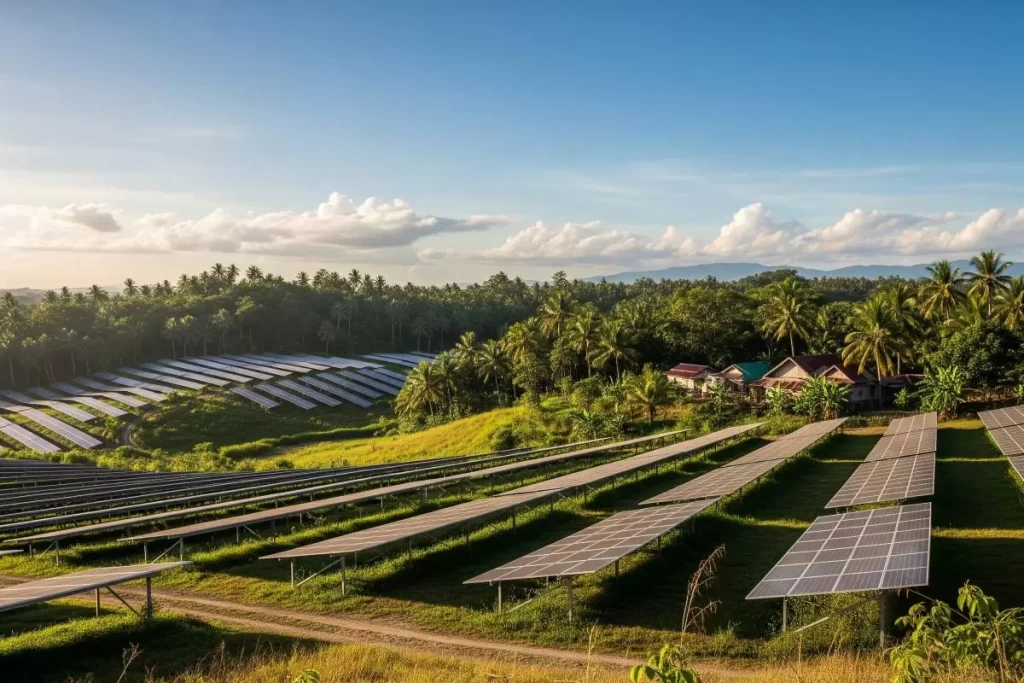
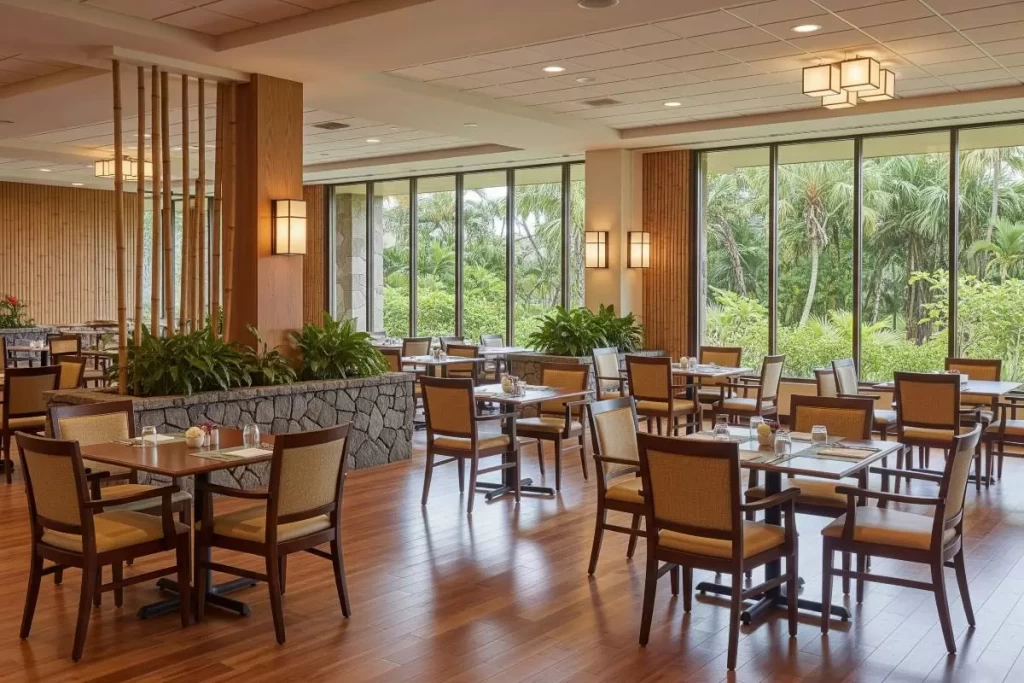
    The role of a developer in an assisted living eco-tourism resort is complex and challenging but also incredibly rewarding. By successfully managing and promoting the business, developers can create a thriving business that provides a valuable service to seniors and the physically challenged and contributes to the growth of the eco-tourism industry in the Philippines.

    Having The Right Design Partners

    The choice of an architect partner significantly influences the success of an assisted living eco-tourism resort project. The architect is not just responsible for the resort’s design but also plays a crucial role in ensuring that the project aligns with the developer’s vision and business objectives.

    An architect with knowledge and experience in real estate investments can provide valuable insights into the project’s feasibility, potential return on investment, and market trends. They can help the developer make informed decisions about the project, such as the selection of the site, the scale of the development, the conditions of a tropical climate, the real estate unit programs, and the offers of amenities and services.

    Moreover, an architect with expertise in eco-tourism can guide the developer in creating a resort that is attractive to guests and sustainable and respectful of the local environment and community. They can advise on the best practices for sustainable design and operation, help the developer navigate relevant regulations and standards, and ensure that the resort contributes positively to the local economy and ecology.

    Therefore, choosing architects in the Philippines skilled in design and knowledgeable about real estate investments and eco-tourism operations can be a significant advantage for the developer. This partnership can contribute to the project’s success, ensuring that the resort is profitable, sustainable, and beneficial to the community and the environment.

  • How Many Islands Are In The Philippines?

    How Many Islands Are In The Philippines?

    The Philippines, officially known as the Republic of the Philippines, is an archipelagic country in Southeast Asia. Situated in the western Pacific Ocean, it consists of about 7,641 islands (updated). This new count, however, is not static. The number of islands in the Philippines can vary depending on the tide, with some islands submerging at high tide. The question, “How many islands are in the Philippines?” is thus a complex one, with answers that can change with the shifting tides and advancements in geographical surveys.

    Geographical Distribution

    The islands of the Philippines are categorized into three primary geographical divisions from north to south: Luzon, Visayas, and Mindanao. Luzon is the largest island, where the nation’s capital, Manila, is located. The Visayas is a group of several islands, some of the most significant being Cebu, Bohol, and Leyte. Mindanao, the second-largest island, is in the southern part of the country.

    The geographical conditions of the Philippines are as diverse as its islands. The country experiences a tropical maritime climate characterized by high humidity, abundant rainfall, and warm temperatures throughout the year. Its topography is equally diverse, with mountain ranges, narrow to extensive coastal plains, and interior valleys and plains. Furthermore, tourists recognize the Philippines as one of the world’s biodiversity hotspots, with many endemic species. 

    These conditions vary significantly across the islands. For instance, Luzon is known for its mountainous regions, while the Visayas is famous for its beautiful beaches. On the other hand, Mindanao is known for its fertile valleys and plains. These geographical conditions significantly influence the lifestyle and economy of the islands. For example, islands with fertile soil and favorable climate conditions are often agricultural hubs, while those with beautiful beaches and marine biodiversity are popular tourist destinations.

    Counting The 7,641 Islands

    The National Mapping and Resource Information Authority (NAMRIA) of the Philippines determined that the country has an official count of 7,641 islands. This update was an increase from the previous count of 7,107, which people had widely accepted the number for many years. The increase in the number of islands was due to the use of more advanced counting measures and technology, including Interferometric Synthetic Aperture Radar (IFSAR) data.

    Upon the identification of potential new islands by IFSAR, NAMRIA embarked on a comprehensive ground validation process across Luzon, Visayas, and Mindanao. This process involved capturing photographic evidence of the seabed surrounding these islands.

    A panoramic aerial view of Palawan’s turquoise waters dotted with limestone cliffs, white sand islets, and lush green vegetation, illustrating the natural beauty and diversity of the Philippine archipelago while depicting the question of how many islands are in the Philippines.
    The Philippine archipelago, long celebrated for its mosaic of islands, has revealed a new chapter in its geological narrative through advanced mapping and exploration. The National Mapping and Resource Information Authority has updated the official count to 7,641 islands, replacing the long-held figure of 7,107. This refinement stems from the application of cutting-edge technologies such as Interferometric Synthetic Aperture Radar, combined with comprehensive ground validation. These discoveries affirm the dynamic nature of the nation’s coastal and marine landscapes.

    Moreover, it included the collection of sediment samples from the islands, which was achieved through shallow excavation. The reason these islands remained undiscovered for such a long period can be attributed to the limitations of the technology previously in use. Additionally, the ever-changing landforms, a common phenomenon in archipelagic regions, played a significant role in keeping these islands undiscovered for an extended period. The evolution of technology, coupled with rigorous scientific exploration, eventually brought these hidden islands to light.

    Ecological Significance

    The islands of the Philippines are not just geographical features; they are also home to a rich diversity of flora and fauna. The country is considered one of the seventeen mega biodiverse countries, containing more than half of the world’s species. Each island, from the smallest to the largest, plays a crucial role in maintaining this biodiversity.

    The fact that the Philippines is composed of many islands means that vast bodies of water surround it. This geographical feature has significant implications for the country’s natural resources, economy, and lifestyle.

    The Pacific Ocean surrounds the Philippines to the east, the South China Sea to the west, and the Celebes Sea to the south. These bodies of water are rich in marine resources, making the Philippines one of the world’s top fish-producing countries. The country’s marine resources include a wide variety of fish species and other seafood like shellfish, seaweed, and pearls. These resources play a crucial role in the country’s economy, providing livelihoods for millions of Filipinos and contributing to the country’s food security.

    The country’s extensive coastline, estimated to be the fifth longest in the world, is dotted with numerous beaches. These natural wonders range from white sandy beaches to pebbly shores, each with unique charm. Some of these beaches, like Boracay’s White Beach and El Nido’s Nacpan Beach, are renowned worldwide for their stunning beauty. These beaches are major tourist attractions, contributing significantly to the country’s tourism industry.

    Moreover, the country’s marine resources are not just economic assets but also crucial for the country’s biodiversity. The Philippines is part of the Coral Triangle, the global center of marine biodiversity. The country’s waters are home to a diverse array of marine species, including numerous species of coral, fish, and marine mammals. This biodiversity is a vital part of the country’s natural heritage and plays a crucial role in maintaining the health of global marine ecosystems.

    History Of The Philippine Islands

    The history of the Philippines is deeply intertwined with its geography. The country has a rich history, marked by pre-colonial civilizations, Spanish colonization, American rule, and finally, independence. The island geography has significantly influenced the cultural diversity of the Philippines. Each island or group of islands has developed its unique cultural practices and traditions. The geographical isolation of the islands has also influenced historical events, such as the resistance against colonizers and the development of local governance systems. The geography of the islands has played a crucial role in their development. Islands with natural harbors, for instance, have become commercial and trading hubs, while those with fertile soil have become agricultural centers.

    Opportunities In the Islands of the Philippines

    The islands of the Philippines offer a plethora of opportunities. The country is a popular tourist destination, with attractions ranging from beautiful beaches and marine biodiversity to rich cultural heritage. It also presents various business opportunities, particularly in agriculture, manufacturing, and information technology. Furthermore, the Philippines offers multiple investment opportunities in real estate, tourism, and leisure industries. These opportunities vary across different islands, depending on factors like geographical conditions, infrastructure, and local policies. For instance, islands with developed infrastructure and favorable policies often attract more business and investment.

    Unique Features Of The Islands

    Each of the 7,641 islands in the Philippines boasts unique features that contribute to the country’s rich cultural tapestry and natural beauty. These features, which include natural attractions and cultural heritage, significantly contribute to the islands’ appeal as tourist destinations and cultural hubs. They also play a crucial role in shaping the islands’ identity and economy.

    Natural attractions in the Philippines are as diverse as they are breathtaking. For instance, the Chocolate Hills in Bohol, a geological formation of over 1,200 perfectly cone-shaped hills, is a testament to the country’s unique landscape. The Puerto Princesa Subterranean River National Park in Palawan, a UNESCO World Heritage Site, features a spectacular limestone karst landscape with an underground river. These natural attractions draw tourists from around the world and serve as important habitats for a variety of species, contributing to the country’s biodiversity.

    The cultural heritage of the Philippines is equally diverse and vibrant. Each island or group of islands has its unique cultural practices and traditions, shaped by its history, geography, and interactions with other cultures. For example, the Ati-Atihan Festival in Aklan considered the mother of all Philippine festivals, is a week-long celebration in honor of the Santo Niño, or the child Jesus. The festival features colorful parades, street dancing, and music, with participants painting their faces with black soot and wearing traditional Visayan attire.

    A dynamic street scene of the Ati-Atihan Festival in Aklan, showing participants with soot-painted faces, colorful tribal headdresses, and traditional Visayan attire, dancing to rhythmic drumbeats in celebration, illustrating the cultural richness of the Philippine archipelago and evoking the question of how many islands are in the Philippines.
    The Philippine archipelago, with its officially recognized 7,641 islands, offers a profound intersection of natural landscapes and cultural traditions. Each island presents a distinct spatial identity, shaped by geological character and the customs of its communities. From the volcanic symmetry of the Chocolate Hills to the subterranean limestone passages of Puerto Princesa, nature’s forms coexist with human celebrations such as the Ati-Atihan Festival. This layered heritage reflects a living dialogue between landform and culture.

    In Quezon Province, the Pahiyas Festival is a unique and colorful celebration held in honor of San Isidro Labrador, the patron saint of farmers. During the festival, locals decorate their homes with agricultural produce, handicrafts, and kiping, a rice-made decoration, in a vibrant and creative display of thanksgiving for a bountiful harvest.

    In the Mountain Province, the Bontoc people practice the Begnas, a complex agricultural ritual involving various activities such as animal sacrifices, dances, and feasts. The Begnas mark critical agricultural cycles, such as the planting and harvesting of rice, and invoke the gods and spirits for a bountiful harvest and protection against natural calamities.

    The Philippines Islands And Real Estate Values

    The real estate market in the Philippines is as diverse as its archipelago, with property values varying significantly from one island to another. Several factors, including location, infrastructure, and economic conditions, influence the value of properties on different islands.

    In bustling cities like Manila, Quezon City, and Davao City, the real estate market is thriving due to the heightened demand for residential and commercial properties. These cities offer many amenities, including restaurants, nightlife, healthcare facilities, and more, making them attractive for locals and expatriates. However, the high demand and limited supply often drive up property prices in these urban areas.

    On the other hand, properties in less urbanized areas such as Tagaytay and Dumaguete offer a different appeal. These areas are known for their cooler climates, beautiful landscapes, and slower pace of life. While property prices here may be lower than in the major cities, they are still influenced by factors such as proximity to tourist attractions and the quality of local infrastructure.

    The type of property also plays a significant role in its value. For instance, condominium units in high-rise buildings in major cities can be expensive due to the premium on space and the convenience of city living. On the other hand, standalone houses on leased land can be a more affordable option, especially in less urbanized areas.

    A panoramic view of Dumaguete’s seaside boulevard with stone balustrades, palm-lined walkways, historic colonial buildings, and people strolling along the waterfront under a clear blue sky, showcasing the harmonious blend of coastal scenery and urban architecture in the Philippines.
    Dumaguete, often called the “City of Gentle People,” occupies a coastal threshold where urban life converges with the rhythm of the sea. Its streets display a confluence of colonial-era architecture, contemporary structures, and verdant landscapes, creating a cityscape that reflects both heritage and modern aspirations. Along its shoreline, public spaces open toward the horizon, fostering a relationship between built environment and maritime expanse. This spatial arrangement shapes a civic identity grounded in accessibility, openness, and cultural continuity.

    Government policies and economic conditions also influence the real estate market in the Philippines. For instance, foreign ownership laws in the Philippines restrict foreigners from owning land but allow them to own residences, such as condominium units. The provision led to a surge in demand for condominium units, especially in urban areas, driving up their prices.

    Economic conditions, such as the economy’s overall health, interest rates, and inflation, also impact real estate values. A strong economy often leads to higher property values as more people have the means to invest in real estate. Conversely, during economic downturns, property values may stagnate or even decline.

    What It Means To Know How Many Islands Are In The Philippines

    Understanding “how many islands are in the Philippines” is more than just knowing the number; it involves appreciating each island’s diversity and richness. From geographical conditions to historical influences, from unique features to investment opportunities, each island contributes to the vibrant tapestry of the Philippines.

    The real estate market, with its varying values across different islands, is a testament to this diversity. It reflects not just the country’s economic conditions but also the unique characteristics and appeal of each island.

    As we continue to explore and understand the Philippines’ archipelago, we uncover more than just islands; we discover a nation rich in culture, history, and potential. This understanding is crucial for academic pursuits and making informed decisions, whether in tourism, business, or real estate investments.

  • Understanding Building Height Limit in the Philippines & Exceptions

    Understanding Building Height Limit in the Philippines & Exceptions

    As the Philippines continues to urbanize, architects and developers will have to navigate a sea of tall buildings and skyscrapers, each stretching to the horizon. The skyline, which was once a simple silhouette of modest structures, now erupts with high vertical attempts that appear to maximize floor areas. These ambitious targets, however, are not without constraints. The building height limit is one of the most important, yet often baffling, variables to consider in this architectural revolution. This critical component, overseen by two key bodies – the Civil Aviation Authority of the Philippines (CAAP) and the National Building Code of the Philippines (NBCP) – is vital in establishing the urban landscape.

    The establishment and awareness of building height limits act as invisible threads that connect the urban fabric. They restrict the height to which constructions can rise, ensuring a balance between the earth and the sky, between human ambition and nature’s limits. Understanding these restrictions can often be challenging for architects and developers, as they may face complex dynamics of laws and regulations that can seem as daunting as the structures they aim to construct.

    A nighttime cityscape in the Philippines showcasing a dense cluster of high-rise buildings, many brightly illuminated against a dark evening sky, illustrating the regulated vertical expansion of urban architecture in compliance with Philippine building height limitations.
    The Philippine skyline transforms rapidly into a vertical landscape defined by aspiration and illuminated geometry. Each high-rise asserts its place within the dense urban matrix, guided not solely by economic intent but by the constraints etched into law. Building height limitations, governed by the Civil Aviation Authority and the National Building Code, shape the silhouettes that define modern metropolitan identity. These invisible parameters exert a profound influence on the city’s vertical narrative.

    Understanding the Height Restrictions Imposed by the Civil Aviation Authority of the Philippines (CAAP)

    The CAAP plays a crucial role in dictating building height restrictions, especially in areas close to airports. In the bustling downtown areas of Manila, Makati, Pasay, and BGC, the CAAP has set a height limit of 250 meters. This ruling is primarily due to these areas’ nearness to the Ninoy Aquino International Airport (NAIA), as taller structures can pose a risk to aviation safety.

    However, there are exceptions to this rule. Some skyscrapers exceed the 250-meter limit, but these additional heights are often in the form of non-habitable structures such as antennas or spires. These exceptions demonstrate the flexibility within the regulations and the innovative solutions architects can employ to maximize a building’s potential while adhering to safety guidelines.

    A schematic drawing showing the conceptual zoning and elevation surfaces around Ninoy Aquino International Airport, used to illustrate Philippine restrictions imposed by CAAP in key areas like Makati, Pasay, Manila, and BGC.
    In the urban cores surrounding the Ninoy Aquino International Airport, architectural height is subject to a calibrated balance between innovation and aeronautical safety. The Civil Aviation Authority of the Philippines establishes height limitations that determine how buildings interface with the aerial environment. These constraints, precise and imperative, create an invisible yet powerful geometry across the urban skyline. Architects must negotiate within this controlled spatial framework to realize forms that remain visionary yet permissible.

    The CAAP has an online platform for Height Clearance Permit (HCP) issuance, which is part of their efforts to streamline the issuance of permits, licenses, and certificates for construction. They also have a virtual map of critical areas to guide stakeholders in their applications for HCP.

    Comprehending the Building Height Limit as Per the National Building Code of the Philippines (NBCP)

    The NBCP is another vital legislation governing architectural practices in the Philippines. Unlike the CAAP, which imposes a strict height limit in certain areas, the NBCP approaches building height from a different angle. It stipulates that the maximum size and number of stories of a building should depend on various factors, including the character of occupancy, type of construction, population density, building bulk, widths of streets, and car parking requirements.

    Two men seated at a table examining building documents, representing the regulatory process of Philippine architecture under the National Building Code, which governs building height, occupancy, and construction compliance.
    In the orchestration of built environments across Philippine cities, the National Building Code serves as a guiding doctrine for architectural integrity and urban order. Its regulations determine not only the vertical reach of structures but their overall relationship with surrounding densities, streetscapes, and occupancy types. At the heart of these deliberations are design professionals and building officials, negotiating between vision and regulation. Each project begins with this dialogue—rooted in compliance, calibrated by experience.

    The National Building Code is a law composed of standardized rules and regulations for the construction and renovation of real estate projects. It was created in the 1970s due to rising urbanization and a growing population and underwent a revision in 2005. It includes building design, construction, use, occupancy, and maintenance regulations. Building owners must secure a permit from building officials in their area before commencing construction, and the officials have the power to halt construction if the site violates the Code in any way. Applying for a building permit requires submitting several documents and plans, and builders must document the construction progress in an official logbook. Upon completion, they should submit a Certificate of Project Completion and obtain a Certificate of Occupancy before occupying the building.​

    According to the National Building Code of the Philippines, the building height reference is from the highest adjoining sidewalk or ground surface. The vertical distance measured from the lowest adjacent surface to the tip should not exceed the maximum building height limit of more than 3.00 meters. The maximum height and number of stories of every building depend on factors such as the character of occupancy, the type of construction, population density, building bulk, widths of streets, and car parking requirements. Towers, spires, and steeples, part of a building and not used for habitation or storage, have different rules. If the materials used are incombustible, their height is limited only by structural design. Still, if the materials are combustible, they may extend only up to 6.00 meters above the height limits for each occupancy group​.

    Balancing CAAP and NBCP Regulations in Architectural Design

    In practice, architects often have to balance the CAAP and NBCP regulations when designing a building. This challenge requires a thorough understanding of both sets of guidelines and a creative approach to planning that meets the requirements of both bodies.

    For example, an architect designing a high-rise building in downtown Manila would need to consider the 250-meter limit set by the CAAP due to the proximity to NAIA. At the same time, they would need to account for the various factors outlined by the NBCP, such as the character of occupancy and the type of construction.

    It’s worth noting that there have been discussions about revising the code, as some industry experts believe it has become outdated. For example, House Bill 5607 aims to mandate a comprehensive nationwide inspection of buildings and impose penalties against building officials who violate provisions of the Code. At the same time, Senate Bill 2087 seeks to create a new Code with different standards regarding disaster resiliency and conditions considering human health.

    A diagram showing three comparative building massing examples, each with different Floor-Lot Area Ratios, visually explaining how architects manage building height limits through proportional land use in compliance with CAAP and NBCP regulations.
    In contemporary Philippine architecture, the dual governance of building height by the CAAP and NBCP requires measured judgment and calibrated design strategies. The Floor-Lot Area Ratio (FLAR) emerges as a spatial tool for architects to reconcile regulatory constraints with project ambitions. This diagram illustrates varying relationships between land coverage and vertical massing—each a formal response to urban density, airspace control, and zoning ordinances. Through proportional design, architectural form navigates between limit and possibility.

    Building Height Limit And Floor Area Ratio

    Floor Area Ratio (FAR) or Floor Lot Area Ratio (FLAR) is a critical determinant of building size. It is a measure used by urban planners and zoning authorities to assess the density and intensity of land use, thus influencing the built environment’s scale, massing, and form. It is calculated by dividing the total floor area of a building by the size of the plot (or lot) on which the building is located. For example, a FAR of 2.0 would mean that the total floor area of a building is twice the gross area of the plot.

    In the context of urban planning and building regulations, FAR plays a significant role. A higher FAR value allows for more intensive land use, leading to denser and taller buildings. Conversely, a lower FAR value would lead to less dense, often shorter structures. Regulating the FAR can therefore influence the character and form of a neighborhood or a city. However, it is essential to note that the FAR does not dictate the building’s height or shape; it merely limits the total floor area. The final design and size of a building are also influenced by various other factors, such as building codes, height restrictions due to aviation safety, and specific local regulations.

    Applying For Exceptions To Building Height Limit In A City

    Sometimes vertical projects often come up against stringent zoning ordinances, particularly those related to building height limitations. While crucial for maintaining the city’s aesthetic, ensuring safety, and preventing overcrowding, these regulations can sometimes limit the potential for urban growth and development.

    A wide-angle shot of a meeting room or legislative chamber with multiple individuals seated at desks, depicting a zoning variance hearing for exceptions in Philippine urban development.
    In the discourse of urban verticality, zoning ordinances define the outermost boundaries of form, often placing architectural ambition in tension with municipal limits. Height restrictions, although essential for urban coherence and safety, can constrain the evolution of dynamic cityscapes. Through variance applications, developers may pursue projects that stretch beyond established parameters under careful scrutiny. The process, housed in local councils and municipal chambers, becomes an arena where civic governance meets spatial innovation.

    Yet, developers can navigate these restrictions by applying variances or exceptions to the established building height limit in a zone. These variances, granted by the local Sangguniang Bayan or Municipal Council, allow deviations from the standard regulations under specific circumstances. The process, while rigorous, provides an avenue for developers to propose innovative projects that, while exceeding the legal height limits, can bring significant benefits to the city and its residents.

    This process of applying for a variance involves carefully assessing the proposed project’s maximum use, profitability, compliance with aviation safety standards, earthquake hazard implications, and traffic impact. The aim is to ensure that any exception granted does not compromise safety, respects the city’s urban planning objectives, and contributes positively to the city’s development.

    The Process For Filing Building Height Exception

    Here’s a general process based on the information gathered from various experiences and ground resources. It may vary from one local municipality unit to another:

    Pre-application Meeting: Before applying for a variance, it’s advisable to schedule a pre-application meeting with the city’s planning department. The activity will provide an opportunity to discuss the project and understand the feasibility of the variance request.

    Application Submission: The next step is to apply for the variance formally by including a detailed description of the proposed project, the specific exemption requested, and the reasons why the resolution is necessary. The application may also require supporting documents such as site plans, architectural drawings, and a statement of difficulty explaining why the developers cannot complete the project under the current zoning regulations.

    Public Hearing: After the application is submitted, the city council will announce the schedule of a public hearing. The applicant can present their case to the Sangguniang Bayan (Municipal Council) and the public to express any concerns or support for the project. It’s essential to prepare a compelling presentation that addresses all the key considerations, including the maximum use of the proposed project, the profitability of the project, the height clearance permit issued by the Civil Aviation Authority of the Philippines, development plans from an architect, an earthquake hazard assessment, a Resolution of No Objection at the barangay level, and a traffic impact assessment.

    Council Decision: Following the public hearing, the Sangguniang Bayan will decide on the variance request. This decision relies on whether the variance is in the public interest, whether it is consistent with the intent of the zoning ordinance, and whether it will result in unnecessary hardship for the applicant. The granting of variances should consider the maximum use of the proposed project to allow the best profitability of the project. This observation is not the default but is a common practice in real estate development. 

    Appeal Process: If the variance request is denied, there may be an opportunity to appeal the decision. The specific process for this will depend on the local regulations in the city.

    It’s important to note that this is a general process, and the specific requirements may vary depending on the local regulations in the city where the project is located. Therefore, it’s advisable to reach out to a local city planning office, a real estate attorney, or an architect familiar with local regulations for more detailed guidance in applying for building height limit exeptions.

  • The Blossoming Of Farm Resorts In The Philippines

    The Blossoming Of Farm Resorts In The Philippines

    Imagine waking up to the crowing of roosters, the cool morning air carrying the fresh scent of dew-kissed leaves, and the sight of verdant landscapes stretching beyond the horizon. This idyllic rural scene is no longer just a nostalgic throwback to simpler times but a tantalizing prospect for a new wave of tourism sweeping across the Philippines. As the world becomes more attuned to the rhythms of nature and sustainability principles, the age-old agriculture industry is undergoing a revolutionary transformation. Health-conscious and adventure-seeking communities are casting fresh eyes on the bucolic charm and hands-on experiences offered by the country’s rich farming heritage, leading to the blossoming of an innovative form of sustainable tourism – farm tourism. More than just a breath of fresh air, this trend heralds a vibrant resurgence of the agricultural sector in the guise of farm resorts in the Philippines as a subdivision venture, simultaneously paving the way for inclusive development and creating a cascade of opportunities for stakeholders across the spectrum.

    Two people holding hands walk through a lush grassy field in a Philippine rural landscape, illustrating the growing appeal of farm tourism as a sustainable and community-driven alternative to conventional real estate development, with emphasis on agricultural living and wellness.
    Across the Philippine countryside, a quiet resurgence unfolds as farmlands transform into curated landscapes of hospitality and heritage. The once utilitarian terrain now draws communities seeking serenity, sustainability, and sensory connection. Farm tourism repositions the agricultural realm not as a vestige of the past, but as a canvas for future living rooted in ecological values. This evolving typology redefines rural space as a shared experience, where lifestyle and livelihood intersect.

    Farm Tourism Development Law

    At the core of this burgeoning trend is Republic Act No. 10816, colloquially known as the Farm Tourism Development Law. Enacted in May 2016, this legislation underscores the importance of agriculture in providing essential commodities while ensuring livelihood for a significant portion of the population. It has since laid the groundwork for integrating agriculture and tourism, fostering a symbiotic relationship that promises food sufficiency and additional income for tourism stakeholders, including farmers, farmworkers, and fisherfolk.

    ian fulgar the blossoming of farm resorts in the philippines 02
    The Philippine countryside undergoes a dignified transformation under the legislative framework of Republic Act No. 10816, where agriculture and tourism converge as co-generators of rural prosperity. This law initiates a dynamic interplay between land cultivation and experiential engagement, reaffirming the landscape as both productive and poetic. Within this terrain, individuals no longer merely traverse soil—they partake in a broader narrative of livelihood, learning, and local pride. Such settings become anchors for policy, place, and participation.

    The tripartite partnership between the Department of Tourism (DOT), the Department of Agriculture (DA), and the Department of Trade and Industry (DTI) is central to the law’s implementation. Together, they form the Farm Tourism Development Board, tasked with promoting established farm tourism sites and encouraging the creation of new ones. The law’s implementation opens up many opportunities for rural communities, paving the way for jobs in various sectors, from tour guides and drivers to hotel and restaurant workers.

    Opportunities in Farm Resorts Development

    The allure of farm tourism in the Philippines is undeniable. With about two-fifths of the country’s total land area of 300,000 square kilometers dedicated to farming, the sector employs roughly a quarter of the country’s workforce. This volume of available land, combined with world-renowned Filipino hospitality, provides competitive advantages that the farm tourism sector can leverage. But the benefits extend beyond merely boosting tourism.

    Farm tourism offers a unique, immersive experience for travelers seeking educational tours and alternative holiday destinations. Rural communities present job opportunities that were previously nonexistent. Farmers and farmworkers gain additional revenue streams, supplementing their income from the traditional harvest. At a national level, these other incentives for farmers and fisherfolk bolster food security.

    The Blueprint Of Farm Resorts: Infrastructure, Safety, and Sanitation

    Building a successful farm tourism site requires meeting a specific set of criteria. The law distinguishes between two farm tourism sites: “day farms” for day tours and visits and “farm resorts” that provide accommodation and dining services. Regardless of the category, a potential site must have been operational for at least three months and situated in a location deemed “generally safe and peaceful.”

    An electric utility vehicle is parked on a gravel path within a wooded landscape, illustrating the infrastructure requirements of Philippine farm tourism sites under the Farm Tourism Development Law, including accessibility, safety, and essential services for certified operations.
    The transformation of agricultural spaces into viable tourism destinations requires more than pastoral charm; it demands compliance with structured operational, infrastructural, and safety benchmarks. The Farm Tourism Development Law outlines specific prerequisites that elevate a farm into a certified site—ranging from accessibility and utility provision to security and sanitation protocols. This ensures that the visitor experience is grounded in reliability, comfort, and safety. Farm tourism evolves not merely through vision, but through rigorous alignment with codified standards.

    Regarding infrastructure, accessibility by road is necessary, and amenities such as electricity, water, and communication services must be available. Safety considerations are also paramount. Each site must employ security personnel, equip firefighting facilities, and maintain well-stocked first aid kits. Sanitation is equally crucial; clean and well-maintained restrooms, garbage disposal, and waste management systems are mandatory.

    Is The Farm Resort Business Model Lucrative?

    There are two types of farm tourism sites: “day farms” and “farm resorts.” Day farms are usually located near highways and central business areas, making them ideal for day tours and visits. On the other hand, farm resorts offer accommodation and dining services, providing guests with an immersive experience where they can partake in farm activities such as collecting eggs, harvesting vegetables, or catching fish for their meals​.

    Children stand and play at the edge of a pond in a rural Philippine setting, illustrating outdoor activities offered by farm tourism sites such as day farms, which provide immersive experiences aligned with healthy and nature-based living.
    The rural landscape offers varied typologies for tourism engagement, structured under two primary categories: day farms and farm resorts. Day farms, positioned near accessible commercial corridors, accommodate short-term visits and casual interaction with agrarian life. Farm resorts, in contrast, cultivate an immersive environment, where guests participate in agricultural rhythms as both observers and contributors. This dual typology broadens the architectural possibilities of rural land, enabling adaptive development grounded in both hospitality and heritage.

    Whether to develop the farm for subdivided lots or operate it as a hotel resort depends on the investor’s preference, business plan, and the potential market. However, the demand for such experiences is increasing, and people are more inclined towards healthy living and alternative experiences, which farm tourism provides​​.

    Examples Of farm Resorts In The Philippines

    There are multiple successful examples of farm resorts in the Philippines, such as the Nature Wellness Village in Tagaytay City, the Oceanview Farm and Cottages in Siquijor, and the Vita Isola Leisure Farm in Bohol. These resorts offer unique experiences, such as wellness services, educational lectures on organic agriculture, and encounters with farm animals​.

    Three large white geodesic dome tents are set on a green hillside in a rural Philippine landscape, illustrating glamping accommodations used in farm tourism developments like Taglucop Strawberry Hills that combine sustainable architecture with immersive agritourism experiences.
    The architectural expression of farm tourism continues to evolve through innovative typologies that merge ecological awareness with contemporary comfort. Across the Philippines, geodesic domes, glamping structures, and adaptive reuse strategies have emerged as spatial responses to a growing appetite for immersive, sustainable living. These interventions are not merely aesthetic but integral to a deeper experience of agricultural heritage. Such developments offer rural landscapes a renewed architectural identity.

    Moreover, innovative farm tourism sites such as Taglucop Strawberry Hills, Agriya Farm, JB Nature Farm and Resort, and Yamang Bukid are worth a visit and looking into. These sites showcase sustainable and efficient farming practices and tourist amenities, such as glamping accommodations, educational facilities, swimming pools, and local delicacies​​.

    Investing in farm tourism can be beneficial in several ways, including providing additional sources of income, enhancing food security, and creating more job opportunities for rural communities. However, like any business venture, it requires strategic planning and consideration of various factors, including the market demand, the type of experiences you want to offer, the initial investment for setting up the farm and the amenities, and the ongoing costs for maintenance and operations.

    When it comes to choosing the ideal type of trees or vegetation to plant, it would depend on the location’s climate, soil quality, and other environmental factors. For instance, the Taglucop Strawberry Hills in Bukidnon has a cool climate ideal for planting strawberries and other crops like mushrooms, lettuce, and tomatoes​​. The JB Nature Farm and Resort in Surigao City has developed into a showcase for permaculture farming, growing organically raised livestock and crops, including vegetables, fruits, herbs, and medicinal plants​​.

    Planning For A Farm Resort

    When venturing into the farm resort business, it is essential to consider numerous factors contributing to such an enterprise’s feasibility and success. Thriving farm resorts are contingent upon a well-executed blend of elements related to location, planning, sustainable design, and effective business strategies.

    1. Site Selection and Analysis

    Choosing the right location is a critical first step in developing a farm resort. The site should be in a natural, serene setting that offers unique, memorable experiences. It should be easily accessible yet far enough from urban centers to provide a distinct contrast to city life. Furthermore, it is essential to consider the local zoning laws and regulations, as these can significantly impact the development and operation of the resort.

    Several illuminated, tent-like luxury villas are nestled within a lush green forest, exemplifying the ideal setting and architectural approach for sites that combine nature immersion with thoughtful, regulation-aligned design.
    The architectural success of farm resorts begins with the discernment of place—where landscape, access, and regulation converge into a harmonious canvas for development. A site must extend beyond visual appeal, offering sensorial depth, ecological richness, and experiential potential. Proximity to nature must remain intact, while accessibility ensures continued engagement. Thoughtful placement shapes not only form, but also the identity and integrity of the resort itself.

    2. Concept and Planning Farm resorts In The Philippines

    After selecting an ideal location, the next step is to develop a concept defining the farm resort’s identity. This concept should include the activities and services the resort will offer, catering to a wide range of demographics. For instance, some guests may be interested in hands-on farming activities. In contrast, others might be more attracted to leisurely walks, spa treatments, or culinary experiences incorporating farm-fresh ingredients.

    3. Sustainable Design and Construction

    The design of the farm resort should be sensitive to the local environment and culture. It should ideally incorporate local materials and traditional building techniques, which not only support local economies but also adds a unique charm that resonates with visitors. Sustainability should be a core principle in the design and operation of the resort. Operators can achieve this by integrating renewable energy sources, efficient waste management systems, water conservation measures, and sustainable farming practices.

    4. Business and Marketing Strategy of Farm Resorts

    Developing a comprehensive business plan is a vital step in any venture. The business plan should detail the initial investment, estimated operating costs, projected revenue, and a strategic marketing plan. The marketing strategy should highlight the unique selling points of the farm resort, such as its sustainable practices, unique experiences, or connections to local culture and heritage.

    5. Seek Expert Advice

    Finally, it is always advisable to seek expert advice throughout the process. Professionals help ensure that the farm resort is not only a fulfilling venture but also a profitable one. Real estate consultants can provide valuable insights into property valuation and market trends, while architects can guide the sustainable design and master planning process.

    While farm resort ventures offer potential opportunities for profitability and contribution to local economies and sustainable tourism, the hospitality industry requires careful planning, design, and business strategies to ensure success.